Chronicles of Genitourinary Oncology · 2026 | Led by Professor Jun Guo, Experts Highlight the Year’s Landmark Breakthroughs in Genitourinary Cancer Care (Part II)

Chronicles of Genitourinary Oncology · 2026 | Led by Professor Jun Guo, Experts Highlight the Year’s Landmark Breakthroughs in Genitourinary Cancer Care (Part II)

From the first glimmer of insight in 1941, when Professor Charles Huggins discovered the hormone dependence of prostate cancer, to today’s flourishing era of precision oncology, the field of genitourinary cancers has traveled an extraordinary path—from silence and therapeutic limitation to an age of precision-driven breakthroughs. As both a participant in and witness to this journey, I feel deeply honored and profoundly inspired.
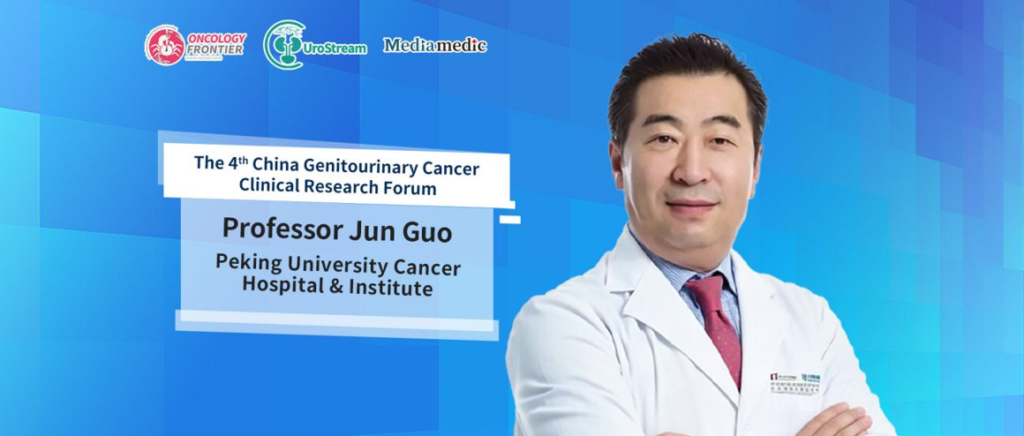
The 4th Urologic Oncology Clinical Research Conference | Professor Jun Guo on the Innovation Momentum and Future Direction of Chinese Genitourinary Oncology Research

The 4th Urologic Oncology Clinical Research Conference | Professor Jun Guo on the Innovation Momentum and Future Direction of Chinese Genitourinary Oncology Research

The 4th Urologic Oncology Clinical Research Conference brought together leading experts, investigators, and innovators to review the latest progress in genitourinary oncology research in China. Alongside academic forums and international expert discussions, the meeting also released the 2025 Annual Report on Chinese Genitourinary Oncology Clinical Research, offering a comprehensive overview of the field’s recent development.
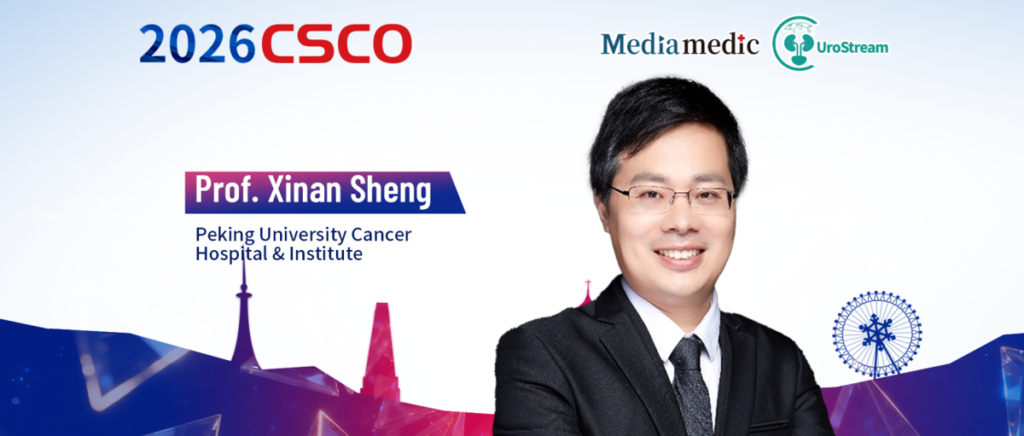
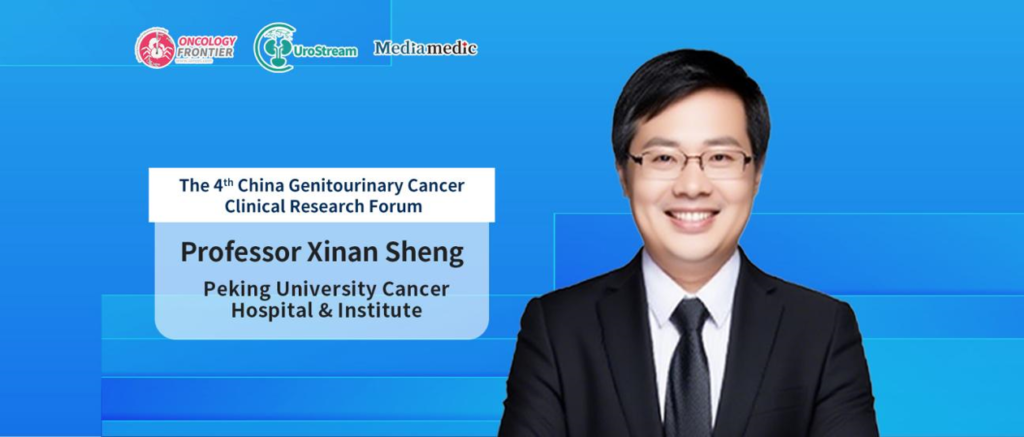
CSCO Guideline Preview | Professor Xinan Sheng Interprets the Core Advantages and Key Updates of the 2026 CSCO Renal Cancer Guidelines

CSCO Guideline Preview | Professor Xinan Sheng Interprets the Core Advantages and Key Updates of the 2026 CSCO Renal Cancer Guidelines

The Chinese Society of Clinical Oncology (CSCO) Renal Cancer Guidelines have become one of the most influential and widely adopted clinical references in the field of kidney cancer in China. Built upon evidence-based medicine while remaining highly practical for everyday clinical use, the guidelines continue to evolve alongside rapid advances in renal cancer therapeutics.
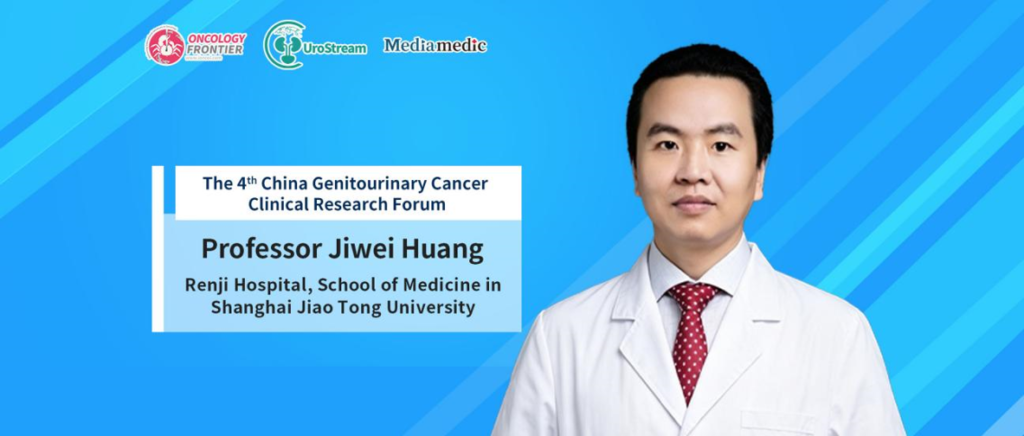
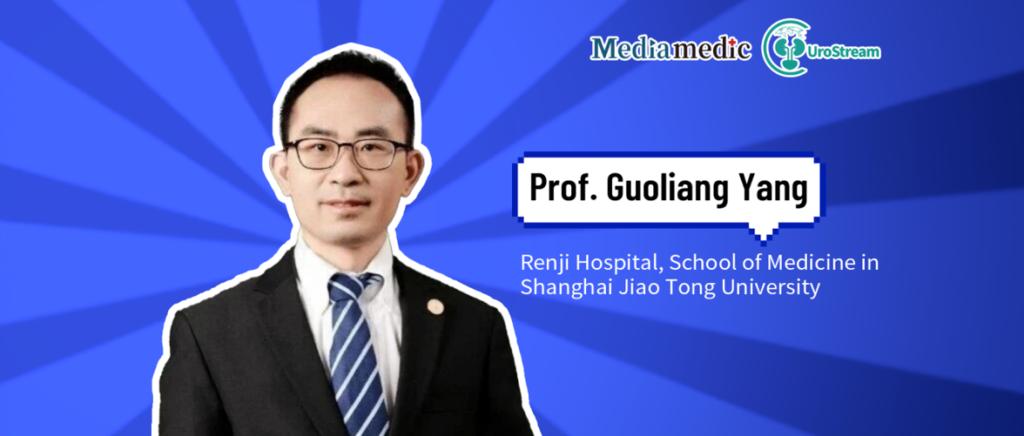
J Pathology | Prof. Guoliang Yang and Prof. Xianbin Su Reveal the Molecular Landscape and Cellular Origins of Bladder Squamous Cell Carcinoma

J Pathology | Prof. Guoliang Yang and Prof. Xianbin Su Reveal the Molecular Landscape and Cellular Origins of Bladder Squamous Cell Carcinoma

Squamous cell carcinoma (SCC) of the bladder is a rare but highly aggressive malignancy associated with poor clinical outcomes and limited responsiveness to conventional therapies. Recently, Professor Guoliang Yang’s team from Renji Hospital, Shanghai Jiao Tong University School of Medicine, together with Professor Xianbin Su’s group from the Institute of Systems Biomedicine at Shanghai Jiao Tong University, published a landmark study in the Journal of Pathology titled “Cellular origins and etiological factors for squamous cell carcinoma and related cancer types of the bladder.”
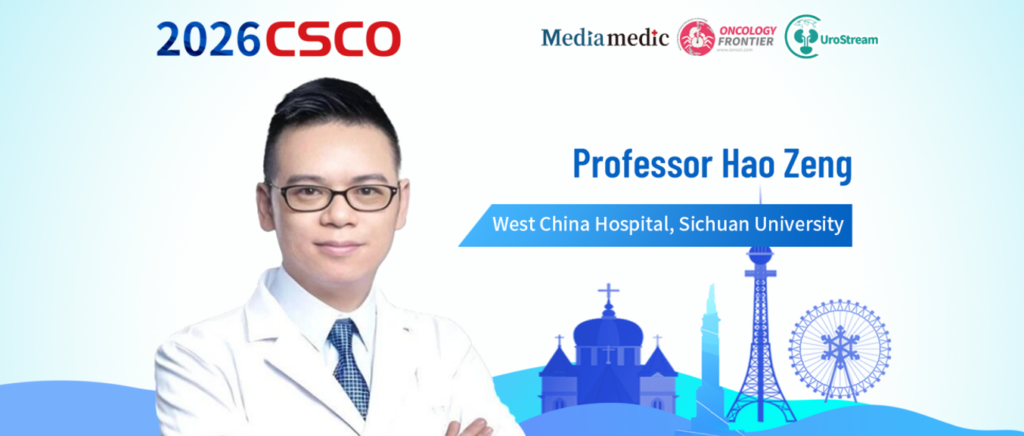
CSCO Guideline Preview | Professor Hao Zeng Interprets the 2026 CSCO Prostate Cancer Guidelines: Advancing Precision Oncology for Chinese Patients

CSCO Guideline Preview | Professor Hao Zeng Interprets the 2026 CSCO Prostate Cancer Guidelines: Advancing Precision Oncology for Chinese Patients

As one of the most common malignancies affecting men worldwide, prostate cancer requires continuously evolving diagnostic and therapeutic strategies. With rapid advances in precision medicine and the growing body of high-quality clinical evidence generated from Chinese patient populations, the 2026 CSCO Guidelines for Prostate Cancer introduce major updates aimed at better addressing the biological characteristics and clinical needs of patients in China.
CURC & ARUF | Professor Tao Xu: New Perspectives on Endocrine Therapy for mHSPC — Evidence Review and Clinical Practice Centered on Enzalutamide

CURC & ARUF | Professor Tao Xu: New Perspectives on Endocrine Therapy for mHSPC — Evidence Review and Clinical Practice Centered on Enzalutamide

Prostate cancer is one of the most common malignant tumors of the male genitourinary system in China. Among these patients, metastatic hormone-sensitive prostate cancer (mHSPC) carries a particularly poor prognosis and remains a major clinical challenge. In recent years, novel hormonal therapies (NHTs), represented by enzalutamide, have continuously reshaped the treatment landscape of mHSPC. With the release of long-term follow-up data from landmark studies such as ARCHES and ENZAMET, the combination of enzalutamide plus androgen deprivation therapy (ADT) has demonstrated durable survival benefits across a broad range of subgroups, including high- and low-volume disease, synchronous and metachronous metastases, and patients treated before or after chemotherapy.