


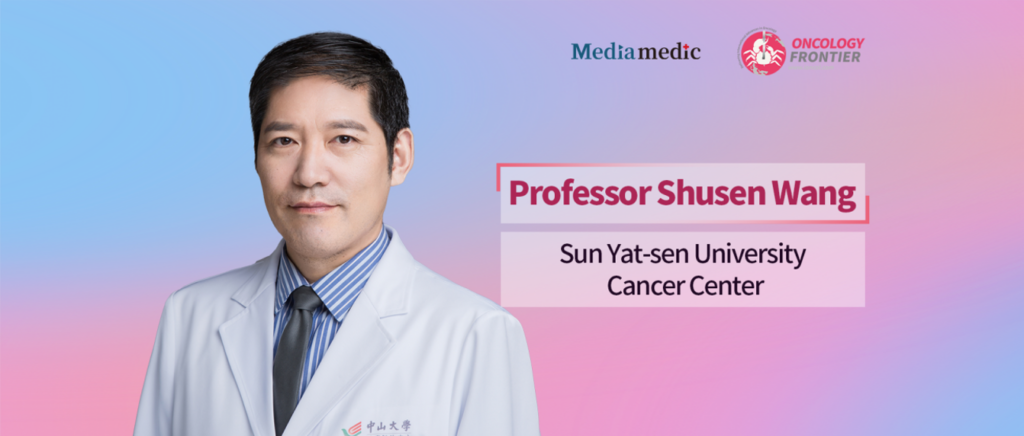
17th Yanzhao Breast Cancer Forum | Professor Shusen Wang: From MECCA to SYSUCC-020—Endocrine Therapy Plus Metronomic Chemotherapy Opens a New Chapter in HR-Positive/HER2-Negative Breast Cancer Treatment
Hormone receptor-positive, HER2-negative (HR+/HER2−) breast cancer is the most common molecular subtype of breast cancer. For decades, the combination of endocrine therapy and chemotherapy was considered a therapeutic “forbidden zone” because of its theoretical basis and early clinical evidence. With the emergence of novel endocrine agents, chemotherapeutic drugs, antibody–drug conjugates (ADCs), and evolving treatment strategies, this traditional view is gradually being challenged. In recent years, metronomic chemotherapy has emerged as a promising approach to combining chemotherapy with endocrine therapy because of its distinctive antiangiogenic and immunomodulatory mechanisms and favorable safety profile. The MECCA and SYSUCC-020 studies have provided important evidence supporting this strategy in the first-line setting and among patients previously treated with CDK4/6 inhibitors, respectively.
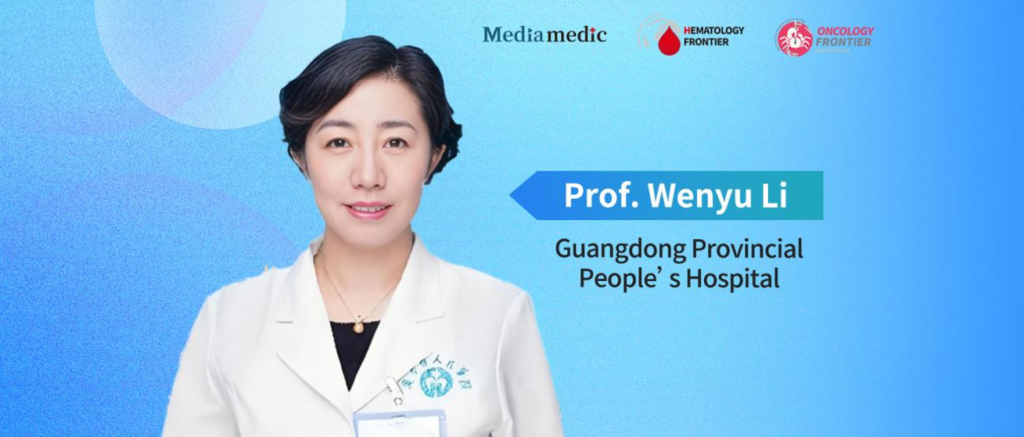
CSCO 2026 | Professor Wenyu Li: Current Treatment Landscape and Controversies in Newly Diagnosed Mantle Cell Lymphoma
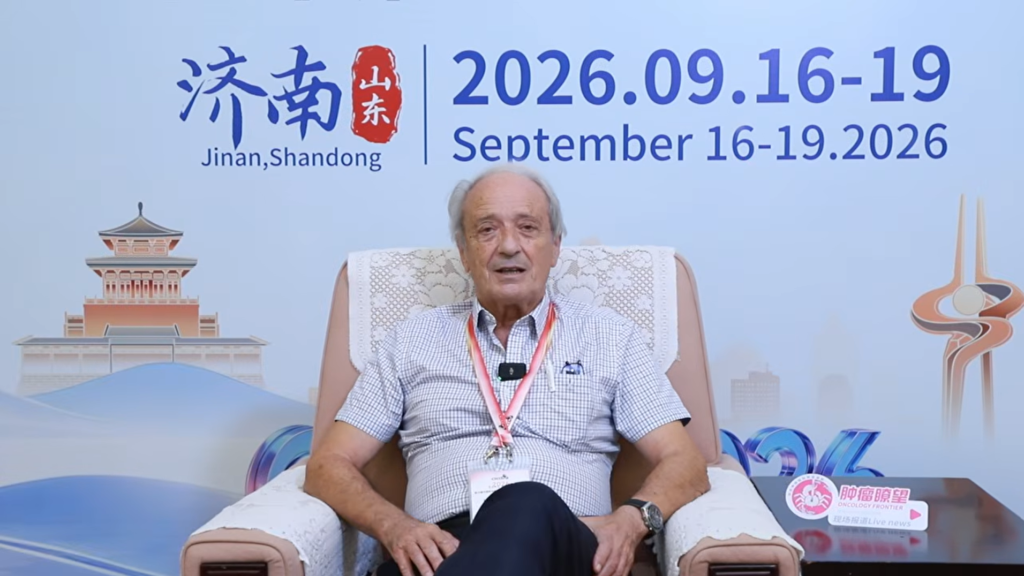
The 29th Annual Meeting of the Chinese Society of Clinical Oncology (CSCO) was held in Jinan from September 16 to 19, 2026, bringing together oncology experts from around the world to explore advances in precision diagnosis and treatment. During the lymphoma session, Professor Wenyu Li of Guangdong Provincial People's Hospital delivered a presentation entitled “Current Treatment Landscape and Controversies in Newly Diagnosed Mantle Cell Lymphoma (MCL).” Drawing on the 2025 EHA–EU MCL Network guidelines, the 2026 CSCO guidelines, and several pivotal clinical studies, Professor Li examined three major controversies in first-line MCL treatment: whether transplant-eligible patients still require autologous stem cell transplantation (ASCT) in the BTK inhibitor (BTKi) era; treatment options for older or transplant-ineligible patients; and precision treatment strategies for high-risk patients, including those with TP53 mutations. This article summarizes the key points of the presentation.
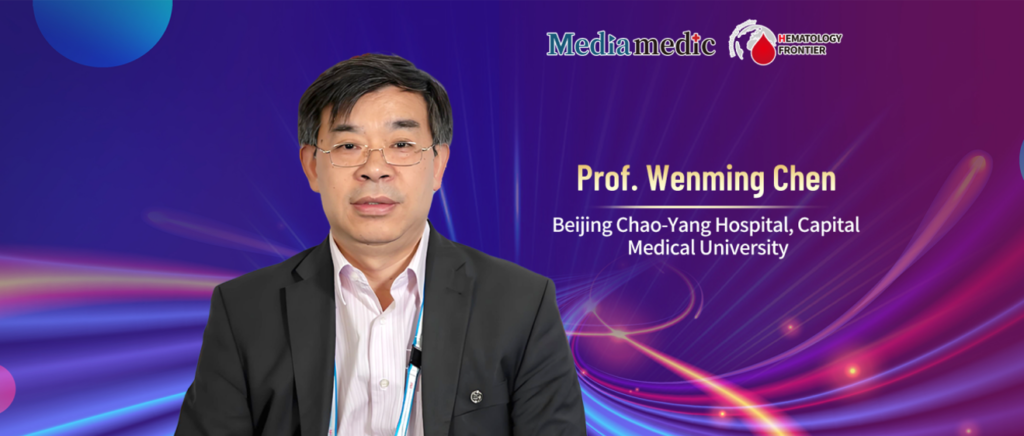
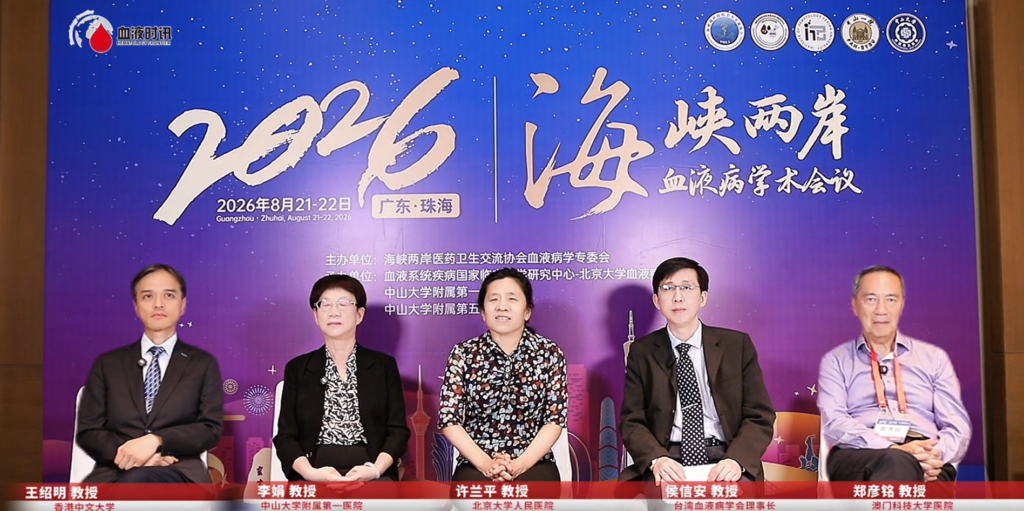
Professor Wenming Chen: Advances in the Application of Bispecific Antibodies in Multiple Myeloma | 2026 Cross-Strait Hematology Academic Conference
The treatment landscape for multiple myeloma continues to evolve with successive advances in immune-targeted therapies. As a novel class of immunotherapeutic agents, bispecific antibodies have helped address major treatment challenges in patients with relapsed or refractory disease and have become a key focus of research in multiple myeloma. The 2026 Cross-Strait Hematology Academic Conference was held in Zhuhai, Guangdong, on August 21–22. During the meeting, Oncology Frontier – Hematology Frontier invited Professor Wenming Chen of Beijing Chao-Yang Hospital, Capital Medical University, to discuss the evolving role of bispecific antibodies in multiple myeloma, strategies for combination and sequential treatment, and the latest evidence presented at the 2026 European Hematology Association (EHA) Congress in the context of current clinical research in China. His insights offer practical guidance for the standardized, effective, and individualized use of bispecific antibodies to maximize treatment efficacy and safety for patients.
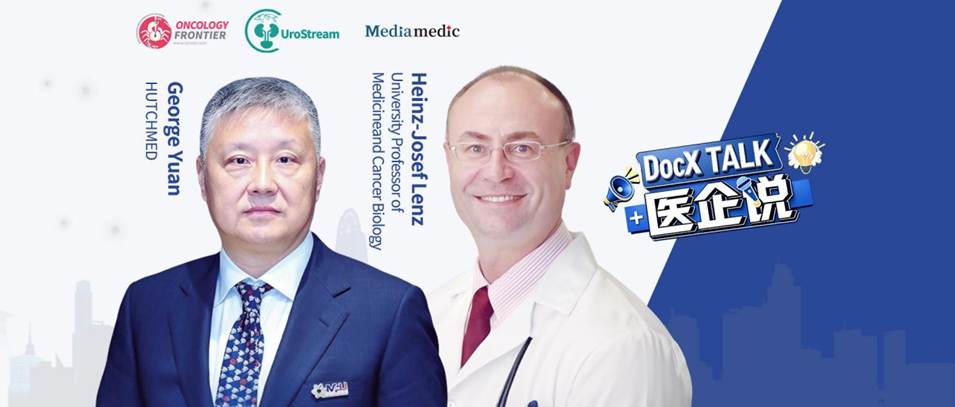
CSCO DocX TALK | Upholding Core Principles and Driving Innovation: Professor Heinz-Josef Lenz and HUTCHMED Discuss the Globalization of China’s Innovative Oncology Drugs
The 2026 Chinese Society of Clinical Oncology (CSCO) Annual Meeting showcased cutting-edge advances in oncology worldwide, with China's innovative drug development attracting particular attention. China has become an increasingly important force in global cancer research and treatment. During the meeting, Oncology Frontier invited Professor Heinz-Josef Lenz of USC Norris Comprehensive Cancer Center and Mr. George Yuan, Executive Vice President of HUTCHMED, to engage in an in-depth dialogue under the theme “Upholding Core Principles and Driving Innovation: Moving Forward Together.”
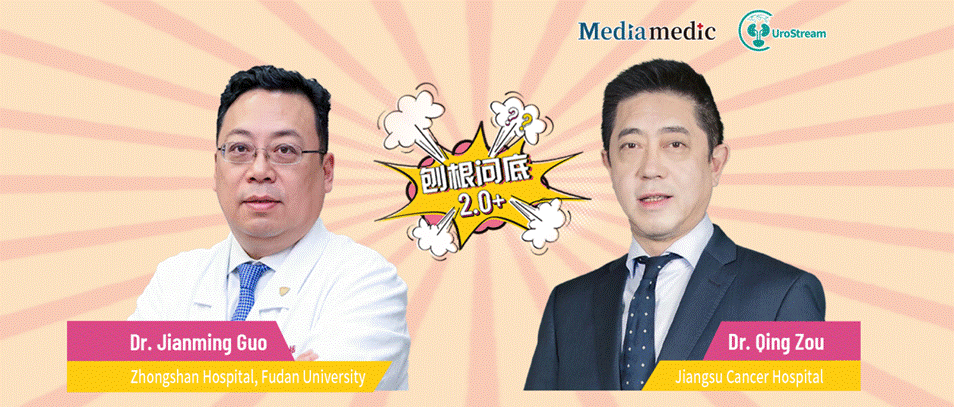
Getting to the Bottom of the Debate 2.0 | Oligoprogressive mCRPC: Debating Local Therapy and the Sequencing of PARP Inhibitors and ¹⁷⁷Lu-PSMA-617—A Debate Between Professors Jianming Guo and Qing Zou
Treatment options for metastatic castration-resistant prostate cancer (mCRPC) are expanding rapidly. However, two major challenges remain in clinical decision-making: how to adjust treatment following oligoprogression and how to optimize the sequencing of precision therapies.
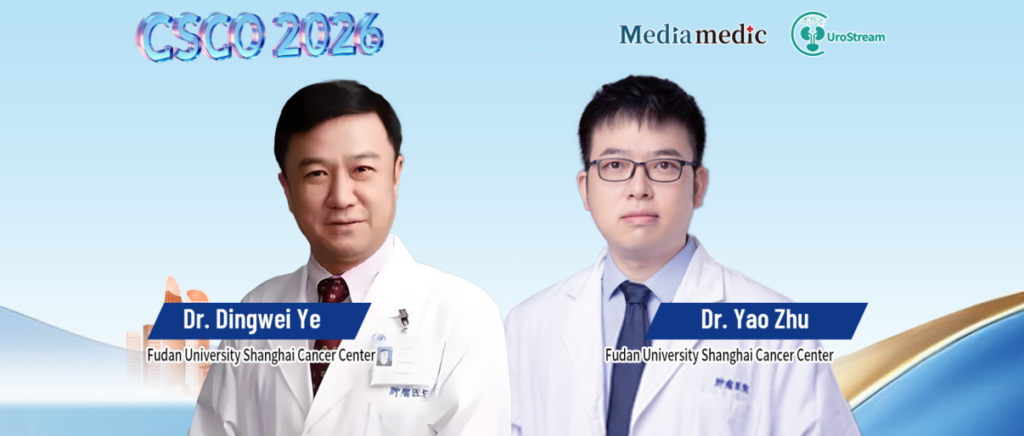
2026 CSCO | Professor Dingwei Ye and Professor Yao Zhu: Novel Breakthrough with a China-Developed TROP2 ADC—Sacituzumab Tirumotecan Demonstrates Significant Clinical Value in Advanced Urothelial Carcinoma
In recent years, treatment for urothelial carcinoma has advanced rapidly, with combination therapy involving targeted agents and immunotherapy significantly improving survival outcomes in patients with advanced disease. The CSCO Guidelines for the Diagnosis and Treatment of Urothelial Carcinoma have continued to incorporate emerging evidence, further enriching the standardized treatment framework. However, for most patients whose disease progresses following platinum-based chemotherapy and immunotherapy, subsequent treatment options remain extremely limited. Developing effective treatment strategies for patients receiving second-line and later-line therapy remains a major unmet need and a key clinical challenge in advanced urothelial carcinoma.
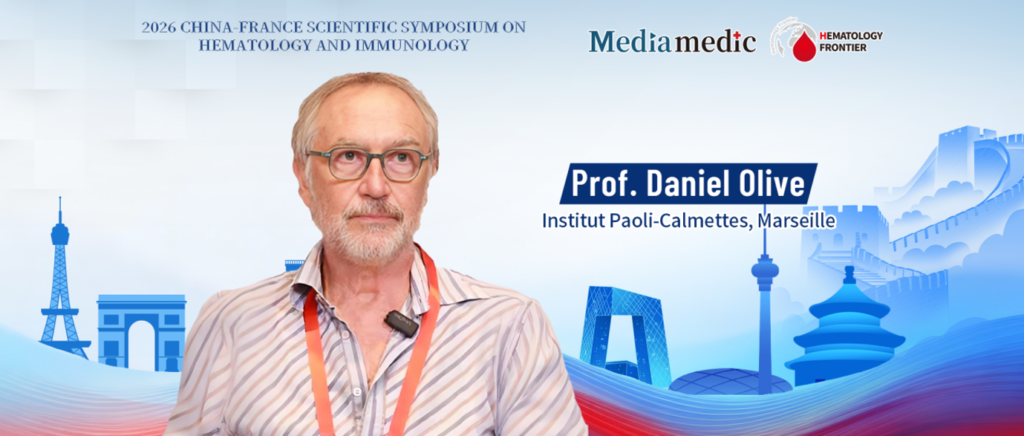
Professor Olive Daniel: From Basic Research to Clinical Treatment — Translational Pathways in Immune Regulation and Prospects for China-France Collaboration | 2026 China-France Scientific Symposium on Hematology and Immunology
As autumn arrives and the harvest season begins, China and France are joining hands to open a new chapter of collaboration. Hosted by the Chinese Medical Doctor Association and the Chinese Society for Immunology, and organized by the Hematology Physicians Branch of the Chinese Medical Doctor Association and the National Clinical Research Center for Hematologic Diseases–Institute of Hematology, Peking University, the 2026 China-France Scientific Symposium on Hematology and Immunology was held in Beijing from September 11 to 13, 2026. During the conference, Oncology Frontier – Hematology Frontier interviewed Professor Olive Daniel of the Institut Paoli-Calmettes in Marseille, who shared in-depth insights into the key pathways for translating immune-regulatory research from basic science to clinical application, the current status and challenges of translational medicine, and the complementary strengths and prospects for collaboration between China and France in hematology and immunology.
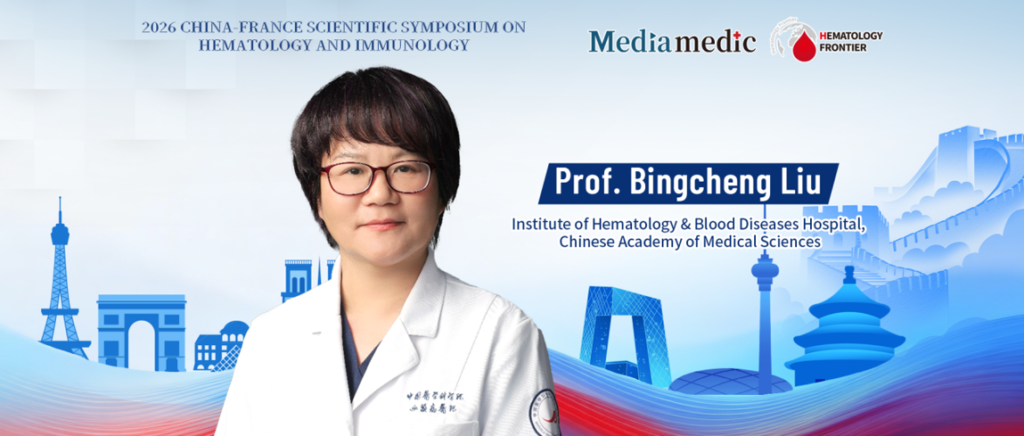
Professor Bingcheng Liu: Exploring B-ALL from Personalized Immunity to Precision Immunotherapy | 2026 China-France Scientific Symposium on Hematology and Immunology
The 2026 China-France Scientific Symposium on Hematology and Immunology was held in Beijing from September 11 to 13, 2026. Building on the longstanding tradition of China-France exchanges in hematology, this year's conference further expanded into the intersection of hematology and immunology, bringing together renowned experts in hematology and immunology from China and France to explore cutting-edge developments and exchange academic perspectives. On this occasion, Oncology Frontier – Hematology Frontier interviewed Professor Bingcheng Liu of the Institute of Hematology & Blood Diseases Hospital, Chinese Academy of Medical Sciences, who provided an in-depth analysis of the exploration of B-cell acute lymphoblastic leukemia (B-ALL) from personalized immunity to precision immunotherapy, including breakthrough advances in B-ALL immunotherapy, precision stratification strategies, and the optimal sequencing and integration of different immunotherapeutic approaches.