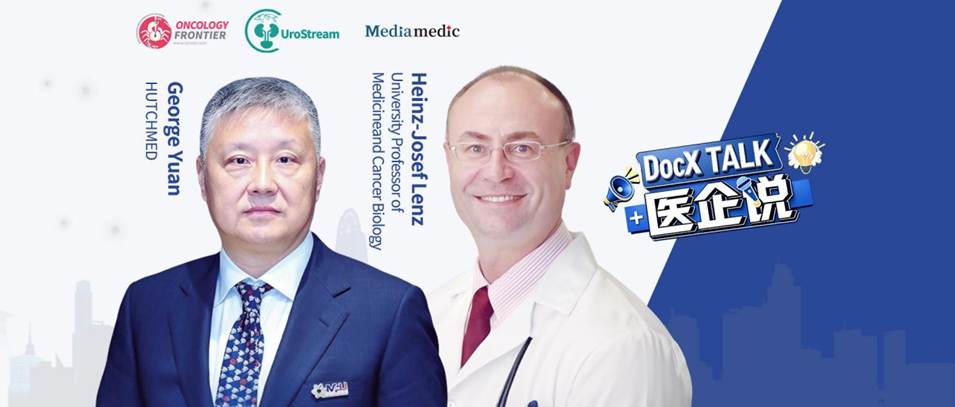
The 2026 Chinese Society of Clinical Oncology (CSCO) Annual Meeting showcased cutting-edge advances in oncology worldwide, with China's innovative drug development attracting particular attention. China has become an increasingly important force in global cancer research and treatment. During the meeting, Oncology Frontier invited Professor Heinz-Josef Lenz of USC Norris Comprehensive Cancer Center and Mr. George Yuan, Executive Vice President of HUTCHMED, to engage in an in-depth dialogue under the theme “Upholding Core Principles and Driving Innovation: Moving Forward Together.”The discussion explored the globalization of China’s innovative oncology drugs, including the policy opportunities arising from China’s 15th Five-Year Plan, the global development and commercialization of fruquintinib, innovation through the ATTC platform, and prospects for international collaboration. Professor Lenz spoke highly of the quality of clinical research and the innovation ecosystem in China, while Mr. Yuan outlined HUTCHMED’s internationalization strategy, emphasizing a long-term commitment, global development from the outset, and strategic partnerships. The dialogue reflects both the progress China’s innovative pharmaceutical industry has made in expanding internationally and its aspirations for future collaboration and mutual success. The key insights are presented below.
Upholding Core Principles: National Policy Lays a Strong Foundation for Innovative Drug Development
Oncology Frontier: China’s 15th Five-Year Plan for National Health Development calls for “full-chain support for the development and application of innovative drugs and medical devices.” In light of HUTCHMED’s global development strategy, how can these policy opportunities be translated into systematic competitiveness spanning research and development through to commercialization?
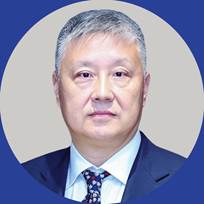
Mr. George Yuan
HUTCHMED
HUTCHMED is one of China’s leading biotechnology companies. Looking back on our development over the past 20 years, from our founding in Zhangjiang to the thriving company we are today, we have experienced firsthand the benefits of supportive government policies. The Chinese government has continuously adapted its policies to keep pace with developments, encouraging us to initiate clinical research as early as possible and supporting our efforts to expand globally.
Today, we have successfully brought three innovative drugs to market: fruquintinib, surufatinib, and fruquintinib’s fellow pipeline asset savolitinib?
We have also partnered with AstraZeneca to advance the global development of savolitinib and are preparing for the launch of sovleplenib. In terms of internationalization, our partnership with Takeda has enabled us to bring fruquintinib to 41 countries and regions, including the United States, Japan, South Korea, Europe, Australia, Mexico, and Canada, making it a truly global brand. These achievements would not have been possible without the support of national policies or the leadership and guidance of renowned experts in China and abroad, including Professor Jin Li, who played an important role in the FRESCO and FRESCO-2 studies supporting fruquintinib’s regulatory approval and commercialization.
We began our journey in Zhangjiang, Shanghai, with the vision of bringing innovation from China and products manufactured in China to patients worldwide.
Oncology Frontier: In recent years, China has made significant progress in accelerating clinical trial review and approval, while its clinical trial system has continued to mature. How would you assess the standards and data quality of clinical trials conducted in China in recent years? What impact has this had on the global landscape of drug development?
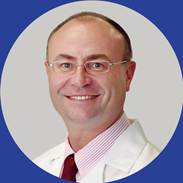
Professor Heinz-Josef Lenz
USC Norris Comprehensive Cancer Center
China’s clinical trial capabilities have advanced rapidly, with a strong emphasis on quality and cutting-edge research, bringing the country to the forefront of global clinical research. China’s pharmaceutical industry has achieved remarkable success in developing innovative drugs, bringing numerous new therapies to the oncology field and accelerating their expansion into international markets.
China’s large patient population provides a strong foundation for rapid clinical trial enrollment, helping innovative research conducted in China reach the international stage at an unprecedented pace. As is widely recognized, China has become a major force in the global development of new therapies for solid tumors, particularly in bringing forward many advanced antibody–drug conjugates (ADCs). HUTCHMED’s innovative drug development platform also has significant strengths in this area.
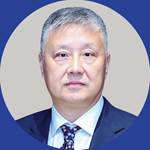
Professor Heinz-Josef Lenz
USC Norris Comprehensive Cancer Center
China’s clinical trial capabilities have advanced rapidly, with a strong emphasis on quality and cutting-edge research, bringing the country to the forefront of global clinical research. China’s pharmaceutical industry has achieved remarkable success in developing innovative drugs, bringing numerous new therapies to the oncology field and accelerating their expansion into international markets.
China’s large patient population provides a strong foundation for rapid clinical trial enrollment, helping innovative research conducted in China reach the international stage at an unprecedented pace. As is widely recognized, China has become a major force in the global development of new therapies for solid tumors, particularly in bringing forward many advanced antibody–drug conjugates (ADCs). HUTCHMED’s innovative drug development platform also has significant strengths in this area.
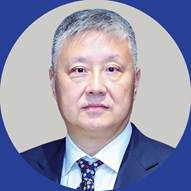
Mr. George Yuan
HUTCHMED
One of the key lessons we have learned from the global development of fruquintinib is that the globalization of innovative drugs requires early planning and coordinated development across markets. Fruquintinib is now recommended in international guidelines, including those of the National Comprehensive Cancer Network (NCCN) and the European Society for Medical Oncology (ESMO), and has earned recognition from experts both in China and internationally.
Looking ahead, we will place even greater emphasis on conducting clinical research in China and globally in parallel, actively advancing simultaneous domestic and international development so that innovation from China can benefit patients worldwide more quickly.
Oncology Frontier: As a globally recognized expert in colorectal cancer, how do you assess the clinical value of fruquintinib in colorectal cancer treatment? What directions would you recommend for its future development and investigation?
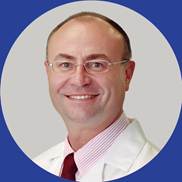
Professor Heinz-Josef Lenz
USC Norris Comprehensive Cancer Center
Despite the availability of numerous novel targeted therapies and immunotherapies, five-year survival rates in colorectal cancer remain relatively low, and substantial unmet clinical needs persist. The efficacy demonstrated by fruquintinib is exciting, and I believe that its future development will focus on combination strategies involving different treatment regimens. To my knowledge, Professor Yanhong Deng’s team is already exploring this area, and these efforts are highly promising.
Looking ahead, no single drug will be sufficient to transform the treatment landscape of colorectal cancer on its own. The next challenge will be to identify more effective and rational treatment combinations. We now have a wide range of therapeutic options, including bispecific antibodies and antibody–drug conjugates (ADCs). I believe HUTCHMED is also exploring how these agents can be combined to translate therapeutic potential into greater clinical benefit.
Driving Innovation: The ATTC Platform Opens New Possibilities for First-in-Class Drugs from China
Oncology Frontier: Against the backdrop of intensifying competition in the ADC field, HUTCHMED has introduced its ATTC platform. Could you explain the platform’s key features and development plans? More broadly, what barriers must innovative pharmaceutical companies in China overcome to transition from “follow-on innovation” to “innovation leadership”?
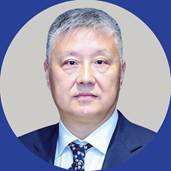
Mr. George Yuan
HUTCHMED
Building on HUTCHMED’s accumulated expertise in small-molecule drug development, we have launched the ATTC platform. Using proprietary linkers and payloads developed in-house, we have generated five drug candidates, three of which have had their mechanisms of action disclosed.
The first candidate, HMPL-A251, targets HER2 and carries a PI3K/PIKK inhibitor payload. The second, HMPL-A580, targets EGFR and also uses a PI3K/PIKK inhibitor payload. The third, HMPL-A830, targets EGFR and carries a pan-KRAS inhibitor payload. We have just entered into a global licensing agreement with GSK for HMPL-A830, accelerating its global development.
As our pipeline continues to expand, one of our key challenges is determining the appropriate positioning for drugs with different mechanisms of action and identifying the patient populations most likely to benefit from each candidate.
Global Phase I clinical trials of our first two candidates are now underway in China and the United States in parallel. Looking ahead, we hope to establish deeper collaborations with leading experts, including Professor Lenz, to investigate tumor biology, develop biomarkers, accurately identify patient populations most likely to benefit, and implement differentiated clinical development strategies. In doing so, we aim to shape the market based on stronger scientific evidence while addressing unmet clinical needs.
Oncology Frontier: Drawing on your extensive experience leading numerous international clinical trials of innovative drugs, what are the most important considerations for investigators developing novel therapies such as ATTC, which combines antibody-guided targeting with small-molecule payloads?

Professor Heinz-Josef Lenz
USC Norris Comprehensive Cancer Center
The emergence of the ATTC platform is exciting, but it also presents challenges. As a novel therapeutic approach, every component—including the target, linker, and payload—requires further validation. I fully agree with Mr. Yuan that significant challenges remain in selecting appropriate payloads and identifying patient populations most likely to benefit.
This is particularly important in colorectal cancer, where the tumor biology and treatment environment can differ substantially between first-line treatment and the setting of acquired resistance and relapse. These differences complicate the development of predictive and prognostic biomarkers and underscore the need for caution when selecting targets and payloads.
Colorectal cancer is widely recognized as one of the most heterogeneous tumor types. Even highly successful agents, such as BRAF and EGFR inhibitors, have achieved relatively limited progress when used as second-line treatments in certain settings. Interestingly, however, these agents can often demonstrate greater efficacy when combined with chemotherapy. In my view, emerging ADCs may face similar challenges. As we develop more novel agents and innovative combinations, conventional cytotoxic drugs may continue to play a foundational role in treatment strategies.
Oncology Frontier: From the perspective of global drug development, what should innovative pharmaceutical companies in China consider if they aim to achieve breakthroughs in first-in-class drug development and gain international recognition?

Professor Heinz-Josef Lenz
USC Norris Comprehensive Cancer Center
I believe China now has all the essential conditions needed to develop first-in-class drugs. The model of simultaneous development in China and globally that Mr. Yuan mentioned allows us to exchange expertise and experience in drug development at much earlier stages.
Based on my experience collaborating with the pharmaceutical industry, I believe researchers should become involved as early as Phase I, or even during preclinical development. Establishing an international advisory board to guide the selection of target patient populations for Phase I studies could increase the likelihood of success.
Today, China has an impressive network of outstanding research centers spanning basic science, translational medicine, and clinical research in colorectal cancer. This provides a strong foundation for major collaborative initiatives. China’s large patient population and extensive biobanks naturally create further opportunities for cooperation.
I believe science should be completely open, and China’s policy environment supports this principle. I do not see these scientific exchanges and collaborations as facing significant challenges or barriers.
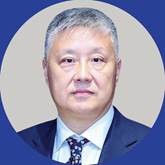
Mr. George Yuan
HUTCHMED
HUTCHMED is still a relatively young company, and we do not yet have extensive experience in global drug development. Therefore, we remain committed to scientific rigor, sound biological principles, and continuous learning, while placing strong emphasis on global partnerships.
Our strategy is to find global partners for all our drug candidates. By learning from leading experts and key opinion leaders around the world, we aim to ensure that our innovative drugs follow the right development pathways and ultimately reach the patients who are most likely to benefit.

Professor Heinz-Josef Lenz
USC Norris Comprehensive Cancer Center
I believe we often become constrained by our own past successes. We tend to analyze tumors primarily through genetic sequencing of tumor cells, unfortunately overlooking the tumor microenvironment and how different anticancer treatment combinations affect it.
In my view, one of the latest frontiers in drug development is identifying potential therapeutic targets within the tumor microenvironment and exploring treatment combinations directed at these targets. In this process, clinical observations can not only deepen our understanding of oncogenic signaling pathways but also prompt us to investigate the underlying mechanisms, challenge conventional thinking, and identify new druggable targets.
Win–Win Collaboration: Strengthening Two-Way Engagement Between China and the Global Community
Oncology Frontier: CSCO provides a platform for international collaboration. How do you view the unique value CSCO brings to academic and industry exchanges between China and other countries? What are your expectations for future multinational clinical trials involving innovative drugs developed in China?

Professor Heinz-Josef Lenz
USC Norris Comprehensive Cancer Center
International collaboration in innovative drug development involves both industry and academia. Industry brings us together, while academia helps us move forward collectively.
It is important to recognize that industry and academia approach drug development from different perspectives. Pharmaceutical companies need to see tangible economic returns from their investments, whereas academic research often aims to address unmet needs and fill gaps in scientific knowledge, even when the results may not meet industry’s commercial requirements. We therefore need to establish a shared understanding that enables both industry and academia to benefit from collaboration.
Today, industrial cooperation between China and the United States is already very close. I believe that if academic institutions can become more deeply involved, with support from platforms such as CSCO, they could facilitate more collaborative initiatives and create substantial value.
Oncology Frontier: Fruquintinib’s successful expansion into international markets has provided a model for the globalization of innovative drugs from China. In your view, what measures are needed to increase the likelihood of success for Chinese innovative drugs entering global markets in the future?
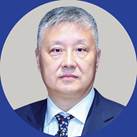
Mr. George Yuan
HUTCHMED
In my view, the key remains collaboration. We continue to seek partnerships with large multinational pharmaceutical companies that possess specialized expertise and extensive resources. Looking ahead, we hope to move beyond collaborations focused solely on individual drug candidates and establish longer-term, enduring strategic partnerships. Through these partnerships, we aim to complement one another’s strengths and make progress together in drug development, clinical research, and commercialization.