Predicting a 92% pCR: Preoperative Radiotherapy Acts as an “Immune Primer” for High-Risk TNBC in the TBCRC-053 Trial

Predicting a 92% pCR: Preoperative Radiotherapy Acts as an “Immune Primer” for High-Risk TNBC in the TBCRC-053 Trial

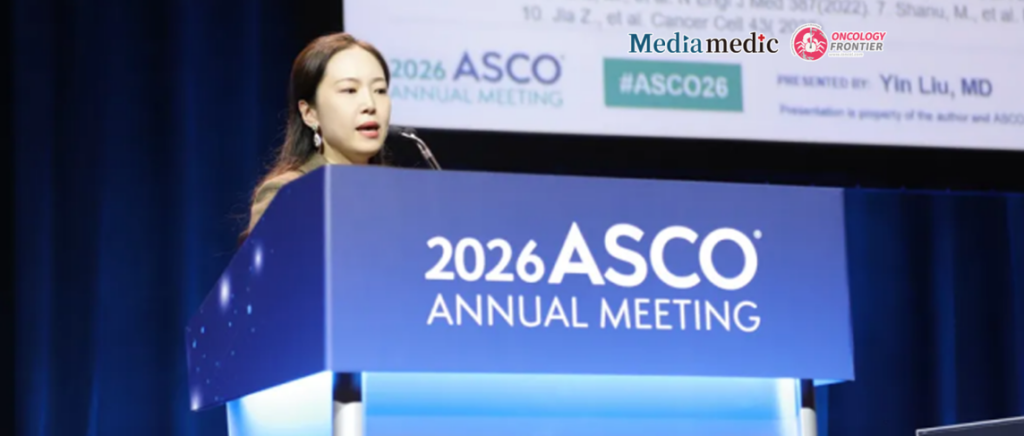
the field of breast cancer, Triple-Negative Breast Cancer (TNBC) has become a clinical challenge due to its high aggressiveness and lack of effective targets. Although the KEYNOTE-522 study established the standard status of Immune Checkpoint Inhibitors (ICI) combined with chemotherapy in perioperative TNBC, high-risk patients with lymph node-positive and T3/T4 stage disease still face a high risk of recurrence. Recently, Professor Alice Y. Ho from Duke University reported the latest results of the TBCRC-053 (P-RAD) study at an academic conference. This study explores the clinical value of preoperative radiotherapy as an "Immune Primer" combined with Pembrolizumab and chemotherapy in high-risk TNBC.
Breaking the Dilemma of Margins in Breast-Conserving Surgery: SHAVE Series Research Confirms CSM Significantly Reduces Re-excision Rates, but Long-term Survival Benefit Remains Dominated by Radiotherapy

Breaking the Dilemma of Margins in Breast-Conserving Surgery: SHAVE Series Research Confirms CSM Significantly Reduces Re-excision Rates, but Long-term Survival Benefit Remains Dominated by Radiotherapy

At the recent American Society of Clinical Oncology (ASCO) Annual Meeting, Professor Anees B. Chagpar, a Professor of Surgery at the Yale School of Medicine, delivered an important special report titled "Does resection of cavity shave margins impact survival in breast cancer patients?". Based on the famous SHAVE and SHAVE2 randomized controlled trials, the report explored the advantages of Cavity Shave Margins (CSM) in breast-conserving surgery (BCS) regarding the reduction of positive margin rates and re-excision rates. For the first time, it disclosed detailed long-term impacts on patients' 5-year local recurrence (LR) rates, disease-free survival (DFS), and overall survival (OS), providing key evidence-based support for treatment de-escalation and multi-modal synergy in the field of breast surgery.
Breaking Biomarker Barriers: ASCENT-03 Study Confirms Universal Advantage of Sacituzumab Govitecan in 1L TNBC

Breaking Biomarker Barriers: ASCENT-03 Study Confirms Universal Advantage of Sacituzumab Govitecan in 1L TNBC

Triple-negative breast cancer (TNBC) has always been a challenge in clinical treatment due to its high heterogeneity, high risk of recurrence, and poor prognosis. For patients with first-line (1L) advanced TNBC who are not eligible for immune checkpoint inhibitors (PD-1/L1 inhibitors), the benefits of traditional single-agent chemotherapy are limited. The emergence of antibody-drug conjugates (ADCs) has brought new hope to this population. As the world's first approved ADC targeting Trop-2, Sacituzumab Govitecan (SG) has already demonstrated significant advantages in advanced TNBC patients who failed multiple prior lines of therapy (ASCENT study). At a recent academic conference, Professor Carlos H. Barrios from the PUCRS School of Medicine in Porto Alegre, Brazil, presented the latest biomarker subgroup analysis from the ASCENT-03 study. This analysis deeply explored the differences in efficacy between SG and chemotherapy in the first-line setting across different Trop-2 expression levels, BRCA mutation statuses, and HER2 expression statuses. This article summarizes its core academic content to provide clinical physicians with a basis for decision-making in precision therapy.
A New Era Begins: World’s First Bispecific ADC Iza-bren Approved, Redefining Cancer Treatment and Delivering Early Benefits to Chinese Patients

A New Era Begins: World’s First Bispecific ADC Iza-bren Approved, Redefining Cancer Treatment and Delivering Early Benefits to Chinese Patients

In June 2026, China's National Medical Products Administration (NMPA) approved iza-bren (brand name: Yizekang®; generic name: Loncastuximab Eglonatamab), a first-in-class EGFR×HER3 bispecific antibody-drug conjugate (ADC) independently developed by Biokin Pharmaceutical. The approval is for the treatment of patients with relapsed or metastatic nasopharyngeal carcinoma (NPC) following prior therapy.
Towards a “Chemo-Sparing” Era: I-SPY 2.2 Study Explores the Precision Benefits of the Combination of Immune Bispecific Antibody and ADC in High-Risk HER2-Negative Breast Cancer

Towards a “Chemo-Sparing” Era: I-SPY 2.2 Study Explores the Precision Benefits of the Combination of Immune Bispecific Antibody and ADC in High-Risk HER2-Negative Breast Cancer

At the 2026 American Society of Clinical Oncology (ASCO) Annual Meeting, Professor Ciara Catherine O'Sullivan from Mayo Clinic, representing the I-SPY 2.2 collaborator group, announced the neoadjuvant treatment results of Rilvegostomig (an anti-PD-1/TIGIT bispecific antibody) combined with Trastuzumab Deruxtecan (T-DXd) for early-stage high-risk HER2-negative breast cancer. Based on innovative Response Predictive Subtypes (RPS), the study aims to improve the pathological complete response (pCR) rate through precise drug combinations and explore the possibility of reducing traditional cytotoxic chemotherapy.
rwPFS Reaches 10.5 Months! PALMARES-2 Study Confirms Survival Benefit of Continuous Treatment Beyond Progression Following First-Line ET+CDK4/6i

rwPFS Reaches 10.5 Months! PALMARES-2 Study Confirms Survival Benefit of Continuous Treatment Beyond Progression Following First-Line ET+CDK4/6i

At a recent international academic conference on breast cancer, Professor Claudio Vernieri from the University of Milan and the Fondazione IRCCS Istituto Nazionale dei Tumori shared the latest results of the multicenter, real-world study PALMARES-2. The study focuses on patients with hormone receptor-positive/human epidermal growth factor receptor 2-negative (HR+/HER2-) advanced breast cancer (ABC). It explores the clinical benefits and patient characteristics associated with continuing the original treatment regimen ("Treatment Beyond Progression," TBP) after experiencing disease progression (PD) on first-line endocrine therapy (ET) combined with a CDK4/6 inhibitor (CDK4/6i), providing an important reference for the TBP strategy in clinical practice.
Moving from Relapsed/Refractory to Early Treatment: Professor Cyrille Touzeau Interprets the EMN34 Study, Elranatamab Opens a New Chapter in Precision Intervention for HR SMM

Moving from Relapsed/Refractory to Early Treatment: Professor Cyrille Touzeau Interprets the EMN34 Study, Elranatamab Opens a New Chapter in Precision Intervention for HR SMM

In the evolution of treatment for Multiple Myeloma (MM), moving highly effective therapies forward to the early stages of the disease has become a current research hotspot. For patients with High-Risk Smoldering Multiple Myeloma (HR SMM), whether early active intervention can delay or even prevent its transformation into active myeloma is a focus of clinical attention. At a recent international academic conference, Professor Cyrille Touzeau from the University Hospital of Nantes in France shared the preliminary results of the ERASMM (EMN34) study. This study aimed to evaluate the safety and efficacy of the BCMA×CD3 bispecific antibody Elranatamab in patients with HR SMM. This journal has specially compiled the highlights of the conference for our readers.
Breaking the Deadlock with “Synthetic Lethality” Targeting MTAP Deficiency: AZD3470 Achieves 58% ORR in Multi-line Drug-Resistant Hodgkin Lymphoma

Breaking the Deadlock with “Synthetic Lethality” Targeting MTAP Deficiency: AZD3470 Achieves 58% ORR in Multi-line Drug-Resistant Hodgkin Lymphoma

In the field of relapsed/refractory classical Hodgkin lymphoma (R/R cHL), although the application of immune checkpoint inhibitors (such as anti-PD-1) and antibody-drug conjugates (such as Brentuximab Vedotin, BV) has significantly improved patient prognosis, clinical challenges remain severe for patients who fail multiple lines of therapy. Recently, at an international academic conference, Professor Enrico Derenzini, on behalf of the PRIMAVERA research team, shared the Phase I study results of the PRMT5 inhibitor AZD3470 in patients with R/R cHL. This journal has summarized the key points of the meeting to provide a deep analysis of this innovative therapy targeting MTAP deficiency and utilizing the "synthetic lethality" mechanism, representing a latest breakthrough in the field of hematologic malignancies.
Shifting from Passive to Proactive: Final PFS2 Data from the SERENA-6 Study Released; Camizestrant Switch Therapy Significantly Extends Survival Benefits for ESR1-Mutant Patients

Shifting from Passive to Proactive: Final PFS2 Data from the SERENA-6 Study Released; Camizestrant Switch Therapy Significantly Extends Survival Benefits for ESR1-Mutant Patients

At a recent international oncology symposium, Professor François-Clément Bidard from Institut Curie shared the updated results from the third data cut-off (DCO3) of the Phase III SERENA-6 study. The study focuses on patients with HR+/HER2- advanced breast cancer (ABC). During first-line treatment with an aromatase inhibitor (AI) combined with a CDK4/6 inhibitor (CDK4/6i), once a new-onset ESR1 mutation is detected via circulating tumor DNA (ctDNA) monitoring, the AI is immediately switched to Camizestrant, a novel oral selective estrogen receptor degrader (SERD), to assess clinical benefit. This report highlights key secondary endpoints—the final progression-free survival 2 (PFS2) and core data such as ctDNA kinetics analysis.
25% Risk Reduction and First-line Intensification: frontMIND Study Opens a New Chapter for the “anti-CD19 + Lenalidomide” Combination in Previously Untreated DLBCL

25% Risk Reduction and First-line Intensification: frontMIND Study Opens a New Chapter for the “anti-CD19 + Lenalidomide” Combination in Previously Untreated DLBCL

Diffuse Large B-Cell Lymphoma (DLBCL) is the most common subtype of Non-Hodgkin Lymphoma (NHL). Although the R-CHOP regimen has established its position as the cornerstone of first-line treatment, approximately 40% of high-risk patients still face the dilemma of refractory or relapsed disease. At a recent academic conference, Professor Georg Lenz from University Hospital Münster, Germany, on behalf of the research team, released the latest data from the frontMIND study (NCT04824092), exploring the clinical benefits of the anti-CD19 monoclonal antibody Tafasitamab (Tafa) combined with Lenalidomide (Len) and the R-CHOP regimen in patients with previously untreated high-risk DLBCL.