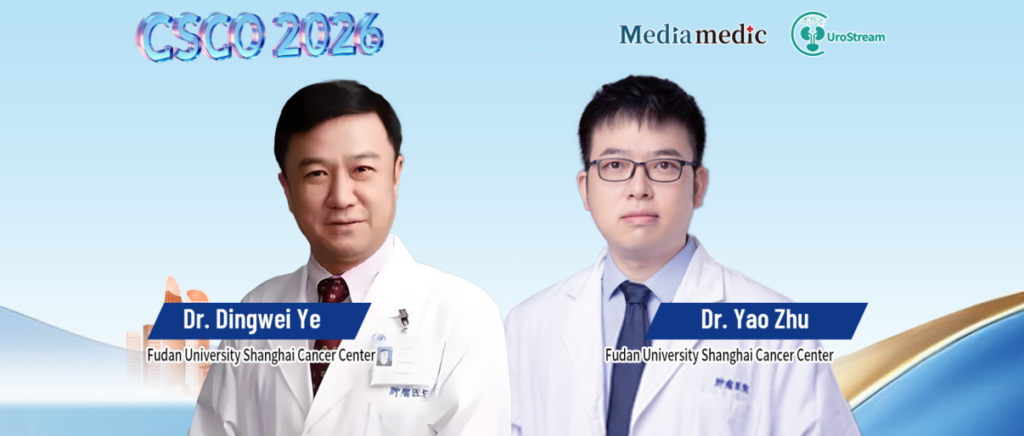
Editor's Note: In recent years, treatment for urothelial carcinoma has advanced rapidly, with combination therapy involving targeted agents and immunotherapy significantly improving survival outcomes in patients with advanced disease. The CSCO Guidelines for the Diagnosis and Treatment of Urothelial Carcinoma have continued to incorporate emerging evidence, further enriching the standardized treatment framework. However, for most patients whose disease progresses following platinum-based chemotherapy and immunotherapy, subsequent treatment options remain extremely limited. Developing effective treatment strategies for patients receiving second-line and later-line therapy remains a major unmet need and a key clinical challenge in advanced urothelial carcinoma.At the 2026 CSCO Annual Meeting, several major studies were presented. Among them, sacituzumab tirumotecan, a China-developed TROP2 antibody-drug conjugate (ADC), demonstrated favorable and durable survival benefits in patients with advanced urothelial carcinoma previously treated with multiple lines of therapy, achieving an ORR of nearly 30% and a median OS exceeding one year. These findings offer a new treatment option for this challenging population. Oncology Frontier – UroStream invited Professor Dingwei Ye and Professor Yao Zhu of Fudan University Shanghai Cancer Center to provide an in-depth analysis of the clinical challenges in advanced urothelial carcinoma, discuss the key efficacy data, differentiated advantages, and clinical prospects of sacituzumab tirumotecan, and share their team’s clinical experience, academic insights, and future perspectives on the development of uro-oncology.
Addressing the Challenges of Second-Line and Later-Line Treatment: Unmet Needs in Advanced Urothelial Carcinoma
Oncology Frontier – UroStream: Treatment of advanced urothelial carcinoma has long posed a major clinical challenge. Although ADCs combined with immunotherapy have demonstrated significant survival benefits and improved outcomes in advanced urothelial carcinoma in recent years, treatment options remain limited after progression on platinum-based chemotherapy or immunotherapy, and there is no established standard second-line treatment for advanced disease. Could you discuss the unmet clinical needs in second-line treatment of advanced urothelial carcinoma?
Professor Dingwei Ye: In recent years, first-line treatment with ADCs combined with immunotherapy has demonstrated significant survival benefits and reshaped the treatment landscape of advanced urothelial carcinoma. However, the clinical reality is that many patients experience disease progression following first-line treatment, and standard second-line options remain limited. The objective response rates and survival benefits of existing treatments often fall short of expectations. Furthermore, different drugs have distinct toxicity profiles, creating an urgent need for treatments that balance efficacy and safety and can be tolerated over the long term.
Overall, high-quality evidence remains relatively limited regarding key issues such as the optimal treatment sequence following progression on first-line therapy for advanced urothelial carcinoma and the appropriate timing for initiating later-line treatment.
We look forward to more prospective studies exploring innovative drug combinations, optimizing treatment sequencing, and establishing standardized diagnostic and treatment pathways for second-line and later-line settings, thereby further improving survival outcomes for these patients.
A China-Developed TROP2 ADC Delivers: A New Treatment Option for Previously Treated Advanced Urothelial Carcinoma
Oncology Frontier – UroStream: At the urothelial carcinoma session of this year’s CSCO Annual Meeting, an oral presentation was delivered on a Phase II study of sacituzumab tirumotecan, a China-developed TROP2-targeted ADC, in locally advanced or metastatic urothelial carcinoma. The study enrolled patients whose disease had progressed following at least one prior line of platinum-based chemotherapy or anti-PD-1/PD-L1 therapy. Could you discuss the rationale behind the study design and its key highlights?
Professor Yao Zhu: This study primarily focused on patients with locally advanced or metastatic urothelial carcinoma whose disease had progressed following platinum-based chemotherapy or immunotherapy. These patients have an extremely poor overall prognosis, with more than half surviving for less than one year. Treatment options in the second-line and later-line settings are scarce, tumor burden is high, and quality of life is often poor. This is a particularly challenging population with an urgent need for new treatment options.
TROP2 is an emerging therapeutic target with considerable potential in uro-oncology and is highly expressed in more than 80% of urothelial carcinomas, providing a strong molecular basis for targeted therapy.
As an innovative domestically developed TROP2 ADC, sacituzumab tirumotecan has already demonstrated promising potential in several tumor types, including lung and breast cancer. Unlike conventional MMAE-based ADCs, this drug employs a unique dual-function linker to deliver a novel belotecan-derived topoisomerase I inhibitor payload to tumor cells with high efficiency. It combines precise targeting, potent cytotoxic activity, and a differentiated toxicity profile, offering a new mechanistic approach to overcoming treatment resistance.
Based on the clear clinical unmet need and the drug’s distinctive mechanism of action, we conducted this Phase II clinical study, which was selected for an oral presentation at this year’s CSCO Annual Meeting.
The study has several key highlights.
First, the enrolled population closely reflects real-world clinical practice in China. The study enrolled 166 patients with locally advanced or metastatic urothelial carcinoma whose disease had progressed following platinum-based chemotherapy and immunotherapy. Nearly 80% had an ECOG performance status of 1, more than 80% had previously received at least two lines of systemic therapy, and approximately 40% had three or more metastatic lesions. The population had a high overall tumor burden and substantial treatment challenges, closely reflecting the characteristics of patients with difficult-to-treat disease and making the evidence highly relevant to clinical practice in China.
Second, the study explored two doses, 4 mg/kg and 5 mg/kg, providing a solid basis for clinical dose selection.
Third, TROP2 expression does not restrict clinical use, and immunohistochemical screening is not required, potentially broadening applicability. In addition to evaluating efficacy, the study prospectively explored the relationship between TROP2 expression levels and treatment outcomes.
The results showed that patients benefited significantly from sacituzumab tirumotecan regardless of whether their TROP2 expression was high or low. This means that patient selection for sacituzumab tirumotecan does not need to rely on immunohistochemical testing, potentially lowering barriers to treatment and allowing more patients to benefit.
Oncology Frontier – UroStream: The findings from the sacituzumab tirumotecan study were previously published in the leading international journal Annals of Oncology, offering a new treatment option for patients with advanced urothelial carcinoma. Updated results were presented at this year’s CSCO Annual Meeting. How do you view the potential clinical value of sacituzumab tirumotecan monotherapy in second-line treatment of advanced urothelial carcinoma?
Professor Yao Zhu: Our center is conducting several studies related to sacituzumab tirumotecan, and we are very optimistic about its potential in urothelial carcinoma.
In 2025, preliminary efficacy and safety data for sacituzumab tirumotecan monotherapy in previously treated advanced urothelial carcinoma were published in Annals of Oncology. At the 2026 CSCO Annual Meeting, we reported more mature data with longer follow-up.
Based on the follow-up results, the median follow-up in the 4 mg/kg cohort has exceeded one year, while follow-up in the 5 mg/kg cohort has reached 12.1 months. A substantial proportion of patients are still receiving treatment. These findings not only suggest that the drug can deliver durable disease responses but also further confirm that its safety profile remains favorable and manageable in patients with advanced, difficult-to-treat disease.
The efficacy data are also encouraging.
In the 4 mg/kg cohort, the ORR was 29.9% and the DCR was 70.1%. Median DoR was 11.3 months, median PFS was 5.4 months, and median OS reached 12.3 months. In the 5 mg/kg cohort, the ORR was 32.7% and the DCR was 69.4%. Median DoR was extended to 17 months, median PFS was 5.5 months, and median OS reached 12.1 months.
For patients with difficult-to-treat urothelial carcinoma characterized by multiple lines of treatment resistance and a high tumor burden, these results represent meaningful survival benefits.
For patients who have developed resistance to prior MMAE-based ADCs, sacituzumab tirumotecan may offer a new approach to overcoming conventional ADC resistance by switching both the target and the payload. On the one hand, patients who have developed resistance to MMAE-based ADCs due to loss of the original target may still benefit from TROP2-targeted therapy. On the other hand, sacituzumab tirumotecan uses a novel belotecan-derived topoisomerase I inhibitor payload, which has a different mechanism of action from the microtubule inhibitor payloads used in MMAE-based ADCs. This may help circumvent payload efflux resistance associated with the upregulation of ATP-binding cassette transporters.
Therefore, patients with difficult-to-treat advanced urothelial carcinoma who have developed resistance to platinum-based chemotherapy, immunotherapy, or MMAE-based ADCs may all potentially benefit from this treatment, offering a new approach to addressing the lack of standard later-line options.
The global Phase III TroFuse-031 study of sacituzumab tirumotecan in urothelial carcinoma is also progressing steadily. Its results may further clarify the drug’s role in the treatment of advanced urothelial carcinoma and ultimately provide meaningful benefits for patients.
Oncology Frontier – UroStream: As an innovative TROP2 ADC developed in China, sacituzumab tirumotecan has achieved encouraging efficacy in a study of patients with advanced urothelial carcinoma previously treated with platinum-based chemotherapy or immune checkpoint inhibitors, with an ORR of nearly 30% and median OS exceeding one year. What value and impact do you believe this study will have on clinical practice in advanced urothelial carcinoma?
Professor Dingwei Ye: This study enrolled patients with advanced urothelial carcinoma whose disease had progressed following chemotherapy and immunotherapy. These patients have limited later-line treatment options and a poor overall prognosis. Against this background, the study achieved an ORR of nearly 30%, disease control in more than 70% of patients, and median OS exceeding one year, demonstrating considerable clinical value.
In particular, the 17-month DoR in the 5 mg/kg cohort means that once a tumor responds, patients may be able to achieve long-term disease control and continue to benefit from treatment.
The safety profile was consistent with what was previously known, with no new safety signals observed. The most common grade 3 or 4 treatment-related adverse events (TRAEs) were anemia, decreased neutrophil count, decreased white blood cell count, stomatitis, and decreased platelet count. No treatment-related deaths occurred.
The value of this study for clinical practice in China can be summarized in three areas.
First, it helps address the gap in second-line and later-line treatment for advanced urothelial carcinoma, offering a new option with survival benefits and favorable tolerability and safety for patients with multiple lines of treatment resistance and difficult-to-treat disease.
Second, as an innovative ADC developed in China, its efficacy is comparable to that of internationally available TROP2 ADCs, while offering advantages in accessibility and treatment costs, making it more suitable for clinical practice in China.
Third, it provides high-quality clinical evidence to guide ADC sequencing, combination strategies, and comprehensive treatment management, helping standardize and personalize later-line treatment for urothelial carcinoma in China.
As real-world evidence continues to accumulate, this treatment is expected to benefit an increasing number of patients with advanced urothelial carcinoma in China.
From Later Lines to Earlier Treatment: Sacituzumab Tirumotecan and the Future of Urothelial Carcinoma Therapy
Oncology Frontier – UroStream: Following encouraging results from earlier clinical studies, a global Phase III study of sacituzumab tirumotecan in advanced urothelial carcinoma is underway, continuing to explore the value of TROP2 ADCs. What prospects do you see for sacituzumab tirumotecan in advanced urothelial carcinoma, and what clinical research directions warrant further exploration?
Professor Dingwei Ye: The prospects for sacituzumab tirumotecan in advanced urothelial carcinoma are promising. Clinical development is progressively moving from later-line treatment toward earlier lines, with the potential to establish a treatment strategy spanning the entire disease course of urothelial carcinoma.
A Phase II study presented at this year’s ASCO GU meeting showed that sacituzumab tirumotecan combined with pembrolizumab as first-line treatment for cisplatin-ineligible patients with advanced urothelial carcinoma achieved an ORR of 68%, median PFS of 11.2 months, and median DoR of 19.4 months, demonstrating the substantial potential of this combination in the first-line setting.
In addition, the KEYMAKER-U04-04C study is exploring an intensified triplet regimen combining sacituzumab tirumotecan, enfortumab vedotin, and pembrolizumab for advanced urothelial carcinoma, further expanding the scope of combination therapy.
It is also worth highlighting the TroFuse-027 study, which is innovatively investigating intravesical administration of sacituzumab tirumotecan for intermediate-risk non-muscle-invasive bladder cancer (NMIBC). This approach may offer a new treatment strategy for patients with early-stage disease.
Sacituzumab tirumotecan is becoming an important component of a diversified and precision-oriented treatment framework for urothelial carcinoma.
Professor Yao Zhu: ADCs are continuing to reshape the treatment landscape of uro-oncology, achieving breakthroughs across multiple settings. In the future, they may gradually replace conventional chemotherapy and become foundational treatment options.
Future innovation in urothelial carcinoma will primarily focus on two directions.
First, continued optimization of targets, linkers, and payloads. We aim to iteratively improve domestically developed ADCs to enhance efficacy, reduce toxicity, and fully realize their therapeutic potential. Optimizing treatment sequencing with ADCs will also help provide patients with more effective clinical strategies.
Second, moving beyond the ADC monotherapy model. ADCs have considerable potential to serve as drug delivery platforms. Building on this foundation, we can explore innovative strategies involving dual targets, multiple payloads, and combinations with different therapeutic modalities.
At the same time, drug development remains centered on two fundamental goals: helping patients “live longer and live better.”
With its distinctive topoisomerase I inhibitor payload, sacituzumab tirumotecan has a differentiated toxicity profile compared with MMAE-based ADCs. Peripheral neuropathy, a common concern with the latter, is not a major safety concern with this drug. This may offer a potential advantage in treatment settings that require prolonged, continuous therapy.
Against this background, moving treatment to earlier stages of disease and pursuing organ-preserving strategies have become important areas of exploration in urothelial carcinoma. If perioperative treatment can achieve deep responses, it may create opportunities for bladder-preserving treatment, improving quality of life while maintaining survival benefits.
Building on CSCO and Advancing Domestic Innovation: Showcasing China’s Strength in Uro-Oncology
Oncology Frontier – UroStream: The uro-oncology team at Fudan University Shanghai Cancer Center, under your leadership, has grown alongside CSCO and has become an indispensable part of China’s uro-oncology community, contributing innovative advances to the development of the field in China and its growing international presence. Could you discuss the future directions for research and development in uro-oncology in China?
Professor Dingwei Ye: The Department of Urology at Fudan University Shanghai Cancer Center has accumulated years of experience and established a tiered treatment system encompassing “early screening, precision surgery, multidisciplinary team (MDT) comprehensive treatment, and clinical research.”
This also reflects the development of CSCO and uro-oncology in China. We have increased the early diagnosis rate of prostate cancer to 68%, maintained urinary continence recovery rates above 97% in patients with early-stage prostate cancer, and achieved 5-year survival rates of 82.6% for prostate cancer, 77.1% for kidney cancer, and 74% for bladder cancer, comparable to those of leading international cancer centers.
Looking ahead, the future directions for uro-oncology in China are becoming increasingly clear.
1. Expanding guideline implementation and reducing regional disparities in diagnosis and treatment. Through the CSCO platform, we will continue to promote the dissemination and implementation of uro-oncology guidelines, extending precision screening, standardized MDT-based comprehensive care, and standardized full-course management to medical institutions in central and western China and primary-level healthcare settings, thereby narrowing regional disparities in diagnosis and treatment.
2. Exploring novel treatment strategies to improve outcomes in uro-oncology. In urothelial carcinoma, we will actively explore combinations of targeted therapy and immunotherapy, earlier integration of perioperative treatment, and organ- and function-preserving approaches. In prostate cancer, we will investigate novel treatment modalities such as ^177Lu-PSMA radioligand therapy and AKT inhibitors, focusing on unmet needs such as mCRPC following failure of novel endocrine therapy, with the aim of providing more effective and accessible treatment options for patients with advanced uro-oncologic malignancies.
3. Accelerating the clinical translation of homegrown innovation and developing Chinese solutions with global influence. We will focus on the disease characteristics of Chinese patients, accelerate the clinical development and translation of innovative drugs such as domestically developed ADCs, and promote the implementation of high-quality clinical research. By supporting drug approvals with robust clinical data, we aim to ensure that “new drugs from China, research from China, and treatment solutions from China” benefit patients as early as possible. At the same time, we will deepen international multicenter collaboration and enhance China’s international influence in uro-oncology.
Oncology Frontier – UroStream: What do you consider the most noteworthy breakthrough in urothelial carcinoma presented at this year’s CSCO Annual Meeting? Which future research directions are most likely to reshape clinical practice?
Professor Yao Zhu: Every year when I attend the CSCO Annual Meeting, I am deeply impressed by how domestic researchers and independently developed innovative drugs have come to occupy a substantial share of the urothelial carcinoma session, standing alongside internationally leading therapies.
With the rise of innovative drugs developed in China and the continuous generation of high-quality clinical data, we are gradually translating “data from China” into “international breakthroughs” that can influence global treatment guidelines.
The study of sacituzumab tirumotecan in advanced urothelial carcinoma reaching the international stage represents far more than the global expansion of a single drug. It reflects the growing international recognition of China’s clinical practice, research experience, and innovative study design.
Looking ahead, our aspirations extend well beyond individual studies that address specific clinical challenges. What is even more promising is the prospect that clinical research in China will continue to explore cutting-edge directions and, through rigorous clinical validation, help reshape global treatment guidelines.
This transformation—from following international advances to running alongside and eventually leading them—has also enabled CSCO to move beyond the boundaries of a domestic academic conference and gradually develop into a high-level international academic platform with substantial global influence, continuously demonstrating China’s innovative strength and academic contribution to uro-oncology.
Professor Dingwei Ye
Professor Yao Zhu