-
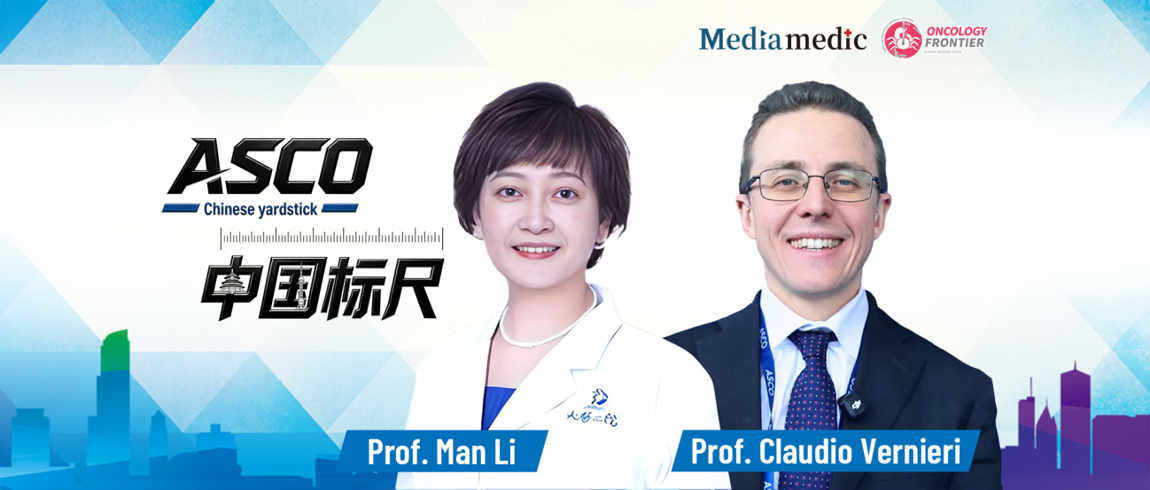
ASCO China Voice | Professors Claudio Vernieri & Man Li: PALMARES-2 Highlights the Potential of CDK4/6 Inhibitor Beyond Progression and Combined Local Therapy
At the 2026 ASCO Annual Meeting, Professor Claudio Vernieri from the Fondazione IRCCS Istituto Nazionale dei Tumori (Italy) presented the key findings of the PALMARES-2 study. Among patients with HR+/HER2− metastatic breast cancer, only about 20% continued first-line endocrine therapy (ET) plus a CDK4/6 inhibitor beyond first progression, achieving a median real-world progression-free survival (rwPFS)…
-
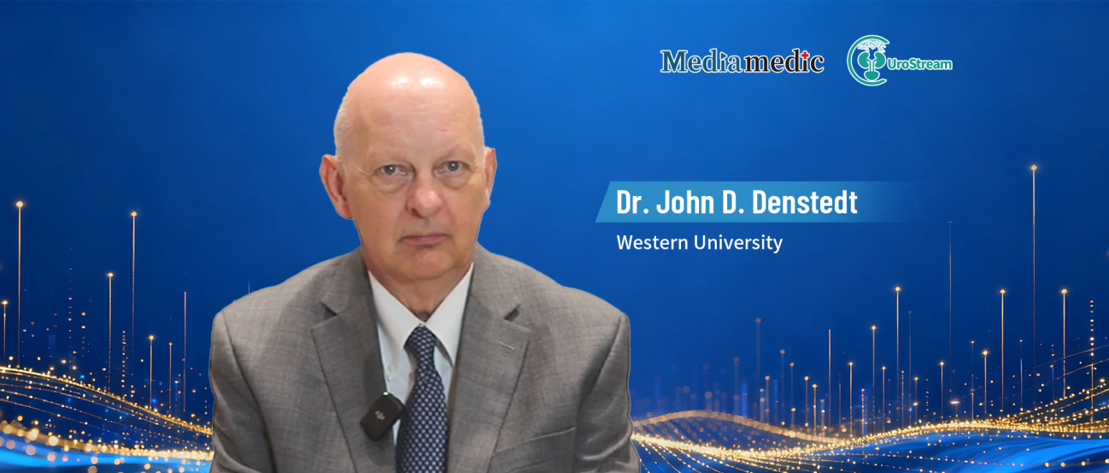
Rethinking the Limits of Flexible Ureteroscopy — An Interview with Prof. John D. Denstedt
As the prevalence of kidney stones continues to rise and complex stone disease becomes increasingly common, there is growing demand for minimally invasive, effective, and safe treatment strategies. Flexible ureteroscopy has become a cornerstone of upper urinary tract stone management; however, its role in treating large stone burdens, infection-related stones, and anatomically complex cases remains…
-
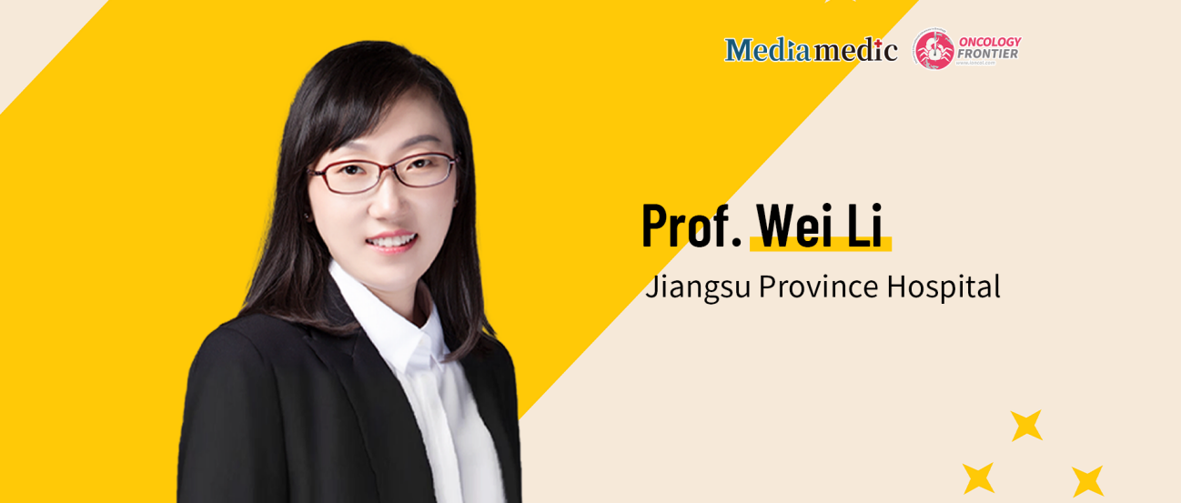
Samsung Breast Cancer Forum | Wei Li: Building Patient-Centered Breast Centers Through Integrated Care
The Samsung Breast Cancer Forum, a national meeting bringing together young breast cancer specialists from China’s four leading academic breast cancer organizations, was recently held in Zhengzhou. The meeting focused on advances in precision oncology, multidisciplinary collaboration, and the development of the next generation of breast cancer specialists.
-
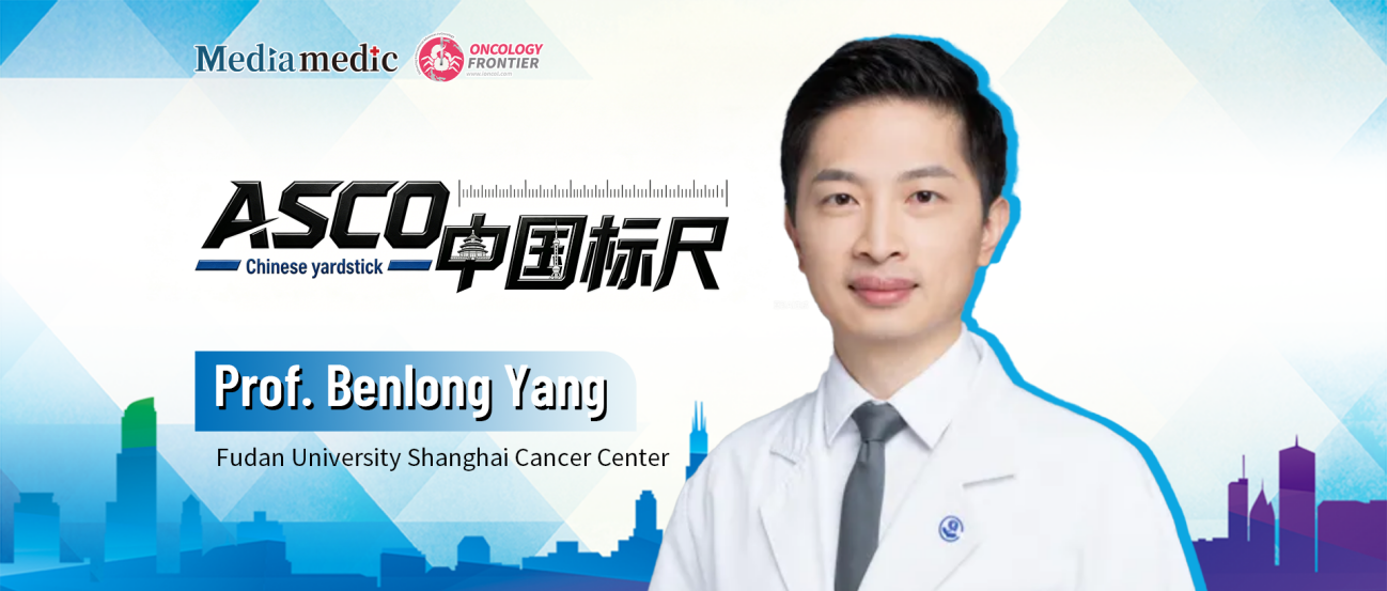
Samsung Breast Cancer Forum | Benlong Yang: Building on Clinical Practice, Embracing Innovation, and Empowering the Next Generation of Breast Cancer Specialists
The Samsung Breast Cancer Forum, a national meeting bringing together young breast cancer specialists from China’s four leading academic breast cancer organizations, was recently held in Zhengzhou. The conference featured a comprehensive scientific program focused on advances in precision breast cancer care, multidisciplinary collaboration, and the development of future clinical leaders.
-
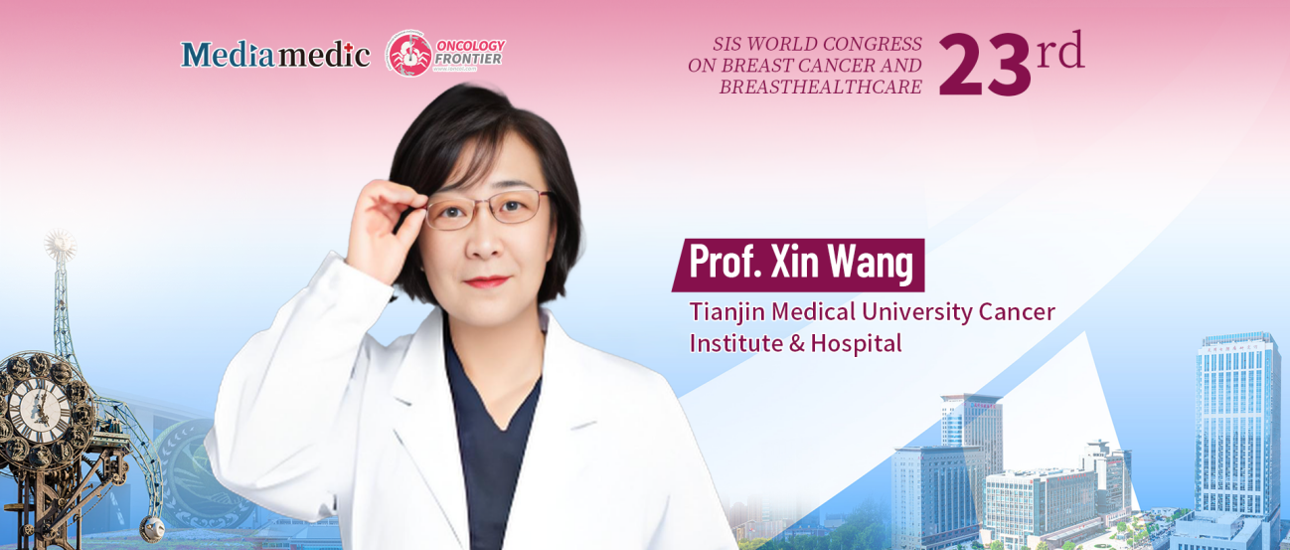
23rd World Congress on Breast Healthcare | Xin Wang: Advancing Microsurgery to Improve the Quality of Breast Cancer Care
Breast cancer remains the most commonly diagnosed malignancy among women worldwide. With advances in early detection and multidisciplinary treatment, five-year survival rates have improved significantly. At the same time, increasing numbers of patients are seeking better postoperative quality of life and breast reconstruction options.
-
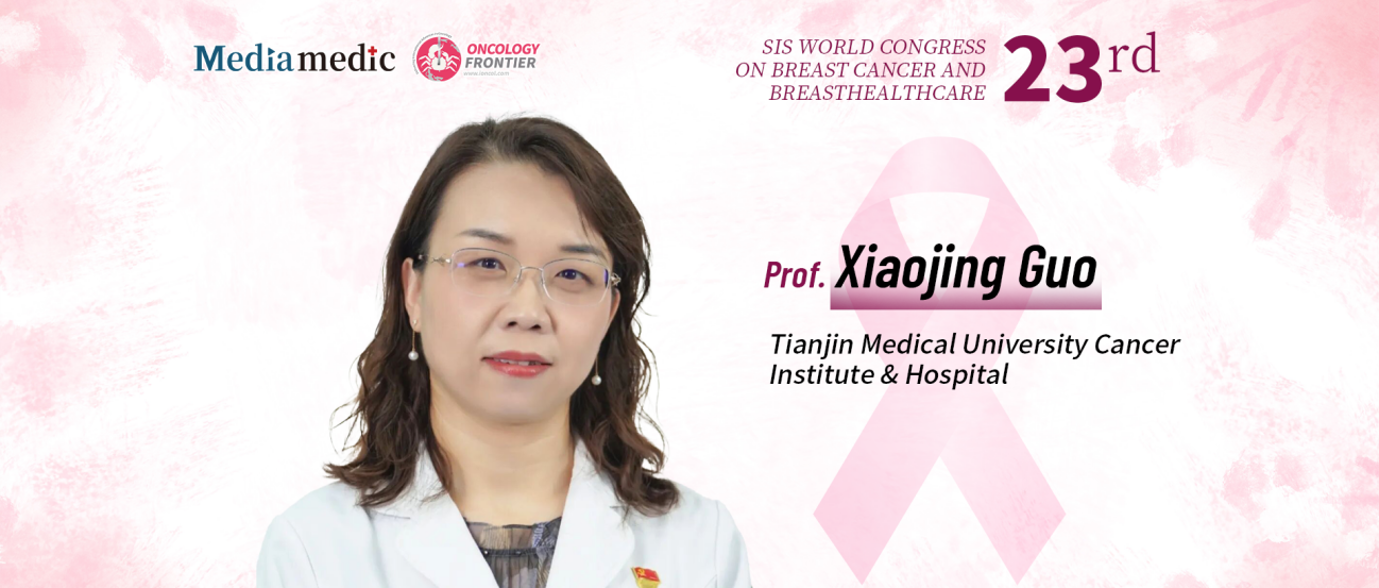
23rd World Congress on Breast Healthcare | Xiaojing Guo: Digital Pathology and AI Are Advancing Precision Breast Cancer Care While China’s Experience Helps Shape Global Standards
Breast cancer is the most commonly diagnosed malignancy among women worldwide, and its management has fully entered the era of precision medicine driven by molecular subtyping. Compared with Western populations, Chinese patients tend to develop breast cancer at a younger age and often present with higher-risk disease. Combined with China’s large patient population, these characteristics…
-
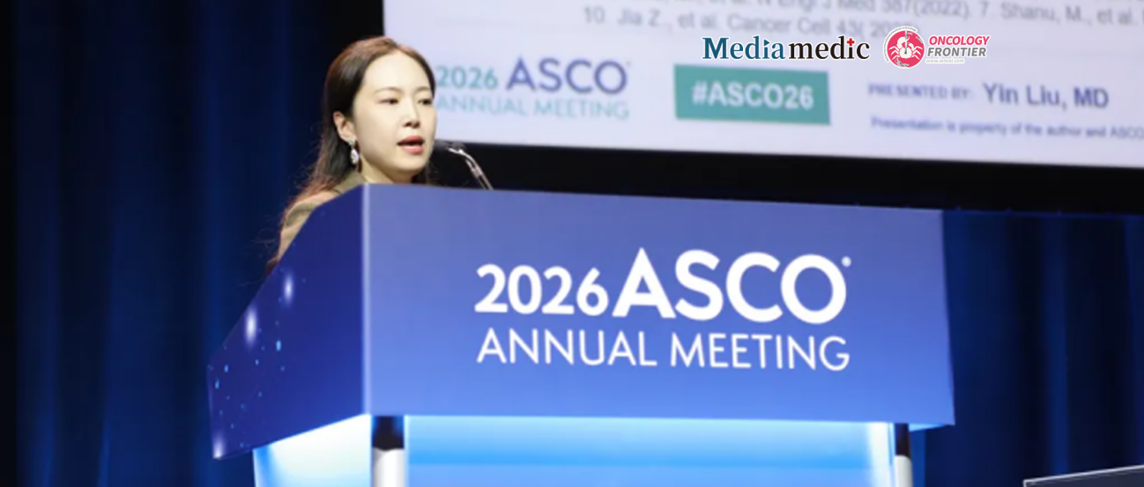
ASCO China Voice | Zhimin Shao, Zhonghua Wang, and Yin Liu: FUTURE2.0 Study Highlights Novel Combination Strategy for BLIS Triple-Negative Breast Cancer
Triple-negative breast cancer (TNBC) remains one of the most aggressive breast cancer subtypes due to the absence of estrogen receptor (ER), progesterone receptor (PR), and HER2 expression, leaving patients without effective endocrine or anti-HER2 targeted therapies. Among its molecular subtypes, basal-like immune-suppressed (BLIS) TNBC is particularly challenging because of its highly invasive biology, immunosuppressive tumor…
-
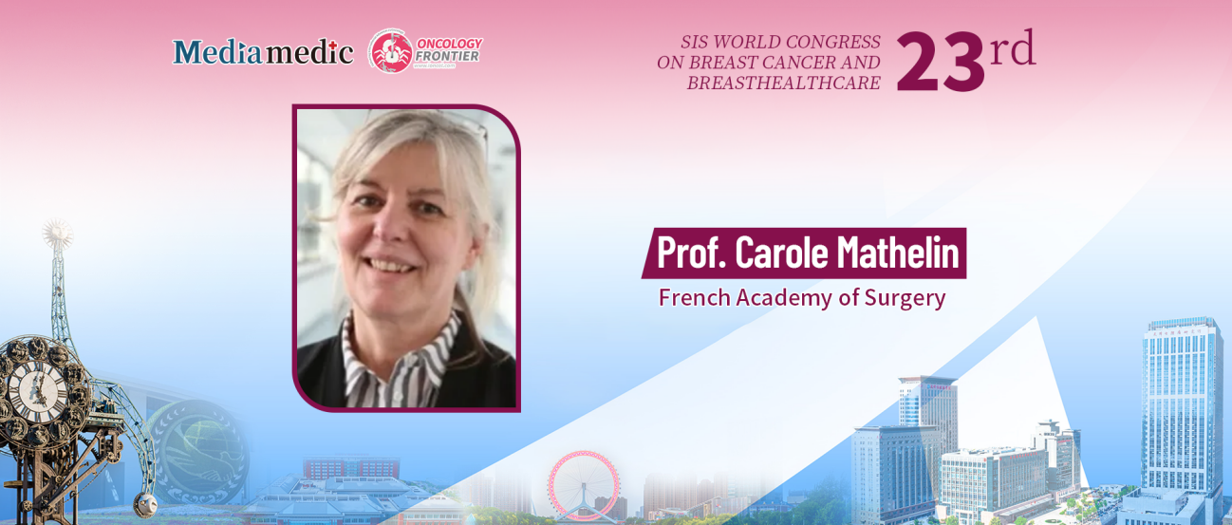
23rd World Congress on Breast Healthcare | Professor Carole Mathelin: Strengthening SIS–CACA Collaboration to Advance Global Breast Health
Breast cancer remains one of the most significant public health challenges affecting women worldwide. Improving prevention and treatment, strengthening international scientific collaboration, and promoting the global exchange of clinical knowledge are shared priorities across the oncology community.

Connecting Medical Expertise through Media