-
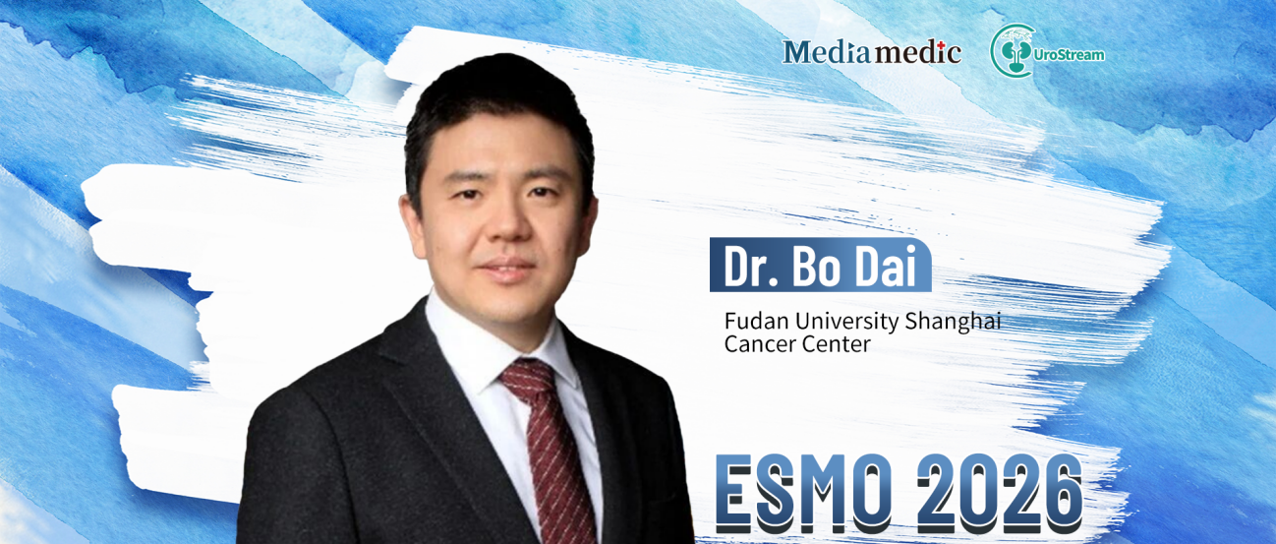
Professor Bo Dai: Identifying the Right Patients and Timing for Earlier Prostate Cancer Treatment Intensification — From Perioperative Intensification and Long-Term Survival Evidence to Individualized Treatment Sequencing
The 2026 Congress of the European Society for Medical Oncology (ESMO) presented several advances in prostate cancer research, covering perioperative treatment for high-risk localized disease, long-term follow-up in metastatic disease, and the exploration of novel agents with new mechanisms of action. As treatment options continue to expand, understanding the evidence generated at different disease stages…
-
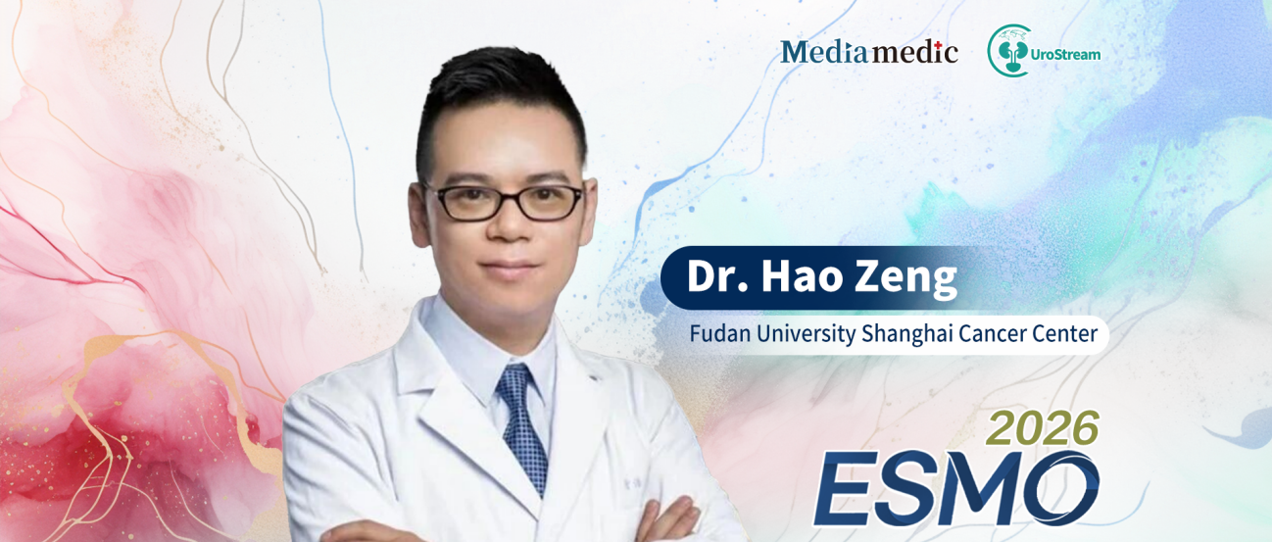
Professor Hao Zeng: Precision Treatment of mCRPC Through the Lens of Mutation Profiles in Chinese Patients — Biomarker Analysis from TALAPRO-2 and Implications for First-Line Treatment Decisions
At the 2026 Congress of the European Society for Medical Oncology (ESMO), a biomarker analysis of the Chinese cohort from TALAPRO-2 was presented as a poster. Understanding the differences in radiographic progression-free survival (rPFS) between the Chinese cohort and the global population, and translating molecular testing results into treatment decisions, are important issues in the…
-
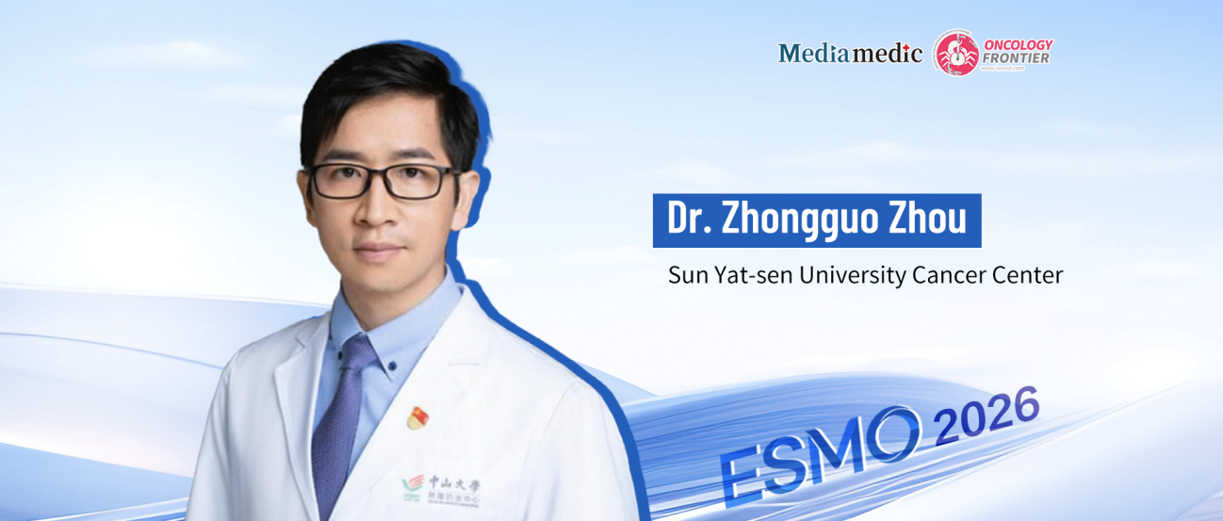
ESMO 2026 | Professor Zhongguo Zhou: How Can “Dual Immunotherapy + Interventional Therapy” Achieve More Than the Sum of Its Parts in Later-Line Liver Cancer Treatment? Real-World Evidence Offers Clues
The 2026 Congress of the European Society for Medical Oncology (ESMO) was held in Madrid, Spain. As one of the most influential academic events in global oncology, the congress brought together cutting-edge cancer research from around the world. Several clinical studies from China were selected for presentation, sharing the country’s clinical explorations and insights with…
-
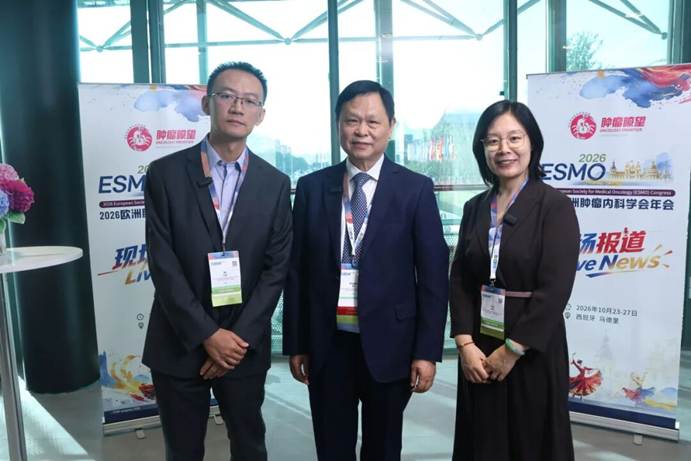
Making History Again! Three LBA Studies from Academician Xu Binghe’s Team Published Simultaneously in JAMA, The Lancet, and NEJM
At the 2026 ESMO Congress, Academician Xu Binghe’s team from the National Cancer Center/National Cancer Institute, Cancer Hospital, Chinese Academy of Medical Sciences, achieved a historic milestone in Chinese breast cancer research: three original Phase III studies were selected for Late-Breaking Abstract (LBA) oral presentations at the congress and published simultaneously in three leading medical…
-
Professor Tao Zhu: Two Systematic Reviews Suggest That BRCA Mutation Domains May Predict Benefit from PARP Inhibitors in Ovarian Cancer
The 2026 Congress of the European Society for Medical Oncology (ESMO) was held in Madrid, Spain, from October 23 to 27. As one of the world’s most important annual meetings in clinical oncology, ESMO presents major research advances across multiple fields each year, including gynecologic oncology. PARP inhibitor maintenance therapy has significantly improved outcomes in…
-

Professors Qi Zhou and Li Yuan Discuss Four Studies: ADCs Show Promise in Platinum-Resistant Ovarian Cancer, While New Breakthroughs Emerge in Precision Biomarker Development
Ovarian cancer is often referred to as the “king of gynecologic cancers.” Platinum-resistant recurrent ovarian cancer (PROC) remains a major clinical challenge. Once platinum resistance develops, conventional single-agent chemotherapy offers low response rates and poor prognosis, leaving patients with limited treatment options. In recent years, the emergence of antibody-drug conjugates (ADCs) and targeted small-molecule agents…
-
ESMO Voices from China | Professor Jing Feng: Five-Year Real-World Data Highlight the Importance of Risk Stratification and Individualized Assessment in Selecting Treatment Strategies for Hepatocellular Carcinoma
From October 23 to 27, 2026, the European Society for Medical Oncology (ESMO) Congress was held in Madrid, Spain. At this year’s congress, numerous studies from China were selected for oral presentations, posters, and e-posters, demonstrating the growing presence of Chinese oncology research on the international stage. Although a wide range of treatment options is…
-
ESMO Voices from China | Academician Binghe Xu: Anetumab (KN026) Plus HB1801 Offers New Hope for First-Line Treatment of HER2-Positive Advanced Breast Cancer
For many years, trastuzumab combined with pertuzumab and a taxane (the THP regimen) has been the standard first-line treatment for HER2-positive advanced breast cancer. However, approximately half of patients experience disease progression within two years, highlighting the urgent need for more effective treatment options.

Connecting Medical Expertise through Media