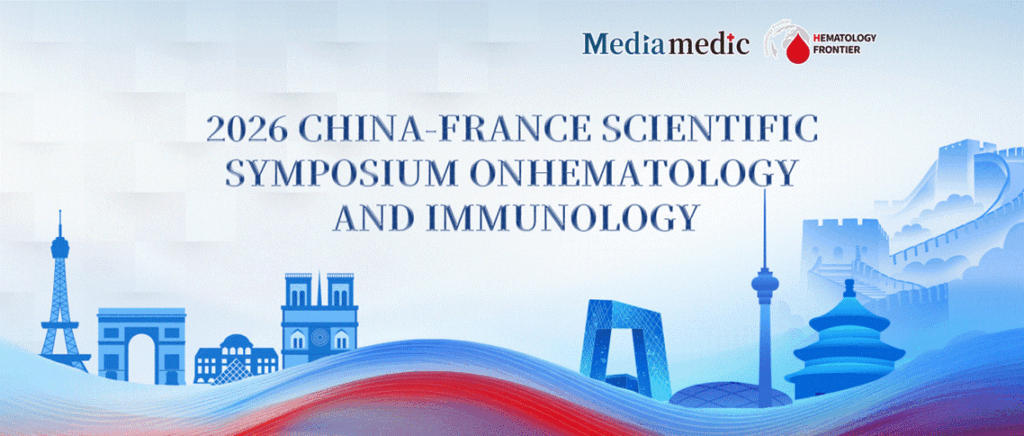
Editor's Note: As autumn brings a rich harvest, China and France are joining forces to open a new chapter in scientific collaboration. Organized by the Chinese Medical Doctor Association and the Chinese Society for Immunology, and hosted by the Hematology Branch of the Chinese Medical Doctor Association and the Peking University Institute of Hematology at the National Clinical Research Center for Hematologic Diseases, the2026 China-France Scientific Symposium on Hematology and Immunology was held in Beijing from September 11 to 13, 2026.The conference focused on cutting-edge advances in clinical and translational research and key practical challenges in hematologic and immune system diseases. Leading experts from the French Academy of Medicine, the French Academy of Sciences, the Chinese Academy of Engineering, and other prominent institutions were invited to deliver insightful academic presentations. The event attracted hundreds of specialists and researchers from across the field for in-depth discussions and scientific exchange.
Opening Ceremony
Leading Experts Gather to Launch a New Chapter in Hematology and Immunology Exchange
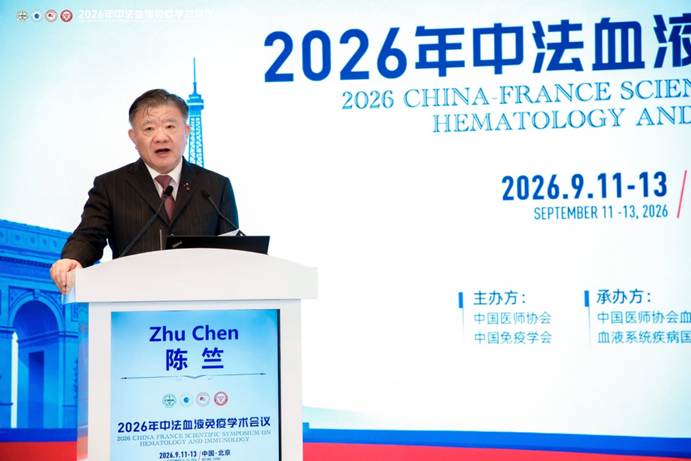
Address by Academician Zhu Chen
Academician Zhu Chen of the Chinese Academy of Sciences, Chief Technical Director of the National Major Science and Technology Projects for Four Major Chronic Diseases, highly commended the breakthroughs achieved through China–France collaboration in immunotherapy, CAR-T cell therapy, precision medicine, and related fields.
Addressing current challenges—including insufficient interdisciplinary integration, incompletely understood immune mechanisms, a shortage of precise therapeutic targets, treatment resistance, safety concerns, and the sustainability of healthcare—he called on colleagues from both countries to use the conference as a platform to deepen multidimensional cooperation.
He emphasized the importance of interdisciplinary innovation, the cultivation of young talent, and disease prevention in the context of population aging, including the study of clonal hematopoiesis. He also urged researchers to translate cutting-edge scientific discoveries into clinical practice and work together to build a global community of health for all.
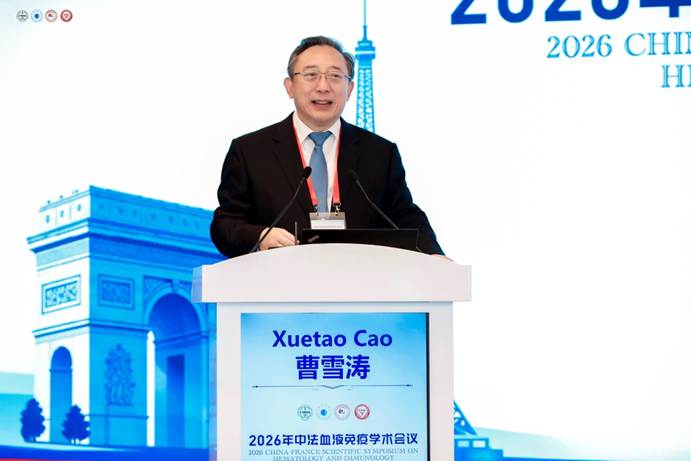
Address by Academician Xuetao Cao
Academician Xuetao Cao of the Chinese Academy of Engineering, Co-Chair of the Conference and Chief Technical Director of the National Major Science and Technology Project for Innovative Drug Development, noted in his opening remarks that the symposium marked the first interdisciplinary integration of hematology and immunology at this level.
He emphasized that, in the face of clinical challenges associated with immunotherapy, deeper collaboration between the two disciplines is urgently needed to address key issues, including disease mechanisms and novel drug development.
Highlighting the long-standing history of China–France cooperation in biomedicine, he expressed the hope that both countries would further strengthen collaboration across three key dimensions: China–France cooperation, interdisciplinary collaboration, and partnerships between basic research and clinical practice. Through these efforts, he said, innovative advances could be translated into meaningful benefits for patients worldwide.
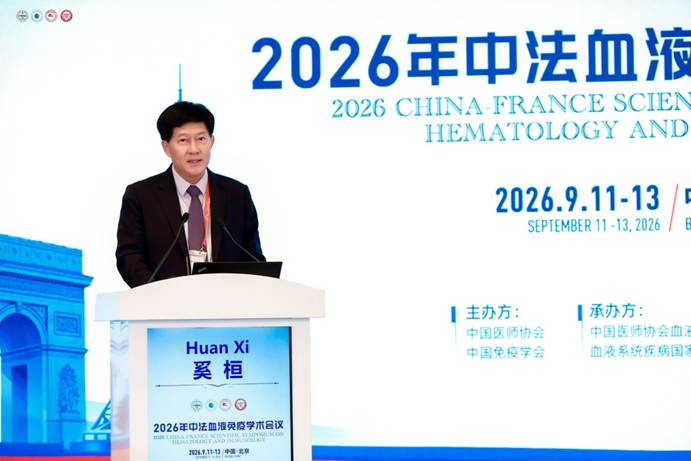
Address by Vice President Huan Xi
Huan Xi, Vice President of the Chinese Medical Doctor Association, noted in his opening remarks that the Association has consistently worked to support national health strategies and promote medical exchange.
Over more than a decade of development, the China–France Conference on Hematology has become a symbol of mutual trust and cooperation between the medical communities of the two countries. This year’s conference, organized in partnership with the Chinese Society for Immunology, has elevated collaboration at the intersection of hematology and immunology to a new level.
He expressed his hope that participating physicians would engage in in-depth academic exchange and work together to address challenging clinical problems. He also looked forward to continued progress in technical collaboration and talent development between China and France, contributing jointly to global medical advancement and the health and well-being of people worldwide.
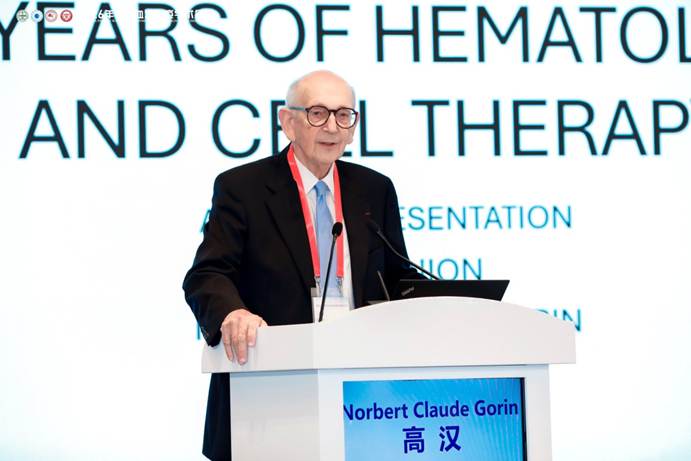
Address by Academician Norbert Claude Gorin
Academician Norbert Claude Gorin of the French Academy of Medicine and Co-Chair of the Conference noted in his address that fostering connections between the hematology communities of China and France has been one of the proudest achievements of his professional career.
He highlighted how hematology has evolved over the past half-century, progressing from bone marrow transplantation and the use of cytokines to transplantation involving different donor types, and eventually entering a new era characterized by the rapid development of immunotherapy and CAR-T cell therapy.
Throughout this journey, sustained and deepening exchanges and collaboration between China and France have been made possible by the dedicated support of numerous experts from both countries.
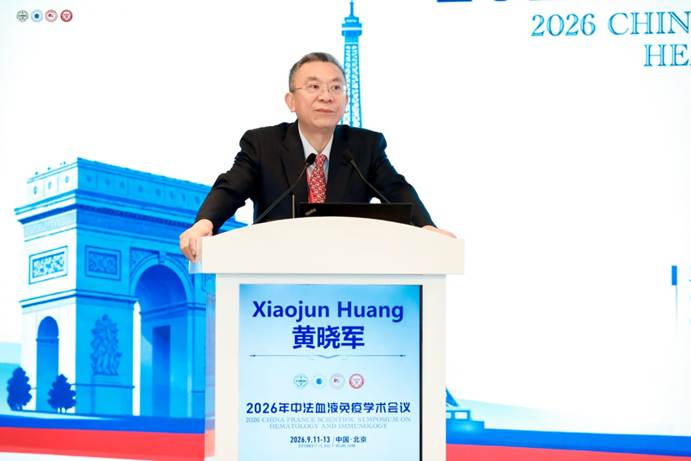
Academician Xiaojun Huang Presides Over the Opening Ceremony
The opening ceremony was presided over by Academician Xiaojun Huang of the Chinese Academy of Engineering, Conference Chair and Director of the National Clinical Research Center for Hematologic Diseases.
Scientific Highlights
Exploring Advances at the Frontiers of Hematology and Immunology
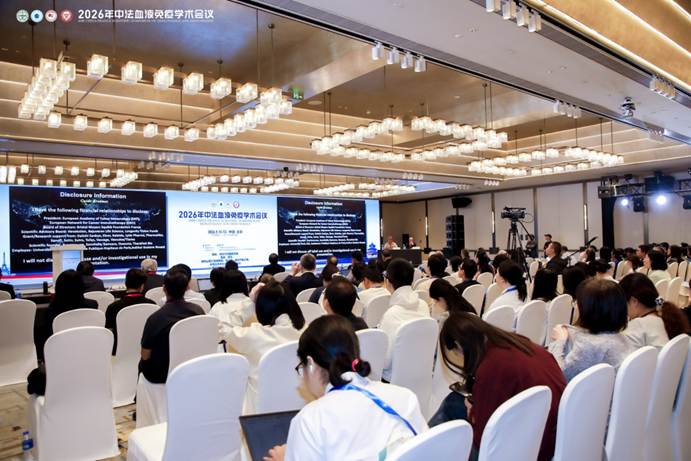
Following the opening ceremony, the conference officially moved into the scientific presentation sessions. Session 1 of the main conference focused on “Basic Research and Cutting-Edge Therapies in Hematology and Immunology.” Chinese and French experts shared the latest research findings and clinical advances at the forefront of the field. The sessions fostered a lively academic atmosphere, with participants engaging in in-depth discussions on emerging developments and key challenges in clinical practice.
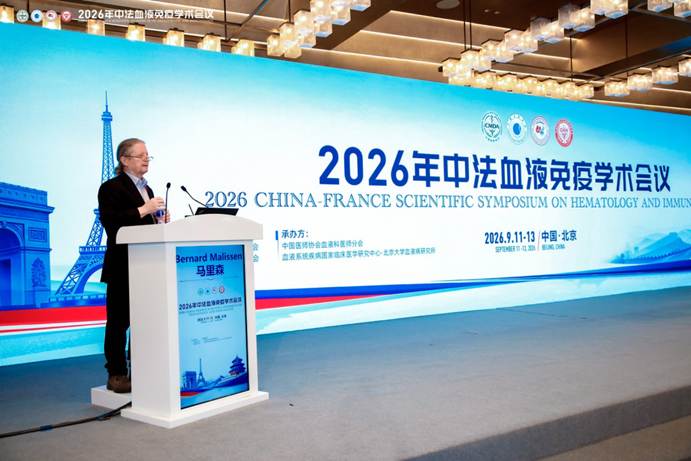
During the session on “Basic Research and Cutting-Edge Therapies in Hematology and Immunology,” Academician Bernard Malissen of the Marseille-Luminy Immunology Centre presented “Inducing Tumor-Specific T-Cell Responses Independently of Immune Checkpoint Inhibitors.” He shared recent research advances on the role of CARMIL2 in regulating T-cell signaling and antitumor immune responses, and explored its potential applications in enhancing T-cell function and optimizing CAR-T cell therapy.
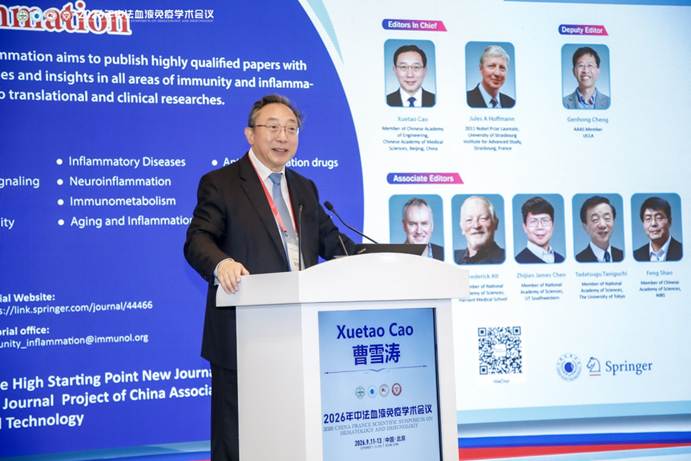
Academician Xuetao Cao delivered a presentation entitled “Innate Immune Activation in Antitumor and Anti-Infectious Immune Responses.” He introduced new findings on how DNA and RNA sensors regulate innate immunity and discussed their translational potential for enhancing antitumor immunity and improving the efficacy of immunotherapy.
Academician Guido Kroemer of Gustave Roussy, France, focused on “The Immunological Effects of the Tissue Stress Hormone ACBP/DBI.” Drawing on relevant research, he outlined the mechanisms through which ACBP/DBI mediates tissue stress and immunosuppression, and explored the potential of targeting ACBP/DBI to enhance antitumor immunity, improve immunotherapy outcomes, and intervene in infectious diseases.
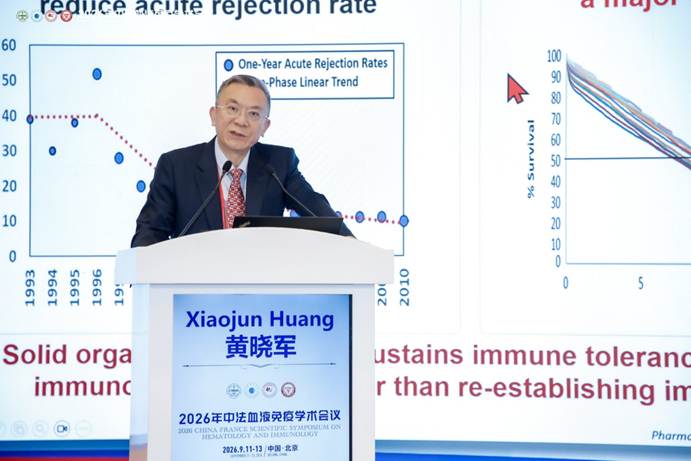
Academician Xiaojun Huang presented “Immune Reprogramming: What Have We Learned from Bone Marrow Transplantation?” He systematically described the mechanisms underlying the re-establishment of peripheral and central immune homeostasis following allogeneic hematopoietic stem cell transplantation. He emphasized the important roles of T cells and antithymocyte globulin (ATG) in immune remodeling and discussed the implications for immune resetting in nonmalignant diseases and its potential clinical translation.
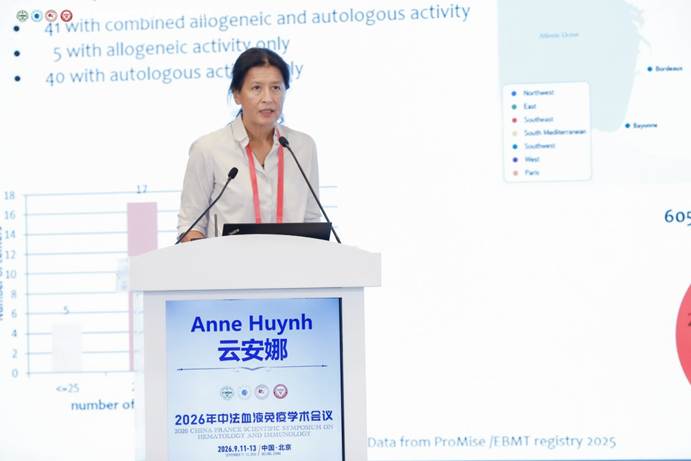
Professor Anne Huynh of Toulouse University Hospital, France, delivered a presentation entitled “Allogeneic Stem Cell Transplantation in France: Recent Advances and Future Perspectives.” She focused on key aspects of transplantation, including donor selection, conditioning regimens, and graft-versus-host disease (GVHD) prevention, sharing recent findings from the French Society for Bone Marrow Transplantation and Cellular Therapy (SFGM-TC) and discussing future directions for optimizing transplantation practices.
Featured Presentations
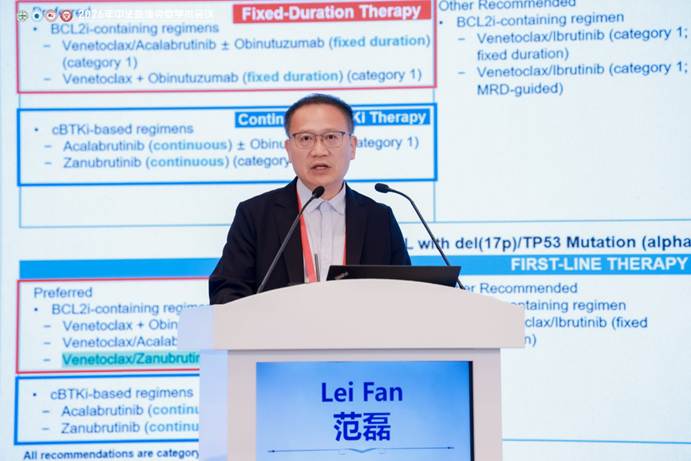
At the Lymphoma Session, Professor Lei Fan of Jiangsu Province Hospital delivered a presentation entitled “Post-EHA: Advances in First-Line Treatment of Chronic Lymphocytic Leukemia.” He focused on the latest evidence for continuous Bruton tyrosine kinase (BTK) inhibitor therapy versus fixed-duration treatment in the first-line management of chronic lymphocytic leukemia (CLL). Taking into account patient characteristics such as advanced age, frailty, and cardiovascular risk, he explored how first-line treatment strategies can be optimized according to disease biology and individual patient needs.
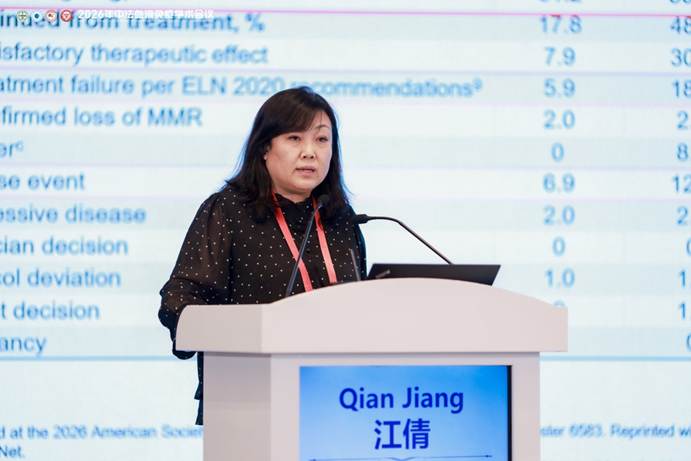
At the Chronic Myeloid Leukemia Session, Professor Qian Jiang of Peking University People’s Hospital presented “Beyond Survival: The Evolution of CML Treatment.” She reviewed the evolution of chronic myeloid leukemia (CML) treatment and unmet clinical needs, including treatment failure and intolerance to tyrosine kinase inhibitors (TKIs). She highlighted the latest research on first-line asciminib therapy and real-world data from China, illustrating its potential benefits in molecular response, efficacy, safety, and quality of life.
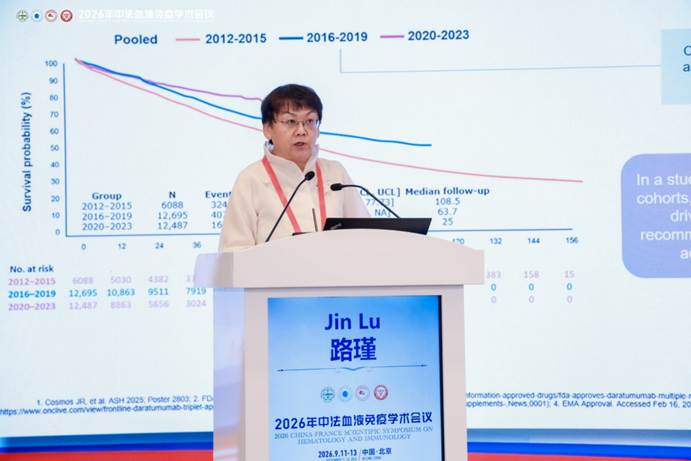
At the Multiple Myeloma Session, Professor Jin Lu of Peking University People’s Hospital delivered a presentation entitled “Therapeutic Advances in Transplant-Ineligible Newly Diagnosed Multiple Myeloma.” Focusing on patients with newly diagnosed multiple myeloma who are ineligible for transplantation, she shared the latest evidence supporting quadruplet combination therapy. She also explored strategies for optimizing treatment regimens, doses, and administration approaches according to patients’ age, frailty, and high-risk disease characteristics.
Featured Presentations
Main Session 2 focused on “Advances in Cell Therapy.”
During this session, Academician Christian Boitard of the French Academy of Medicine presented “Regulatory T Cells in Type 1 Diabetes Autoimmunity: Research Perspectives,” exploring the role of regulatory T cells (Tregs) in the regulation of autoimmune responses.
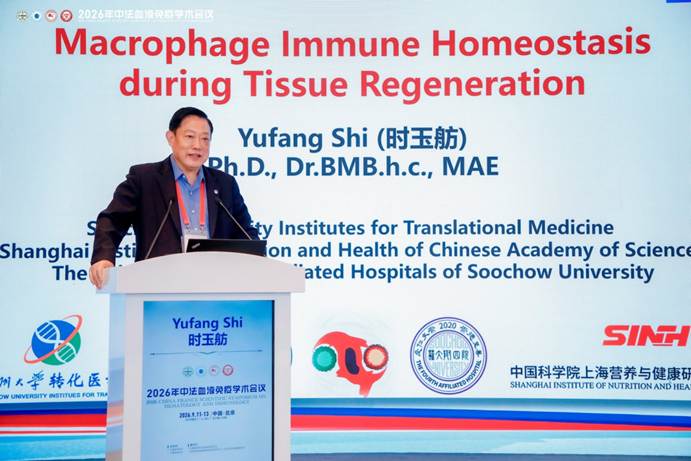
Academician Yufang Shi of Soochow University delivered a presentation entitled “Macrophage Immune Homeostasis and Tissue Regeneration and Repair,” sharing research advances on how macrophages regulate immune homeostasis and contribute to tissue repair.
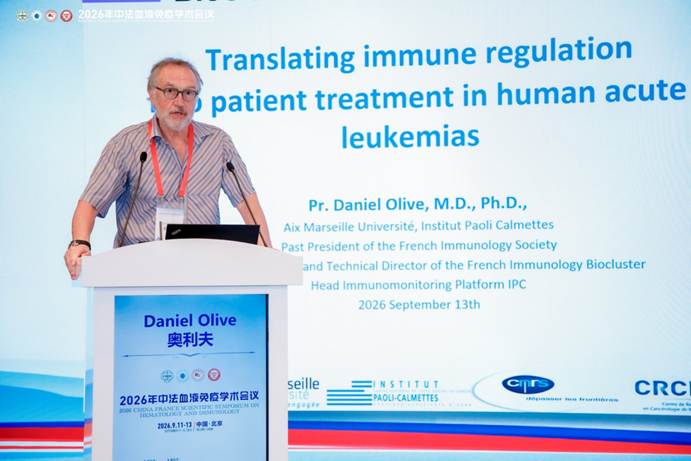
Professor Olive Daniel of the Paoli-Calmettes Institute, Marseille, presented “Immune Regulation: From Basic Research to Clinical Application,” focusing on the clinical translation of research in immune regulation.
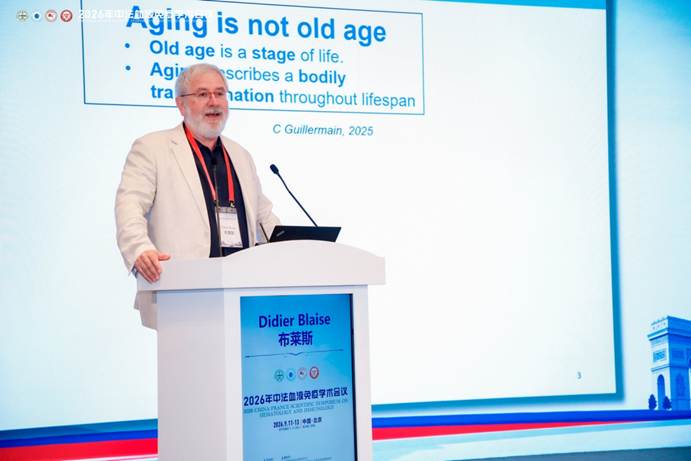
Professor Didier Blaise of the Paoli-Calmettes Institute, Marseille, delivered a presentation entitled “Beyond Age Limits: Making Allogeneic Hematopoietic Stem Cell Transplantation Possible for Older Patients With Acute Myeloid Leukemia (AML).” He explored strategies for optimizing transplantation in older patients with AML.
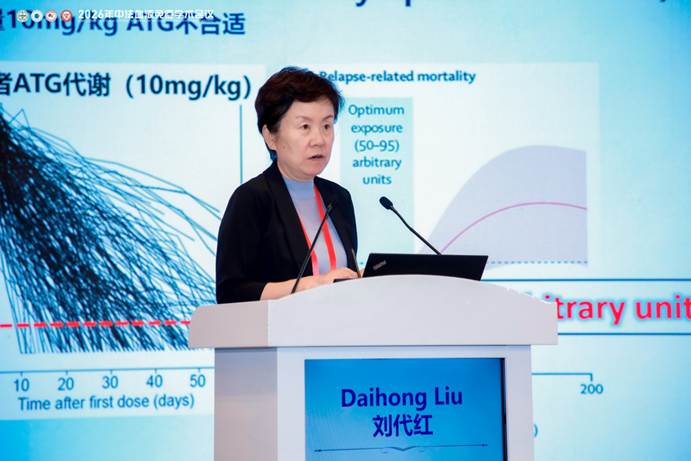
Professor Daihong Liu of the Chinese PLA General Hospital presented “Optimizing Antithymocyte Globulin in Haploidentical Hematopoietic Stem Cell Transplantation,” sharing research and clinical experience on the use of antithymocyte globulin (ATG) in haploidentical transplantation.
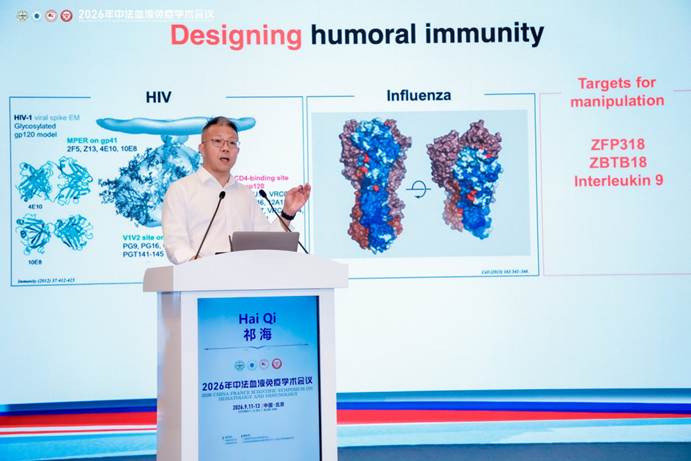
Professor Hai Deng of Tsinghua University delivered a presentation entitled “In Search of High-Quality Memory: From Germinal Centers to Central Nervous System (CNS) Circuits,” introducing research on the formation and maintenance of immune memory.
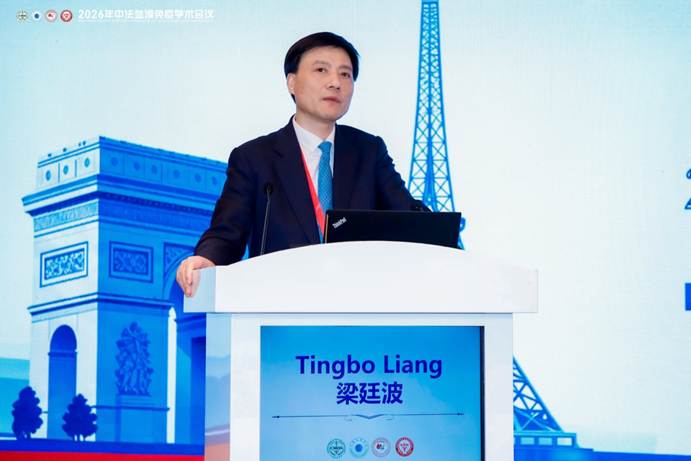
Finally, Professor Tingbo Liang of the First Affiliated Hospital, Zhejiang University School of Medicine, presented “Exploration and Clinical Practice of Cell Therapy for Hepatobiliary and Pancreatic Cancers,” sharing clinical research and practical experience in applying cell therapy to hepatobiliary and pancreatic malignancies.
Featured Presentation
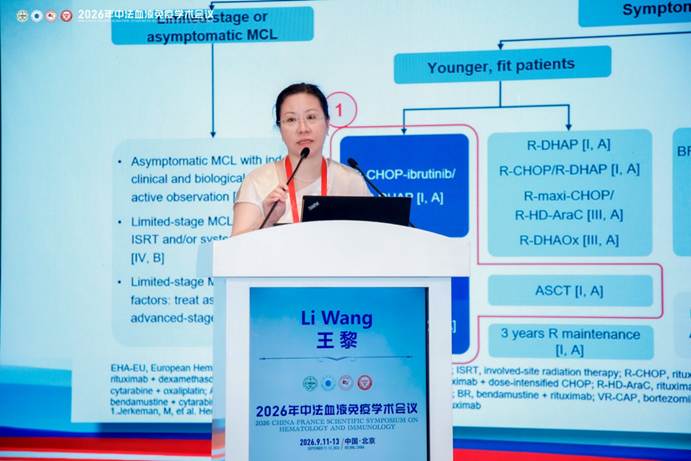
During the session “Lymphoma Symposium: Advances and Perspectives in MCL Treatment in 2026,” Professor Li Wang of Ruijin Hospital, Shanghai Jiao Tong University School of Medicine, delivered a presentation entitled “Current Newly Diagnosed MCL Treatment Landscape and Controversy.” He reviewed the current treatment landscape for newly diagnosed mantle cell lymphoma (MCL), focusing on different therapeutic strategies and analyzing areas of controversy in clinical practice.
The three-day conference featured a main auditorium and multiple parallel sessions, including dedicated sessions on immunology and hematology. Covering basic research, clinical diagnosis and treatment, and cutting-edge technologies across hematology and immunology, the conference provided a high-level academic platform for Chinese and French experts to share research findings, exchange ideas, and explore opportunities for collaboration.
Closing Ceremony
Continuing a Tradition of Collaboration and Advancing the Future of Hematology and Immunology
During the closing ceremony, Professor Xiangyu Zhao of Peking University People’s Hospital, representing the conference organizers, handed over the commemorative plaque of the China–France Conference on Hematology and Immunology to Professor Thomas Cluzeau of Nice University Hospital, France, representing the organizers of the next conference. Participating experts and scholars were also invited to attend the 2027 conference in Nice.
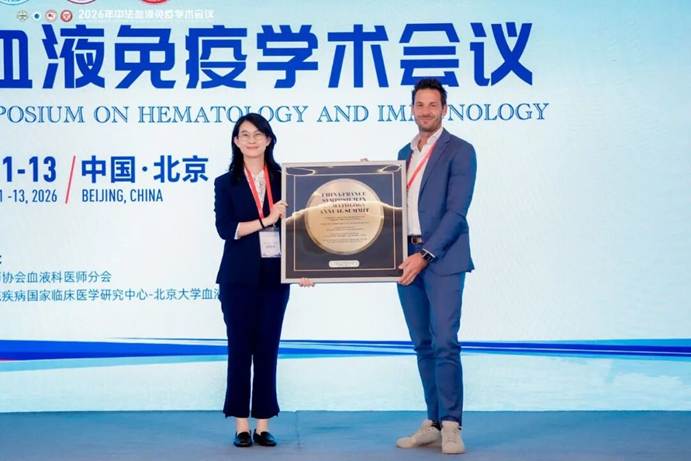
Handover Ceremony
As an important platform for long-standing exchanges and collaboration between the Chinese and French hematology communities, the China–France Conference on Hematology has evolved over 12 editions, establishing a tradition of alternating between China and France as host countries. It has become a vital link for fostering academic exchange between experts from both countries and advancing innovation in the field.
For the first time, this year’s conference was held under the theme of the China–France Conference on Hematology and Immunology. Building on the tradition of in-depth academic exchange in hematology, the meeting expanded its scope to encompass the intersection of hematology and immunology. It focused on cutting-edge areas, including the elucidation of immune mechanisms, cell and gene therapies, precision diagnosis and treatment, and the clinical translation of advances in hematologic malignancies.
By strengthening the integration of basic research, technological innovation, and clinical practice, the conference opened a new chapter in collaborative development between China and France in hematology and immunology.
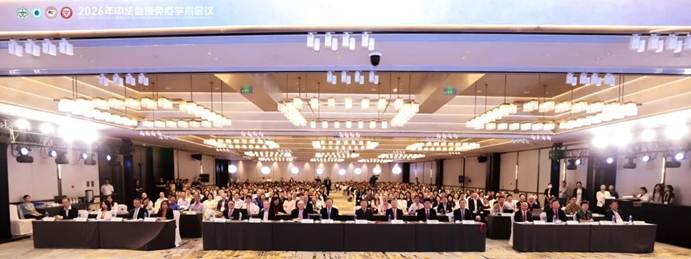
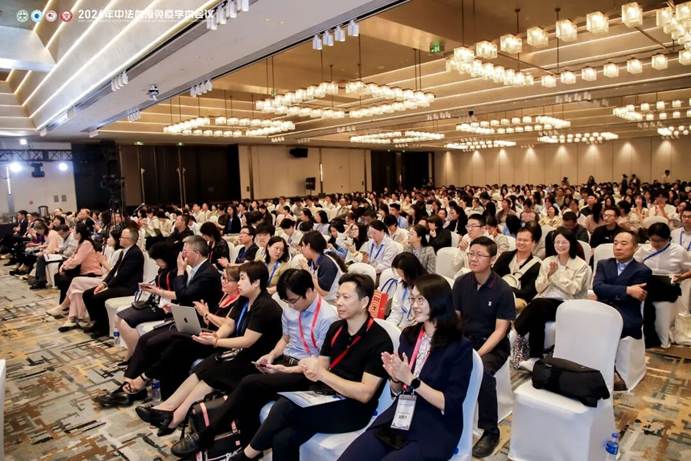
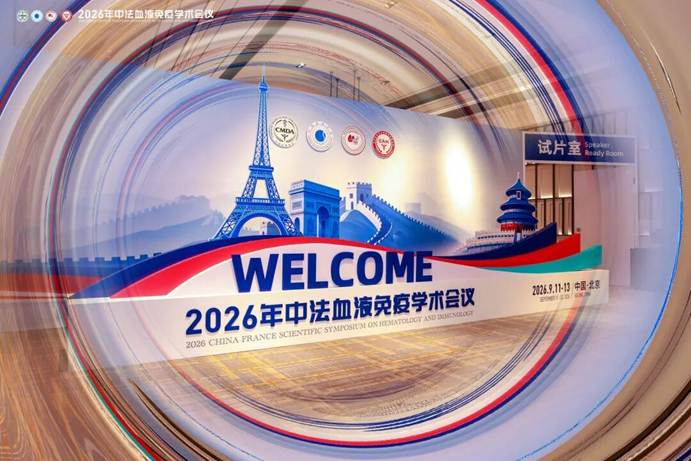
Conference Highlights