-
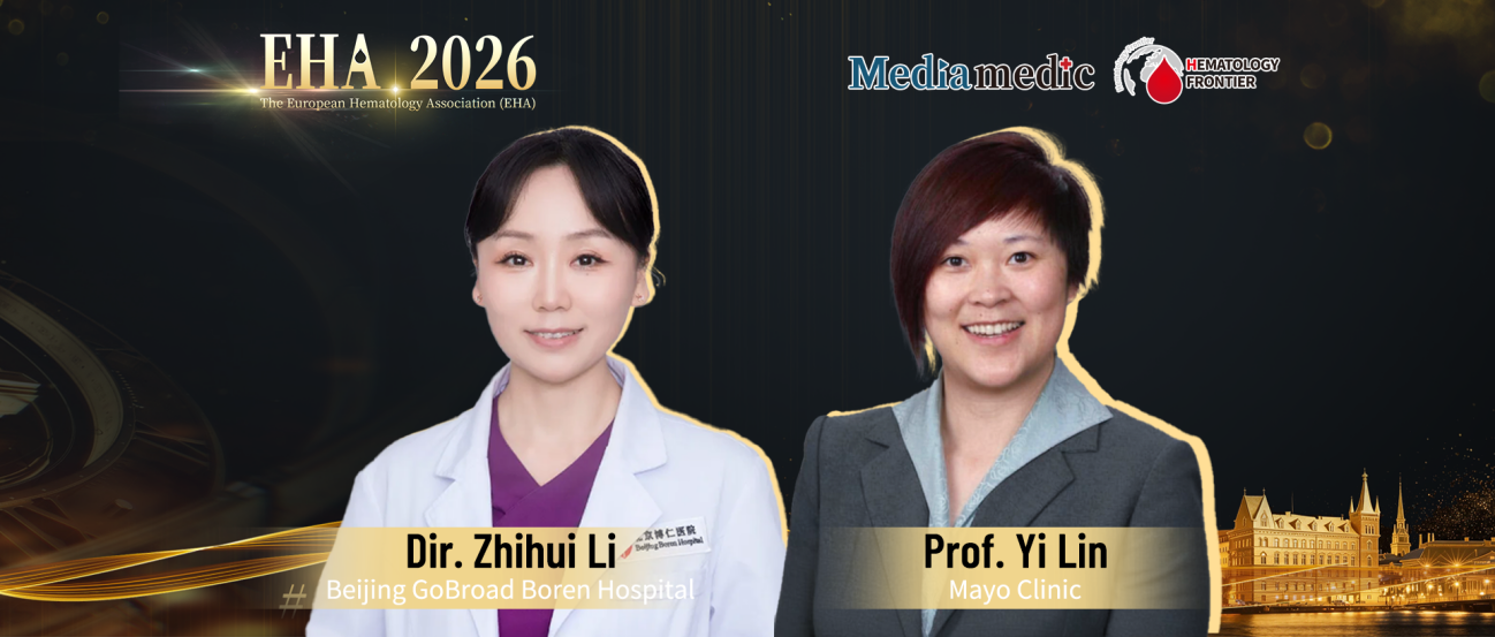
EHA Conversations | Director Zhihui Li & Professor Yi Lin: Advancing CAR-T Manufacturing Through Innovation and Process Optimization
Bridging expertise across continents to explore the future of cellular therapy, Oncology Frontier – Hematology Frontier hosted an in-depth conversation during the 2026 European Hematology Association (EHA) Congress featuring Director Zhihui Li of Beijing GoBroad Boren Hospital and Professor Yi Lin of the Mayo Clinic. Centered on the theme “CAR-T Manufacturing: Scientific Advances and Technological…
-
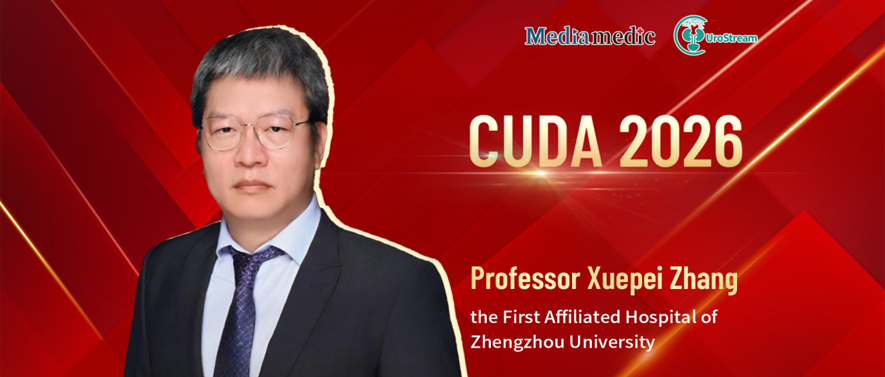
CUDA 2026 | Professor Xuepei Zhang: Advancing High-Quality Urologic Care and Regional Collaboration from Zhengzhou
From June 11–14, 2026, the 2026 Annual Meeting of the Chinese Urological Association of the Chinese Medical Doctor Association (CUDA) was held in Zhengzhou, Henan Province. The meeting was hosted by the Chinese Medical Doctor Association (CMDA) and the Chinese Urological Association of the CMDA (CUDA), and jointly organized by The First Affiliated Hospital of…
-
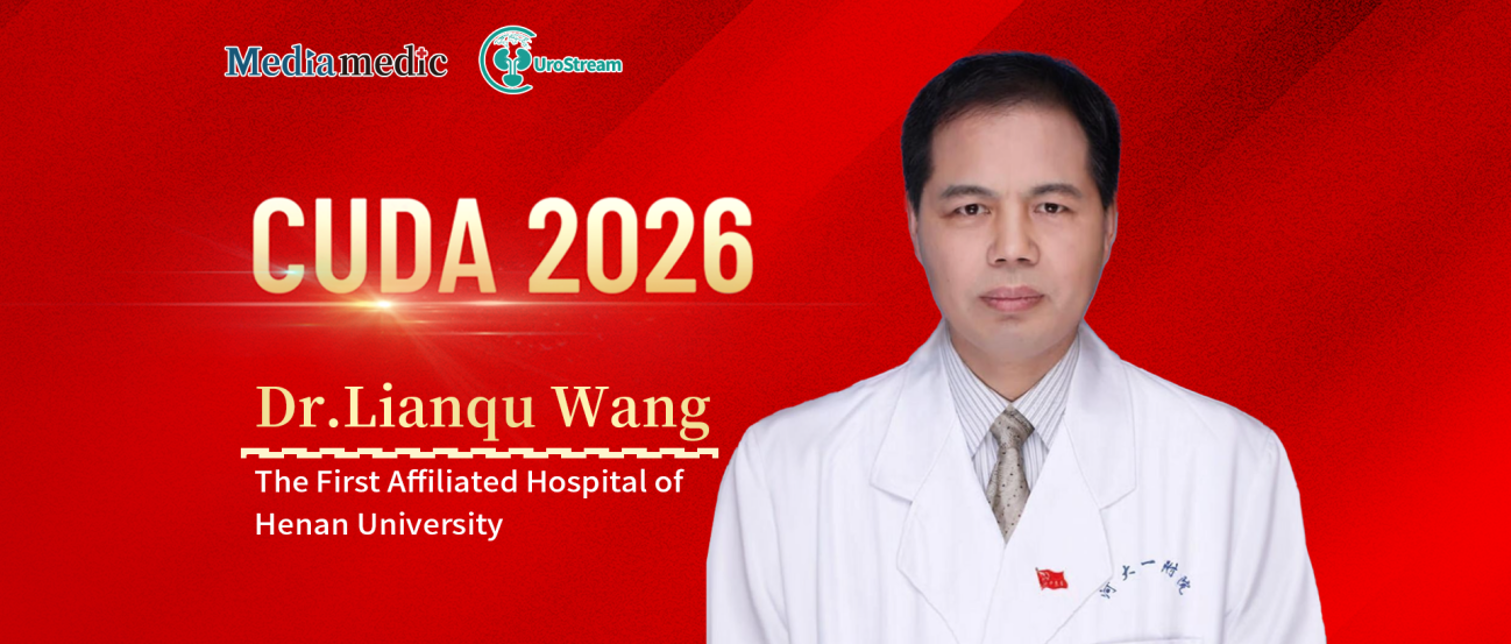
CUDA 2026 | Professor Lianqu Wang: Leveraging a Century of Medical Education and Regional Healthcare Strengths to Advance Integrated Clinical Care, Education, and Research in Urology at Henan University
Hosted by the Chinese Medical Doctor Association (CMDA) and the Chinese Urological Association of the CMDA (CUDA), the 2026 CUDA Annual Meeting was held in Zhengzhou, Henan Province, from June 11–14, 2026. The meeting was jointly organized by The First Affiliated Hospital of Zhengzhou University, Henan Provincial People’s Hospital, and The First Affiliated Hospital of…
-
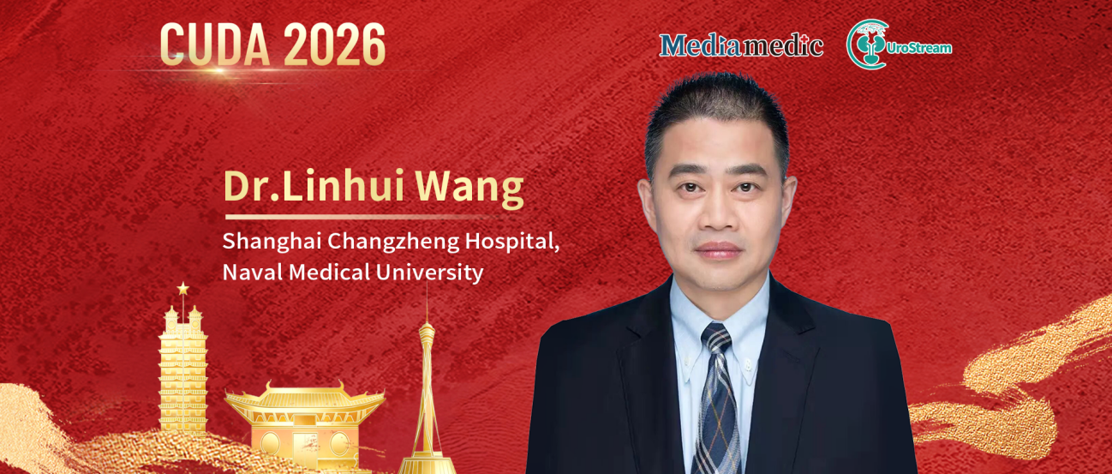
CUDA 2026 | Professor Linhui Wang: Advancing Precision Kidney-Sparing Surgery in the Modern Era of Renal Cancer Care
Hosted by the Chinese Medical Doctor Association (CMDA) and the Chinese Urological Association of the CMDA (CUDA), the 2026 CUDA Annual Meeting was held in Zhengzhou, Henan Province, from June 11–14, 2026. Continuing the discipline’s mission of “Healthy China, Urology at the Forefront,” this year’s conference was themed “Collaboration and Innovation for Future Development.” The…
-
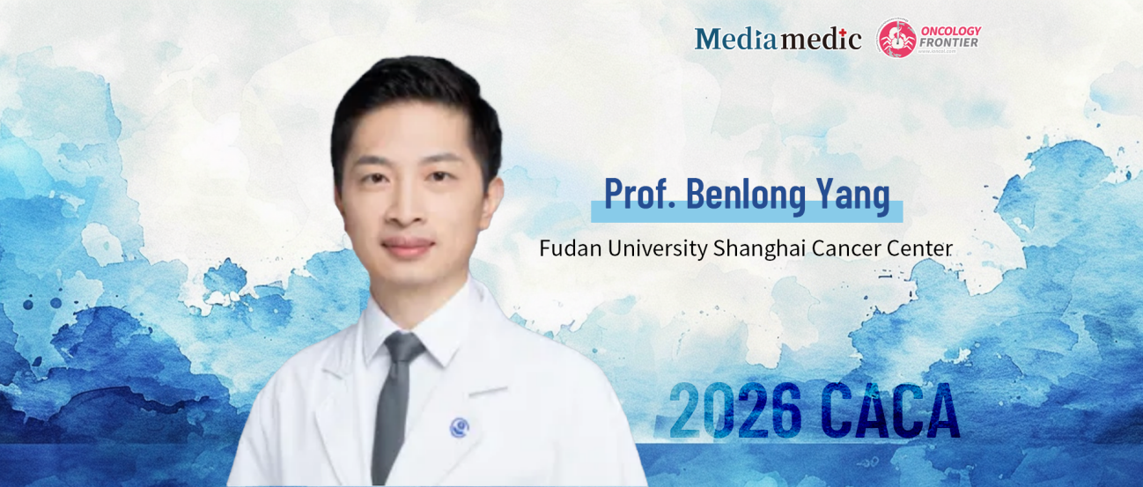
Professor Benlong Yang: Breast Surgery Enters the Era of De-escalation and Individualized Care in Precision Oncology | 2026 CACA Cancer Prevention and Screening Conference
The 2026 CACA Cancer Prevention and Screening Conference recently opened in Hangzhou, bringing together leading oncologists, researchers, and industry experts from across China to discuss advances in cancer prevention, early detection, multidisciplinary collaboration, and translational research. Hosted by the Chinese Anti-Cancer Association (CACA) and its Cancer Prevention and Screening Committee, the meeting aligns with the…
-
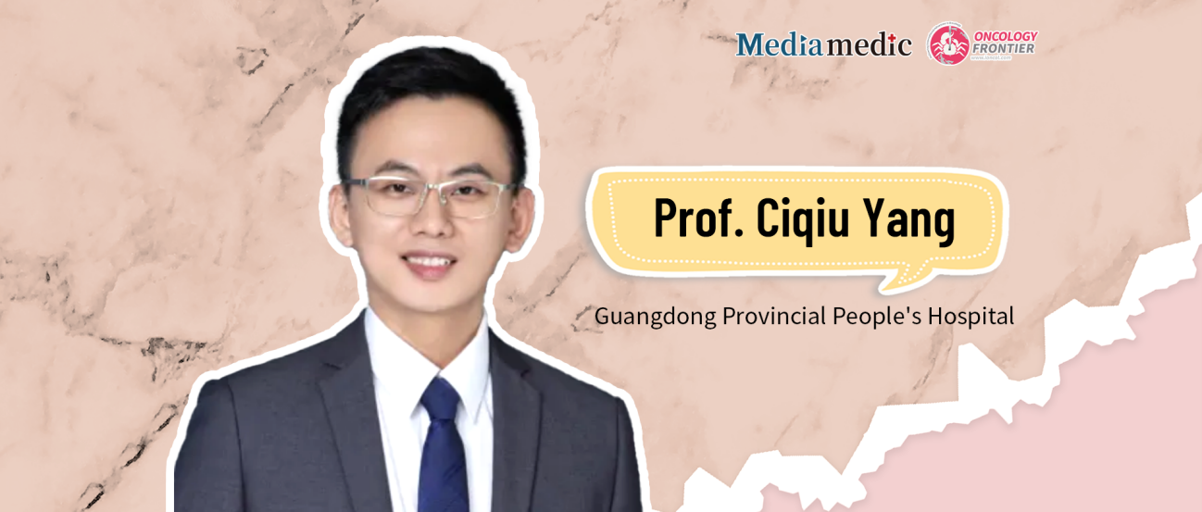
Professor Ciqiu Yang: From Small Clinical Observations to Meaningful Discoveries—Why Long-Term Commitment Matters in Clinical Research | Samsung Club
The Samsung Club National Young Breast Cancer Experts Conference recently concluded in Zhengzhou, bringing together emerging leaders from China’s four major breast cancer academic organizations to discuss precision oncology, talent development, and multidisciplinary collaboration.
-
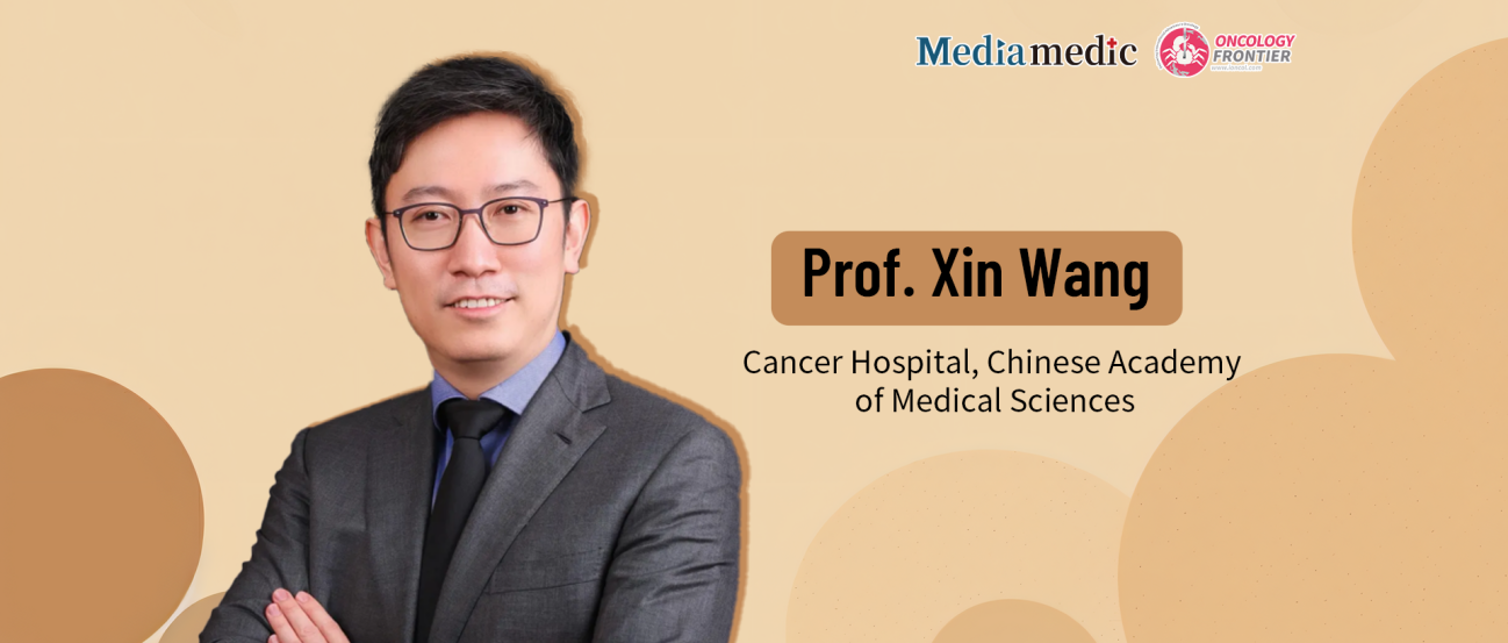
Samsung Club | Professor Xin Wang: New Thinking in Breast Cancer Surgery in the Era of Precision Medicine—Less Extensive Surgery, More Powerful Imaging
The Samsung Club National Young Breast Cancer Experts Conference recently concluded in Zhengzhou, bringing together rising leaders from China’s four major breast cancer academic organizations to exchange ideas on precision oncology, physician training, and multidisciplinary collaboration.
-
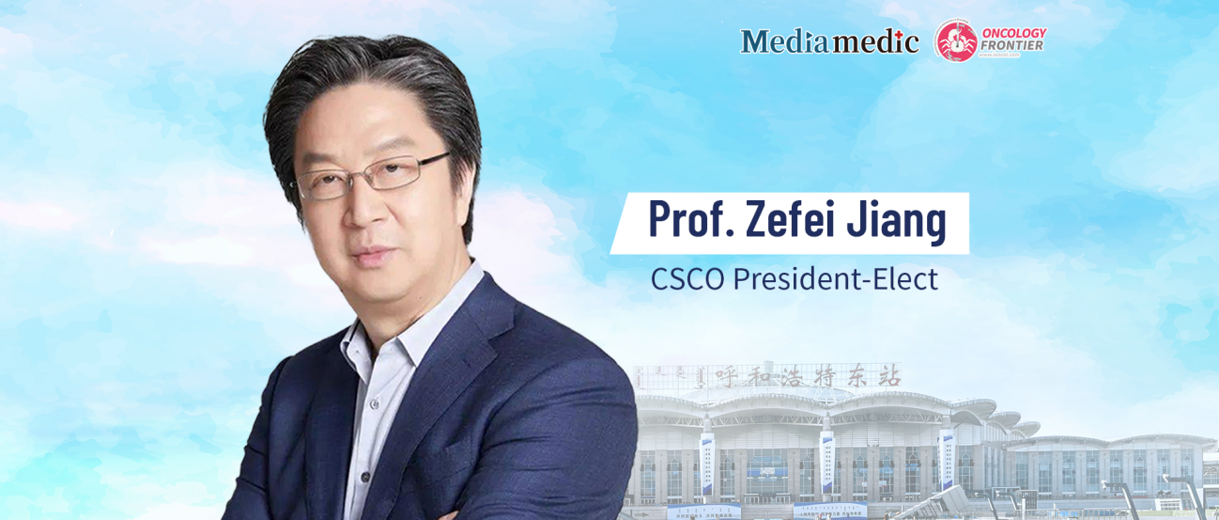
BOC Preview | Professor Zefei Jiang: Gathering in Hohhot to Showcase Global Advances and China’s Annual Achievements in Clinical Oncology
“White clouds drift above the Chilechuan Plain, while the songs of Qingcheng echo like poetry.” Against this vibrant midsummer backdrop, the 2026 Chinese Clinical Oncology Annual Advances Conference (BOC) & Best of CSCO 2026 China will be held in Hohhot, Inner Mongolia, from July 3–4, 2026.

Connecting Medical Expertise through Media