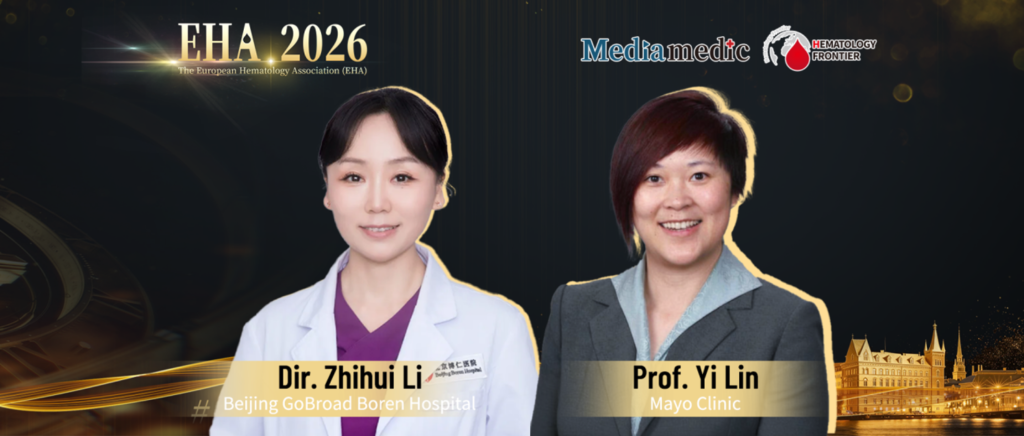
Bridging expertise across continents to explore the future of cellular therapy, Oncology Frontier – Hematology Frontier hosted an in-depth conversation during the 2026 European Hematology Association (EHA) Congress featuring Director Zhihui Li of Beijing GoBroad Boren Hospital and Professor Yi Lin of the Mayo Clinic. Centered on the theme "CAR-T Manufacturing: Scientific Advances and Technological Innovation," the discussion examined key developments shaping the next generation of CAR-T therapy, including rapid manufacturing platforms, in vivo CAR-T technologies, novel CAR molecular designs, and the emerging issue of secondary malignancies. Together, the two experts outlined a compelling vision for improving CAR-T manufacturing, enhancing safety, and accelerating clinical translation.Director Zhihui Li: In your presentation, you highlighted several important scientific advances in CAR-T manufacturing. We increasingly recognize that manufacturing is not simply a production process—it profoundly influences the biological characteristics and ultimately the clinical efficacy of CAR-T products. From your perspective, what has been the most important scientific insight in CAR-T manufacturing over the past few years, and how has it changed our understanding of what defines a high-quality CAR-T product?
Professor Yi Lin:
One of the most exciting developments during my career has been witnessing ex vivo autologous CAR-T therapy become a cornerstone of cancer treatment and an established standard of care. At the same time, its clinical applications are expanding beyond oncology into autoimmune diseases, demonstrating remarkable therapeutic potential.
Despite these successes, currently approved CAR-T products still face a major limitation—the manufacturing process typically requires two weeks to six weeks or even longer. For patients with aggressive cancers, maintaining disease control while waiting for their personalized CAR-T product represents a significant clinical challenge.
Over the past several years, rapid manufacturing platforms have generated increasingly encouraging clinical data and offer a promising solution to this problem. These innovative approaches shorten ex vivo T-cell processing from weeks to only two or three days, and in some platforms to less than 24 hours, with certain technologies eliminating the need for extensive ex vivo expansion altogether.
These advances provide several important benefits. First, they improve treatment accessibility by allowing patients to receive therapy much sooner. Second, minimizing the time T cells spend outside the body helps preserve their functional fitness and reduces cellular exhaustion before reinfusion.
Clinical studies have shown that CAR-T products manufactured using these rapid platforms often require logarithmically lower cell doses than conventional commercial products while maintaining comparable efficacy. Lower doses may also help reduce treatment-related toxicities.
These findings suggest that simply optimizing the manufacturing process and shortening production time can preserve superior T-cell functionality. At present, this represents one of the most practical and promising directions for advancing the field. As ongoing clinical trials progress toward regulatory submission, these innovative manufacturing approaches are expected to enter routine clinical practice in the near future.
Oncology Frontier – Hematology Frontier: In clinical practice, many patients receiving CAR-T therapy have already undergone multiple lines of treatment, resulting in impaired T-cell function and immune exhaustion that can compromise efficacy. Based on these new scientific insights, which manufacturing optimization strategies appear most promising for improving CAR-T product quality and durability? Have these innovations already begun translating into clinical benefit?
Professor Yi Lin:
As I mentioned earlier, shortening ex vivo manufacturing time has become one of the major priorities in CAR-T development. Interestingly, several of these rapid-manufacturing technologies originated in China and are now being actively investigated in both the United States and Europe.
Beyond manufacturing improvements, another important strategy is moving CAR-T therapy earlier in the treatment course. As CAR-T becomes approved for earlier lines of therapy—including first-line treatment for diseases such as lymphoma and multiple myeloma—we will be able to collect more naïve and functionally robust T cells before patients receive extensive prior therapies.
This improved starting material could translate into more durable remissions and longer progression-free survival, making early intervention one of the most promising future directions.
At the same time, substantial progress is being made in CAR molecular engineering.
One particularly exciting example is the development of armored CAR-T cells. Unlike conventional CAR constructs that rely primarily on antigen recognition for T-cell activation, armored CARs are genetically engineered to co-express cytokines or chemokines capable of actively remodeling the tumor microenvironment while enhancing T-cell activity.
For example, incorporating IL-18 into CAR constructs has been shown to improve in vivo CAR-T expansion and strengthen antitumor activity.
Continued optimization of CAR molecular architecture through diverse engineering strategies will further enhance CAR-T functionality and therapeutic durability.
Director Zhihui Li: In addition, clinicians have observed that a small proportion of patients with lymphoid malignancies develop secondary myeloid neoplasms, such as myelodysplastic syndromes (MDS) or acute myeloid leukemia (AML), following CAR-T therapy. Based on current evidence, how common is this phenomenon? Is it primarily related to prior treatment exposure and clonal hematopoiesis, or could CAR-T therapy itself also play a role?
Professor Yi Lin:
This is a critically important area of investigation, and numerous studies are currently addressing this question.
Patients receiving CAR-T in later treatment lines typically have highly complex treatment histories, making it difficult to separate the individual contributions of different risk factors.
Previous exposure to alkylating agents, autologous stem cell transplantation, and lenalidomide, for example, can all promote or worsen clonal hematopoiesis. In addition, lymphodepleting chemotherapy administered before CAR-T infusion, together with the intense inflammatory response following CAR-T therapy, may further accelerate the expansion of pre-existing mutant clones.
Fortunately, according to safety data from the U.S. Food and Drug Administration (FDA), the incidence of hematologic malignancies directly attributable to CAR vector integration or CAR-T cells themselves remains extremely low.
This is reassuring and suggests that continued optimization of CAR engineering may reduce this already small risk even further.
When evaluating overall benefit versus risk, randomized studies conducted in earlier treatment settings provide important context.
Although slight numerical differences in secondary malignancy rates have occasionally been observed between CAR-T recipients and patients receiving conventional chemoimmunotherapy, these differences have not reached statistical significance.
More importantly, CAR-T therapy has consistently demonstrated improvements not only in progression-free survival (PFS) but also in overall survival (OS) for both lymphoma and multiple myeloma.
Therefore, after considering all potential risks—including secondary malignancies and non-relapse mortality—the overall clinical benefit of CAR-T therapy remains clearly superior to standard treatment.
To better understand the independent contribution of CAR-T itself, ongoing first-line randomized clinical trials are especially important.
Because these patients have not been heavily pretreated, such studies eliminate many of the confounding factors associated with prior therapies. Comparing patients who receive CAR-T after limited induction therapy with those receiving standard first-line treatment will provide the clearest assessment of CAR-T’s intrinsic long-term safety profile.
Meanwhile, the field is actively pursuing multiple complementary strategies to minimize secondary malignancy risk, including identifying biomarkers such as clonal hematopoiesis, characterizing high-risk clonal subtypes, optimizing CAR vector design, and improving patient selection.
As results from first-line trials become available over the next several years, we will gain a much clearer understanding of the long-term safety profile of CAR-T therapy.
Oncology Frontier – Hematology Frontier: Finally, as CAR-T therapy moves into earlier lines of treatment, the field is demanding faster manufacturing, greater product consistency, and more durable responses. Looking ahead, which innovations do you believe have the greatest potential to transform CAR-T manufacturing, and how might they reshape the way patients with hematologic malignancies receive CAR-T therapy?
Professor Yi Lin:
I believe three areas deserve particular attention.
The first is the BCMA-directed CAR-T therapy anito-cel.
We anticipate submitting its Biologics License Application (BLA) to the U.S. FDA later this year, while randomized studies in earlier treatment lines are already underway.
Anito-cel represents an important advance in CAR engineering. Unlike conventional CAR constructs that use antibody-derived single-chain variable fragments linked to CD3ζ and costimulatory domains, anito-cel employs a fully engineered D-domain binding scaffold.
We believe this design provides improved tissue penetration and faster antigen dissociation (off-rate), thereby reducing excessive T-cell signaling and delaying cellular exhaustion. It may also decrease certain delayed neurological toxicities, including Parkinsonian syndromes, that have been reported with some other BCMA-targeted CAR-T products.
If approved as anticipated, anito-cel will offer another important standard treatment option for patients.
The second area is allogeneic CAR-T therapy.
Early allogeneic CAR-T studies produced relatively modest efficacy, but our understanding has evolved substantially. By selecting HLA-matched healthy young donors, investigators hope to generate CAR-T products with greater in vivo persistence.
Early clinical trials in lymphoma and multiple myeloma have already demonstrated encouraging signals of prolonged remission.
The principal advantage of allogeneic CAR-T lies in its off-the-shelf availability, allowing treatment to begin immediately. However, because the cells originate from another individual, careful immune suppression remains necessary, and long-term safety and efficacy continue to require close evaluation.
The third—and perhaps most exciting—development is the rapid emergence of in vivo CAR-T technology.
Recent early clinical data from China and Australia, including studies presented at this year’s EHA Congress, demonstrate that in vivo CAR-T completely eliminates the need for ex vivo cell collection and manufacturing.
From a health economics perspective, this substantially reduces manufacturing costs and dependence on specialized GMP facilities.
For patients, in vivo CAR-T directly delivers CAR constructs into the body, allowing endogenous T cells to be engineered in situ, thereby eliminating the need for lymphodepleting chemotherapy.
This approach may reduce the risk of treatment-related secondary malignancies while expanding access for patients who cannot tolerate conventional lymphodepletion.
Although follow-up remains relatively short, early studies have demonstrated impressive objective response rates and encouraging durability.
Even if long-term efficacy ultimately proves somewhat lower than conventional ex vivo CAR-T therapy, its availability as an off-the-shelf therapeutic platform makes it enormously attractive.
Looking ahead, combining in vivo CAR-T with other therapies or exploring repeat-dosing strategies may further enhance its clinical effectiveness.
Overall, this is an extraordinarily exciting period for the field, and I believe the future of CAR-T therapy holds tremendous promise.
Expert Profiles
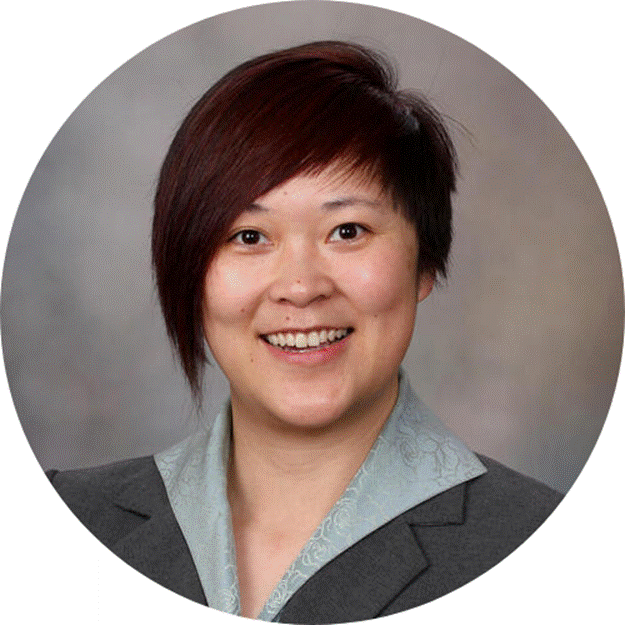
Professor Yi Lin
Mayo Clinic
Professor Yi Lin is the Jess S. Jackson Family Professor of Cancer Research at the Mayo Clinic in Rochester, where she specializes in the treatment of lymphoma and multiple myeloma. She leads laboratory and clinical research programs funded by the U.S. National Institutes of Health (NIH), with a research focus on biomarkers and immunotherapy. She serves as principal investigator (PI) or co-principal investigator (co-PI) for multiple clinical trials evaluating novel dendritic cell vaccines, combination immunotherapies, and CAR-T therapies.
Professor Lin is also the Medical Director of the Immune Effector Cell Program at Mayo Clinic Rochester. As Enterprise Associate Director for Cancer Regenerative Biotherapeutics within the Mayo Clinic Comprehensive Cancer Center and Co-Chair of the Experimental and Novel Therapeutics Disease Group, she oversees the cellular therapy clinical research portfolio and clinical programs across Mayo Clinic’s campuses in Minnesota, Arizona, and Florida. She also serves as Co-Chair of the International Myeloma Working Group (IMWG) Novel Immunotherapy Steering Committee and Co-Chair of the Society for Immunotherapy of Cancer (SITC) Myeloma Immunotherapy Guideline Subcommittee.
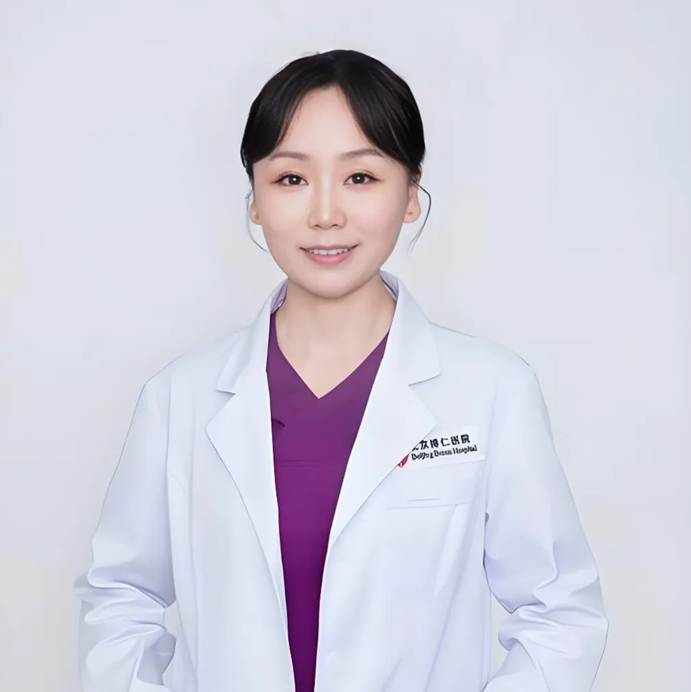
Director Zhihui Li
Beijing GoBroad Boren Hospital
Director Zhihui Li is a Chief Physician, Director of Hematology Department II (Hematopoietic Stem Cell Transplantation Unit) at Beijing GoBroad Boren Hospital, and a physician-scientist at the GoBroad Medical Institute (Hematology), Beijing Research Center.
Her clinical expertise focuses on CAR-T bridging to allogeneic hematopoietic stem cell transplantation (allo-HSCT) for patients with B-cell acute lymphoblastic leukemia (B-ALL), T-cell acute lymphoblastic leukemia (T-ALL), NK/T-cell lymphoma, hemophagocytic lymphohistiocytosis (HLH), aplastic anemia, myelodysplastic syndromes (MDS), as well as the prevention and management of transplant-related complications.
She currently serves as:
- Vice Chair, Digital Diagnosis and Treatment Committee for Hematologic Diseases
- Committee Member, Clinical Applications Committee, Chinese Medical Biotechnology Association
- Committee Member, Hematologic Malignancies Committee, Chinese Anti-Cancer Association
- Committee Member, Pediatric Oncology Nutrition Committee, National Society of Tumor Nutrition
- Committee Member, Infection and Inflammation Radiology Committee, Chinese Research Hospital Association
- Committee Member, Hematopoietic Stem Cell Transplantation Committee, Beijing Cancer Prevention and Treatment Society
- Editorial Board Member, Radiology Science