
Early Detection of Minimal Residual Disease and Risk Stratification for Children with Acute Myeloid Leukemia via Circulating Tumor DNA

Early Detection of Minimal Residual Disease and Risk Stratification for Children with Acute Myeloid Leukemia via Circulating Tumor DNA

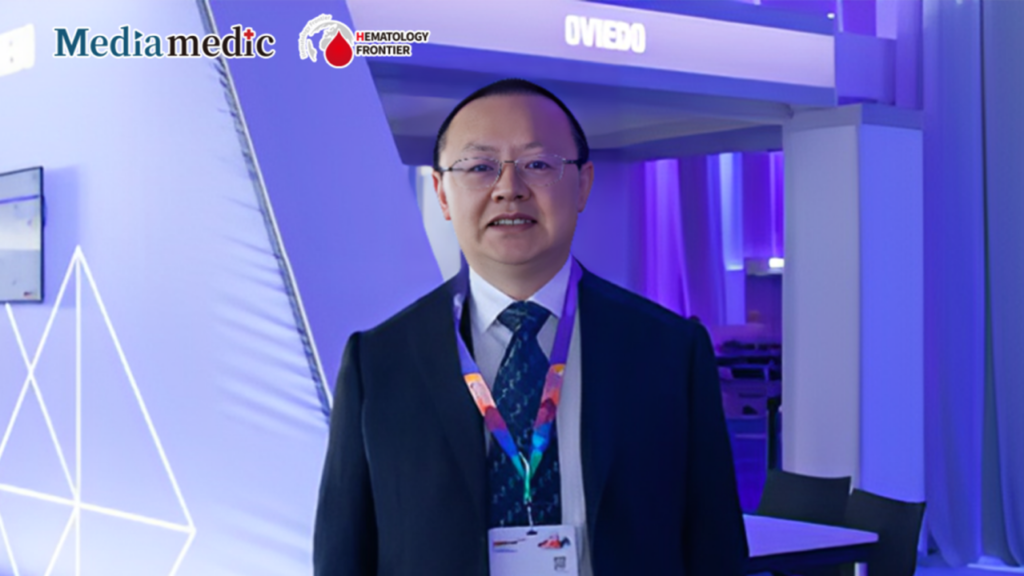
Recently, Professor Xiaofan Zhu, Director of the Division of Pediatric Hematology and Oncology Center at the Institute of Hematology & Blood Diseases Hospital, Chinese Academy of Medical Sciences, Associate Chief Physician Doctor Min Ruan and Attending Doctor LiPeng Liu collaborated on a study titled "Early Detection of Minimal Residual Disease and Risk Stratification for Children with Acute Myeloid Leukemia via Circulating Tumor DNA," published in Clinical Cancer Research (with an impact factor of 11.5). This prospective study was the first to evaluate the longitudinal changes of ctDNA from plasma in patients, as compared to NGS based bone marrow DNA, for the early detection of relapse in children with AML.
Frontiers in Gynecologic Oncology | Can Severe Endometriosis Significantly Increase the Risk of Ovarian Cancer?

Frontiers in Gynecologic Oncology | Can Severe Endometriosis Significantly Increase the Risk of Ovarian Cancer?

A large population-based cohort study led by Dr. Mollie E. Barnard from the Huntsman Cancer Institute at the University of Utah has found that women with endometriosis have an overall higher risk of ovarian cancer, with the risk being significantly elevated in those with severe types of endometriosis. This study, published in the journal of the American Medical Association [1], suggests that these women may benefit from counseling on ovarian cancer risk and prevention, as well as potential ovarian cancer screening.
Lung Cancer Guidelines: ASCO Updates Stage III NSCLC Guidelines Based on LAURA Trial Data, Including Osimertinib

Lung Cancer Guidelines: ASCO Updates Stage III NSCLC Guidelines Based on LAURA Trial Data, Including Osimertinib

The Phase 3 Non-Small Cell Lung Cancer (NSCLC) Treatment ASCO Guidelines has recently been updated, with the revisions based on the results of the Phase 3 LAURA trial. The findings were presented at the 2024 ASCO Annual Meeting and published simultaneously in the New England Journal of Medicine [1, 2]. The new guidelines include a recommendation to use the EGFR-TKI osimertinib in patients with unresectable Stage III NSCLC who have EGFR exon 19 deletions or exon 21 L858R mutations after definitive chemoradiotherapy (CRT).