Balancing Toxicity and Efficacy: How Does Combining ADCs with Other Therapies Impact NSCLC Treatment Prospects?

Balancing Toxicity and Efficacy: How Does Combining ADCs with Other Therapies Impact NSCLC Treatment Prospects?

For advanced non-small cell lung cancer (NSCLC), treatment strategies typically include platinum-based doublet chemotherapy, immunotherapy, and targeted therapy, with specific methods determined by molecular biomarker testing. Current unmet medical needs for advanced NSCLC patients include a lack of new treatment options following the failure of immunotherapy combinations, resistance to targeted therapies, and strategies to improve efficacy.
Optimal Treatment for Resectable NSCLC: Should All Patients Receive Perioperative Immunotherapy?

Optimal Treatment for Resectable NSCLC: Should All Patients Receive Perioperative Immunotherapy?

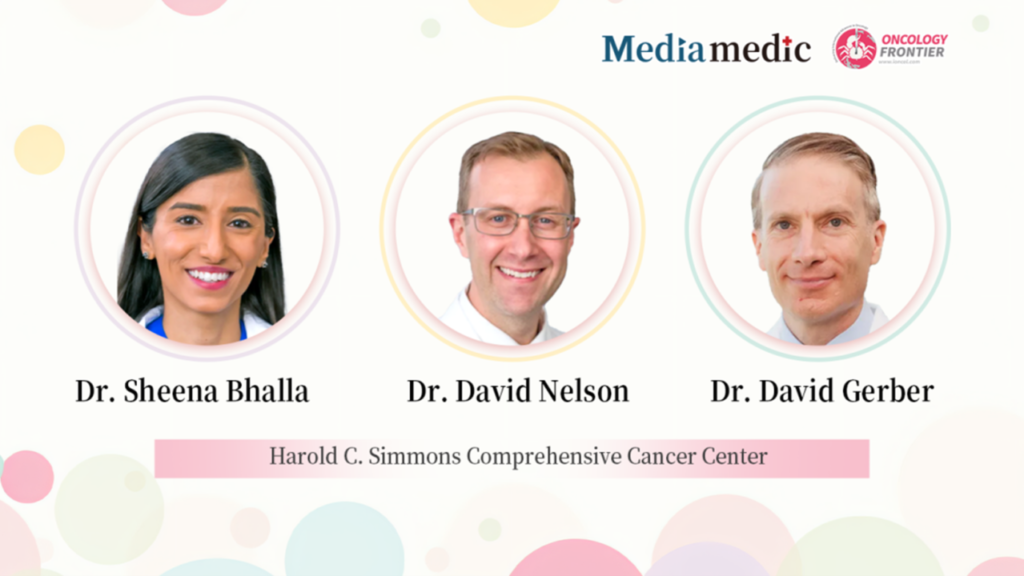
Recently, several immune checkpoint inhibitor (ICI) regimens have gained regulatory approval for neoadjuvant, adjuvant, and perioperative treatment, transforming the treatment landscape for patients with resectable non-small cell lung cancer (NSCLC). Based on the KEYNOTE-671 study, the perioperative pembrolizumab regimen has been approved for resectable NSCLC in stages II, IIIA, or IIIB (T3-4N2). Is this now the standard treatment for resectable stage II/III NSCLC, regardless of PD-L1/EGFR/ALK status? Dr. Sheena Bhalla, Dr. David Nelson, and Dr. David Gerber from the Harold C. Simmons Comprehensive Cancer Center share their insights on this topic.
CSCO 2024 | Learning from the Past to Guide the Future: How Biomarker Testing Supports Precision Treatment for Lung Cancer

CSCO 2024 | Learning from the Past to Guide the Future: How Biomarker Testing Supports Precision Treatment for Lung Cancer

The 27th National Clinical Oncology Conference and 2024 CSCO Annual Meeting, co-hosted by the Chinese Society of Clinical Oncology and the Beijing Health Management Development Foundation, took place in Xiamen from September 25-29, 2024. During the conference, several lung cancer-focused forums highlighted cutting-edge research and progress in the field both domestically and internationally. During the event, Oncology Frontier had the opportunity to interview Dr. Tony Mok from the Faculty of Medicine at The Chinese University of Hong Kong. He shared his insights on the current role and future outlook of biomarker testing in clinical practice for lung cancer.
ESMO 2024丨Docetaxel Remains Standard Therapy for PD-(L)1 Resistant Advanced NSCLC Patients

ESMO 2024丨Docetaxel Remains Standard Therapy for PD-(L)1 Resistant Advanced NSCLC Patients

Anti-PD-(L)1 therapies have been approved for treating advanced non-small cell lung cancer (NSCLC). However, due to limited options, most patients experience disease progression while on anti-PD-(L)1 therapy. At the 2024 European Society for Medical Oncology (ESMO) Annual Meeting, Dr. Pascale Tomasini from the Multidisciplinary Oncology and Therapeutic Innovations department in Marseille, France, presented findings from the PIONeeR trial—a Phase Ib/IIa study targeting specific resistance pathways in PD-(L)1-resistant advanced NSCLC patients. Oncology Frontier interviewed Dr. Pascale Tomasini on the trial’s main findings, the current treatment strategies for advanced NSCLC patients resistant to PD-(L)1 inhibitors, and future directions.
IFSC 2024 | Dr. Daniel G.Tenen from the Cancer Science Institute of Singapore Decodes SALL4 Protein and Cancer

IFSC 2024 | Dr. Daniel G.Tenen from the Cancer Science Institute of Singapore Decodes SALL4 Protein and Cancer

The 9th International Forum on Stem Cells (IFSC) in 2024 focuses on basic stem cell research, regenerative medicine, cell therapy, and the application of clinical research guidelines, gathering experts and scholars from around the world to discuss the latest frontiers in scientific discoveries and technological advancements. During the conference, "Hematology Frontier" specially invited Dr. Daniel G.Tenen, Director of the Cancer Science Institute of Singapore, to share the potential and future trends in the field of cancer treatment.
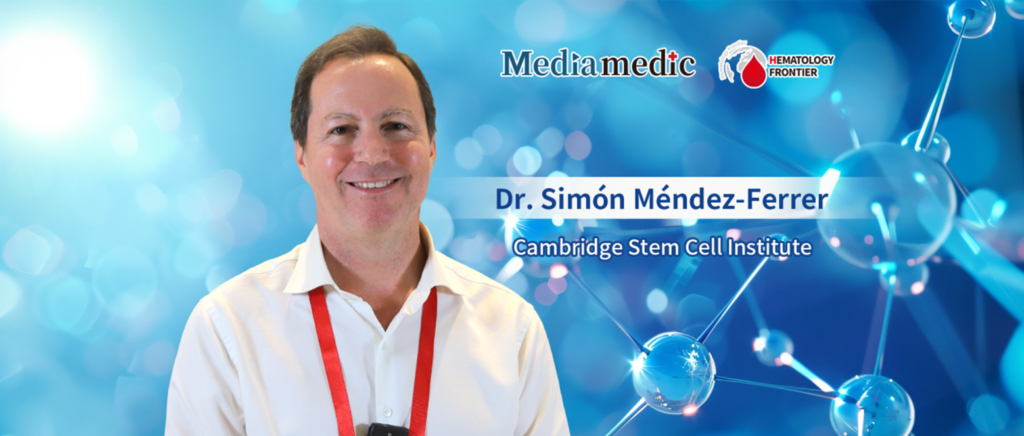
IFSC 2024 | Dr. Simón Méndez-Ferrer Shares New Strategies for the Regulation of the Bone Marrow Microenvironment and the Treatment of Myeloid Malignan

IFSC 2024 | Dr. Simón Méndez-Ferrer Shares New Strategies for the Regulation of the Bone Marrow Microenvironment and the Treatment of Myeloid Malignan

The 9th International Forum on Stem Cells (IFSC) in 2024 focuses on basic stem cell research, regenerative medicine, cell therapy, and the application of clinical research guidelines, gathering experts and scholars from around the world to discuss the latest frontiers of scientific discoveries and technological advancements. During the conference, "Hematology Frontier" specially invited Dr. Simón Méndez-Ferrer from the Cambridge Stem Cell Institute to share key pathways for improving the treatment of myeloid malignant tumors from the perspective of microenvironmental regulation.
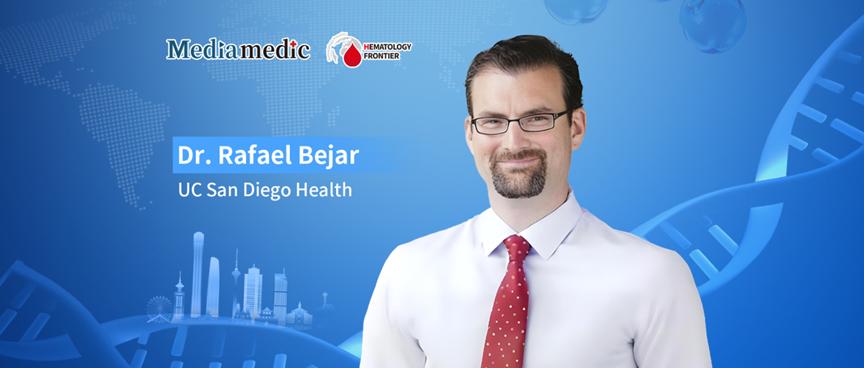
IFSC 2024 | Dr. Rafael Bejar Unveils Clonal Hematopoiesis: Concepts, Risks, and New Treatment Strategies

IFSC 2024 | Dr. Rafael Bejar Unveils Clonal Hematopoiesis: Concepts, Risks, and New Treatment Strategies

The 9th International Forum on Stem Cells (IFSC) in 2024 focused on basic stem cell research, regenerative medicine, cell therapy, and the application of clinical research guidelines, gathering experts and scholars from around the world to discuss the latest frontiers of scientific discoveries and technological advancements. During the conference, "Hematology Frontier" specially invited Dr. Rafael Bejar from UC San Diego Health to share his exploration in the field of clonal hematopoiesis, from biological phenomena to clinical challenges.
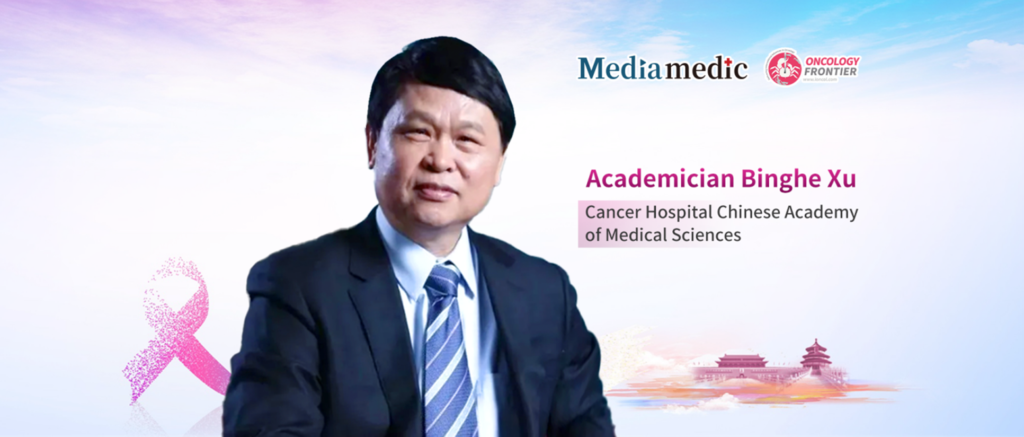
Academician Binghe Xu: The Rise of International Collaboration and China’s Role in Breast Cancer Clinical Research

Academician Binghe Xu: The Rise of International Collaboration and China’s Role in Breast Cancer Clinical Research

With breast cancer incidence rates on the rise globally, it has become a major health threat to women. In China, the challenge of breast cancer control is equally significant, and improving the quality of diagnosis, treatment, and survival rates for breast cancer patients has become a critical task in healthcare. International cooperation has been a driving force in advancing breast cancer clinical research worldwide. At the 2024 Breast Cancer Standardized Diagnosis, Treatment, and Quality Control Conference, Academician Binghe Xu from the Cancer Hospital Chinese Academy of Medical Sciences delivered a report on the current state and future of breast cancer clinical research in China. Oncology Frontier had the privilege of interviewing Academician Xu, who shared insights on how Chinese scholars, by participating in international multicenter clinical trials, have not only gained experience in advanced research methods and management but also earned a prominent role on the global stage, contributing significantly to new treatment options for breast cancer patients worldwide.
ESMO 2024丨Antibody-Drug Conjugates (ADCs) Offer Hope for Breast Cancer Patients, Including Those with Brain Metastases

ESMO 2024丨Antibody-Drug Conjugates (ADCs) Offer Hope for Breast Cancer Patients, Including Those with Brain Metastases

Antibody-drug conjugates have expanded treatment options for patients with unresectable locally advanced or metastatic breast cancer, providing new options for those who have exhausted other treatments. Studies presented at the 2024 European Society for Medical Oncology (ESMO) Congress (September 13-17, Barcelona) aimed to expand the current use of ADCs to a wider patient population and explore novel ADCs in advanced or metastatic breast cancer, shedding light on targeting HER2 and HER3 to improve patient outcomes.