ESMO Investigator Insights | Professor Quchang Ouyang: Deep Tumor Shrinkage and a Manageable Safety Profile — Iza-bren Ushers in a New Era of Bispecific ADC Therapy for Breast Cancer

ESMO Investigator Insights | Professor Quchang Ouyang: Deep Tumor Shrinkage and a Manageable Safety Profile — Iza-bren Ushers in a New Era of Bispecific ADC Therapy for Breast Cancer

The annual meeting of the European Society for Medical Oncology (ESMO) is one of the most authoritative academic gatherings in global oncology. The presentation of key research findings continues to drive advances in clinical practice and reshape treatment paradigms. At the 2026 ESMO Congress, the PANKU-Breast01 study, led by Academician Binghe Xu of the Chinese Academy of Engineering and the National Cancer Center/Cancer Hospital, Chinese Academy of Medical Sciences, was presented as a Late-breaking Abstract (LBA).
ESMO 2026 Expert Insights | Professor Bing Zhao: Overcoming Treatment Bottlenecks in Later-Line HR+/HER2− Advanced Breast Cancer — Iza-bren Ushers in a New Era of Bispecific ADC Therapy for Breast Cancer

ESMO 2026 Expert Insights | Professor Bing Zhao: Overcoming Treatment Bottlenecks in Later-Line HR+/HER2− Advanced Breast Cancer — Iza-bren Ushers in a New Era of Bispecific ADC Therapy for Breast Cancer

At the 2026 European Society for Medical Oncology (ESMO) Congress, iza-bren (BL-B01D1) made a remarkable appearance as the world's first-in-class and first approved EGFR×HER3 bispecific antibody–drug conjugate (ADC), with the strongest clinical impact in its class. The pivotal Phase III PANKU-Breast01 study, led by Academician Binghe Xu of the National Cancer Center/Cancer Hospital, Chinese Academy of Medical Sciences, was presented as a late-breaking abstract (LBA), with the full study published simultaneously in The Lancet (impact factor: 109). In the 200-year history of The Lancet, iza-bren is the first innovative Chinese drug in the breast cancer field to be published in the journal's flagship edition.
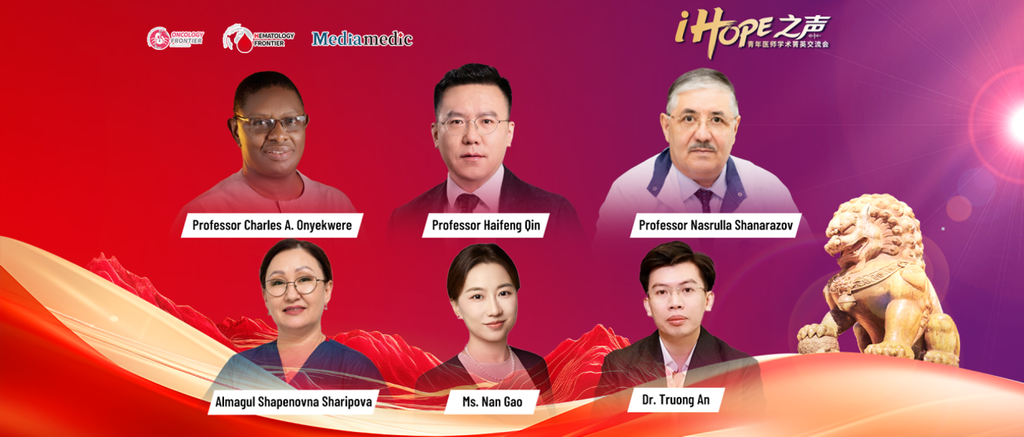
i Hope International Expert Roundtable | Bringing Together Global Expertise to Explore New Pathways in Innovative Medicine and International Healthcare Collaboration

i Hope International Expert Roundtable | Bringing Together Global Expertise to Explore New Pathways in Innovative Medicine and International Healthcare Collaboration

On October 31, 2026, the 6th i Hope Innovative Medicine Forum was held in Beijing. Focusing on the development of innovative medicine and international healthcare collaboration, the forum brought together clinical experts, researchers, and healthcare industry representatives from China and abroad to exchange insights on topics including the clinical application of innovative therapies, global clinical research collaboration, international healthcare partnerships, and the development of nursing capabilities.
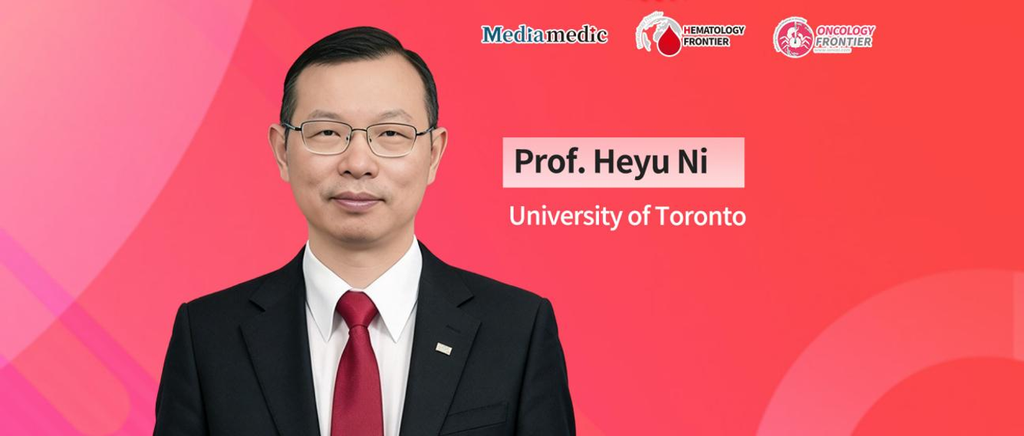
Professor Heyu Ni: New Insights into the Mechanisms of Drug-Induced Thrombocytopenia

Professor Heyu Ni: New Insights into the Mechanisms of Drug-Induced Thrombocytopenia

Drug-induced thrombocytopenia (DITP) is a rare but potentially serious adverse reaction encountered in clinical practice. Its pathogenesis is complex, diagnosis is challenging, and treatment options remain limited. In recent years, advances in our understanding of immune regulation have led to important progress in this field. Oncology Frontier – Hematology Frontier invited Professor Heyu Ni of the University of Toronto, Canada, to discuss recent findings from his team's research on heparin-induced thrombocytopenia (HIT) and atorvastatin-induced thrombocytopenia. He shares new insights that extend beyond hemostatic homeostasis to encompass immune regulation, as well as the potential for clinical translation.
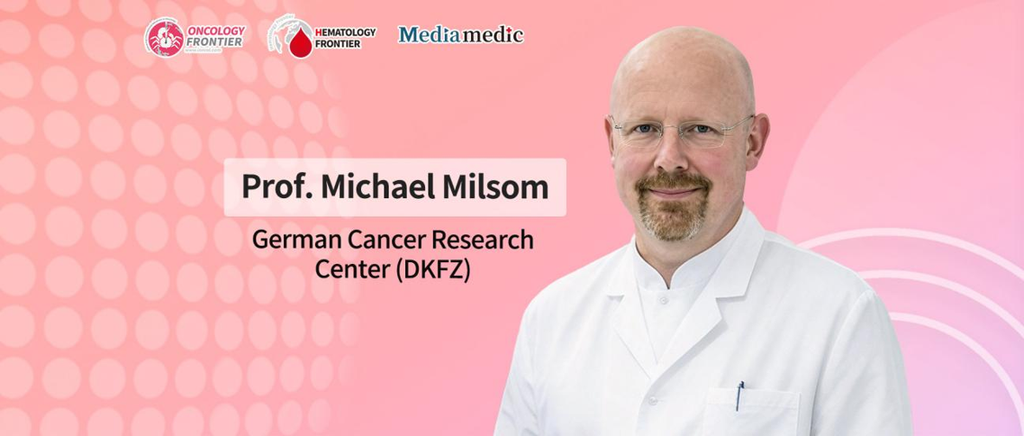
2026 IFSC | Professor Michael Milsom on Inflammation-Driven Hematopoietic Aging and Clonal Hematopoiesis: From Mechanisms to Opportunities for Intervention

2026 IFSC | Professor Michael Milsom on Inflammation-Driven Hematopoietic Aging and Clonal Hematopoiesis: From Mechanisms to Opportunities for Intervention

Basic stem cell research, regenerative medicine, cell therapy, and the clinical application of research guidelines are among the most closely watched frontier areas in global hematology and regenerative medicine. Centered on these topics, The 10th International Forum on Stem Cells (IFSC) brought together leading experts and scholars from around the world to explore scientific discoveries and technological innovations, showcase the latest advances in basic, clinical, and translational research on hematopoietic stem cells, and promote collaborative innovation in the global stem cell field.
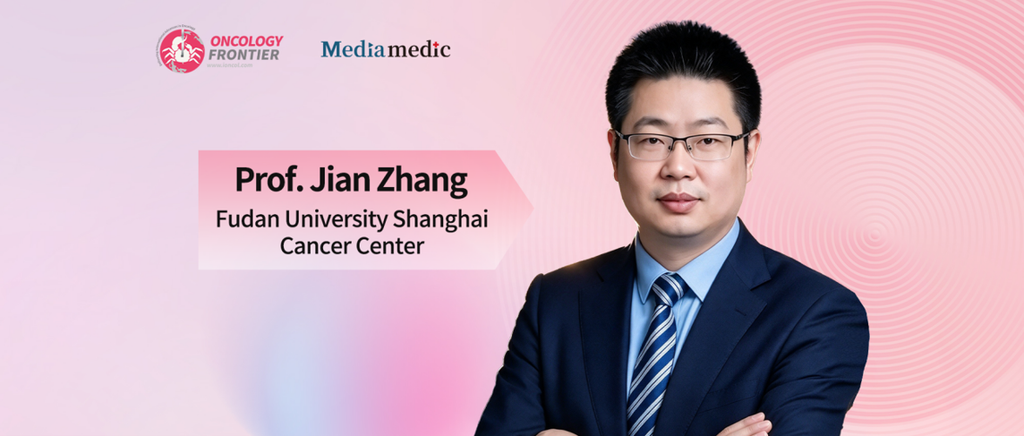
Between Evidence and Consensus | SIBCS Special Feature: Professor Jian Zhang on Consensus in Adjuvant and Advanced Breast Cancer Treatment and Prospective Updates to the 2027 “Little Red Book” Guidelines

Between Evidence and Consensus | SIBCS Special Feature: Professor Jian Zhang on Consensus in Adjuvant and Advanced Breast Cancer Treatment and Prospective Updates to the 2027 “Little Red Book” Guidelines

On October 16–17, the 19th National Breast Cancer Conference and the 21st Shanghai International Breast Cancer Conference (SIBCS) were successfully held in Shanghai. Under the chairmanship of Professor Jian Zhang from Fudan University Shanghai Cancer Center, voting was completed on the adjuvant and advanced disease sections of the “2027 Updates to the Guidelines and Consensus on the Diagnosis and Treatment of Breast Cancer.” Against this background, Oncology Frontier invited Professor Jian Zhang to discuss controversial issues in adjuvant and advanced breast cancer treatment, considerations in sequencing first- and second-line therapies for HER2-positive advanced breast cancer, and potential changes in the 2027 Guidelines and Consensus on the Diagnosis and Treatment of Breast Cancer (the “Little Red Book” guidelines).
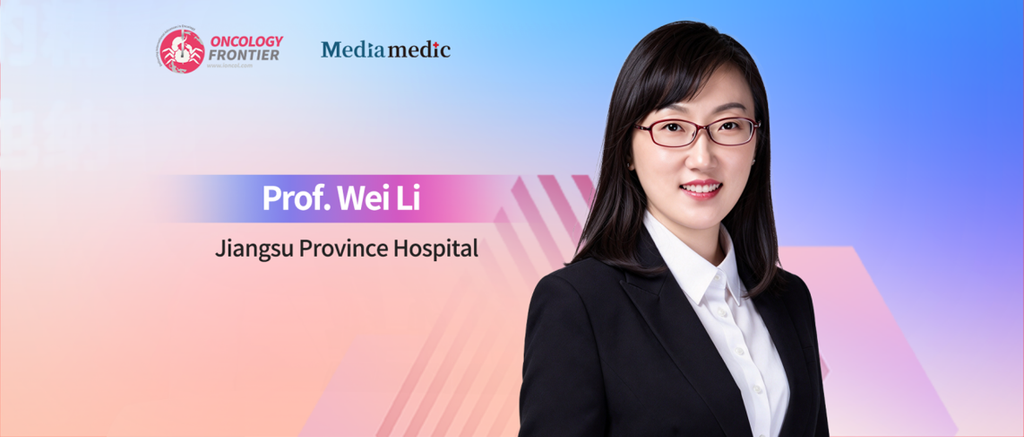
ESMO Voices from China | Professor Wei Li: TELEGRAM Study Reveals Differences in Musculoskeletal Pain Outcomes Between Tuppefilgrastim and Other Long-Acting G-CSFs During Breast Cancer Chemotherapy

ESMO Voices from China | Professor Wei Li: TELEGRAM Study Reveals Differences in Musculoskeletal Pain Outcomes Between Tuppefilgrastim and Other Long-Acting G-CSFs During Breast Cancer Chemotherapy

Chemotherapy-induced neutropenia (CIN) and febrile neutropenia (FN) are important complications that need to be prevented during breast cancer chemotherapy. The use of long-acting granulocyte colony-stimulating factors (G-CSFs) helps prevent these complications and supports the delivery of chemotherapy. At the same time, reducing treatment-related pain has become an important consideration in optimizing supportive care.
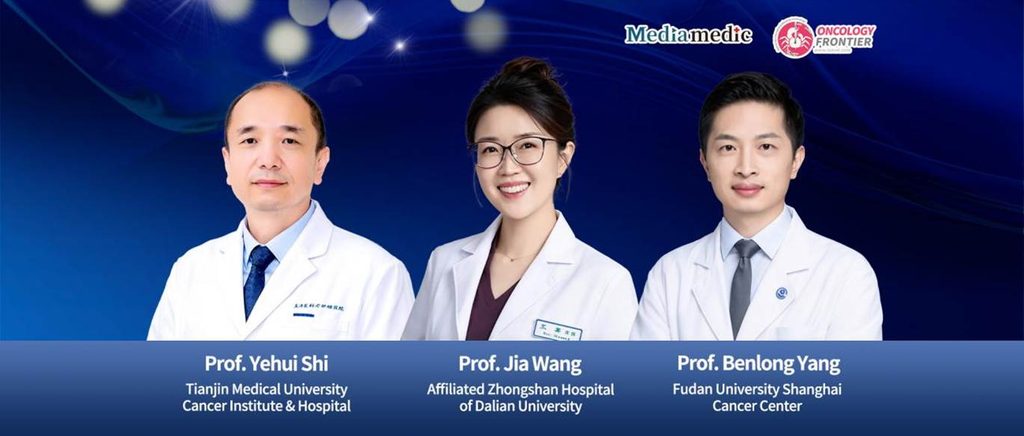
Between Sharpness and Gentleness | SIBCS Special Feature: Professors Yehui Shi, Jia Wang, and Benlong Yang on the Delicate Balance Between Precision and Compassion in Breast Cancer Care

Between Sharpness and Gentleness | SIBCS Special Feature: Professors Yehui Shi, Jia Wang, and Benlong Yang on the Delicate Balance Between Precision and Compassion in Breast Cancer Care

Sharpness and gentleness may appear to be two opposing qualities, but in clinical practice, they often need to coexist within the same treatment decision. During the 19th National Breast Cancer Conference and the 21st Shanghai International Breast Cancer Conference (SIBCS), Professor Benlong Yang of Fudan University Shanghai Cancer Center moderated a roundtable discussion entitled “The Dialectics of Sharpness and Gentleness.” He invited Professor Jia Wang of Zhongshan Hospital Affiliated to Dalian University and Professor Yehui Shi of Tianjin Medical University Cancer Institute and Hospital to explore, from surgical and medical oncology perspectives respectively, a question that runs throughout breast cancer care: When should we be sharp, and when should we be gentle? This article presents the discussion for our readers.
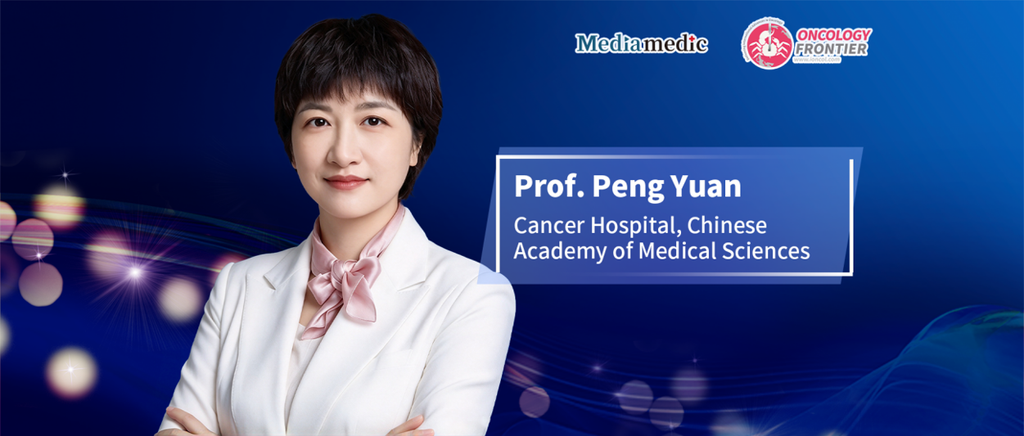
Between Evidence and Compassion | SIBCS Special Feature: Professor Peng Yuan on “Hearing the Sighs Behind Treatment Decisions” — Why Fertility Preservation for Young Breast Cancer Patients Must Begin Earlier

Between Evidence and Compassion | SIBCS Special Feature: Professor Peng Yuan on “Hearing the Sighs Behind Treatment Decisions” — Why Fertility Preservation for Young Breast Cancer Patients Must Begin Earlier

Breast cancer is increasingly affecting younger women. More and more young patients are achieving long-term survival while continuing to have a strong desire to have children. Fertility preservation has therefore become an important component of comprehensive breast cancer care. At the recently held 19th National Breast Cancer Conference and 21st Shanghai International Breast Cancer Conference (SIBCS), Oncology Frontier invited Professor Peng Yuan from the Cancer Hospital, Chinese Academy of Medical Sciences, to share her experience regarding fertility preservation in young breast cancer patients, the timing of discussions between physicians and patients, treatment regimens that may affect fertility, and multidisciplinary support strategies for patients who have missed the optimal window for fertility preservation.
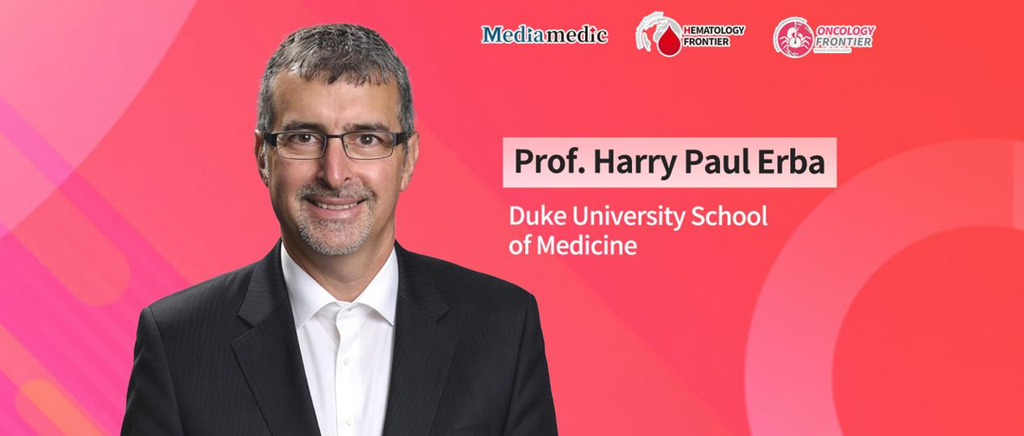
Prof. Harry Paul Erba: Focusing on Precision Therapy for FLT3-Mutated AML and Exploring Resistance Management and MRD-Guided Strategies

Prof. Harry Paul Erba: Focusing on Precision Therapy for FLT3-Mutated AML and Exploring Resistance Management and MRD-Guided Strategies

With the growing adoption of targeted therapies including FLT3 inhibitors and menin inhibitors in the treatment landscape of acute myeloid leukemia (AML), optimizing therapeutic strategies, overcoming secondary resistance, and delivering precision care have emerged as key clinical priorities. Meanwhile, the value of measurable residual disease (MRD) monitoring is increasingly recognized in treatment response assessment, transplantation decision-making, and maintenance therapy.