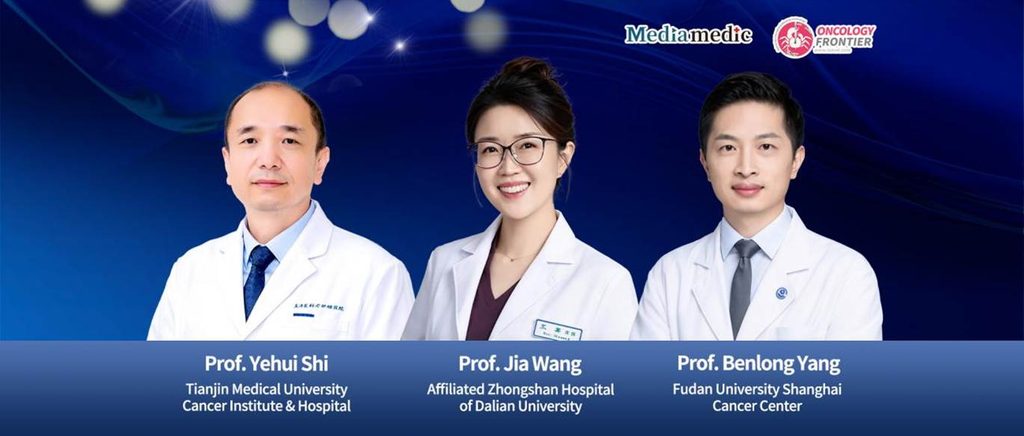
Editor's Note: Sharpness and gentleness may appear to be two opposing qualities, but in clinical practice, they often need to coexist within the same treatment decision. During the 19th National Breast Cancer Conference and the 21st Shanghai International Breast Cancer Conference (SIBCS), Professor Benlong Yang of Fudan University Shanghai Cancer Center moderated a roundtable discussion entitled “The Dialectics of Sharpness and Gentleness.” He invited Professor Jia Wang of Zhongshan Hospital Affiliated to Dalian University and Professor Yehui Shi of Tianjin Medical University Cancer Institute and Hospital to explore, from surgical and medical oncology perspectives respectively, a question that runs throughout breast cancer care: When should we be sharp, and when should we be gentle? This article presents the discussion for our readers.Professor Benlong Yang: Hello, everyone. I am Dr. Benlong Yang from Fudan University Shanghai Cancer Center. Today’s topic is “The Dialectics of Sharpness and Gentleness.” It is my great pleasure to welcome our two guests: Professor Jia Wang from Zhongshan Hospital Affiliated to Dalian University and Professor Yehui Shi from Tianjin Medical University Cancer Institute and Hospital.
Let me begin with our first question. The surgical knife is sharp, but the breast itself is a soft organ that also embodies beauty. Medical treatments are powerful, but the comprehensive management of patients throughout their treatment journey requires a gentler approach. Professor Wang, I would first like to hear your thoughts on the relationship between sharpness and gentleness. In your surgical practice, which aspects require sharpness, and which call for gentleness, empathy, and communication in a manner that patients can more readily accept?
Professor Jia Wang: In clinical practice, whether we are medical oncologists or surgeons, we face the same patients every day. One common psychological characteristic among patients with breast cancer is a tendency toward anxiety. In outpatient clinics, for example, many patients seek medical attention because of breast pain. Even when no nodules or malignant tumors are found, benign breast changes can still cause them considerable concern and confusion.
As physicians helping patients navigate these difficult experiences, we need to apply both sharpness and gentleness flexibly to help them overcome the challenges they encounter during diagnosis and treatment. As a surgeon, I understand the theme of “sharpness and gentleness” on three levels.
First, decision-making should be sharp, while communication should be gentle. When making any decision, patients consider many factors, including their physical condition, family circumstances, financial situation, and social roles. During treatment, surgeons need to move quickly from diagnosis to the first clinical decision. Consequently, we often want to get straight to the point when communicating with patients.
In fact, surgeons have usually determined which type of operation is appropriate for a patient during the initial consultation. We explain the advantages and disadvantages of the options, but the final decision rests with the patient. In the decision-making process, physicians should provide professional judgments that are as sharp and direct as the tip of a knife, clearly identifying the option that is most beneficial to the patient. However, the way we communicate that decision should be gentle.
The patients we see have different personalities and life experiences, so they may interpret the same situation in very different ways. Many conflicts, and even disputes, between doctors and patients ultimately stem from communication. It is therefore essential to put ourselves in the patient’s position and consider issues from their perspective. Being able to resolve problems at work through a gentler approach is particularly important. This is the first point of tension between sharpness and gentleness.
Second, tumor removal should be sharp, while breast preservation or reconstruction should be gentle. The breast is a soft organ, but surgical excision must be precise and decisive. Whether we perform breast-conserving surgery, mastectomy, or reconstructive surgery, our objective must be to target the lesion, reduce the risk of local recurrence, and ensure long-term survival. Oncologic safety must always come first.
At the same time, we have systemic treatment as an important safeguard, which gives us a range of surgical approaches to consider. For patients who are borderline candidates for breast-conserving surgery, we can use various oncoplastic techniques to improve the possibility of preserving the breast. If breast conservation is genuinely not feasible, we can also consider neoadjuvant treatment or breast reconstruction. Drug therapy and surgical techniques can work together to help patients achieve this gentler form of restoration. This represents the second point of tension between sharpness and gentleness.
Third, evidence-based medical data should be sharp, while care and reassurance should be gentle. In clinical practice, many patients ask physicians to help them make treatment decisions. As clinicians, we must always base our recommendations on evidence-based medical data. At its core, however, data represent probabilities and statistical results. These figures may be cold and sharp, but determining the appropriate treatment for an individual patient requires compassion, a willingness to listen gently to the patient’s needs, and open dialogue.
Physicians can provide patients with probabilities and help them weigh potential benefits against the costs and burdens of treatment. Ultimately, however, the patient has the right to decide what kind of life they want to lead and what improvements in survival and quality of life they hope to achieve.
Professor Benlong Yang: Thank you, Professor Wang, for sharing your unique perspective on sharpness and gentleness as a female surgeon. In medical oncology, we also face choices between these two qualities. Some drugs, for example, are highly effective but may cause substantial adverse reactions. Professor Shi, could you share how you understand sharpness and gentleness from a medical oncologist’s perspective? When the two seem to conflict, how do you strike the right balance?
Professor Yehui Shi: Medical treatment for breast cancer has evolved over many years, and the conflict between efficacy and adverse reactions has gradually diminished. Why is cancer so frightening? On the one hand, it can be fatal. On the other, its treatment has traditionally been a double-edged sword: while attacking the tumor, it can also cause considerable harm and suffering to the body. With advances in medicine, I feel that the tension between treatment efficacy and adverse reactions is gradually easing.
Let me draw on my own experience. I have worked in cancer treatment for 28 years, including 20 years in medical oncology. During this time, I have witnessed the history of breast cancer treatment and, in particular, the development of medical therapies. When I first entered this field, chemotherapy was virtually the only option available in medical oncology. There is no doubt that its double-edged nature was particularly evident. Some patients even refused treatment to avoid chemotherapy-related toxicity. Their desire to live was overshadowed by their fear of chemotherapy, and such patients were by no means uncommon in clinical practice.
However, with improvements in medical care, particularly the rapid development of targeted therapies, anti-HER2 treatments, and immunotherapy, the therapeutic double-edged sword has become increasingly effective while one of its edges has grown gentler. These drugs have brought better outcomes to patients with different breast cancer subtypes. Their ability to attack tumors has become increasingly sharp, while their toxicities and adverse reactions have gradually declined.
Therefore, in clinical practice, physicians still need to make specific judgments about which treatment regimen is appropriate for which patients. We also need to think more carefully about the treatment of certain patient groups.
For example, among patients with HR-positive advanced breast cancer, now that CDK4/6 inhibitors are widely available, are there some patients for whom these drugs could genuinely be reserved for later lines of treatment? For patients with HER2-positive breast cancer, now that ADCs are being used in the first-line setting, could we consider moving certain drugs associated with greater toxicity to later lines?
Beyond the high-profile studies currently attracting attention, some studies that receive less attention at conferences also offer valuable insights. For example, patients with low tumor burden, slow disease progression in the earlier stages, advanced age or frailty, and serious treatment-related complications may be candidates for relatively gentle treatment strategies. In some cases, we may even be able to repurpose older drugs.
We need to adjust treatment choices according to each patient’s circumstances. Ultimately, we should direct the sharp edge of the double-edged sword toward the tumor while leaving its gentler side for the patient. This is also a direction in which medical oncology should continue to develop.
Professor Benlong Yang: We are now in the age of artificial intelligence, and patients have access to an increasingly wide range of information. Compared with the past, many patients are more willing to incorporate information they find online into their treatment decisions. However, incomplete information can sometimes lead them to make incorrect judgments, which is particularly regrettable for clinicians to see.
Professor Wang, in surgical decision-making, if a patient chooses an approach that is not suitable for her, would you firmly and sharply refuse to proceed, or would you take a gentler approach and accommodate her preference?
Professor Jia Wang: In fact, surgeons and medical oncologists share one important responsibility when helping patients make treatment decisions: we must ensure that patients truly understand what we are telling them.
Over the past few months, I have gained a great deal of insight from creating educational content online. We devote so much of our energy to explaining surgical procedures and drug treatments after patients have been admitted to the hospital, when in reality, much of this work should be done earlier.
The videos I have posted online have indeed helped improve patients’ understanding. Many patients now arrive at their initial consultation already familiar with professional medical terminology. Improving awareness among women and patients with breast cancer about prevention, screening, and treatment is a shared responsibility for our generation of clinicians.
Education before disease develops is just as important as education after a diagnosis. Our department has also carried out extensive patient education in the ward. For example, as part of our overall inpatient care process, we developed a program called “Breast Walk,” a form of patient education modeled on an urban walking tour. We placed it near the entrance patients use when entering the hospital and ward. Once patients have a general understanding of the inpatient process, they can follow the information step by step, which also reduces the workload for medical staff.
In addition, our department has developed educational comics about surgical treatment. Before I discuss surgical options with patients, those who have already been admitted can learn about their condition through the comics displayed in the ward. By the time I talk to them about surgery and postoperative adjuvant treatment, they have already understood approximately 50%–60% of the information. This makes the conversation much easier.
If a patient is strongly attached to a particular choice, I also have to show my firm side. If her preference violates fundamental principles or crosses a treatment boundary, I will not agree to it. However, when there is room for more than one reasonable treatment choice, I will respect her wishes. For example, if a young patient with breast cancer is eligible for breast-conserving surgery but does not want to preserve her breast, I will respect her decision. Overall, I will not compromise on my fundamental principles, but I will also respect the patient’s wishes.
Professor Benlong Yang: We often say, “There are no patients who make mistakes; there is only patient education that has not been done well enough.” In the age of AI, many patients are benefiting from technological advances and arriving at consultations with treatment plans generated by AI. Professor Shi, based on your clinical experience, if an AI-generated treatment recommendation is inappropriate, how would you persuade the patient? Would you communicate more firmly and assertively, or would you take a gentler approach?
Professor Yehui Shi: In today’s medical environment, situations requiring firm and forceful communication are actually relatively uncommon. As medicine advances, medical specialties become increasingly differentiated, evidence-based data continue to accumulate, and the demands placed on physicians become ever higher. Physicians who rely solely on their accumulated experience from previous years can no longer keep pace with the speed of medical progress. I often tell the younger doctors in my department that the knowledge they possess is not necessarily inferior to that of their senior colleagues.
We are now living in an era of information explosion. AI can assist us with clinical decision-making and information retrieval. More importantly, it gives patients an opportunity to engage with physicians on a more equal footing and makes it easier for them to access relatively standardized treatment approaches.
Therefore, as Professor Yang mentioned, it is becoming increasingly common for patients to bring AI-generated treatment recommendations into clinical consultations. However, if a patient’s limited knowledge or an inappropriate search approach leads AI to produce conclusions that conflict with clinical practice, it can indeed be difficult for us as clinicians to find additional evidence that will persuade the patient.
I believe that communication skills become particularly important in such situations, but the most important thing is to uphold our principles. Medicine, and cancer treatment in particular, is inherently full of uncertainty. We can compromise on issues that do not involve fundamental principles, but we must stand firm on matters of principle. Upholding these principles is part of a physician’s professional duty. If we cross those professional boundaries, then the time when AI replaces physicians has already arrived.
Therefore, I believe that the ultimate responsibility for treatment decisions rests with the physician, who must always uphold professional ethics and standards.
Professor Benlong Yang: Thank you to both of you for joining me in discussing such a philosophical question: how can we achieve unity between sharpness and gentleness in medicine? To conclude, I would like each of you to summarize in one sentence how you understand the unity of these two qualities, particularly in medical and surgical practice.
Professor Jia Wang: I sincerely hope that all patients can enjoy a good quality of life while achieving long-term survival. I also hope that every patient will always have confidence in and trust their physician.
Professor Yehui Shi: Gentleness and sharpness will always exist in a relationship of opposition and unity. We hope to reserve the gentle side for our patients and direct the sharp side toward the tumor.
Professor Benlong Yang: Medicine is indeed the ideal union of science and humanity. Technologies may continue to evolve, but the essence of medicine will never change: caring for and helping others. Whether in the age of artificial intelligence or the Stone Age, all healthcare professionals will do their utmost to care for patients and help relieve their suffering. This is the ultimate and perfect unity of sharpness and gentleness.
Finally, I would like to once again wish all our colleagues and patients good health. Thank you, everyone.
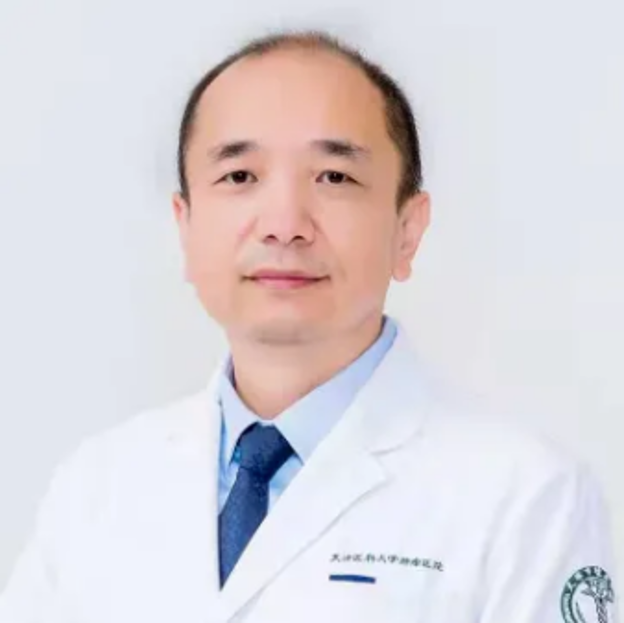
Professor Yehui Shi
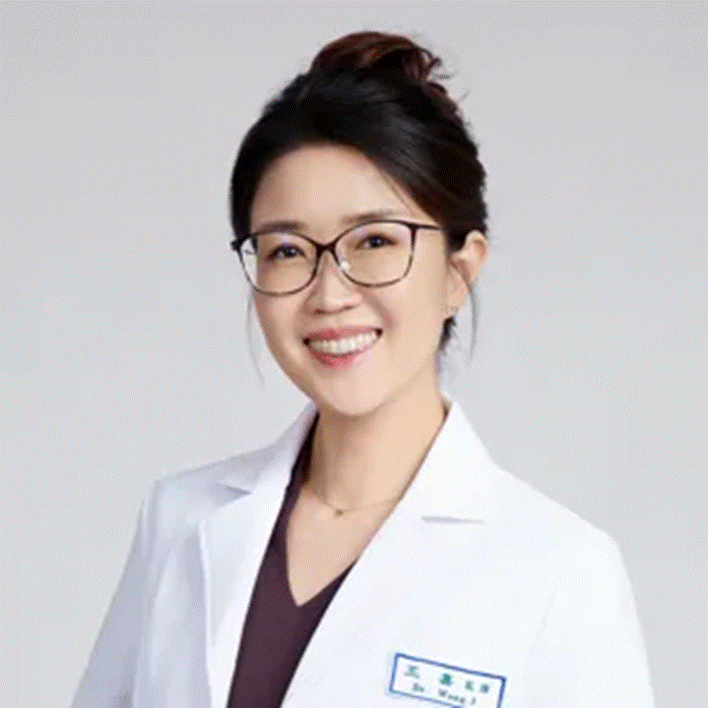
Professor Jia Wang
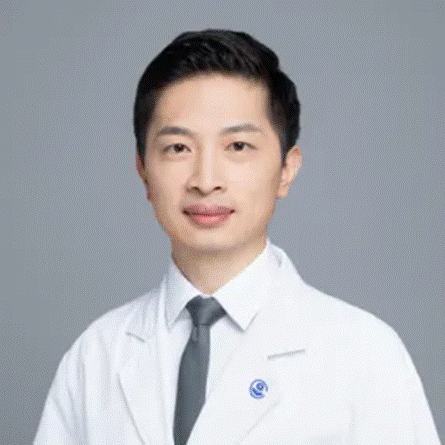
Professor Benlong Yang