
Editor's Note: On October 31, 2026, the 6th i Hope Innovative Medicine Forum was held in Beijing. Focusing on the development of innovative medicine and international healthcare collaboration, the forum brought together clinical experts, researchers, and healthcare industry representatives from China and abroad to exchange insights on topics including the clinical application of innovative therapies, global clinical research collaboration, international healthcare partnerships, and the development of nursing capabilities.During the forum, the Global Alliance of Academic Research Organizations (ARO) was officially established. Signing ceremonies were also held for cooperation agreements between GoBroad Healthcare Group and the China-Africa Business Council, and between GoBroad Hospital and the Medical Center Hospital of the Presidential Affairs Administration of the Republic of Kazakhstan. These initiatives are expected to further promote China-Africa and China-Kazakhstan healthcare cooperation, as well as international clinical research collaboration.
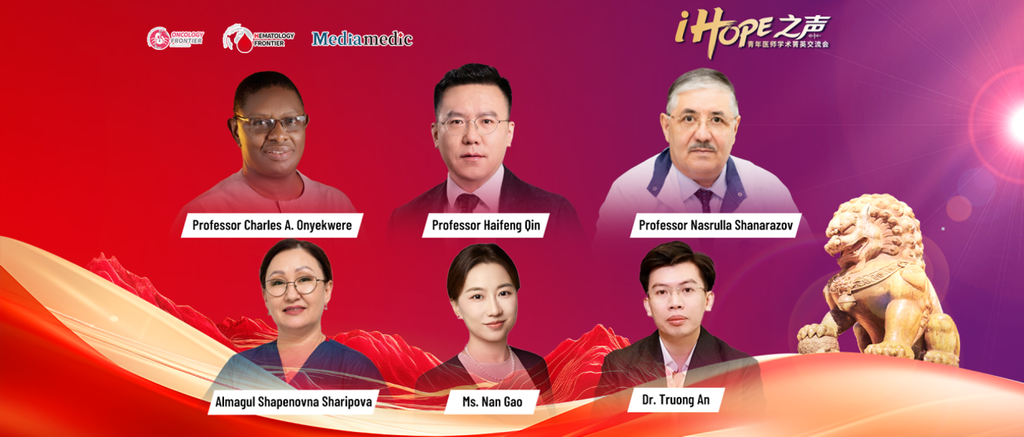
Against this backdrop, Oncology Frontier invited Professor Haifeng Qin, Founder of i Hope Medicine at GoBroad Hospital; Professor Nasrulla Shanazarov of the Medical Center Hospital of the Presidential Affairs Administration of the Republic of Kazakhstan; Professor Charles A. Onyekwere of Lagos State University Teaching Hospital (LASUTH); Dr. Truong An of Pham Ngoc Thach University of Medicine in Vietnam; Nurse Almagul Sharipova of the Medical Center Hospital of the Presidential Affairs Administration of the Republic of Kazakhstan; and Ms. Nan Gao, Vice President of GoBroad Healthcare Group, to participate in a roundtable discussion.
The panel explored the clinical investigation and translational application of innovative medical technologies, cross-border healthcare partnerships and research collaboration, and the continuous optimization of patient services and nursing practices. Through the exchange of diverse experiences and perspectives, the participants explored new opportunities for the development of innovative medicine and international healthcare cooperation.
Riding the Wave of Innovation: New Possibilities in Cancer Treatment
Clinical Exploration and Translation of Cell Therapy and Photodynamic Therapy
Professor Haifeng Qin: China’s innovative medicines have evolved from following international developments to taking a leading role. Several domestically developed drugs have been presented at major international academic conferences on the strength of their excellent clinical data, helping drive updates to clinical guidelines both in China and internationally.
Significant progress has also been made in innovative therapies, particularly cell therapy. NK cell therapy, CAR-NK, CAR-T, and tumor-infiltrating lymphocyte (TIL) therapies have achieved important breakthroughs in hematological malignancies, especially lymphoma, and are gradually expanding into the field of solid tumors. The Claudin 18.2-targeted CAR-T product satricabtagene autoleucel has received regulatory approval, becoming the world’s first approved CAR-T therapy for solid tumors and opening up a new treatment pathway for these malignancies.
GoBroad Hospital continues to conduct multiple clinical studies involving innovative drugs and cell therapies, with encouraging data emerging from areas such as TIL and CAR-T therapy. Moving forward, we will further strengthen the connection between Phase I, II, and III studies, promote multicenter collaboration, and accelerate the clinical translation of innovative therapies.
It is important to emphasize that patients should approach these therapies rationally and exercise caution when considering participation in the absence of adequate clinical evidence or regulatory approval. Researchers, for their part, must uphold scientific rigor and conduct investigator-initiated or registered clinical studies in accordance with established standards.
Professor Nasrulla Shanazarov: Cancer represents a major threat to human health. Currently, cancer treatment has evolved into a comprehensive system that includes surgery, chemotherapy, radiotherapy, targeted therapy, immunotherapy, and endocrine therapy. All these approaches offer important clinical value. However, despite these advances, we have not yet fully achieved the goal of effectively curing patients, whether at early or advanced stages of disease. Against this background, photodynamic therapy (PDT) offers a new treatment option that may complement existing approaches.
PDT is by no means a universal solution. Its clinical application requires comprehensive consideration of tumor type, disease stage, and individual patient characteristics. Suitability must be assessed on a case-by-case basis, with appropriate selection of dosage and power settings, as well as evaluation of expected efficacy and the feasibility of combination treatment.
PDT can be used as a standalone treatment or combined with surgery, chemoradiotherapy, targeted therapy, and immunotherapy. Only through standardized application based on individualized treatment principles can its therapeutic efficiency be improved. This is also an important direction in the ongoing development of clinical cancer care.
Professor Charles A. Onyekwere: This conference has highlighted innovative cancer therapies and advances in molecular research. Compared with conventional surgery and chemotherapy, emerging approaches such as PDT are gradually entering clinical practice. However, further work is needed to define their indications, boundaries of application, and efficacy evaluation criteria, so that their use within comprehensive treatment strategies can be appropriately standardized.
In terms of regional cancer epidemiology, Nigeria faces a substantial cancer burden. Breast and cervical cancers are the predominant malignancies among women, while prostate and gastrointestinal cancers are common among men. The high prevalence of hepatitis virus infections also contributes to a considerable liver cancer burden. These epidemiological characteristics share certain similarities with those observed in some regions of China.
At present, many patients in Nigeria are diagnosed at an advanced stage, when curative treatment is no longer feasible, and palliative care becomes the main treatment approach. Therefore, improving public awareness of cancer risk factors and strengthening early diagnosis and screening capabilities are particularly urgent priorities.
At the same time, clinical research needs to be conducted locally to evaluate the suitability of innovative therapies for the Nigerian population and generate the evidence needed to support their standardized application.
Crossing Borders Through Collaboration: Envisioning a New Global Healthcare Partnership
Establishment of the Global ARO Alliance and Signing of China-Kazakhstan and China-Africa Healthcare Cooperation Agreements
Professor Haifeng Qin: GoBroad Healthcare Group is positioned as an international research-oriented healthcare platform, with a focus on early-phase clinical research, including Phase I studies, investigator-initiated trials (IITs), and industry-sponsored trials (ISTs). Projects involving CAR-T, TIL, TCR-T, and radiopharmaceuticals, as mentioned earlier, are being advanced through this platform.
Compared with traditional models, the platform operates with greater efficiency. Some projects can progress from initiation to patient screening and enrollment in approximately ten working days, helping patients access clinical studies more quickly.
The ARO Alliance has now been upgraded to the Global ARO Alliance, with the goal of establishing a high-level international collaboration platform. By bringing together sponsors, clinical investigators, and regional medical experts to jointly undertake international multicenter clinical studies, the alliance aims to strengthen quality control in patient enrollment, optimize clinical research pathways, and accelerate the translation of innovative drugs and therapies.
The alliance has already expanded its reach to Kazakhstan, Azerbaijan, Indonesia, and Malaysia, while incorporating expertise from countries and regions including Vietnam and the Republic of the Congo. By integrating patient data from Asia, the Caucasus, and other regions, we hope to optimize global clinical trial pathways and treatment strategies and generate influential research findings more efficiently.
The platform’s scope extends beyond oncology to include areas of strength such as hematological diseases, brain science, and pediatrics, providing researchers with broader opportunities. In the future, we will use the Global ARO Alliance to promote academic exchange and information sharing, strengthen communication with companies and sponsors, and encourage the translation of clinical research insights into new approaches to patient care.
We look forward to welcoming more colleagues to the Global ARO Alliance and working together to bring hope to more patients and make greater contributions to global health.
Professor Nasrulla Shanazarov: No medical institution can independently cover every area of diagnosis, treatment, and research. Each institution has its own professional strengths and distinctive areas of expertise. By integrating the clinical experience, research findings, and academic perspectives of both sides, we can potentially further improve treatment outcomes.
GoBroad Healthcare Group has considerable clinical experience and a strong research foundation in cell therapy, particularly NK cell therapy. The Medical Center Hospital of the Presidential Affairs Administration of the Republic of Kazakhstan, meanwhile, has accumulated treatment experience involving approximately 2,000 patients in the field of PDT and has achieved encouraging clinical results.
Following nearly a year of communication, both sides believe that combining NK cell therapy with systemic photodynamic therapy may help improve patient outcomes. Therefore, the agreement signed between GoBroad Hospital and the Medical Center Hospital of the Presidential Affairs Administration of the Republic of Kazakhstan formally confirms an existing collaborative relationship.
Going forward, the two institutions will deepen their cooperation in PDT, comprehensive diagnosis and treatment, and clinical research, working together to promote the clinical translation of relevant research findings.
Professor Charles A. Onyekwere: Africa currently faces a substantial cancer burden, with most patients diagnosed at advanced stages. Improving early cancer diagnosis is therefore critically important. This requires stronger public health education to increase awareness of early cancer symptoms and risk factors, alongside improvements in the diagnostic capabilities of healthcare providers.
Meanwhile, as innovative anticancer therapies continue to develop, Africa also needs to strengthen its capacity to implement new technologies and treatments in clinical practice. International cooperation, professional training, and academic exchange can help address gaps in medical resources and expertise. It is also important to actively conduct local clinical studies and international multicenter clinical trials, generating evidence-based and real-world data that reflect the characteristics of African populations. These efforts can help improve cancer diagnosis and treatment in Nigeria and across the continent.
The establishment of the Global ARO Alliance offers an important opportunity to explore deeper collaboration between our regions. For Africa, access to a clinical research platform can create opportunities for patients to receive innovative therapies. At the same time, GoBroad Healthcare Group can expand the populations included in its research, ensuring that findings are not limited to Chinese patients and potentially improving the generalizability and broader applicability of treatment approaches. This makes the development of partnerships with African countries particularly meaningful.
Dr. Truong An: Cancer treatment approaches, clinical guidelines, and relevant regulations vary across countries. Clinicians generally conduct diagnosis and treatment in accordance with their own national guidelines, rules, and laws.
Through academic exchange within the Global ARO Alliance, we can gain exposure to a wider range of treatment philosophies and technological approaches, which can positively influence patient management. If a patient cannot access appropriate treatment in their home country, or if a treatment option available abroad is better suited to their condition, we can assist in referring the patient to the relevant country to ensure access to more appropriate care.
Ms. Nan Gao: GoBroad Healthcare Group has been developing its international healthcare services for nearly three years and has treated hundreds of critically ill patients with cancer and hematological diseases from 45 countries worldwide.
Through on-site research and strategic partnerships in more than ten countries, we have gained a deeper understanding of the future of China’s international healthcare development. We believe its success will depend on effectively connecting China’s clinical value with the global community, enabling the world to see, understand, and validate China’s medical practices, and building international partnerships on that foundation to benefit more patients overseas.
We are confident in the prospects for China’s international healthcare development, primarily because of four key strengths.
First, strong clinical practice capabilities. Supported by a large patient population, China has developed high-efficiency clinical diagnosis and treatment systems and accumulated extensive experience.
Second, robust clinical innovation capabilities. In the treatment of complex and severe diseases, Chinese clinicians continuously develop innovative approaches and progressively translate them into clinical research, creating synergies with industry.
Third, high clinical research efficiency. China can generate high-quality clinical evidence relatively quickly, accelerating the implementation and translation of innovative drugs, medical devices, and diagnostic technologies.
Fourth, well-developed patient services. Years of experience serving large numbers of patients have enabled the development of a relatively systematic and efficient service model.
Overall, China’s clinical value and the international expansion of its healthcare capabilities have broad prospects, with considerable potential to exert a greater global influence.
Putting Patients First: Improving the Quality and Efficiency of Cancer Care
Sharing Conference Experiences and Discussing Research Nurse Development and Collaboration in Comprehensive Patient Management
Nurse Almagul Sharipova: China is a great and powerful country, and I am very happy to be visiting for the second time. Previously, I was invited by GoBroad Healthcare Group to attend a related conference and deliver a presentation. For me, this has always been a valuable learning platform, helping us systematically understand the standards and methods involved in the clinical care of patients with cancer.
Both my first visit and today’s conference have left a deep impression on me. I sincerely thank GoBroad Healthcare Group for the invitation. Today’s nursing-focused session has been particularly rewarding.
Nursing is a highly specialized profession that carries significant responsibility. Well-trained and disciplined nurses can substantially improve the efficiency of clinical collaboration and the quality of patient care.
Nursing is a fundamental pillar of medicine. In every country, in every hospital, and in the care of patients with every type of disease, nurses are among the physicians’ most important partners in delivering treatment. Without the support of professional nurses, the work of physicians would be extremely difficult.
Nurses are responsible not only for carrying out medical orders but also for essential procedures such as injections, observation, and patient monitoring. They must receive systematic nursing education and continuously build their experience through long-term clinical practice.
The development of research nurses is also a gradual process. Through continuous learning and clinical practice, they progressively strengthen their professional capabilities and eventually advance to positions such as head nurse, senior nurse, or other respected professional nursing roles.
Dr. Truong An: This conference was of a very high professional standard, and I feel honored to have participated and exchanged insights with oncology experts from around the world. Through the meeting, we gained a systematic understanding of how China’s healthcare system operates and learned about medical advances that we had not previously had sufficient opportunities to explore. The experience was highly rewarding.
The conference was organized in a rigorous and professional manner, and the overall experience was excellent. Academically, we learned about several advanced cancer treatment technologies and gained many new insights into the diagnosis and treatment of hematological diseases, further broadening our understanding of the latest developments in the field.
Ms. Nan Gao: This is the third international innovation forum organized by i Hope and GoBroad Healthcare Group. The program was rich in content, with three specialized parallel sessions also scheduled for the afternoon.
Over the past three years, we have gradually expanded our exchanges and partnerships with neighboring countries, as well as Australia, New Zealand, and countries and regions in Africa. This year’s conference invited more than ten international experts, primarily from Central Asia, Southeast Asia, and African countries and regions, including Nigeria.
China and its neighboring countries share close geographical ties and have a strong foundation for cooperation under the Belt and Road Initiative. Meanwhile, exchanges with African countries such as Nigeria can help further expand China-Africa healthcare collaboration. Through international academic exchange, we hope to promote mutual understanding among clinical experts from different countries, share treatment philosophies and technological innovations, and encourage the exchange of clinical technologies and practical experience.
This conference also placed considerable emphasis on clinical research and industry collaboration.
On the one hand, we organized dedicated training and exchange activities for research nurses. As an important component of the global ARO clinical research collaboration network, research nurses play a crucial role in implementing clinical trials and ensuring research quality. It is therefore essential to promote relevant training and international exchange.
On the other hand, the conference brought together scientists in basic research, partners in innovative therapies, and industry representatives. We also invited the China-Africa Business Council and strategic partners involved in the international expansion of medical devices, creating a platform for overseas experts to connect with relevant resources. Discussions focused on potential collaboration in diagnostic projects, treatment technologies, medical devices, equipment, and consumables.
Looking ahead, we hope to use this conference as a bridge to further develop an international collaboration platform covering clinical diagnosis and treatment, clinical research, research nurse training, and industry resource coordination. Our ultimate goal is to promote collaboration throughout the entire continuum of cancer care, from diagnosis and treatment to follow-up.
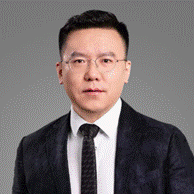
Professor Haifeng Qin
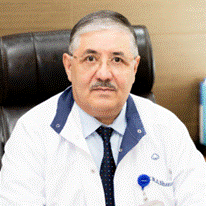
Professor Nasrulla Shanazarov

Professor Charles A. Onyekwere

Dr. Truong An
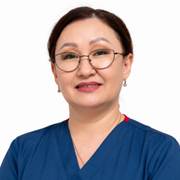
Nurse Almagul Sharipova
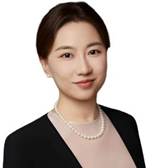
Ms. Nan Gao