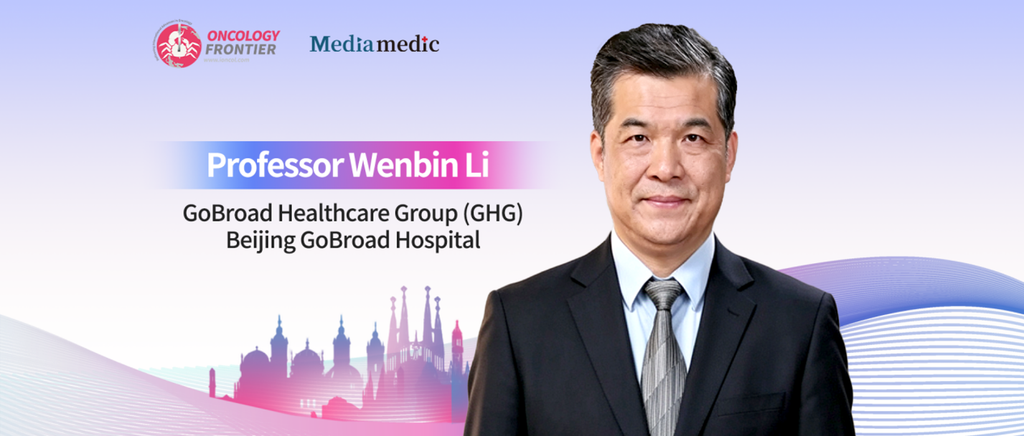
ESMO China Voice | Professor Li Wenbin: Breaking the Blood-Brain Barrier — Novel Targeted and Chemotherapy Regimens Bring a Survival Breakthrough for Recurrent Glioma

Recurrent high-grade glioma (HGG) has an extremely poor prognosis, particularly in IDH-wildtype patients, with a median overall survival (OS) of only 6–10 months. Despite progress in targeted therapy, the treatment of central nervous system (CNS) tumors remains a significant challenge due to the physiological barrier of the blood-brain barrier (BBB). At the 2026 European Society for Medical Oncology (ESMO) Congress, Professor Wenbin Li’s team from the Comprehensive Neuro-Oncology Center, Beijing GoBroad Hospital, presented two research findings: a Phase I oral presentation on the novel BRAF inhibitor HSK42360 in recurrent glioma, and multicenter, large-sample prospective data on teniposide combined with platinum for recurrent HGG. On October 31, the 6th iHope Innovative Medicine Forum was held. With the construction of the ARO (Academic Research Organization) clinical research system as its core, the forum demonstrated Beijing GoBroad Hospital’s strength in building a multinational, multicenter clinical research system and translating cutting-edge technologies. Oncology Frontier invited Professor Li Wenbin to interpret the breakthroughs in clinical translation of innovative drugs and the evolving landscape of neuro-oncology treatment from the perspectives of translational medicine and clinical research.