EASL Special Report丨Focus on the Management of Hepatitis B, Cirrhosis, and Portal Hypertension

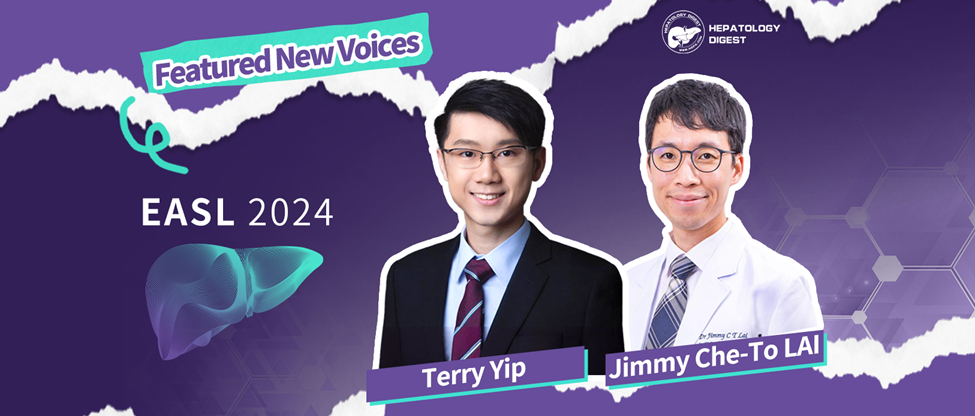
Editor's Note: From June 5-8, 2024, the European Association for the Study of the Liver (EASL) Annual Meeting was held in Milan, Italy. Over 7,000 hepatology experts from around the world gathered for this academic event. On the first day, the conference focused on various fields including chronic hepatitis B, cirrhosis, and portal hypertension. Hepatology Digest invited two young experts from the Chinese University of Hong Kong, Professor Terry Yip and Dr. Jimmy Che-To Lai, to share their insights and experiences.