-
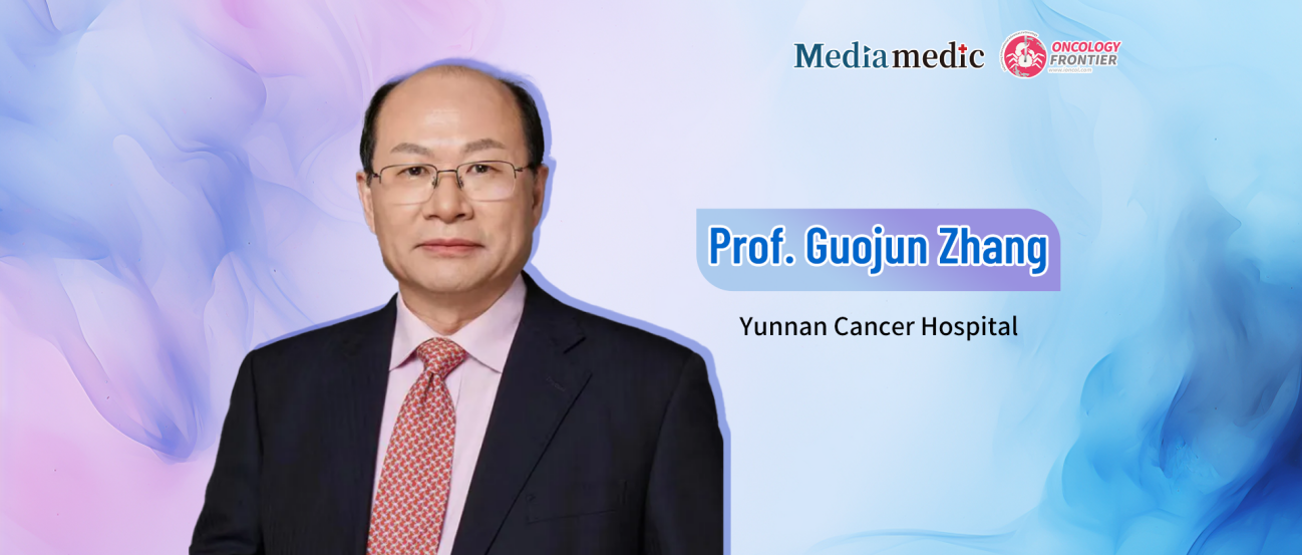
10th Yunling Breast Cancer Conference | Professor Guojun Zhang: A Decade of Progress, A New Journey Ahead — Molecular Imaging Navigation Empowering Precision Breast Surgery
The 10th Yunling Breast Cancer Conference was held in Kunming from August 21–22, 2026. After a decade of development, the Yunling Breast Cancer Conference has evolved from a regional academic exchange platform into a widely influential breast cancer academic brand. With the theme “Inheritance, Innovation, and Vision,” this year’s conference not only brought together leading…
-
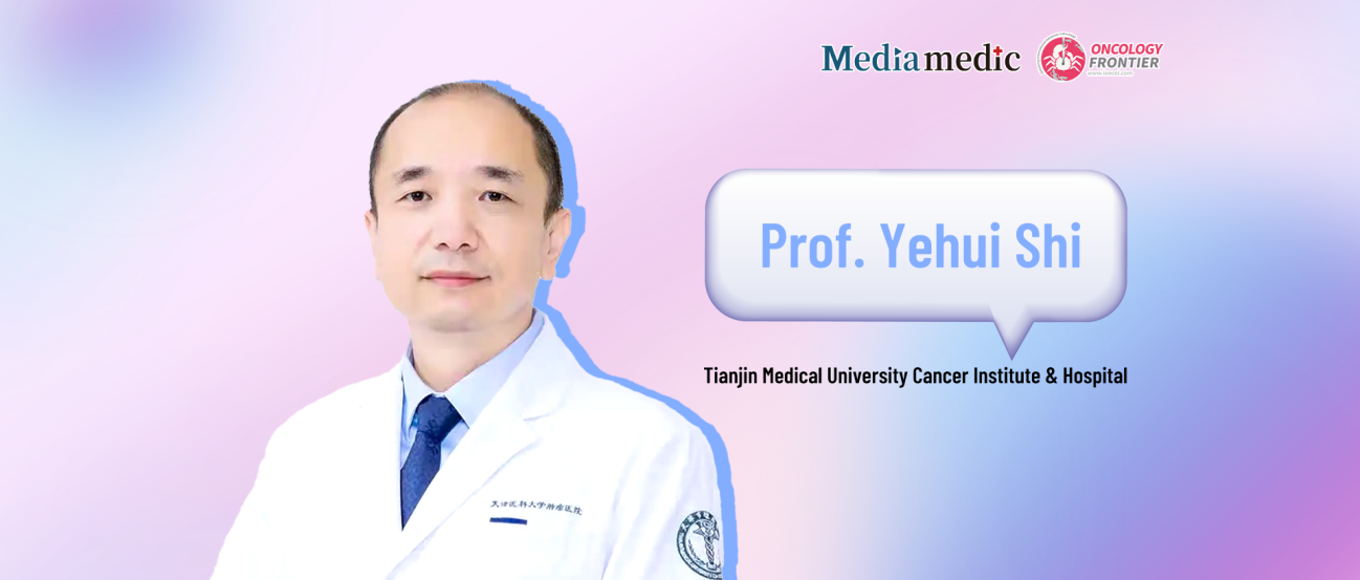
10th Yunling Breast Cancer Conference | Professor Yehui Shi: From “Targeting What Can Be Targeted” to Moving ADCs Forward — Reshaping the Precision Treatment Pathway for Advanced HR+/HER2− Breast Cancer
HR+/HER2− breast cancer is the most common molecular subtype of breast cancer, and the combination of CDK4/6 inhibitors and endocrine therapy has become an important standard first-line treatment for patients with advanced disease. With the increasing availability of PI3K/AKT/mTOR (PAM) pathway inhibitors, novel endocrine therapies, and antibody-drug conjugates (ADCs), the treatment of advanced HR+/HER2− breast…
-
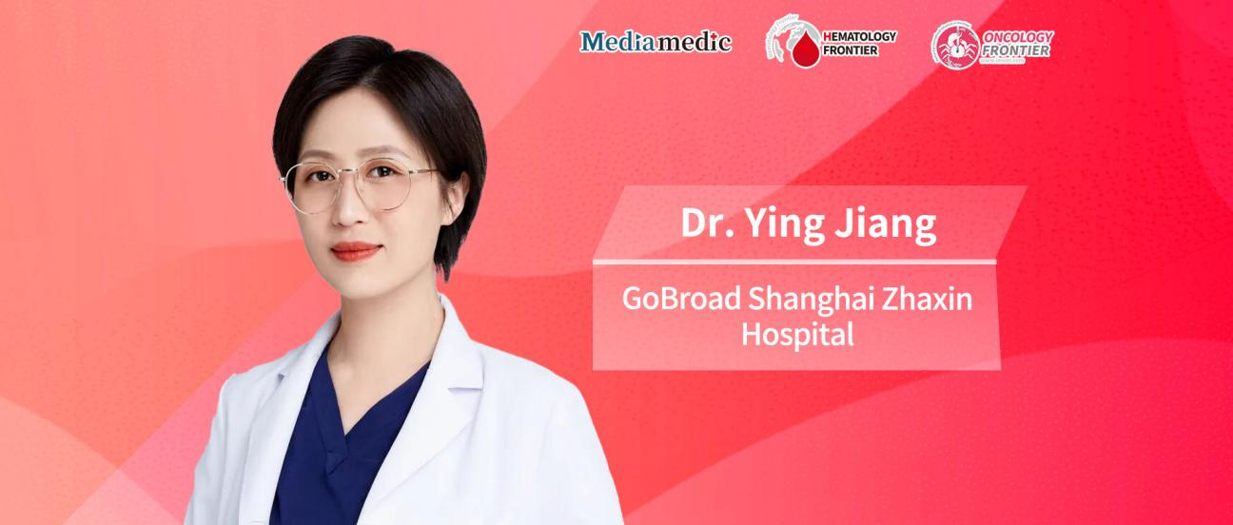
Director Ying Jiang: Optimizing the Combination of Transplantation and CAR-T Therapy to Explore New Pathways for Immunotherapy in Hematologic Malignancies | Gaobo Medical Forum 2026
From August 29–30, 2026, the “Gaobo Medical Forum — 6th Clinical Application Symposium and Training Course on Autologous Hematopoietic Stem Cell Transplantation,” organized by the National Clinical Research Center for Blood Diseases of the Institute of Hematology & Blood Diseases Hospital, Chinese Academy of Medical Sciences, and hosted by Shanghai Zha Xin Hospital/Shanghai Liquan Hospital…
-
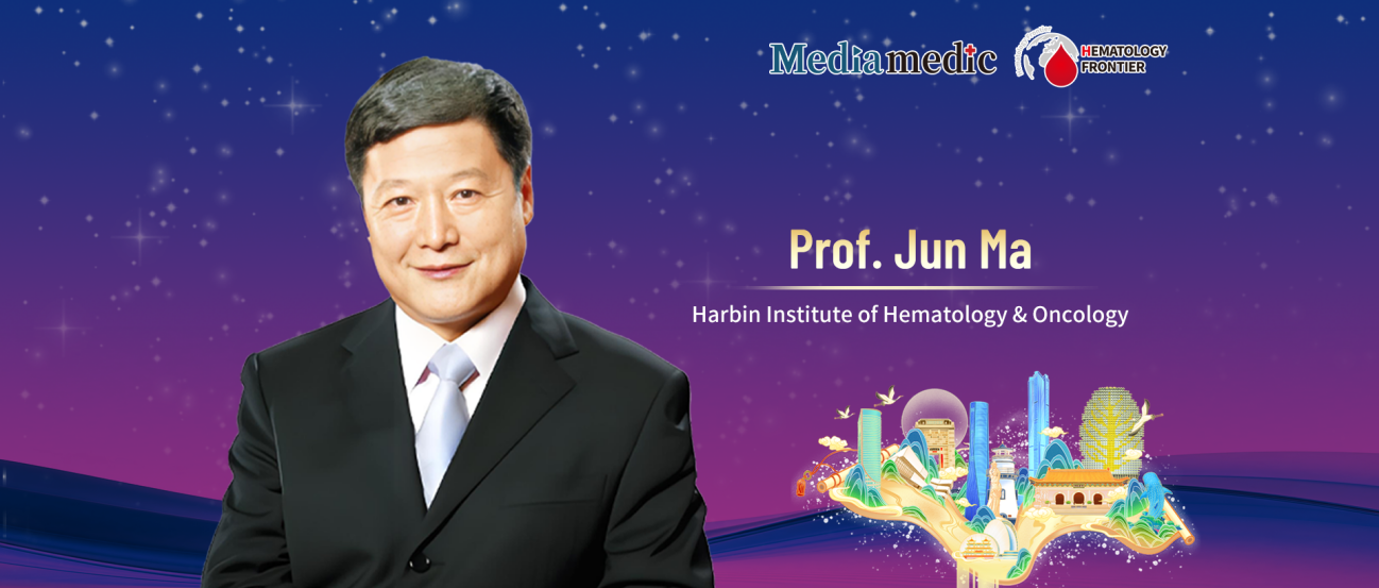
Professor Ma Jun: Current Landscape and Future Perspectives of Cell Therapy Amid the CGT Wave | 2026 Cross-Strait Hematology Academic Conference
In the golden autumn season, experts and scholars gathered in Zhuhai. The 2026 Cross-Strait Hematology Academic Conference was held in Zhuhai, Guangdong, from August 21–22. Hematology experts from both sides of the Taiwan Strait, as well as Hong Kong and Macao, came together to discuss cutting-edge developments, clinical practice, and innovations in nursing. During the…
-
Professor Wei Xu: Differential Diagnosis of Lymphoproliferative Disorders丨2026 Cross-Strait Hematology Academic Conference
Differential diagnosis of chronic lymphoproliferative disorders (CLPD) remains a major challenge in hematology. Given the blurred boundary between reactive lymphoid proliferation and clonal proliferation, as well as the substantial overlap in morphological and immunophenotypic features among different subtypes, avoiding misdiagnosis and missed diagnosis is of critical importance. During the 2026 Cross-Strait Hematology Academic Conference, Oncology…
-
the 14th Lu Daopei Hematology Forum | Professor Yuqian Sun: Precision Assessment, Tailored Strategies — Current Status and Future Directions of Hematopoietic Stem Cell Transplantation in Older Patients
Bringing together leading experts in Hebei and staying true to its mission for 14 years. On August 21, 2026,the 14th Lu Daopei Hematology Forum officially opened at Hebei Yanda Lu Daopei Hospital. Building on 14 years of academic experience, this year’s conference focused on cutting-edge topics including hematopoietic stem cell transplantation, cellular immunotherapy, and precision…
-

No Detail Is Too Small in Transplantation: Yan Xia on Building an Infection Prevention and Control Nursing System for Haploidentical Hematopoietic Stem Cell Transplantation丨2026 Cross-Strait Hematology Academic Conference
Oncology Frontier – Hematology Frontier: This conference featured a dedicated nursing session focusing on comprehensive nursing care and clinical practice for patients with hematological diseases. Against the backdrop of evolving…
-
the 14th Lu Daopei Hematology Forum | Professor Xingyu Cao: Precision Risk Stratification, Optimized Strategies — Advances and Strategies in Hematopoietic Stem Cell Transplantation for Myelodysplastic Syndromes
Bringing together leading experts in Hebei and staying true to its mission for 14 years. On August 21, 2026, the 14th Lu Daopei Hematology Forum officially opened at Hebei Yanda Lu Daopei Hospital. Building on 14 years of academic experience, this year’s conference focused on cutting-edge topics including hematopoietic stem cell transplantation, cellular immunotherapy, and…

Connecting Medical Expertise through Media