-
ASCO 2025 | Dr. Jie Wang Presents China’s First PD-L1–Targeted ADC Trial Results
Oncology Frontier: At ASCO 2025, you presented the phase I clinical results of HLX43, China’s first PD-L1–targeted ADC. Compared to traditional ADCs, what are the key innovations in HLX43’s target…
-
ASCO 2025 | Dr. Li Zhang: ADC Breakthroughs in Lung Cancer Reflect the Promise of Precision Oncology
Breakthroughs in ADC Research by Dr. Zhang’s Team At ASCO 2025, three oral presentations from Dr. Zhang’s team were selected, all focused on the clinical application of antibody-drug conjugates (ADCs)…
-
ASCO 2025 | Dr. Hongbing Liu: Two-Cycle Chemotherapy Plus Immunotherapy Offers New Hope for Elderly Patients with Advanced Lung Cancer
The 2025 American Society of Clinical Oncology (ASCO) Annual Meeting, one of the world’s most influential oncology conferences, was held in Chicago from May 30 to June 3. This year, a study led by Dr. Hongbing Liu from the Second Affiliated Hospital of Nanjing Medical University, in collaboration with the Jinling Clinical Medical College team,…
-
ASCO 2025 | Dr. Li Zhang’s OptiTROP-Lung03 Study Showcased in Oral Presentation: Sacituzumab Tirumotecan Emerges as a Breakthrough in Overcoming EGFR-Mutant NSCLC Resistance
Sacituzumab tirumotecan, a novel TROP2-targeting antibody-drug conjugate (ADC) developed in China, has demonstrated promising therapeutic potential across multiple tumor types, including lung and breast cancer. At the 2025 ASCO Annual Meeting, a pivotal Phase II trial—OptiTROP-Lung03, led by Dr. Li Zhang of the Sun Yat-sen University Cancer Center—was selected for an oral presentation, marking a…
-
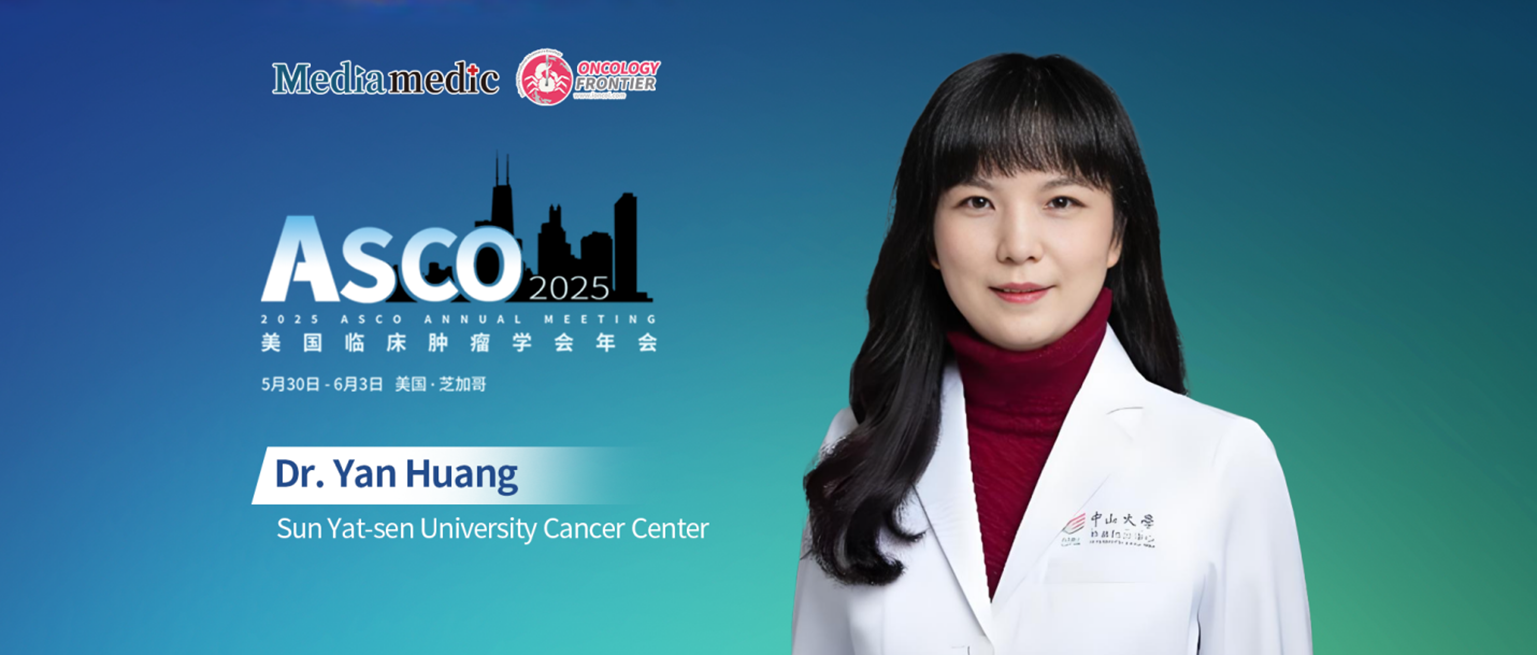
ASCO 2025 | Dr. Yan Huang’s Team Reports Phase I Results of BL-B01D1, Paving a New Path in Precision Treatment for SCLC
Small cell lung cancer (SCLC), often known as the “king of lung cancer,” has long relied on the EP regimen (cisplatin plus etoposide) as the foundation of first-line therapy for nearly three decades. Although recent years have seen the introduction of immunotherapy combined with chemotherapy, which has brought incremental survival benefits, long-term outcomes for patients…
-
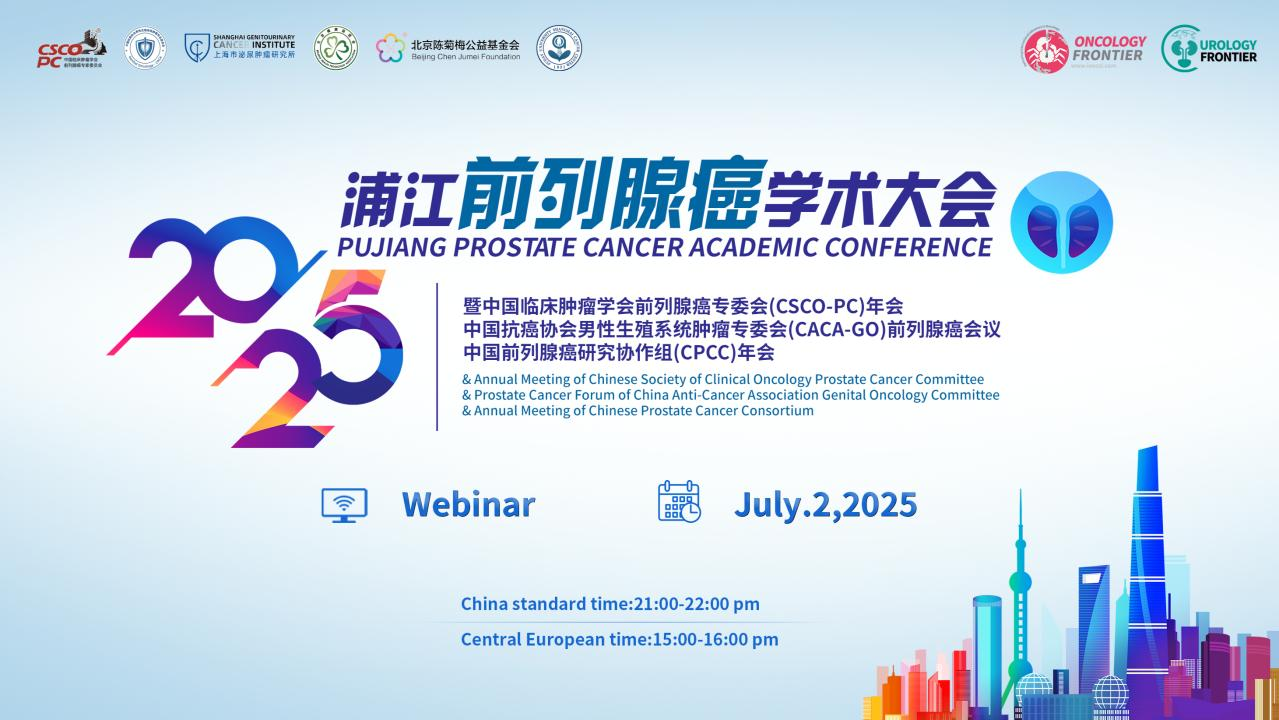
Live from Pujiang 2025: Shaping the Future of Prostate Cancer Care with Global Insights and Chinese Innovation
: LIVE on MediaMedic | July 2–4 Central European Time: 15:00–16:00 | China Standard Time: 21:00–22:00 Join us for the 2025 Pujiang Prostate Cancer Academic Conference, broadcasting live on MediaMedic.…
-

ASCO Live Update | Professor Niels van de Donk: Four Key Advantages of the Trispecific Antibody JNJ-5322 in R/R MM
At the 2025 American Society of Clinical Oncology (ASCO) Annual Meeting, Professor Niels van de Donk from VU University Medical Center, Amsterdam, presented the preliminary results of a first-in-human phase I study of a novel trispecific antibody (TsAb) for relapsed/refractory multiple myeloma (R/R MM) in an oral presentation (Abstract #S100). Oncology Frontier – Hematology Frontier…
-

ASCO 2025 Expert Dialogue | Dr. Changsong Qi & Dr. Kohei Shitara: Breakthroughs with T-DXd and CAR-T Therapy Reshape the Outlook for Advanced Gastric
Two pivotal studies in targeted therapy for gastric cancer drew significant attention at the 2025 American Society of Clinical Oncology (ASCO) Annual Meeting. The world’s first randomized controlled trial (RCT) of CAR-T therapy in solid tumors (Abstract #4003) produced positive results, demonstrating the superior efficacy and manageable safety profile of Claudin 18.2-targeted CAR-T compared to…

Connecting Medical Expertise through Media