-
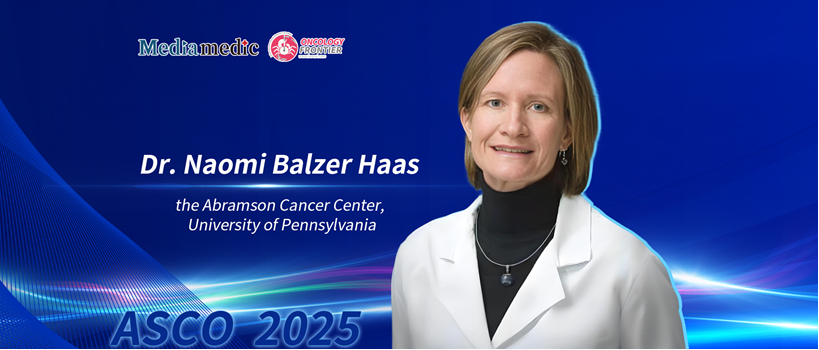
Dr. Naomi Balzer Haas Interprets the 5-Year Follow-up Updated Results of KEYNOTE-564
KEYNOTE-564 is the first global phase III clinical trial of adjuvant immunotherapy for renal cell carcinoma to achieve positive results. At the 2025 ASCO annual meeting, Dr. Naomi Balzer Haas from the Abramson Cancer Center, University of Pennsylvania presented the updated DFS (Disease-Free Survival) and OS (Overall Survival) results from the 5-year follow-up of the…
-
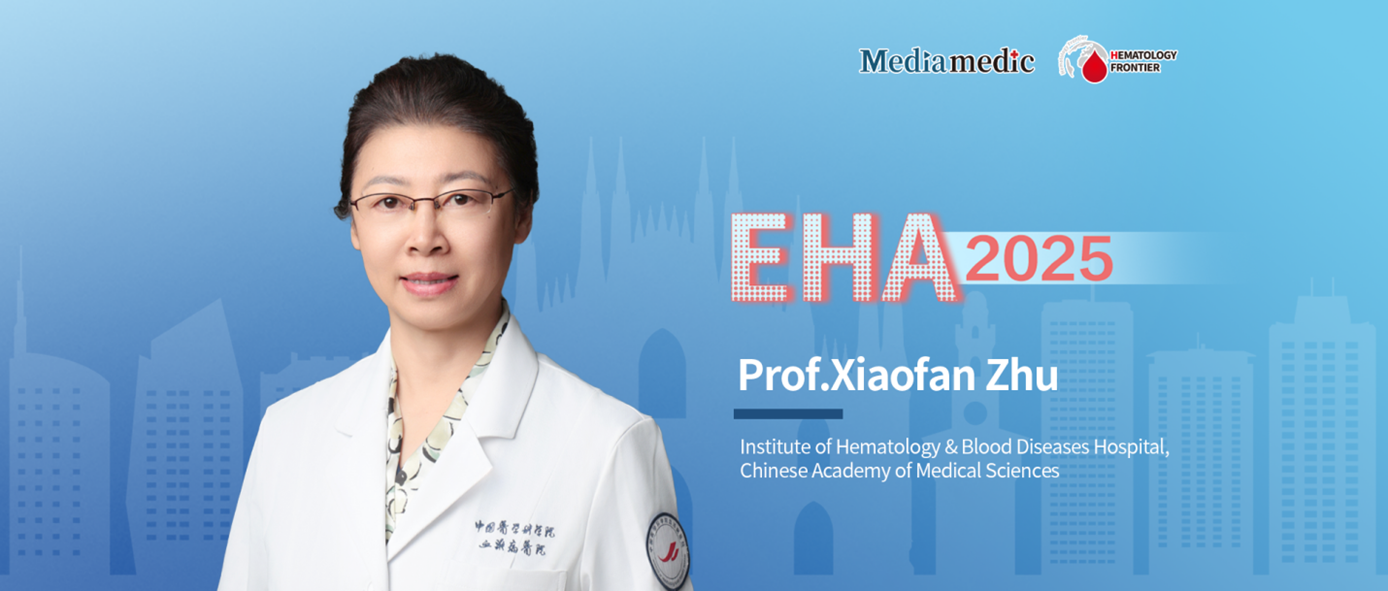
EHA Spotlight Interview | Prof. Xiaofan Zhu: Tackling NRAS Mutation Heterogeneity—CDK6 as a Promising Therapeutic Target
The 30th Annual Congress of the European Hematology Association (EHA 2025) was held from June 12 to 15 in Milan, Italy, bringing together cutting-edge research and breakthroughs across the global hematology community. Among the highlights was an oral presentation (Abstract S170) by the team of Professor Xiaofan Zhu from the Institute of Hematology & Blood…
-
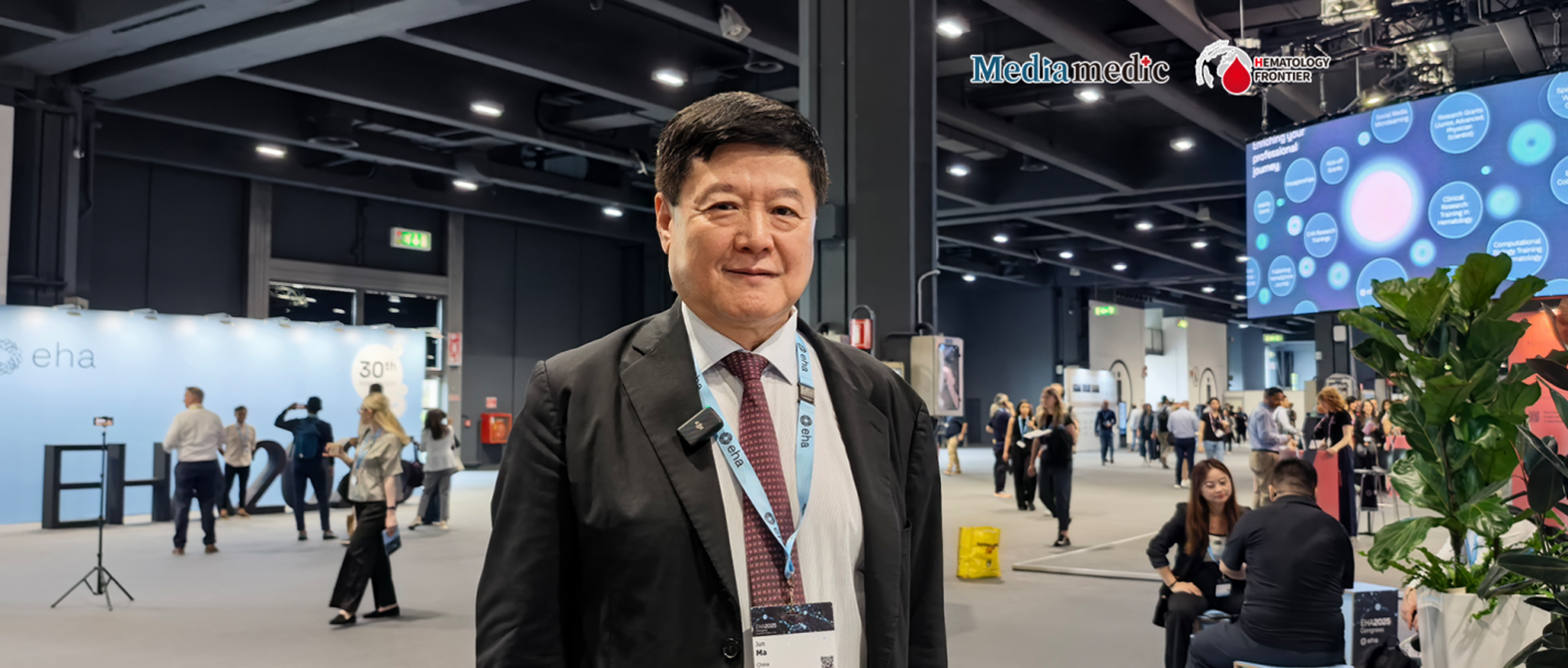
EHA 2025 Reflections | Prof. Jun Ma: China’s Hematology Shines in Europe—Youth Innovation and Homegrown Therapeutics Take Center Stage
On June 12, local time, the 30th Annual Congress of the European Hematology Association (EHA 2025) opened in Milan, Italy. As one of the world’s premier hematology events, the congress focused on the latest advances across all hematologic subspecialties, showcasing evidence-based approaches in diagnosis and treatment, cutting-edge data from clinical and translational research, and innovations…
-

EHA Expert Interview | Prof. Jian Hou Uncovers a New Mechanism of Drug Resistance in Multiple Myeloma Involving eccANKRD28
The 30th Congress of the European Hematology Association (EHA 2025) was held from June 12 to 15 in Milan, Italy. As one of the world’s leading hematology meetings, this year’s event spotlighted the latest advances across hematologic subspecialties, featuring cutting-edge approaches in diagnosis and treatment, along with new findings in both clinical and translational research.…
-

ASCO 2025 | R-ALPS Trial by Dr. Ming Chen Proposes Dual-Maintenance Path for NSCLC
Study Overview The R-ALPS study was a randomized, double-blind, placebo-controlled, multicenter phase III clinical trial (Abstract #LBA8004) evaluating the use of TQB2450 with or without anlotinib as maintenance therapy in…

Connecting Medical Expertise through Media