-
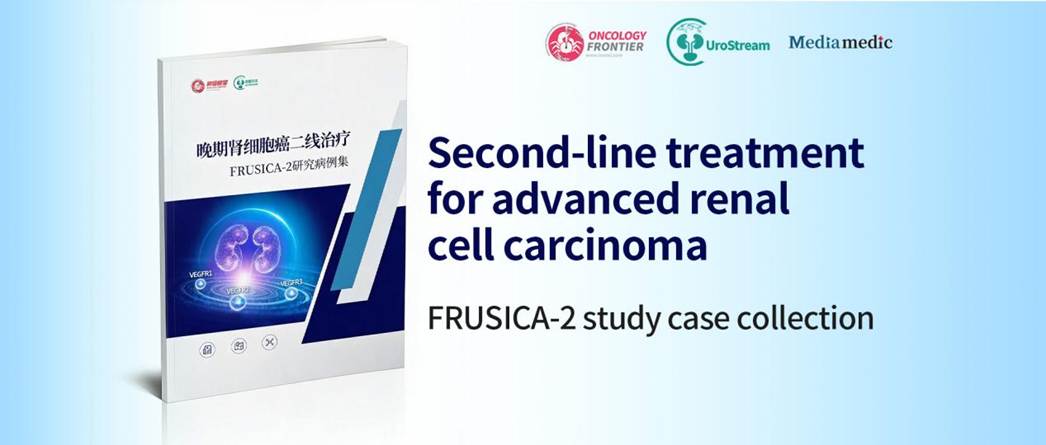
From Evidence to Clinical Practice丨FRUSICA-2 Case Series in Second-Line Treatment of Advanced Renal Cell Carcinoma Officially Released
Building on the evidence from the pivotal FRUSICA-2 registration study, the FRUSICA-2 Case Series has now been officially launched. This case collection brings together real-world clinical cases from multiple centers across China, providing practical insights into the clinical application of fruquintinib plus sintilimab as second-line treatment for advanced renal cell carcinoma. Scan the QR code…
-
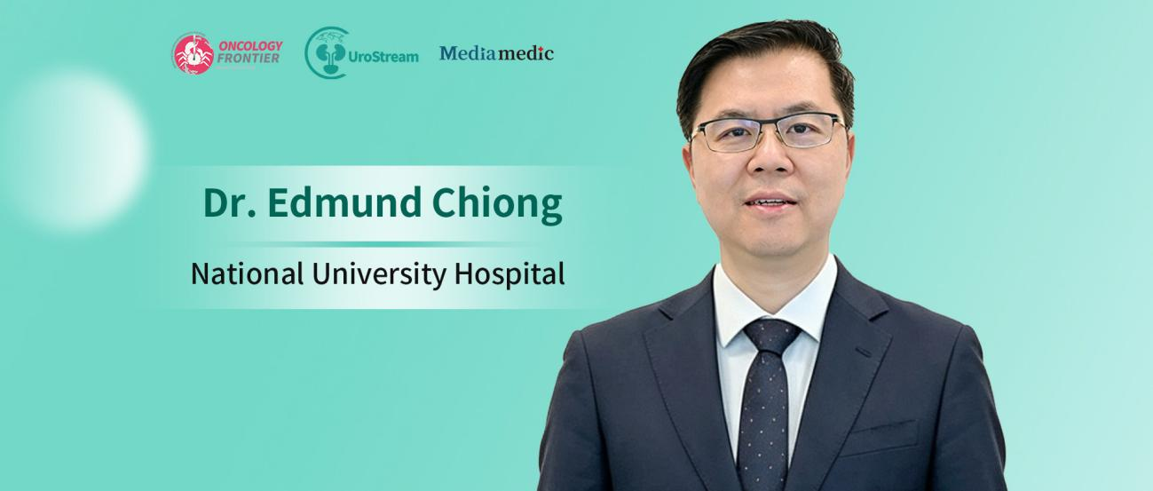
Professor Edmund Chiong: Advances in PARP Inhibitor Combination Therapy and Precision Application
In recent years, with the continued advancement of precision medicine, PARP inhibitors have assumed an increasingly important role in prostate cancer treatment, particularly among patients harboring homologous recombination repair (HRR) gene alterations, in whom they have demonstrated clear clinical benefits. At the same time, a range of combination strategies involving PARP inhibitors and androgen receptor…
-
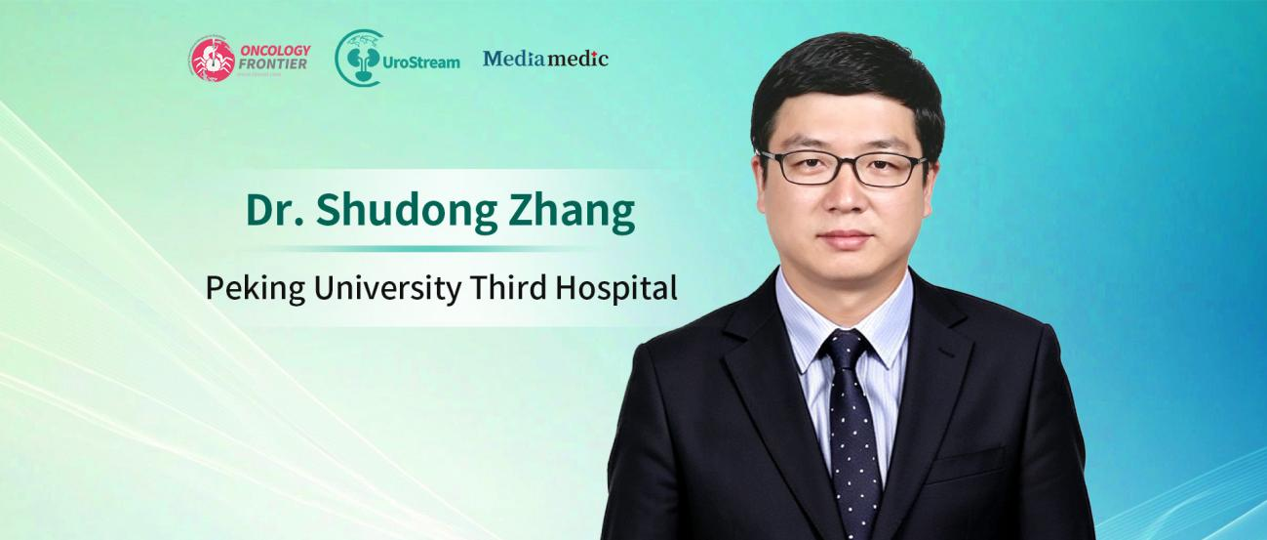
2026 Pujiang Urological Oncology Academic Conference丨Professor Shudong Zhang: Surgical Treatment and Multidisciplinary Management of UTUC with Inferior Vena Cava Tumor Thrombus — From Precise Imaging Assessment to Robotic Minimally Invasive Thrombectomy and Comprehensive Care
The 2026 Pujiang Urological Oncology Academic Conference was held in Shanghai, bringing together experts in urological oncology from China and abroad to discuss standardized diagnosis and treatment, surgical innovation, and advances in precision medicine. Upper tract urothelial carcinoma (UTUC) complicated by inferior vena cava (IVC) tumor thrombus is relatively rare and is associated with substantially…
-
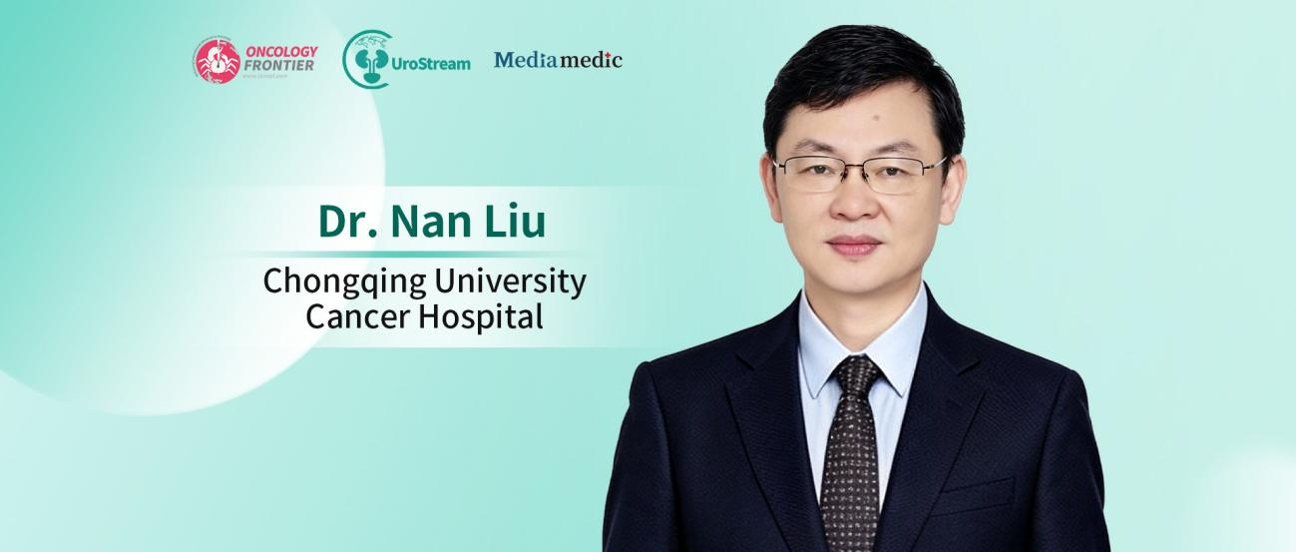
2026 Pujiang Urological Oncology Academic Conference丨Nan Liu: Precision Strategies for Robot-Assisted Partial Nephrectomy of Completely Endophytic Renal Tumors—from Preoperative 3D Planning to Intraoperative Localization and Nephron-Sparing Decision-Making
The 2026 Pujiang Urological Oncology Academic Conference was held in Shanghai, bringing together experts from China and abroad to discuss standardized diagnosis and treatment, innovations in surgical techniques, and advances in precision medicine in urological oncology. Completely endophytic renal tumors are particularly challenging because they lack visible landmarks on the renal surface, making intraoperative localization,…
-
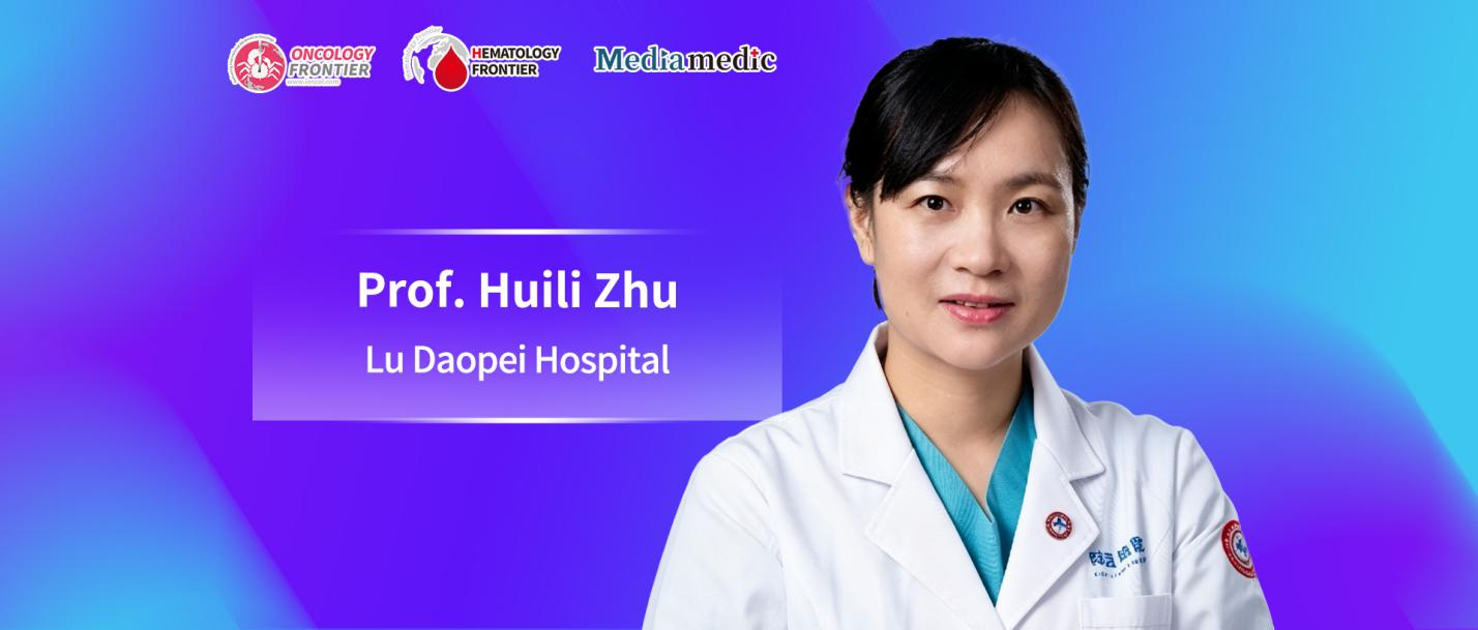
The 14th Lu Daopei Hematology Forum丨Professor Huili Zhu: Evidence-Based Updates and Precision Prevention and Control — A Clinical Interpretation of the 7th Edition of the Guidelines for Invasive Fungal Disease in Hematologic Disorders
Bringing together leading experts in the field, the 14th Lu Daopei Hematology Forum opened on August 21, 2026, at Hebei Yanda Lu Daopei Hospital. Building on 14 years of academic development, this year’s conference focused on cutting-edge topics including hematopoietic stem cell transplantation, cellular immunotherapy, and precision diagnosis and treatment of hematologic disorders. The conference…
-
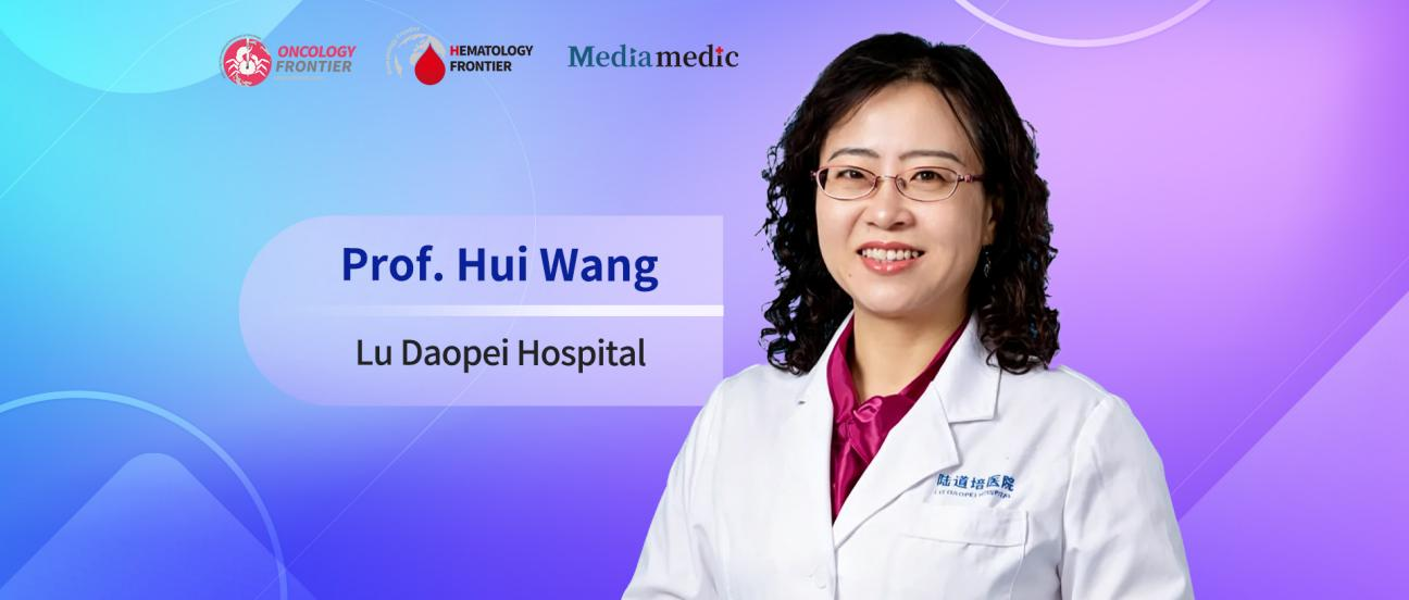
The 14th Lu Daopei Hematology Forum | Professor Hui Wang: Building the Foundation with Precision Diagnosis, Advancing with Intelligent Empowerment—The Clinical Value and Future Directions of Hematologic Laboratory Testing
Yanzhao brings together talented individuals while remaining true to its original mission for 14 years. On August 21, 2026, the 14th Lu Daopei Hematology Forum grandly opened at Hebei Yanda Lu Daopei Hospital. Building on 14 years of academic development, this year’s conference focused on cutting-edge topics including hematopoietic stem cell transplantation, cellular immunotherapy, and…
-
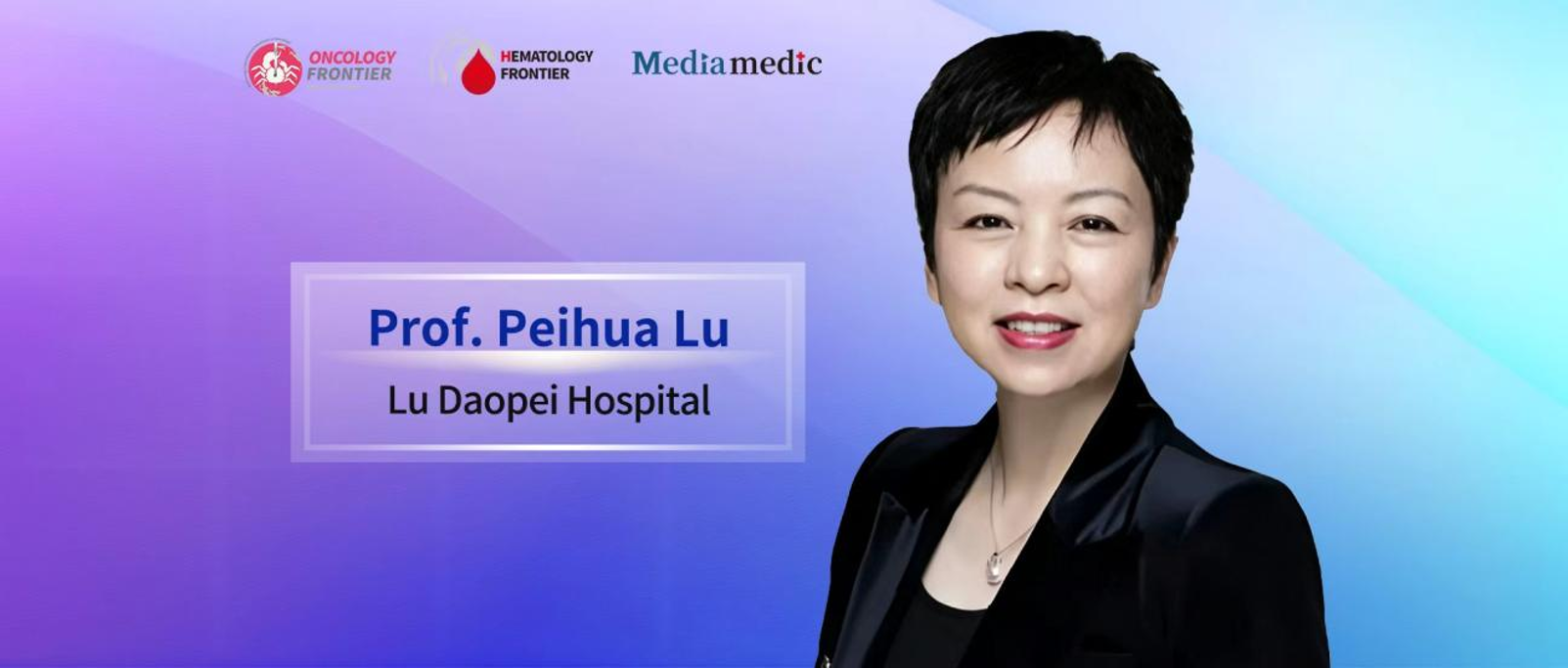
The 14th Lu Daopei Hematology Forum | Peihua Lu: Fourteen Years of Staying True to the Mission and Embarking on a New Journey—The Value and Future of an Academic Platform for Hematology
Yanzhao brings together talented individuals while remaining true to its original mission for 14 years. On August 21, 2026, the the 14th Lu Daopei Hematology Forum grandly opened at Hebei Yanda Lu Daopei Hospital. Building on 14 years of academic development, this year’s conference focused on cutting-edge topics including hematopoietic stem cell transplantation, cellular immunotherapy,…
-
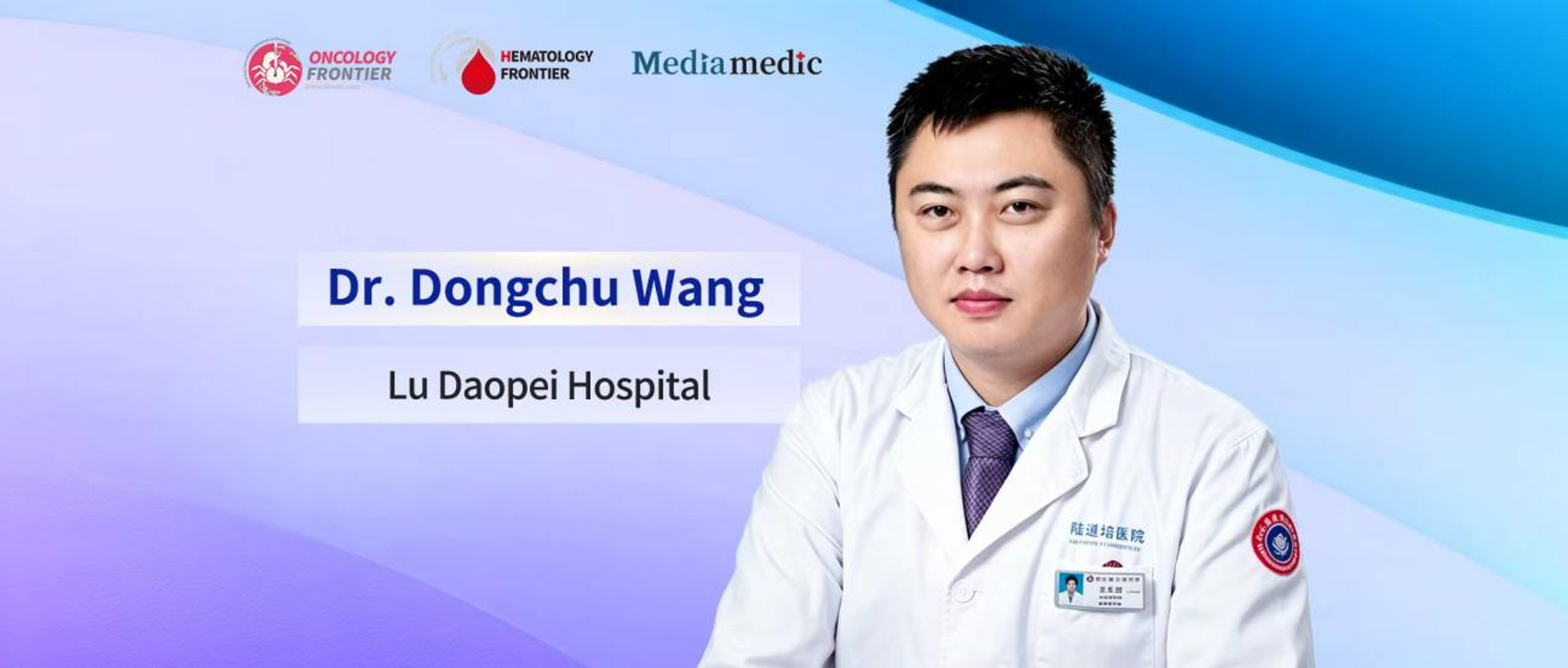
The 14th Lu Daopei Hematology Forum | Dongchu Wang: Unlocking the Predictive Value of Cytokines and Optimizing the Entire Treatment Pathway—Research and Prospects of CD7 CAR-T as a Bridge to Transplantation
Yanzhao brings together talented individuals while remaining true to its original mission for 14 years. On August 21, 2026, the 14th Lu Daopei Hematology Forum grandly opened at Hebei Yanda Lu Daopei Hospital. Building on 14 years of academic development, this year’s conference focused on cutting-edge topics including hematopoietic stem cell transplantation, cellular immunotherapy, and…

Connecting Medical Expertise through Media