-
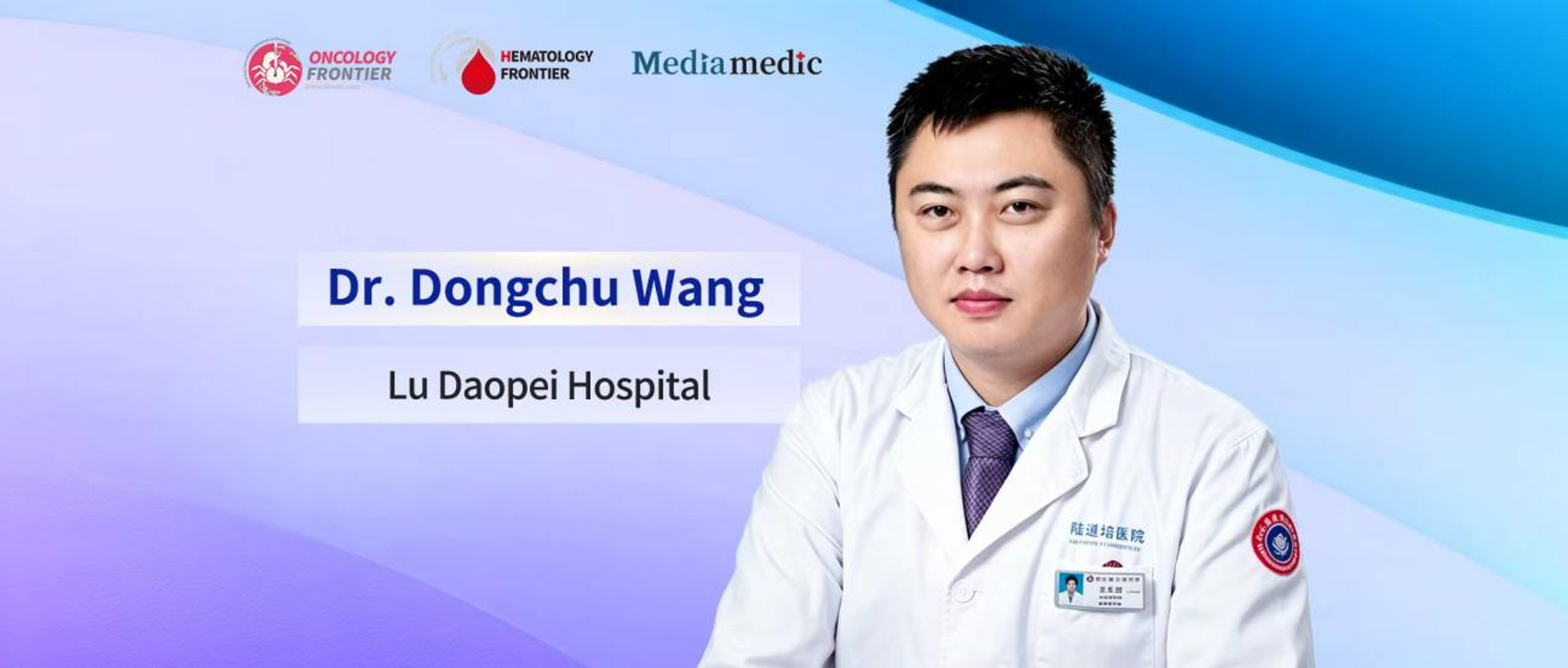
The 14th Lu Daopei Hematology Forum | Dongchu Wang: Unlocking the Predictive Value of Cytokines and Optimizing the Entire Treatment Pathway—Research and Prospects of CD7 CAR-T as a Bridge to Transplantation
Yanzhao brings together talented individuals while remaining true to its original mission for 14 years. On August 21, 2026, the 14th Lu Daopei Hematology Forum grandly opened at Hebei Yanda Lu Daopei Hospital. Building on 14 years of academic development, this year’s conference focused on cutting-edge topics including hematopoietic stem cell transplantation, cellular immunotherapy, and…
-
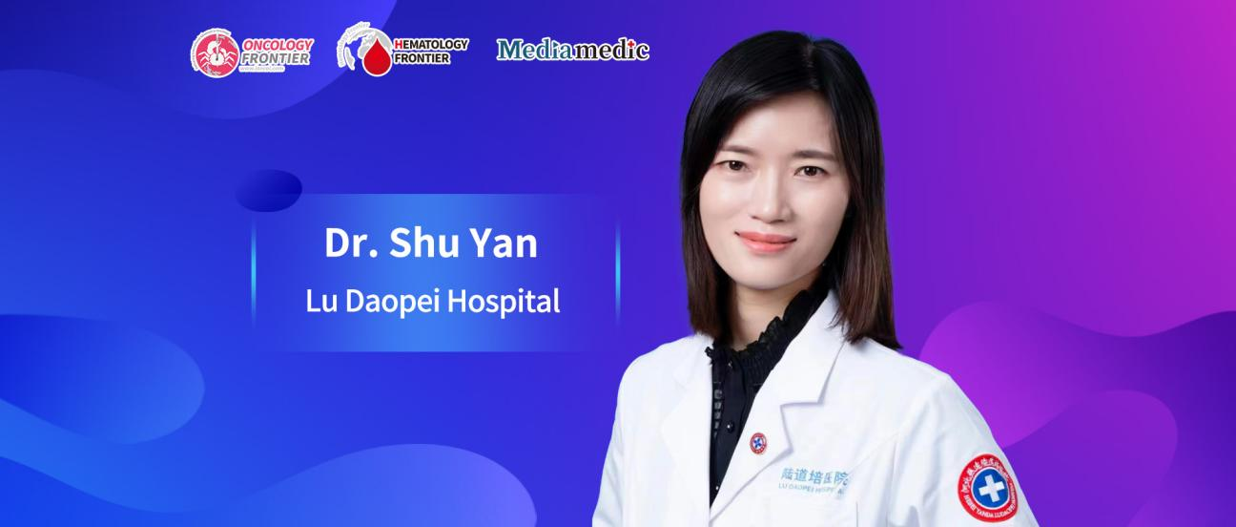
The 14th Lu Daopei Hematology Forum | Dr. Shu Yan: Stratified Prevention and Control, Comprehensive Management—Strategies for the Diagnosis and Treatment of Invasive Fungal Disease After Hematopoietic Stem Cell Transplantation
Yanzhao brings together talented individuals while remaining true to its original mission for 14 years. On August 21, 2026, the 14th Lu Daopei Hematology Forum grandly opened at Hebei Yanda Lu Daopei Hospital. Building on 14 years of academic development, this year’s conference focused on cutting-edge topics including hematopoietic stem cell transplantation, cellular immunotherapy, and…
-
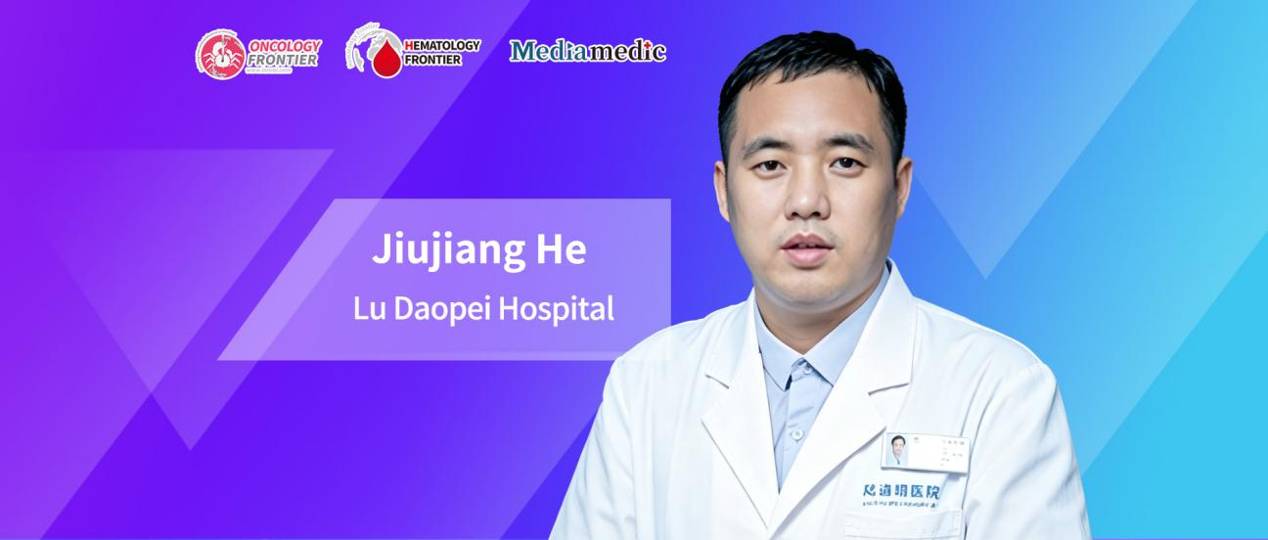
The 14th Lu Daopei Hematology Forum | Dr. Jiujiang He: Establishing Venetoclax as a Cornerstone and Exploring Standardized Practice—Clinical Applications and Future Perspectives of Venetoclax in AML
Yanzhao brings together talented individuals while remaining true to its original mission for 14 years. On August 21, 2026, the 14th Lu Daopei Hematology Forum grandly opened at Hebei Yanda Lu Daopei Hospital. Building on 14 years of academic development, this year’s conference focused on cutting-edge topics including hematopoietic stem cell transplantation, cellular immunotherapy, and…
-
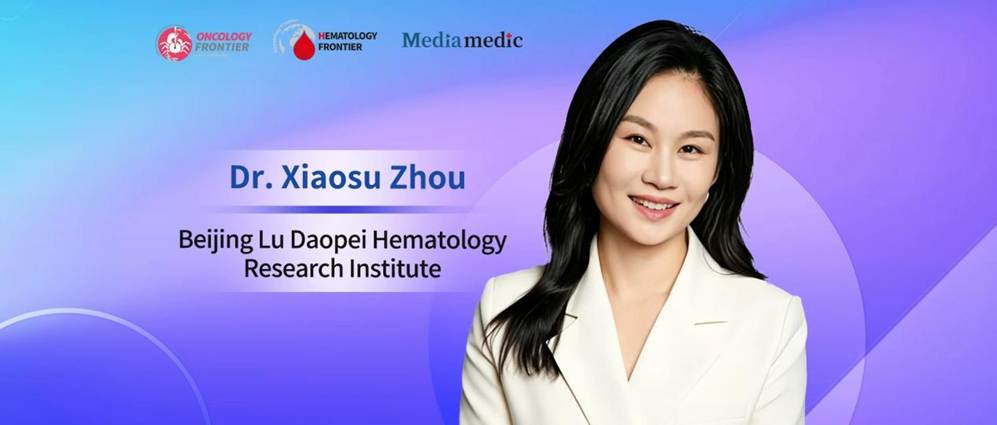
the 14th Lu Daopei Hematology Forum丨Dr. Xiaosu Zhou: Decoding the “Genetic Code” of Atypical APL — Far Greater Complexity and Heterogeneity Than Expected
On August 21, 2026, the 14th Lu Daopei Hematology Forum was successfully held at the new campus of Hebei Yanda Lu Daopei Hospital. After 14 years of continuous development, the Lu Daopei Hematology Academic Conference has become an influential platform for academic exchange in the field of hematology in China, witnessing the evolution of hematologic…
-
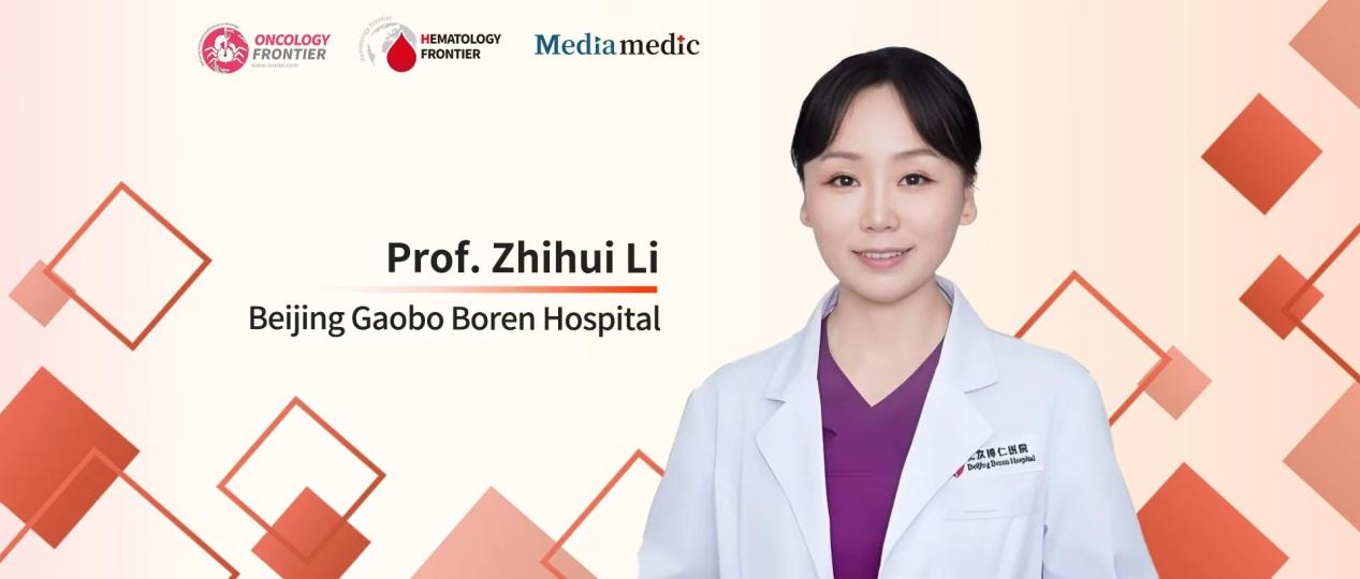
Frontiers in Immunology | Germline Genetic Susceptibility Genes May Enable More Precise Donor Selection for Hematopoietic Stem Cell Transplantation — Clinical Insights from a 558-Patient Transplant Cohort
As precision medicine continues to advance in hematologic malignancies, the clinical value of germline genetic factors is gradually extending beyond disease-risk assessment to influence treatment decision-making. For patients undergoing hematopoietic stem cell transplantation (HSCT), donor selection has traditionally focused on factors such as HLA matching, donor–recipient relationship, donor age, and overall health status. However, an…
-
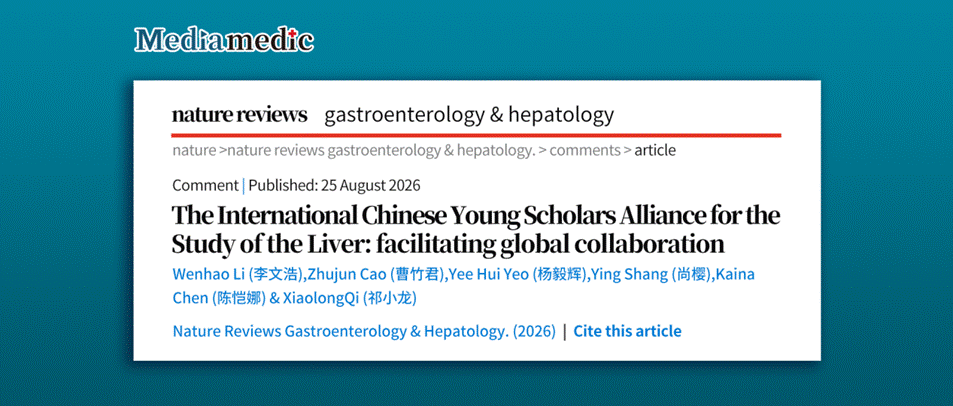
Nature Reviews | The International Chinese Young Scholars Alliance for the Study of the Liver Facilitates Global Collaboration
On August 25, 2026, Nature Reviews Gastroenterology & Hepatology (IF 57.5) published online a commentary titled “The International Chinese Young Scholars Alliance for the Study of the Liver: facilitating global collaboration,” jointly completed by Xiaolong Qi (Zhongda Hospital Southeast University, China), Wenhao Li (Royal London Hospital, UK), Zhujun Cao (European Foundation for the Study of…
-
ESMO 2026丨Looking Ahead: A Quick Review of 26 Chinese Hematologic Oncology Studies Featured at ESMO
The 2026 European Society for Medical Oncology (ESMO) Congress will be held from October 23–27 in Madrid, Spain. As one of the most influential academic meetings in global oncology, ESMO attracts tens of thousands of leading experts each year and provides a platform for cross-border and multidisciplinary scientific exchange through a combination of online and…
-
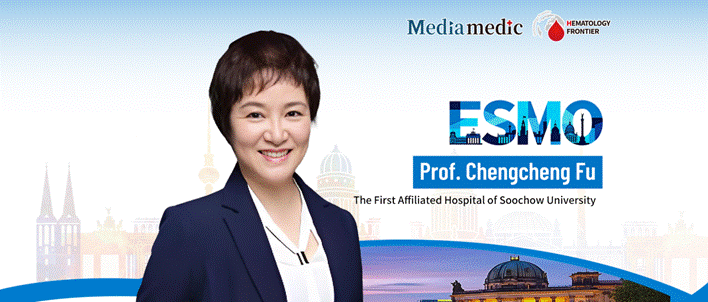
ESMO Experts’ Perspectives丨Professor Chengcheng Fu: MRD Monitoring May Enable “Selective Treatment Discontinuation” in Multiple Myeloma
The 2025 European Society for Medical Oncology (ESMO) Congress is set to take place in Berlin, bringing together leading experts and cutting-edge research from across oncology. In hematology, several studies are attracting particular attention, spanning mechanisms of CAR-T resistance, innovative dual-target therapies, MRD-guided treatment discontinuation in multiple myeloma, and single-cell profiling. Together, these advances highlight…

Connecting Medical Expertise through Media