-
2026 Cross-Strait Hematology Academic Conference | Nursing Experts from Both Sides Discuss New Practices in Critical Hematology Care and Infection Prevention in Transplantation
In the golden autumn season, experts from across the Taiwan Strait gathered in Zhuhai. The 2026 Cross-Strait Hematology Academic Conference was held in Zhuhai, Guangdong, on August 21–22, bringing together hematology experts and scholars from both sides of the Taiwan Strait, as well as Hong Kong and Macao. The conference focused on cutting-edge developments and…
-
Gaobo Medical Forum 2026 | Dr. Shan Shao: New GVHD Prophylaxis Strategies and Individualized Approaches for CNI-Intolerant Patients Undergoing Allogeneic Transplantation
The “Gaobo Medical Forum—6th Clinical Application Seminar and Training Course on Autologous Hematopoietic Stem Cell Transplantation,” hosted by the National Clinical Research Center for Hematologic Diseases of the Institute of Hematology & Blood Diseases Hospital, Chinese Academy of Medical Sciences, and organized by Shanghai Zhaxin Hospital/Gaobo Medical Group and Shanghai Liquan Hospital, was held in…
-
Gaobo Medical Forum 2026 | Dr. Huixia Liu: Strategies and Clinical Practice of Allogeneic Transplantation for Older Patients with Acute Leukemia
The “Gaobo Medical Forum—6th Clinical Application Seminar and Training Course on Autologous Hematopoietic Stem Cell Transplantation,” hosted by the National Clinical Research Center for Hematologic Diseases of the Institute of Hematology & Blood Diseases Hospital, Chinese Academy of Medical Sciences, and organized by Shanghai Zhaxin Hospital/Gaobo Medical Group and Shanghai Liquan Hospital, was held in…
-
2026 Cross-Strait Hematology Academic Conference | Professor Xiaowen Tang: Biological Features of TP53-Abnormal B-ALL and Strategies for Optimizing CAR-T Therapy
TP53-abnormal B-ALL is widely recognized as one of the highest-risk and most refractory subtypes of B-ALL. Not only is it highly resistant to conventional chemotherapy, but it is also particularly prone to antigen escape and early relapse following immunotherapy, posing major challenges in clinical management. During the 2026 Cross-Strait Hematology Academic Conference, Oncology Frontier –…
-
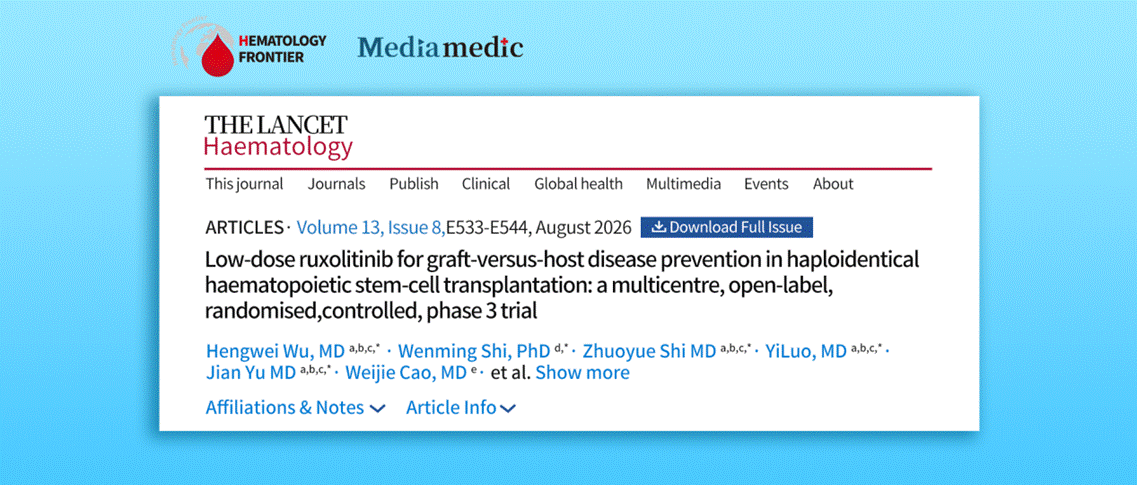
The Lancet Haematology | Professor Yanmin Zhao, Professor He Huang, and Professor Jimin Shi: Moving Low-Dose Ruxolitinib Upfront to GVHD Prophylaxis Significantly Reduces the Risk of Acute GVHD After Haploidentical Transplantation
Hematopoietic stem cell transplantation (HSCT) is an important treatment modality for various hematological malignancies. With the widespread application of haploidentical hematopoietic stem cell transplantation (Haplo-HSCT), limitations related to donor availability have been substantially overcome. However, graft-versus-host disease (GVHD), particularly clinically significant acute GVHD, remains an important complication affecting outcomes in transplant recipients. As an oral…
-
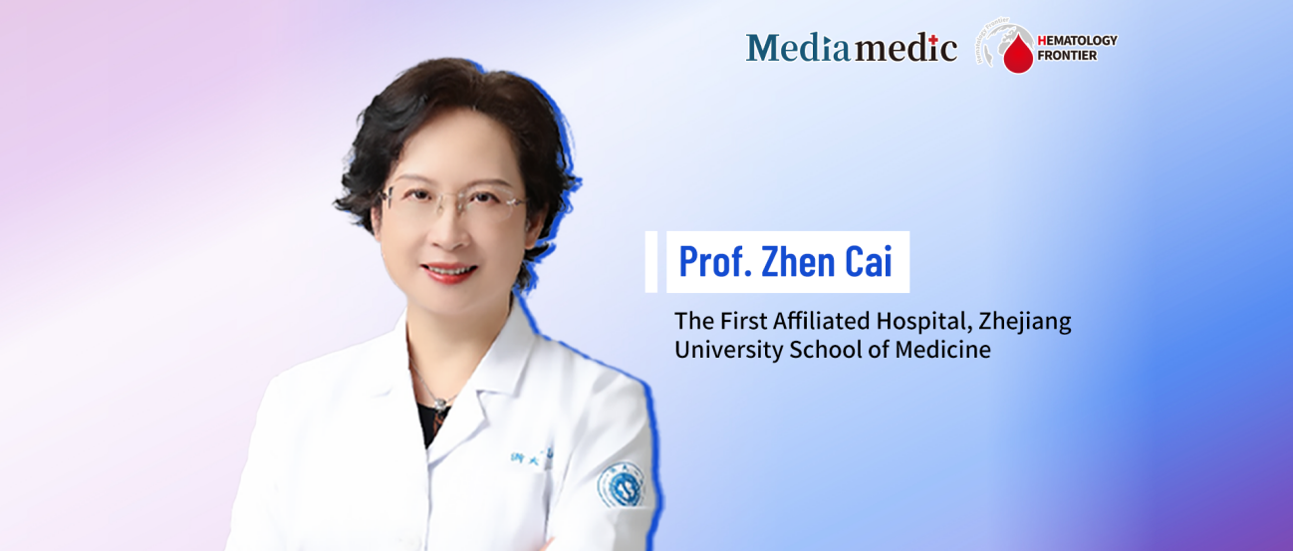
Prof. Cai Zhen: Challenges and Advances in the Treatment of Extramedullary Disease in Multiple Myeloma | 2026 Cross-Strait Hematology Conference
Extramedullary disease (EMD), an aggressive manifestation of multiple myeloma, presents longstanding challenges in clinical management, including substantial biological heterogeneity, difficulties in diagnosis and response assessment, resistance to conventional therapies, and a lack of high-level evidence from clinical trials. During the 2026 Cross-Strait Hematology Conference, Prof. Cai Zhen of the First Affiliated Hospital of Zhejiang University…
-
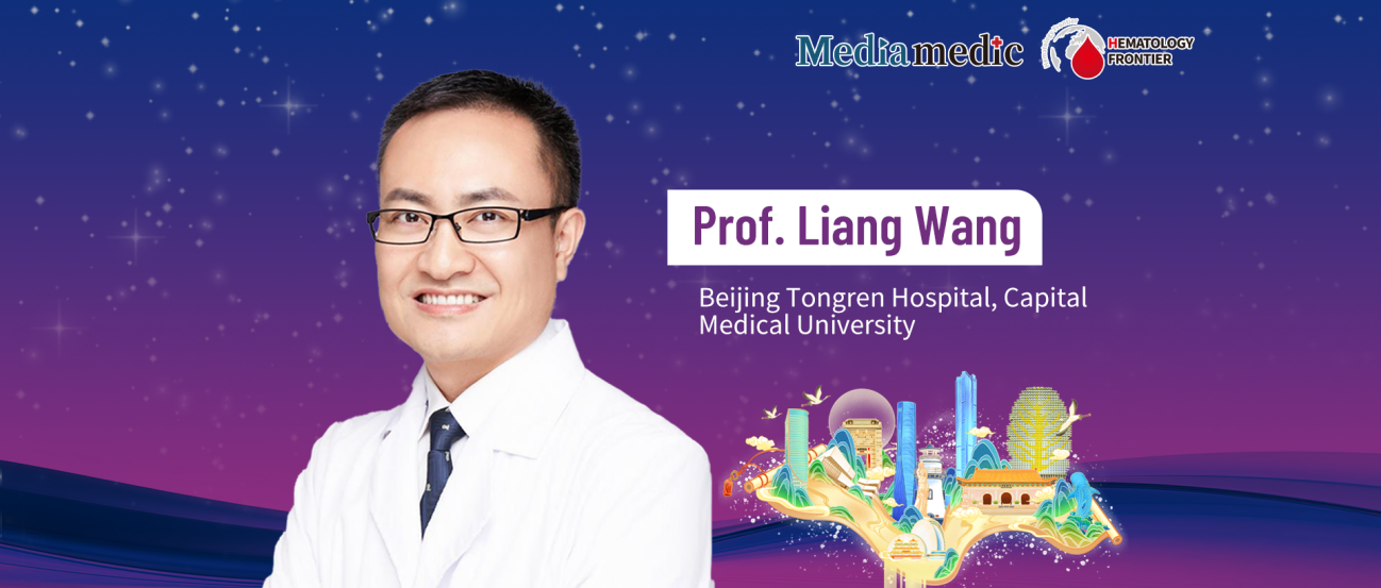
Prof. Wang Liang: How to Precisely Choose Between Autologous and Allogeneic Transplantation for First-Line Consolidation in Peripheral T-Cell Lymphoma? | 2026 Cross-Strait Hematology Conference
Peripheral T-cell lymphoma (PTCL) is highly heterogeneous and associated with poor prognosis, making the selection of an optimal first-line consolidation strategy a persistent clinical challenge. How can clinicians pursue deeper remission while balancing the graft-versus-lymphoma effect against the risk of non-relapse mortality? This lies at the heart of the clinical decision between autologous and allogeneic…
-
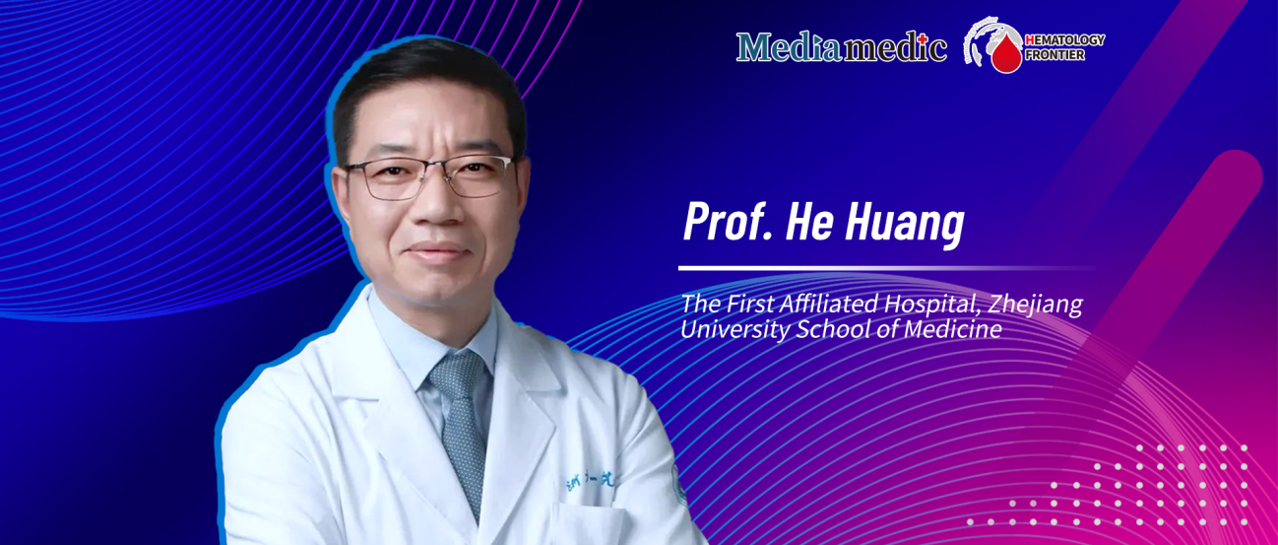
Professor Huang He: Advances in Novel Cellular Immunotherapy and Clinical Translation丨2026 Cross-Strait Hematology Academic Conference
Cellular immunotherapies such as CAR-T therapy are rapidly evolving, progressing from single-target and dual-target approaches to armored CAR-T cells, in vivo CARs, and other next-generation technologies that continue to overcome the limitations of conventional therapies. The 2026 Cross-Strait Hematology Academic Conference was held in Zhuhai, Guangdong, on August 21–22. During the conference, Oncology Frontier –…

Connecting Medical Expertise through Media