-
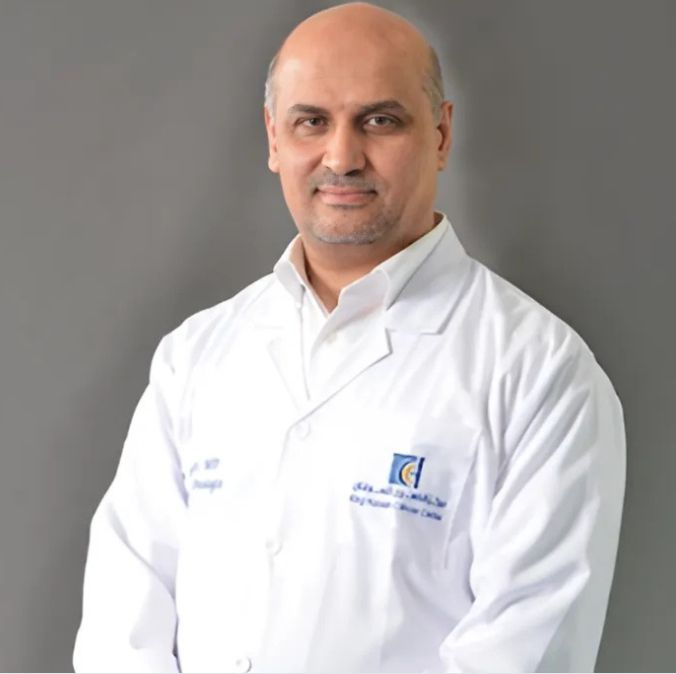
2025 Advances from Dr. Husam Abu Jazar and the KHCC Team
In 2025, Dr. Husam Abu Jazar and colleagues at King Hussein Cancer Center published two impactful studies that could shape transplant care moving forward. The first study analyzed outcomes from…
-
Genome Engineering in Cancer Therapy: A New Era of Precision
The therapeutic landscape in oncology is undergoing a profound shift with the rise of genome engineering technologies such as CRISPR/Cas9, base editing, and prime editing. These tools are enabling the…
-
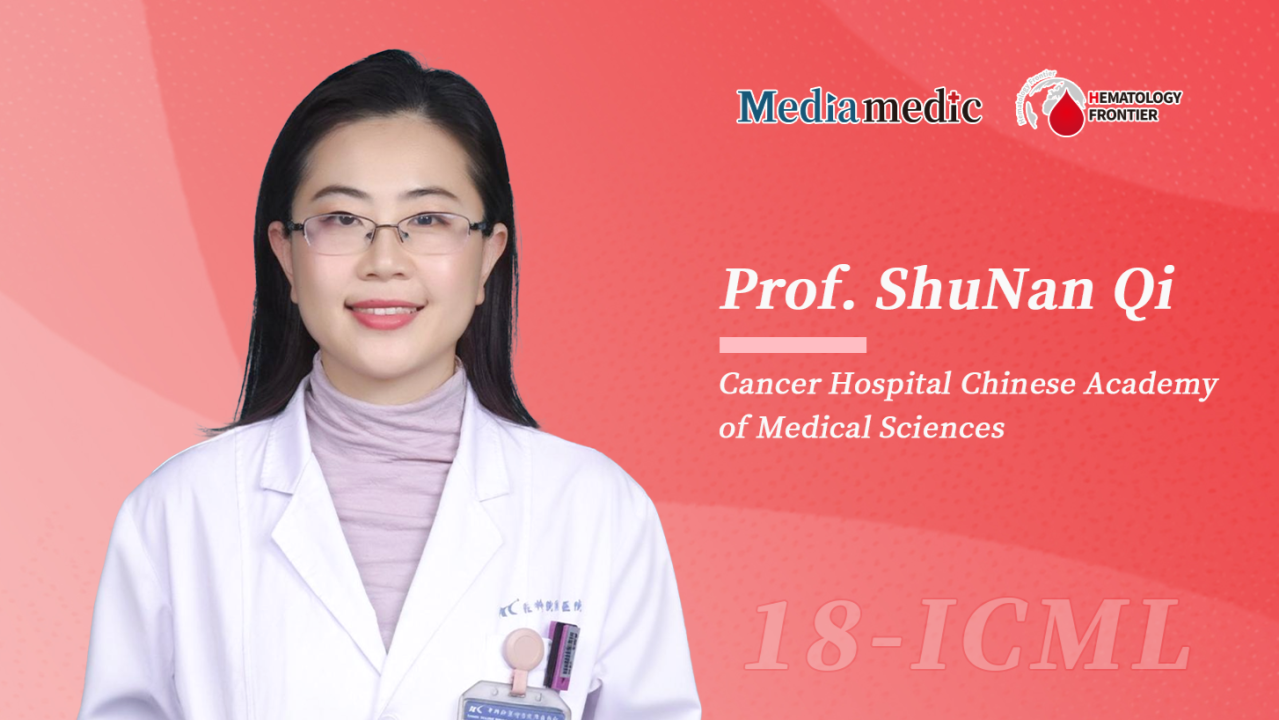
2025 ICML | Professor Shunan Qi on Risk-Adapted Radiotherapy Strategies for Early-Stage NK/T-Cell Lymphoma
Oncology Frontier – Hematology Frontier: Professor Qi, you have extensive experience in lymphoma radiotherapy. With the integration of modern systemic therapies in early-stage lymphoma, how has this affected the planning…
-
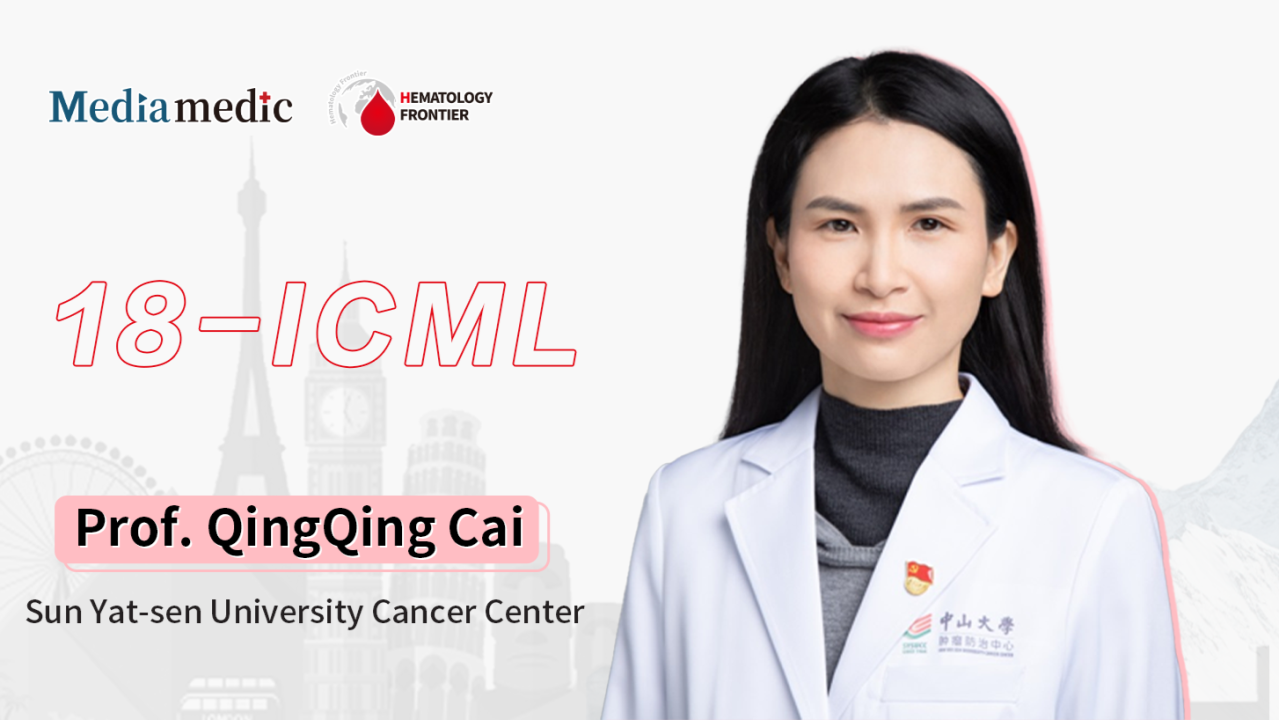
Voices from China in Lugano | Showcasing the Power of Chinese Solutions: Prof. Qingqing Cai’s Team Presents P-GEMOX + PD-1 and L-CHOP Regimens at ICML
Current Systemic Strategies and Emerging Therapies in ENKTCL Oncology Frontier – Hematology Frontier: What are the current frontline systemic therapies for ENKTCL in China and abroad? How do these treatments…
-
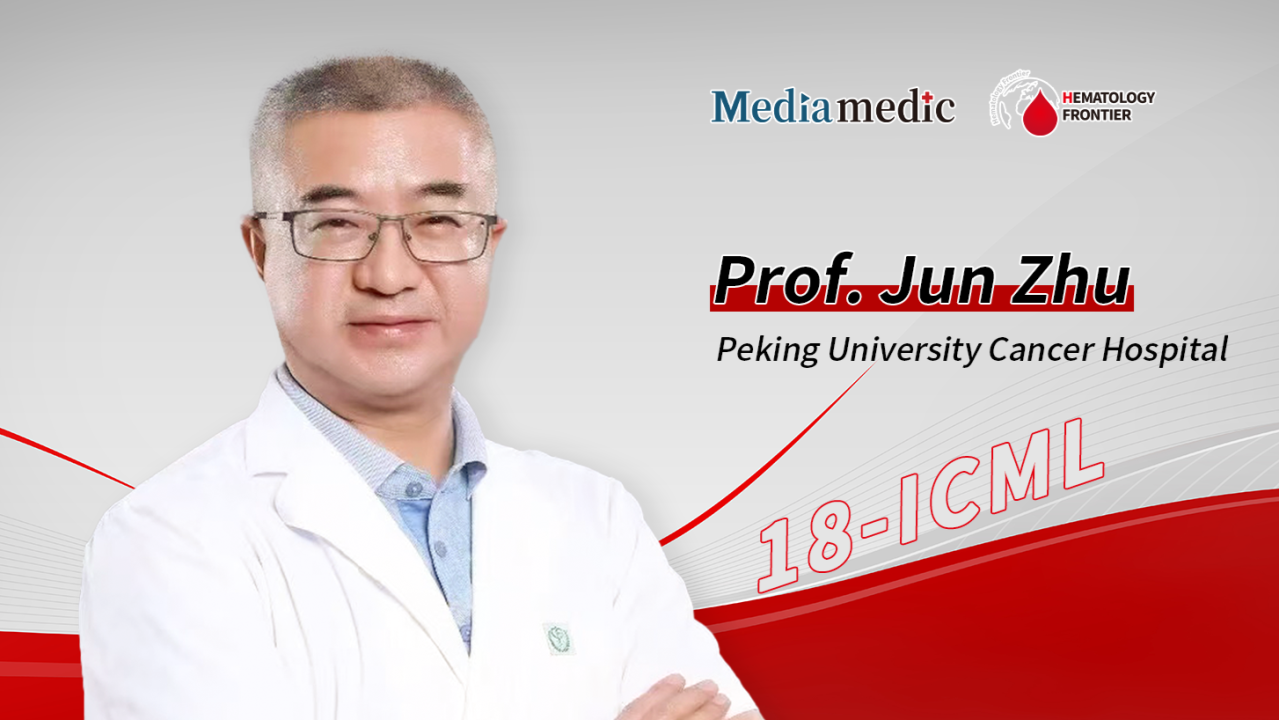
2025 ICML | Professor Jun Zhu: China–Europe Synergy Sparks a New Era — Advancing Global Collaboration in Lymphoma Research
Oncology Frontier – Hematology Frontier invited Professor Jun Zhu of Peking University Cancer Hospital to provide expert insights into the latest developments in China–Europe collaborative lymphoma research and to share…
-
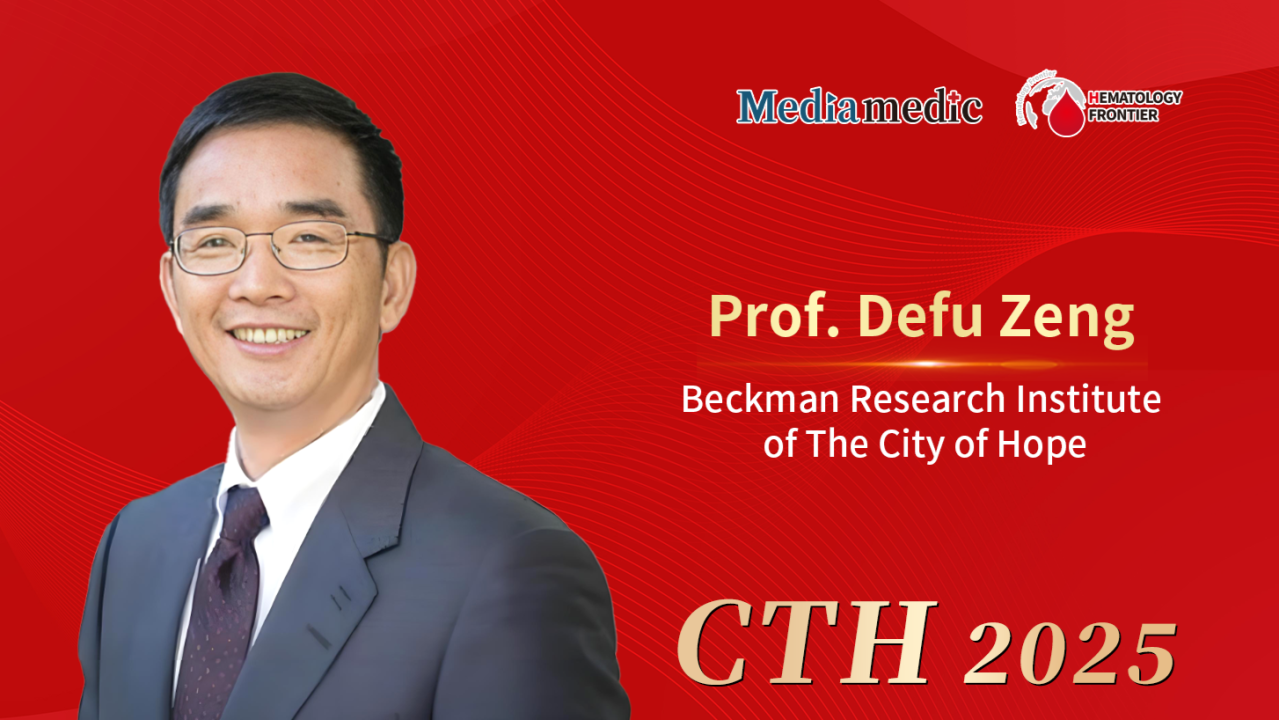
CTH 2025 | Prof. Defu Zeng: Pathogenesis and Therapeutic Advances in Chronic Graft-Versus-Host Disease
Oncology Frontier-Hematology Frontier:In your research, what new cellular and molecular mechanisms of chronic graft-versus-host disease (cGVHD) have been identified? Compared with previous understandings, what major breakthroughs do these new findings…
-
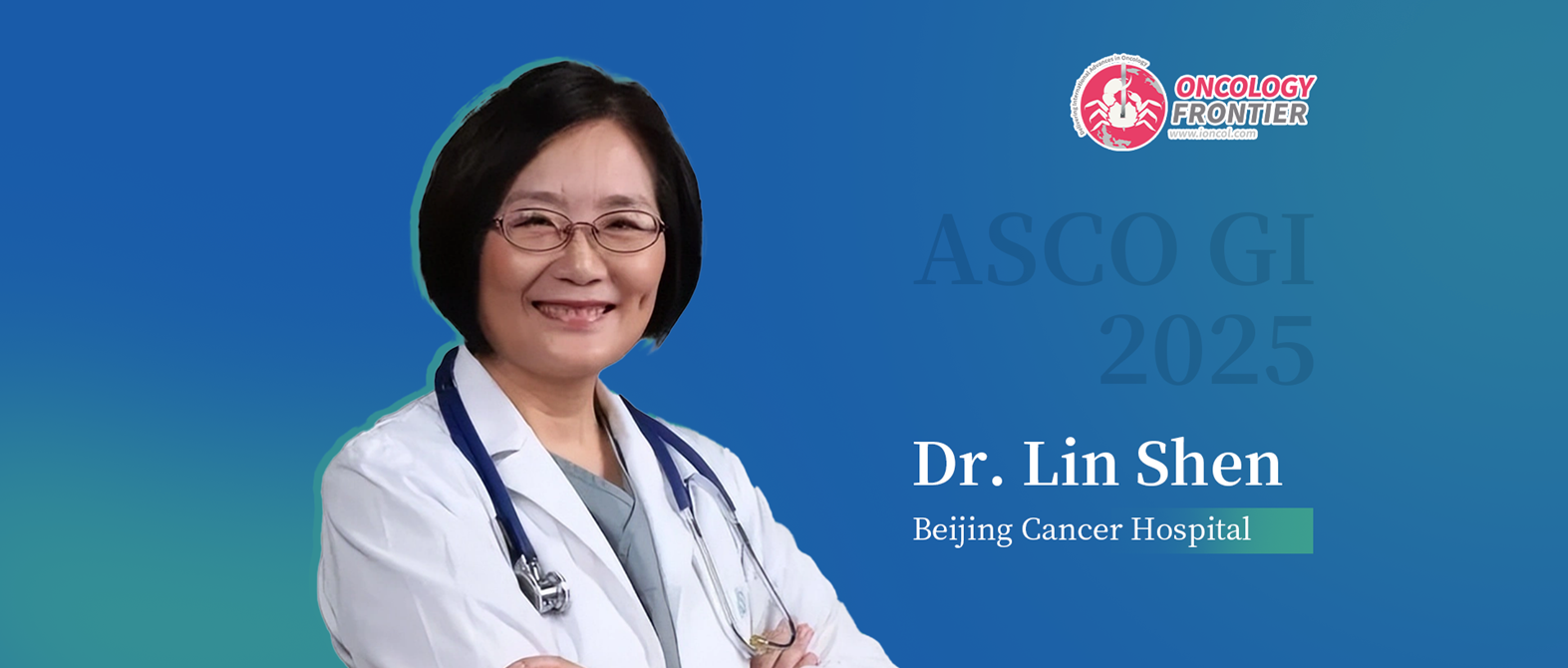
Five-Year CheckMate 649 Update: Nivolumab Plus Chemo Extends Survival for Chinese Gastric Cancer Patients
Introduction Gastric cancer, gastroesophageal junction cancer, and esophageal adenocarcinoma are among the most aggressive malignancies, particularly in their advanced stages. The CheckMate 649 trial previously established nivolumab plus chemotherapy as a superior first-line treatment compared to chemotherapy alone. With five years of follow-up, this latest analysis provides crucial insights into long-term survival, disease progression, and…
-
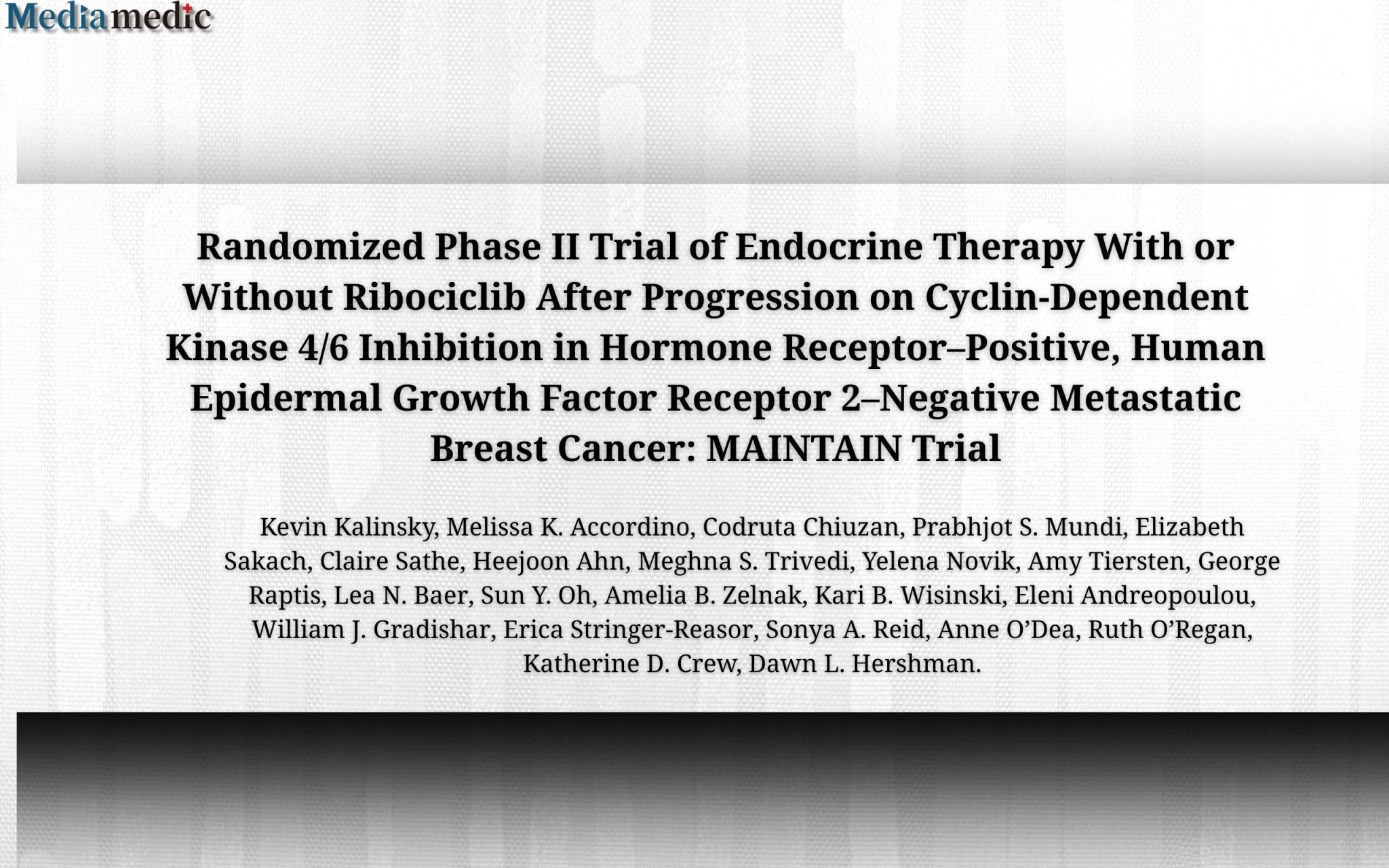
MAINTAIN Trial: Shaping Post-CDK4/6i Strategies in HR+/HER2− Metastatic Breast Cancer
Although published in 2023, the MAINTAIN trial remains a key reference in the evolving management of HR+/HER2− metastatic breast cancer following progression on CDK4/6 inhibitors.In this randomized, placebo-controlled phase II…

Connecting Medical Expertise through Media