-
Voices from China at ASCO | Prof. Binghe Xu and Prof. Jiayu Wang: Chemotherapy-Free Regimen Combining Anti–PD-L1 and Anti-Angiogenic Therapy Brings New Hope for TNBC Patients
Study Overview Background: Recurrent or metastatic TNBC is a highly aggressive malignancy with poor prognosis. Benmelstobart (TQB2450) is a humanized anti–PD-L1 monoclonal antibody, while anlotinib is an oral multi-targeted tyrosine…
-
Tracing ASCO丨Professor Yongmei Yin: OptiTROP-Breast05 Study Selected for Oral Presentation, Domestic TROP2 ADC Once Again in the Spotlight
Sacituzumab Tirumotecan (sac-TMT) is a novel TROP2-targeted ADC independently developed in China. Over the past two years, its clinical findings have been frequently presented at major international conferences and published in top-tier journals. At the 2025 ASCO Annual Meeting, Professor Yongmei Yin from Jiangsu Provincial People’s Hospital delivered a Rapid Oral Abstract presentation on the…
-
Prof. Xinan Sheng at ASCO: Promising Results for Domestic Ncetin-4 ADC + Immunotherapy in First-Line mUC
Oncology Frontier – UroStream: What do you consider to be the most important recent innovations in UC research in China, particularly in the field of antibody–drug conjugates (ADCs)? Professor Zhisong…
-
Prof. Xinan Sheng at ASCO: Promising Results for Domestic Ncetin-4 ADC + Immunotherapy in First-Line mUC
Oncology Frontier: For advanced urothelial carcinoma, platinum-based chemotherapy remains the standard first-line treatment in the current CSCO guidelines. With the release of results from studies like EV-302, how do you…
-
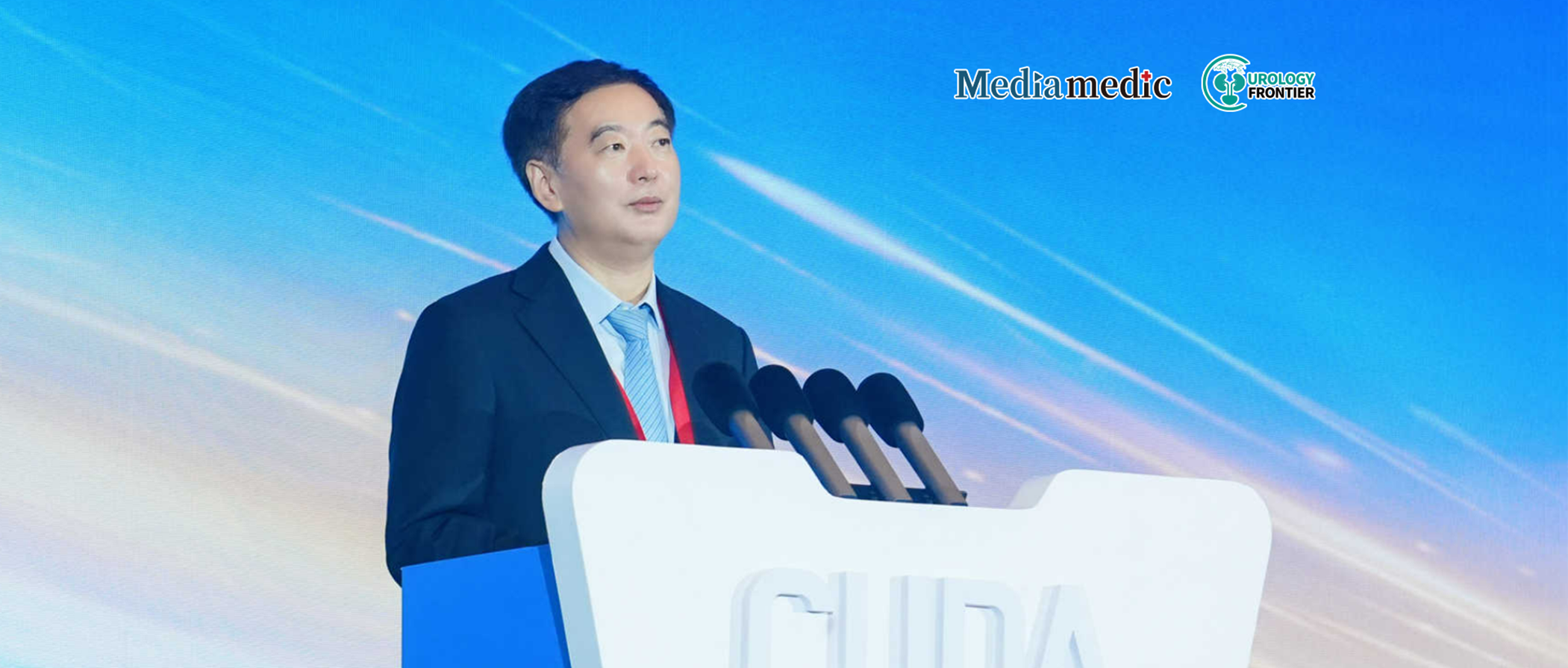
Healthy China, Urology at the Forefront Prof. Nianzeng Xing Highlights Breakthroughs in Chinese Urologic Innovation at CUDA 2025
Healthy China, Urology First Chinese Urologists Drive Innovation and Excellence Oncology Frontier – UroStream: Professor Xing, what do you see as the most significant developments in China’s urology field over…
-
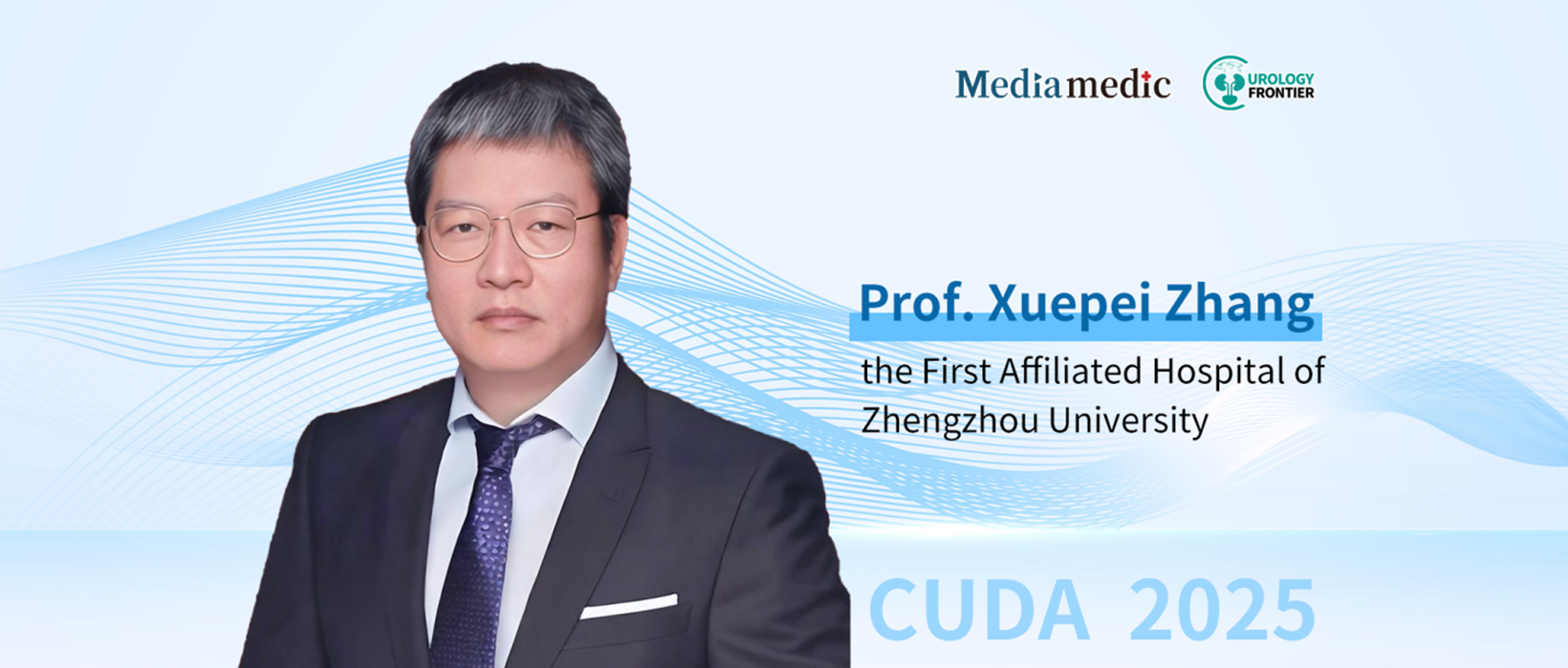
Professor Xuepei Zhang Shares Robotic Urologic Surgery Experience from the First Affiliated Hospital of Zhengzhou University
The 2025 Annual Meeting of the Chinese Urological Association (CUDA) was held from June 12–15 in the romantic city of Zhuhai. With the theme “Healthy China, Urology in Action,” the conference brought together experts from across the country to share the latest insights and practical experience in urologic surgery. At the conference, Professor Xuepei Zhang…
-
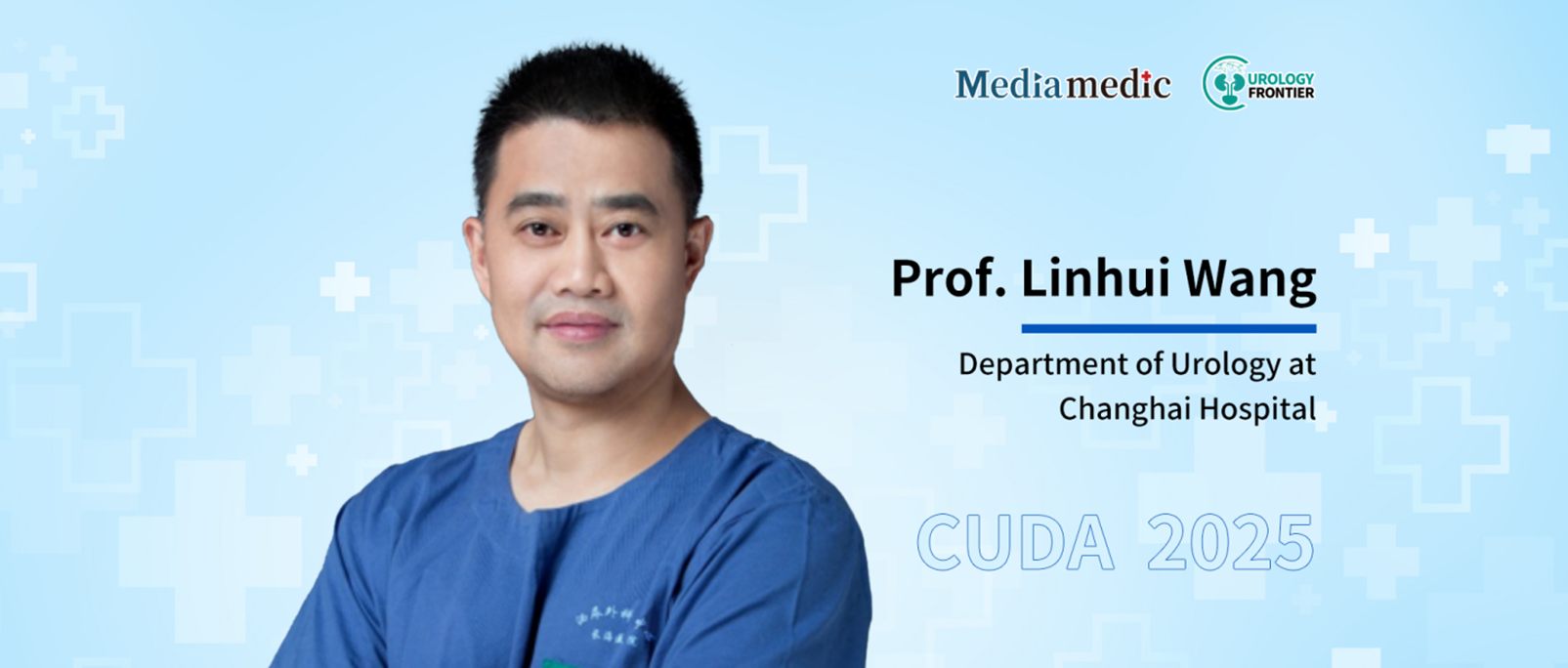
Professor Linhui Wang: The “Changhai Experience” in Clinical Research and Practice of Urologic Oncology | CUDA 2025
The 2025 Annual Meeting of the Chinese Urological Doctors Association (CUDA) was successfully held from June 12 to 15 in the romantic city of Zhuhai. With the theme “Healthy China, Urology in Action,” the conference gathered urological professionals from across the country to share cutting-edge knowledge and practical experience in the field. Professor Linhui Wang…
-
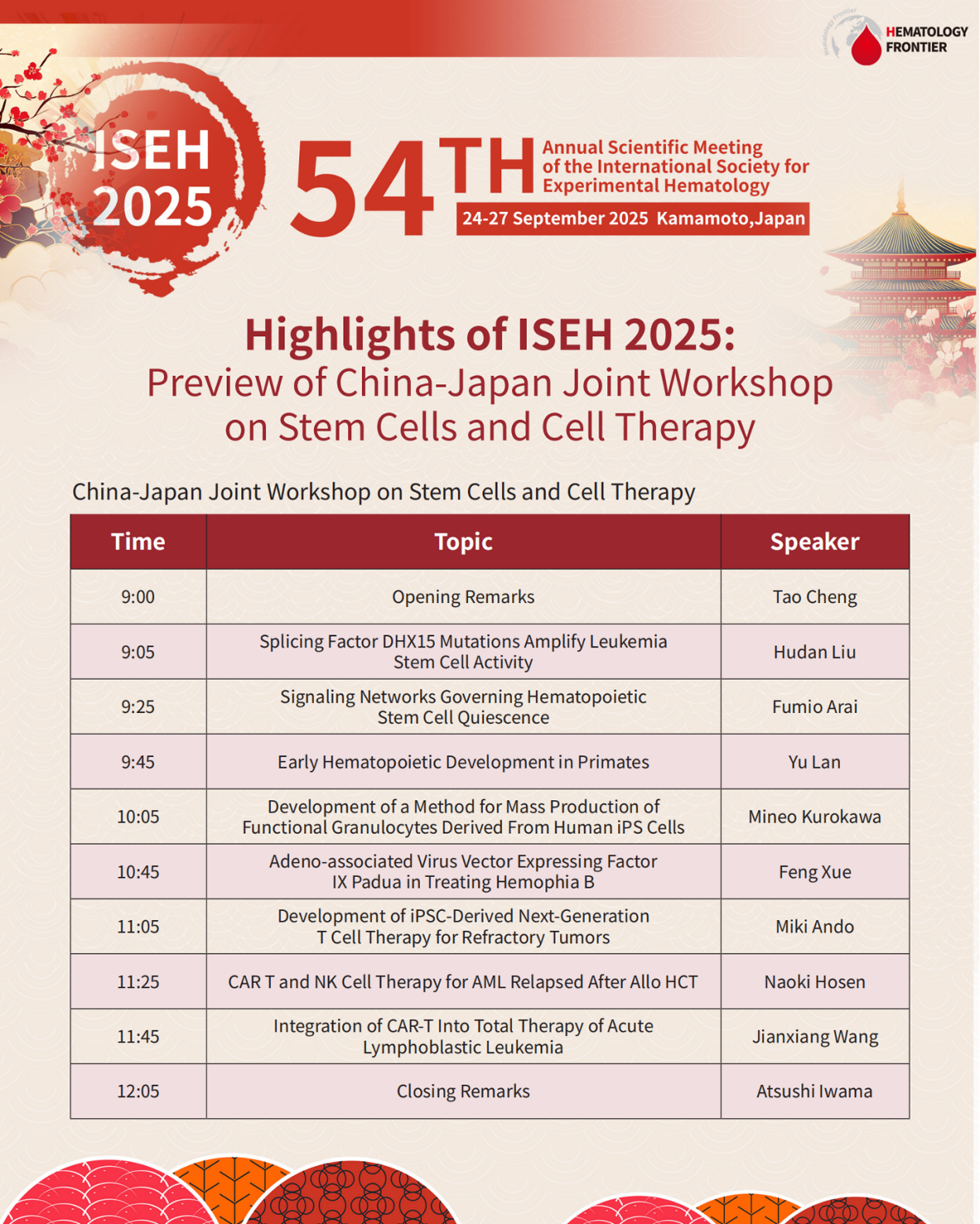
Highlights of ISEH 2025: Preview of China-Japan Joint Workshop on Stem Cells and Cell Therapy
The 54th Annual Scientific Meeting of the International Society for Experimental Hematology (ISEH 2025) will be held in Kumamoto, Japan, from September 24 to 27, 2025. One of the major…

Connecting Medical Expertise through Media