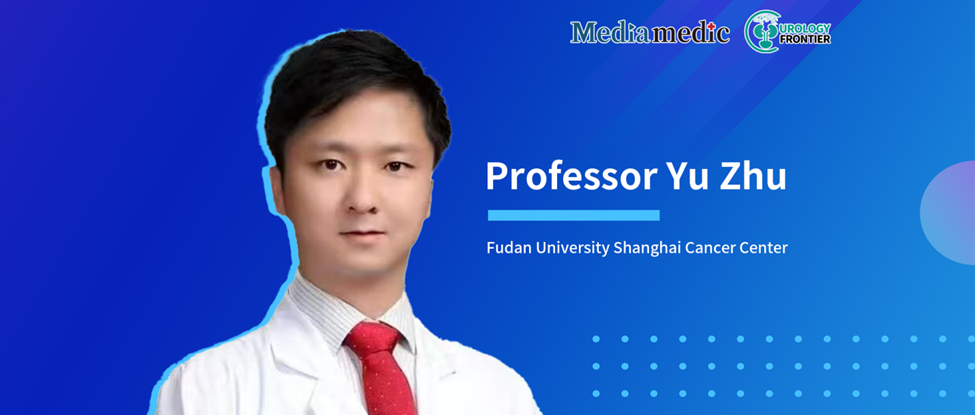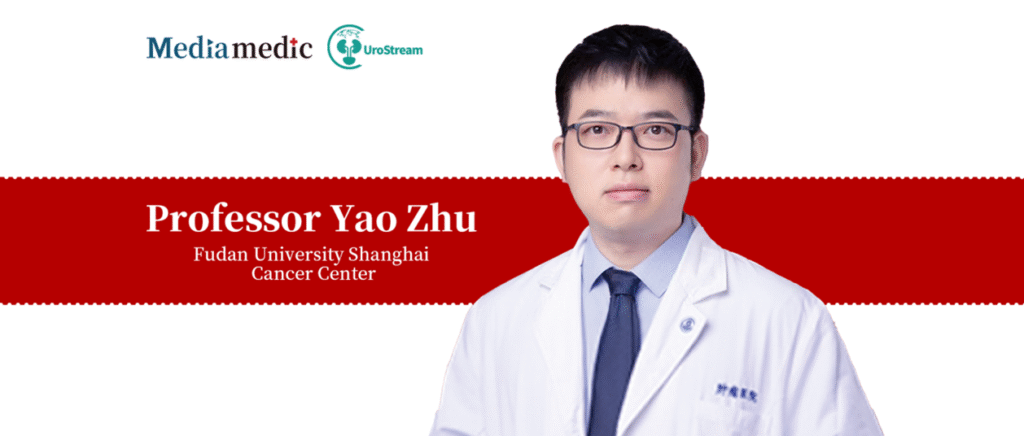
Professor Yao Zhu’s In-Depth Commentary on Precision Patient Selection and Novel T-Cell Engager Therapies
Professor Yao Zhu’s In-Depth Commentary on Precision Patient Selection and Novel T-Cell Engager Therapies

From November 10–16, 2025, the 9th West China Urologic Oncology Tianfu Academic Conference and the 11th Academic Conference on Urologic and Male Genitourinary Tumors of the Sichuan Anti-Cancer Association were grandly held in Chengdu. The meeting brought together leading experts in urologic oncology from China and abroad, providing a high-level platform for academic exchange. During the conference, Professor Yao Zhu from Fudan University Shanghai Cancer Center delivered a compelling lecture entitled “Evaluation of Immunotherapy in Prostate Cancer”. His presentation offered a critical analysis of the successes and failures of clinical research in this field over the past decade and provided forward-looking insights into future precision treatment strategies. This article is a comprehensive synthesis of Professor Zhu’s presentation.
Professor Xiaolin Lu Offers an In-Depth Analysis of the BCG Dilemma and the Future of Novel Intravesical and Combination Immunotherapies

Professor Xiaolin Lu Offers an In-Depth Analysis of the BCG Dilemma and the Future of Novel Intravesical and Combination Immunotherapies

Editor’s Note: The 15th Shanghai Urologic Oncology Academic Conference was grandly held in Pudong, Shanghai, bringing together leading experts in urologic oncology from China and abroad. The meeting focused on bladder-sparing strategies for non–muscle-invasive bladder cancer (NMIBC), advances in novel intravesical agents, and the latest developments in immunotherapy. At the conference, Professor Xiaolin Lu from Fudan University Shanghai Cancer Center delivered a dedicated presentation from the perspective of intravesical therapy, systematically outlining the challenges in NMIBC management. He highlighted groundbreaking clinical trial results from the Fudan Cancer Center team on novel intravesical agents—particularly interleukin-15 (IL-15) and its fusion proteins, modified chemotherapeutic formulations, and oncolytic viruses—painting a new blueprint for the future treatment of NMIBC.