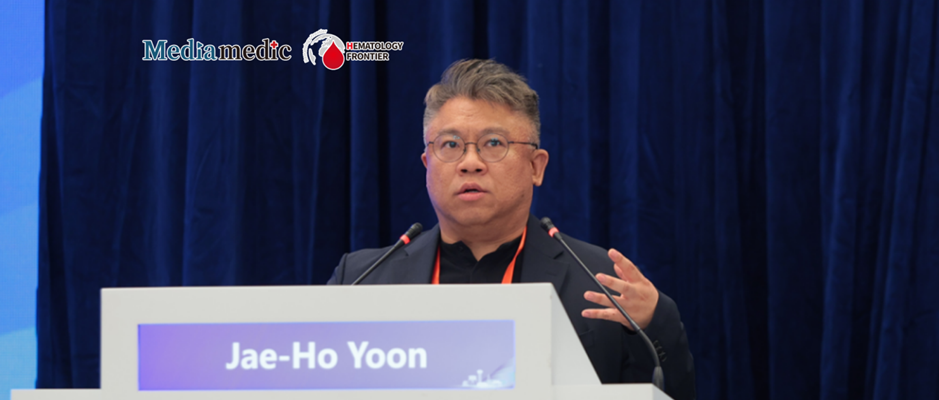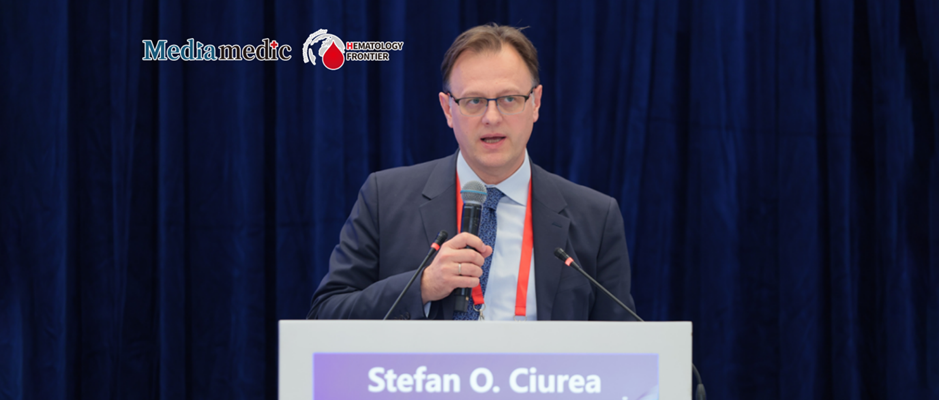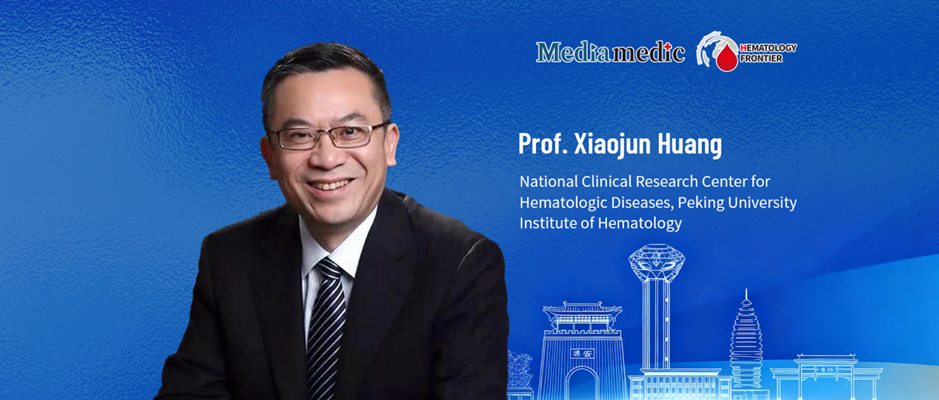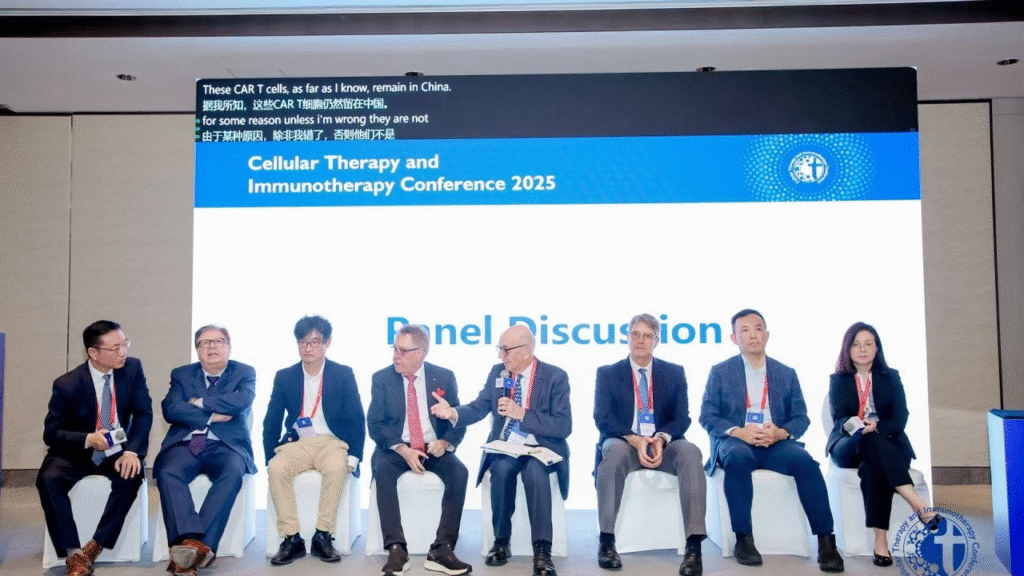
The Cellular Therapy and Immunotherapy Conference 2025 was successfully held in Hangzhou, China, from November 13-16, 2025. The conference brought together a distinguished gathering of the world's leading researchers, clinicians, and industry pioneers to share groundbreaking advancements and foster collaboration in the rapidly advancing fields of cellular and immune-based treatments. The morning's agenda offered a comprehensive survey of the global landscape, featuring in-depth presentations on the evolution of CAR-T cell therapies in China, Europe, and Japan. The discussions also addressed critical challenges in navigating regulatory frameworks, ensuring patient access, and maintaining affordability for cell and gene therapies across diverse regions, including Asia, Latin America, and other resource-limited settings. Culminating these insightful sessions was a dynamic Panel Discussion. This concluding segment provided a vital forum for the session's international experts to synthesize the diverse perspectives shared, engage in a robust dialogue on overcoming current obstacles, and collaboratively envision the future trajectory of immunotherapy and cell therapy on a global scale. The discussion underscored a collective commitment to advancing these transformative treatments from the laboratory to patients in need worldwide.