2025 CASH丨Dr. Yongrong Lai: Advances in Gene Therapy for Thalassemia

2025 CASH丨Dr. Yongrong Lai: Advances in Gene Therapy for Thalassemia

Thalassemia, an inherited blood disorder, imposes a significant economic and resource burden on patients, families, and society at large. In recent years, advances in medical research have led to a growing range of treatment options for thalassemia, including traditional blood transfusions and iron chelation therapy, drugs to induce gamma-globin production, hematopoietic stem cell transplantation (HSCT), and emerging approaches like gene and cell therapies, as well as nanomedicine. Among these, gene therapy has garnered particular attention as a potential cure, offering renewed hope to patients worldwide.

ASH 2024 | Dr. Neha Mehta-Shah Discusses Challenges and Innovations in T-Cell Lymphoma Treatment

ASH 2024 | Dr. Neha Mehta-Shah Discusses Challenges and Innovations in T-Cell Lymphoma Treatment

Significant progress has been made in the treatment of T-cell lymphomas in recent years. However, challenges persist in managing relapsed/refractory disease, selecting optimal therapies, and determining the best treatment sequencing for patients. To address these issues, the 2024 American Society of Hematology (ASH) Annual Meeting featured an educational session titled Addressing Unmet Needs in T-Cell Lymphomas. This session brought together leading experts to provide insights and practical guidance based on the latest research and clinical experiences. Hematology Frontier had the privilege of speaking with session chair Dr. Neha Mehta-Shah from Washington University’s Siteman Cancer Center. In this discussion, she shared her perspectives on unmet needs, treatment strategies for relapsed/refractory peripheral T-cell lymphoma (PTCL), innovative therapies, and the role of autologous and allogeneic transplants in PTCL.
Annual Review | Dr. Dingwei Ye: Key Advances in Systemic Therapy for Advanced Prostate Cancer

Annual Review | Dr. Dingwei Ye: Key Advances in Systemic Therapy for Advanced Prostate Cancer

Prostate cancer is one of the most common malignancies affecting the male genitourinary system, and in China, a significant proportion of newly diagnosed patients present with advanced disease. Since late-stage prostate cancer is symptomatic and not curable, alleviating symptoms, delaying disease progression, and improving quality of life have always been priorities for both patients and physicians in China. In 2024, several groundbreaking studies on advanced prostate cancer, including metastatic hormone-sensitive prostate cancer (mHSPC) and metastatic castration-resistant prostate cancer (mCRPC), were published in leading medical journals and presented at international conferences, reshaping treatment paradigms. With a retrospective look at the past year, Oncology Frontier invited Dr. Dingwei Ye from Fudan University Shanghai Cancer Center to share insights on these advancements.
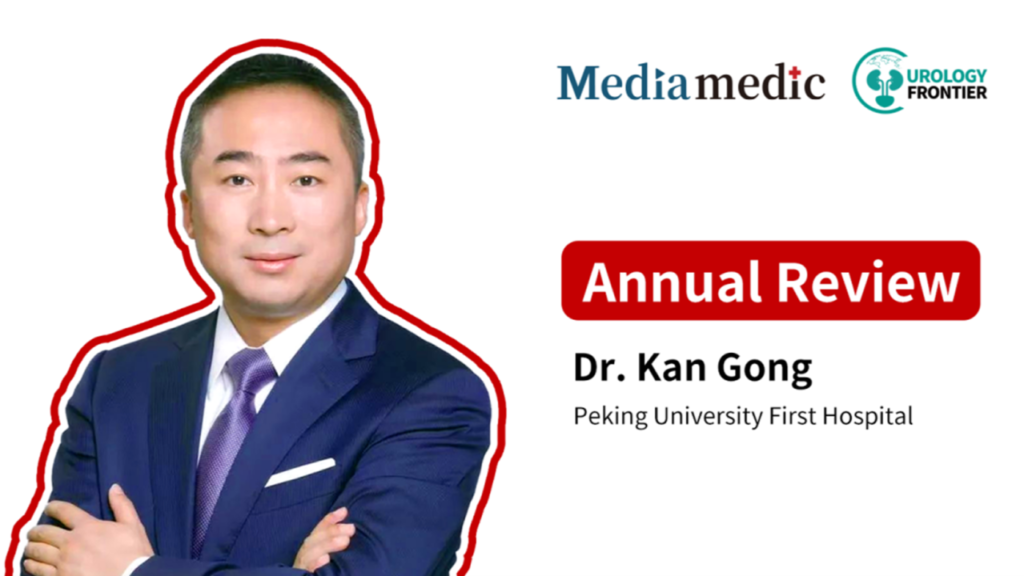
Annual Review | Dr. Kan Gong: Advances in the Diagnosis and Treatment of Localized Prostate Cancer in 2024

Annual Review | Dr. Kan Gong: Advances in the Diagnosis and Treatment of Localized Prostate Cancer in 2024

Prostate cancer is one of the most common malignancies threatening men's health worldwide. With population aging and lifestyle changes, the incidence of prostate cancer in China has been steadily increasing in recent years. As an early-stage disease, localized prostate cancer generally has a favorable prognosis, with curative potential through comprehensive treatment primarily centered on local interventions such as surgery. Enhancing the diagnosis and treatment of localized prostate cancer is key to improving overall survival rates for prostate cancer patients. Looking back at 2024, what were the major research advances in this field? This review will summarize key developments in screening and diagnosis, neoadjuvant therapy, surgical treatment, and the management of biochemical recurrence after surgery.
Annual Review | Dr. Qiang Liu: Advances in Systemic Therapy for Triple-Negative Breast Cancer in 2024

Annual Review | Dr. Qiang Liu: Advances in Systemic Therapy for Triple-Negative Breast Cancer in 2024

Breast cancer has become one of the most common malignancies among women, with triple-negative breast cancer (TNBC) being considered the most aggressive subtype due to its historically poor prognosis. Looking back at 2024, significant research breakthroughs have emerged in both early-stage and advanced TNBC treatment, covering chemotherapy, targeted therapy, immunotherapy, and antibody-drug conjugates (ADCs). Many of these studies have been led by Chinese researchers, contributing to original findings in the field. In this annual review, Dr. Qiang Liu from Sun Yat-sen Memorial Hospital, Sun Yat-sen University shares the key advancements in systemic therapy for TNBC, showcasing how precision medicine is gradually transforming TNBC treatment and offering patients a brighter future.
Annual Review | Addressing Unmet Needs: Dr. Qiang Wei on Advances in Bladder Cancer Treatment in 2024

Annual Review | Addressing Unmet Needs: Dr. Qiang Wei on Advances in Bladder Cancer Treatment in 2024

Bladder cancer is one of the most common malignancies of the urinary system, posing a serious threat to public health in China. For patients with localized disease, repeated intravesical treatments and follow-up procedures require frequent hospital visits, while those who undergo surgery often face the lifelong challenge of urinary diversion. Patients with inoperable advanced bladder cancer also have limited treatment options, as traditional chemotherapy provides only modest benefits. These significant unmet medical needs—affecting both survival and quality of life—have driven continuous innovation in the field of bladder cancer treatment.
Annual Review | Dr. Yao Zhu: Advances in Surgical Diagnosis and Treatment of Prostate Cancer in 2024

Annual Review | Dr. Yao Zhu: Advances in Surgical Diagnosis and Treatment of Prostate Cancer in 2024

As 2024 concludes, the field of minimally invasive urological surgery has made remarkable strides, particularly in prostate cancer surgery, which often serves as a testing ground for innovative surgical approaches. With the advancement of precision medicine and multidisciplinary team (MDT) management, prostate cancer surgery now extends beyond simple tumor removal, incorporating preoperative diagnostic optimization, postoperative systemic therapy, and alternative local treatment approaches. In this annual review, Dr. Yao Zhu from Fudan University Shanghai Cancer Center summarizes the key developments in prostate cancer surgery over the past year.