-
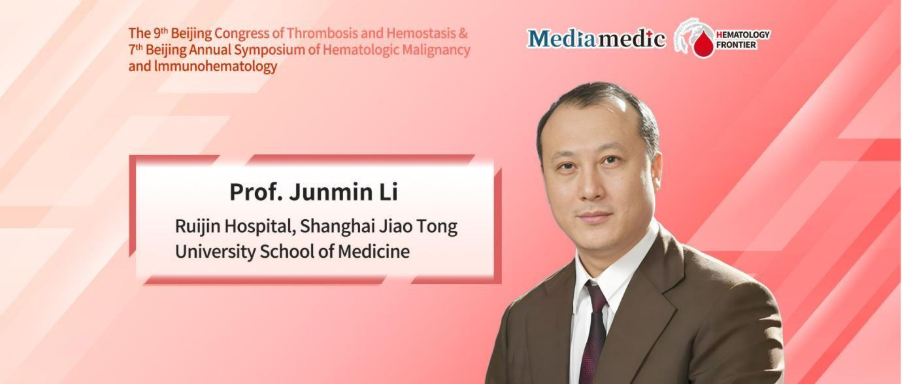
Professor Junmin Li: Exploration and Clinical Practice of Umbilical Cord Blood Therapy in Elderly Patients with Acute Myeloid Leukemia
In March, as spring brings clarity and renewal to Beijing, the 9th Beijing Conference on Thrombosis and Hemostasis, together with the 7th Beijing Hematologic Oncology and Immunology Summit Forum, was convened from March 27 to 28, 2026, marking the 25th anniversary of the Hematology and Immunology Branch of the Chinese Society of Immunology.
-
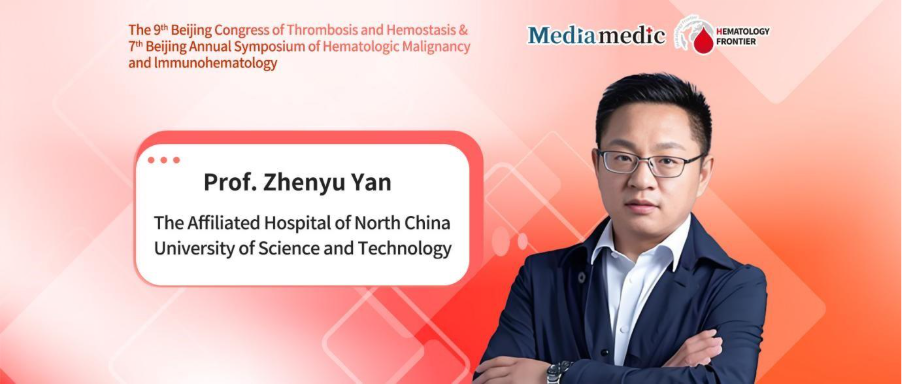
Professor Zhenyu Yan: Seven Transformations in the Comprehensive Management of Hemophilia in China — From Survival to Functional Cure
In March, as spring breathes new life into Beijing, the 9th Beijing Conference on Thrombosis and Hemostasis, organized by the Hematology and Immunology Branch of the Chinese Society of Immunology, together with the 7th Beijing Hematologic Oncology and Immunology Summit Forum, was successfully convened from March 27 to 28, 2026. During the meeting, Professor Zhenyu…
-
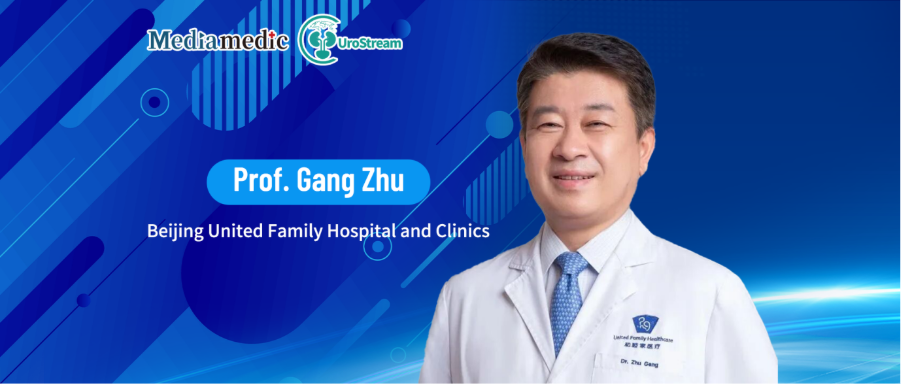
Professor Gang Zhu: Prevention and Treatment of Urologic Tumors — Early Screening Is Key, Personalized Care Enhances Patient Experience
With the aging population and changes in lifestyle in China, the incidence of urologic cancers has been steadily increasing. Oncology Frontier – UroStream invited Professor Gang Zhu from Beijing United Family Hospital to discuss prevention strategies and personalized medical care in urologic oncology. Drawing from clinical practice, he emphasized the importance of early screening and…
-
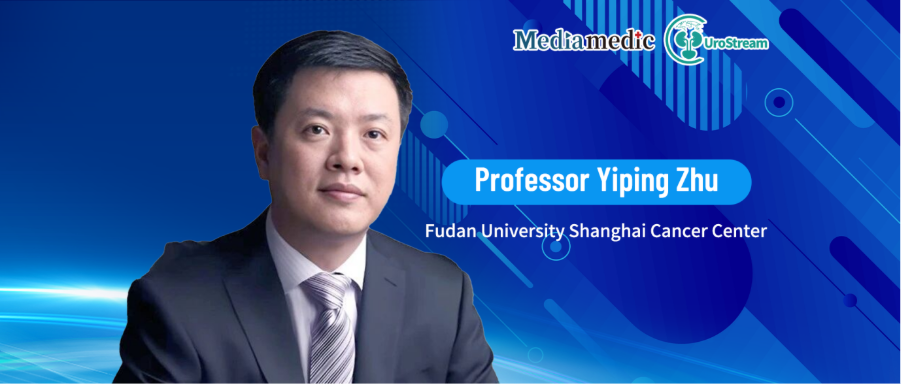
Bladder Preservation Strategies in MIBC | Yiping Zhu: New Approaches and Clinical Practice
Bladder-preserving treatment is an important therapeutic strategy for patients with muscle-invasive bladder cancer (MIBC), aiming to maintain bladder function while avoiding radical cystectomy. In recent years, this approach has become a major focus of clinical research, with multiple emerging strategies.
-

ASCO GU Key Opinion Leaders | Michiel van der Heijden: ADC + Immunotherapy Reshapes Urothelial Carcinoma Treatment, Opening New Paths for Bladder Preservation and Personalized Care
At the 2026 American Society of Clinical Oncology Genitourinary Cancers Symposium (ASCO GU), one of the world’s most prestigious meetings in genitourinary oncology, multiple landmark studies were presented that are reshaping clinical practice. Among them, advances in urothelial carcinoma (UC) stood out prominently.
-
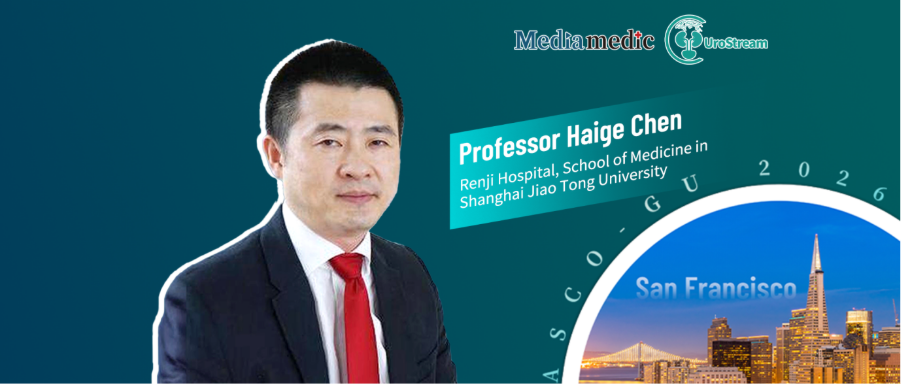
ASCO GU Insights | Haige Chen: Breakthroughs in Bladder Cancer and the New Era of Precision Treatment
At the 2026 Genitourinary Cancers Symposium of the American Society of Clinical Oncology (ASCO GU 2026), held in San Francisco, leading experts from around the world gathered to present cutting-edge advances in urothelial carcinoma (UC). Key themes included antibody–drug conjugate (ADC) plus immunotherapy strategies for bladder preservation, clinical translation of liquid biopsy technologies, and deeper…
-
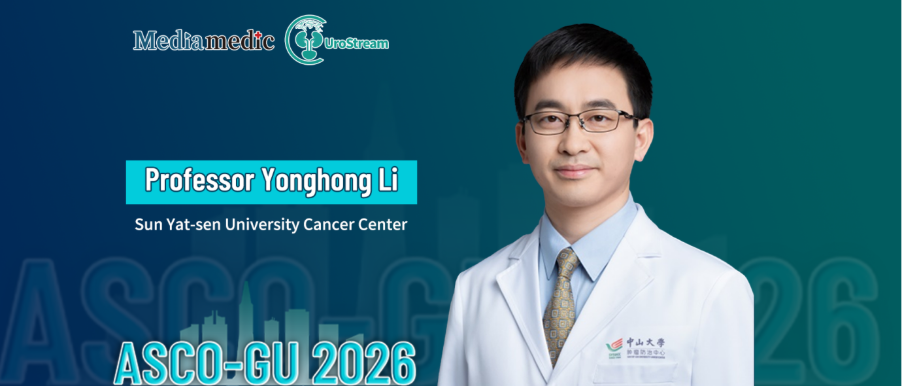
ASCO GU Insights | Professor Yonghong Li on Major Advances in Prostate Cancer and Their Clinical Value
The 2026 American Society of Clinical Oncology Genitourinary Cancers Symposium (ASCO GU 2026) has successfully concluded. As a global benchmark in genitourinary oncology, this year’s meeting delivered multiple landmark studies that provide strong evidence for optimizing and innovating prostate cancer management.
-
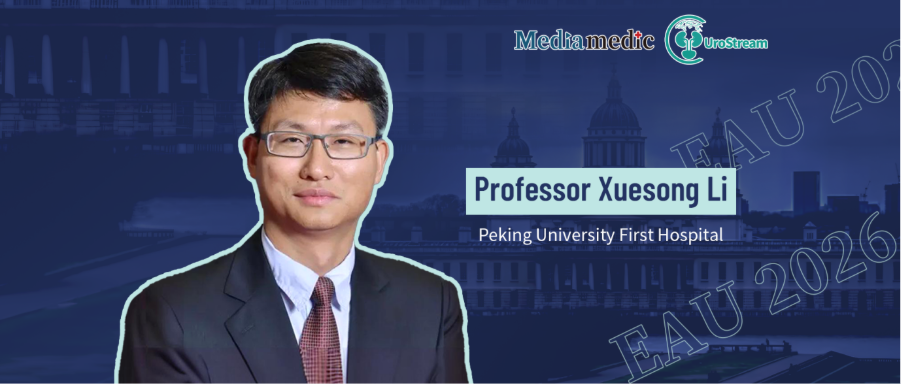
EAU26 Afternoon Dialogue | Xuesong Li: ADC Plus Radiotherapy in the Perioperative Setting Breaks Therapeutic Barriers and Opens a New Era of Precision Treatment for UTUC
At the 2026 European Association of Urology Congress (EAU26), held in London, major advances in urologic oncology were presented. Among them, the work of Professor Xuesong Li’s team from Peking University First Hospital attracted considerable attention. The team not only contributed important achievements in upper urinary tract reconstruction but also presented a phase II clinical…

Connecting Medical Expertise through Media