-
Pujiang Prostate Cancer Summit | Professor Jianming Guo: Breaking Through CRPC Resistance and Why Cytoreductive Surgery for Oligometastatic Disease Is Emerging as the Next Frontier
The 2026 Pujiang Prostate Cancer Summit was successfully held in Shanghai on June 26–27. Hosted by the Shanghai Anti-Cancer Association and organized by Fudan University Shanghai Cancer Center, the meeting brought together leading experts through keynote lectures, multidisciplinary (MDT) discussions, and live surgical demonstrations to highlight the latest advances in prostate cancer management. Among the…
-
Pujiang Prostate Cancer Summit | Professor Dingwei Ye: Expanding Early Screening, Standardizing Care, and Advancing Clinical Research—Three Pillars to Narrow China’s Prostate Cancer Survival Gap
The 2026 Pujiang Prostate Cancer Summit was held in Shanghai on June 26–27 under the theme “Standardization, Precision, Chinese Innovation, and Global Collaboration.” The meeting brought together leading experts in genitourinary oncology to showcase the latest advances in standardized prostate cancer management and innovative treatment strategies.
-
Clear Horizons, Comprehensive Urologic Care | Professor Xin Yao: ADT Remains the Cornerstone of Prostate Cancer Management, While LHRH Antagonists Deliver Both Clinical Efficacy and Quality of Life
In this edition of Clear Horizons, Comprehensive Urologic Care, Professor Xin Yao from Tianjin Medical University Cancer Institute and Hospital discusses the mechanistic and clinical differences between LHRH agonists and antagonists, as well as practical strategies for managing ADT-related adverse events to maximize both treatment efficacy and patient quality of life.
-

APPLE 2026 | Prof. Stephen L. Chan: The Art and Science of Conversion Therapy in Cholangiocarcinoma
Cholangiocarcinoma is characterized by its high malignancy, with the majority of patients presenting with unresectable disease at initial diagnosis. In recent years, conversion therapy—which utilizes systemic treatment to downsize tumors—has emerged as a pivotal, offering select patients a pathway to curative-intent resection. However, striking the right balance between therapeutic efficacy and overtreatment remains a significant…
-
APACC 2026 | Prof. Jason Ong: Tackling PrEP Accessibility Challenges and Exploring AI-Driven New Pathways for STI Prevention and Control
The 2026 Asia-Pacific AIDS and Co-infections Conference (APACC 2026) was successfully held in Tokyo, Japan. Focusing on cutting-edge practices and technological innovations in the prevention and control of HIV and sexually transmitted infections, the conference gathered global experts in the field to explore pathways for optimizing public health services. Our journal specially invited Professor Jason…
-
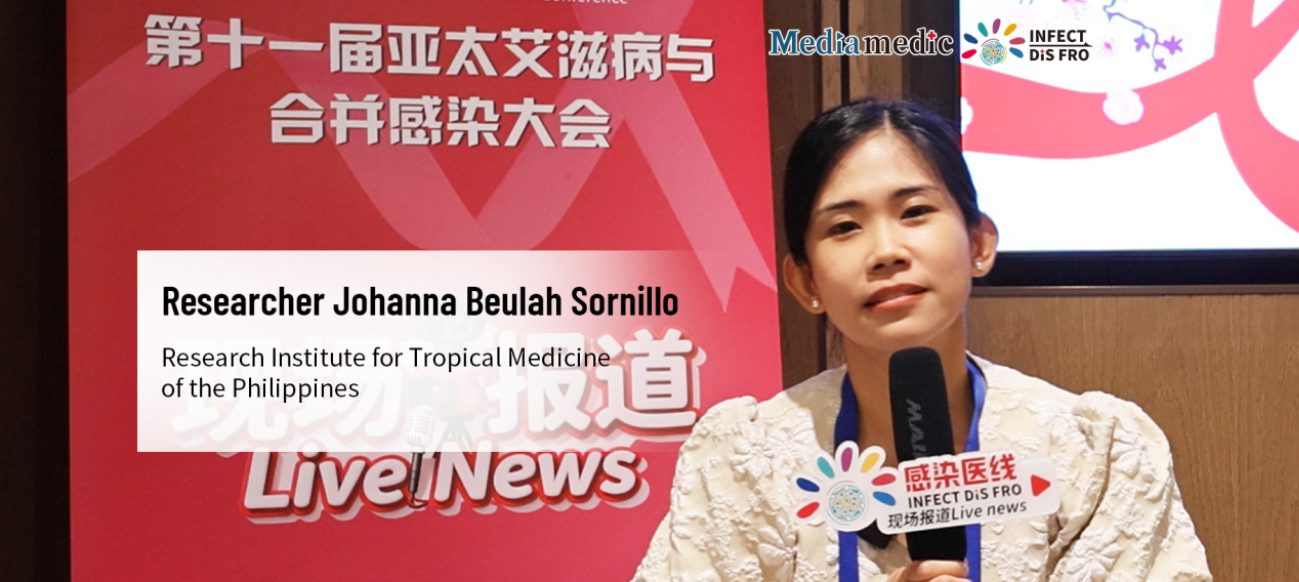
APACC 2026| Researcher Johanna Beulah Sornillo: Rapid ART Initiation to Fortify HIV Prevention and Control in the Asia-Pacific
The 11th Asia-Pacific AIDS & Co-Infections Conference (APACC 2026) was successfully convened in Tokyo, Japan. Bringing together HIV prevention and control experts from across the region, the conference focused on core regional challenges including standardized antiretroviral therapy (ART) and whole-course management for people living with HIV, serving as an exchange platform to advance the optimization…
-
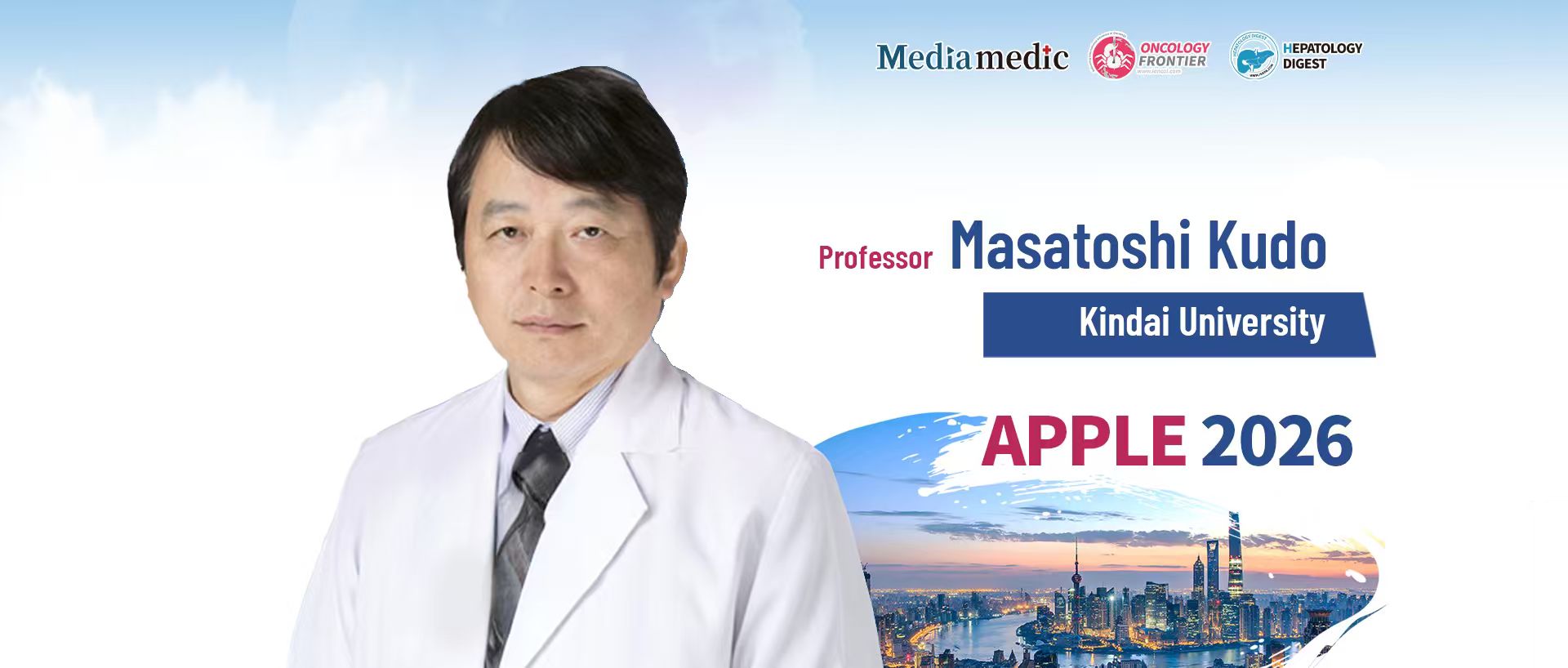
APPLE 2026 | Prof. Masatoshi Kudo: Reconstructing Systemic-Locoregional Therapeutic Strategies for Hepatocellular Carcinoma in the Immuno-Oncology Era
As hepatocellular carcinoma (HCC) treatment enters the wave of immuno-oncology (IO) combinations, the paradigm of combining systemic therapy with locoregional treatments (LRT) is undergoing a qualitative leap—evolving from incremental gains to a fundamental reconstruction. Held from July 3–5, 2026, the 16th Asia-Pacific Primary Liver Cancer Expert (APPLE) Meeting convened in Shanghai, bringing together leading experts…
-
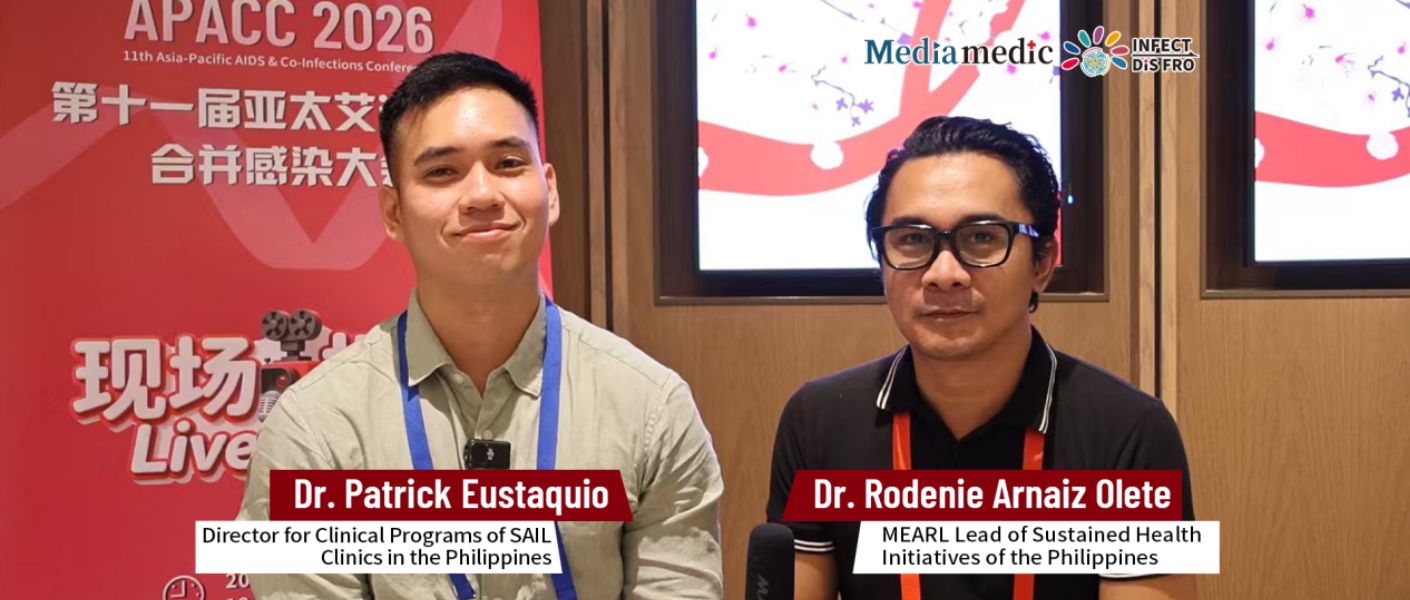
APACC 2026 | Rodenie & Patrick: Exploring the Causes of HIV Loss to Follow-Up and Building Comprehensive Care for People Living with HIV Through Innovative Community Services
The 2026 Asia-Pacific AIDS and Co-infections Conference (APACC 2026) was successfully held in Tokyo, Japan. Focusing on core public health issues such as continuous care for people living with HIV (PLHIV) and co-infection management, the conference gathered frontline clinical researchers from multiple countries to share local prevention and control practices and research findings. Infectious Disease…

Connecting Medical Expertise through Media