-
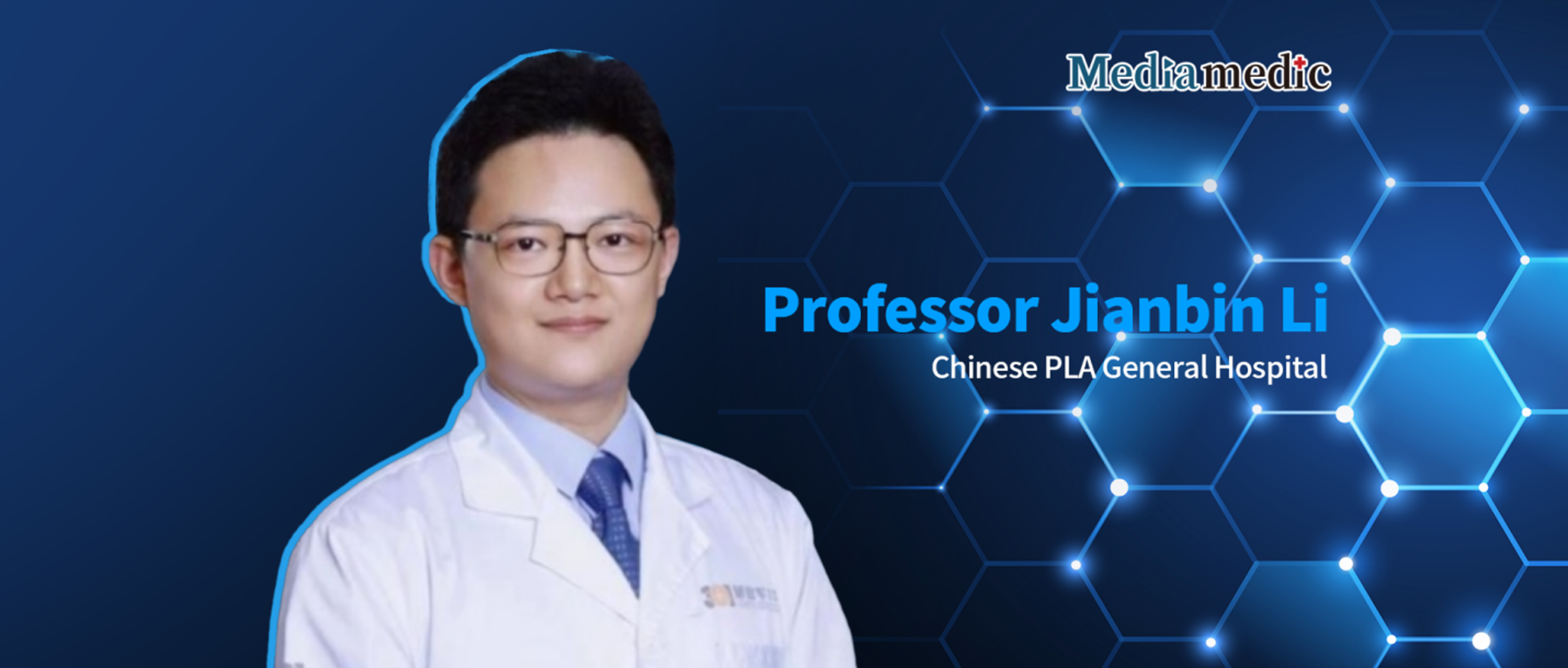
CSCO BC Guidelines | Unlocking a New Chapter in Anti-HER2 Therapy — Professor Jianbin Li Interprets Key Updates to the 2025 CSCO BC Guidelines
Oncology Frontier: The 2025 edition of the CSCO BC Guidelines was officially released at this year’s National Breast Cancer Conference. Could you share some of the key updates clinicians should…
-
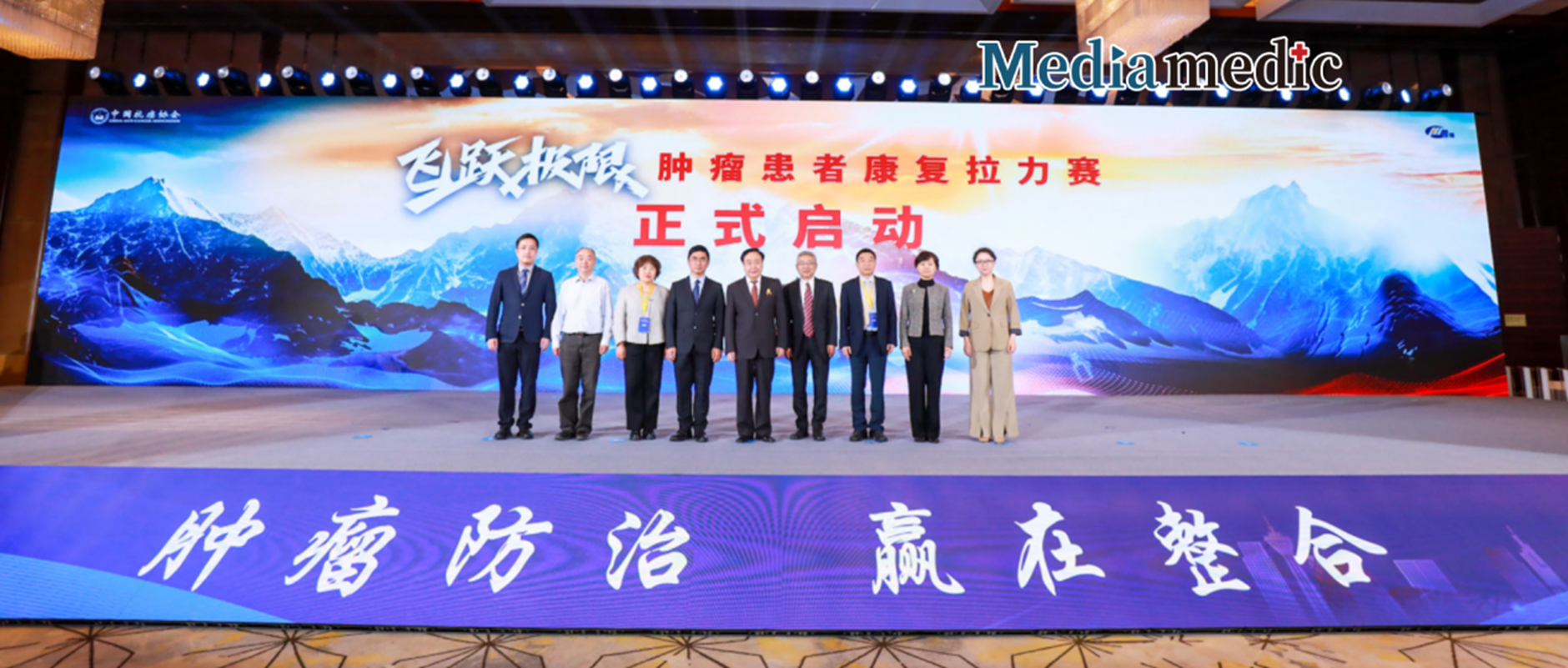
Cancer Patients Rehabilitation Rally is Underway!
On April 20, 2025, the “Beyond Limits” Cancer Patients Rehabilitation Rally was officially launched across China. Organized by the Cancer Rehabilitation Society of CACA , and supported by Hengrui Pharmaceuticals, the initiative harnesses digitization and other cutting-edge technologies to enhance long-term survival rates and quality of life for cancer patients.
-
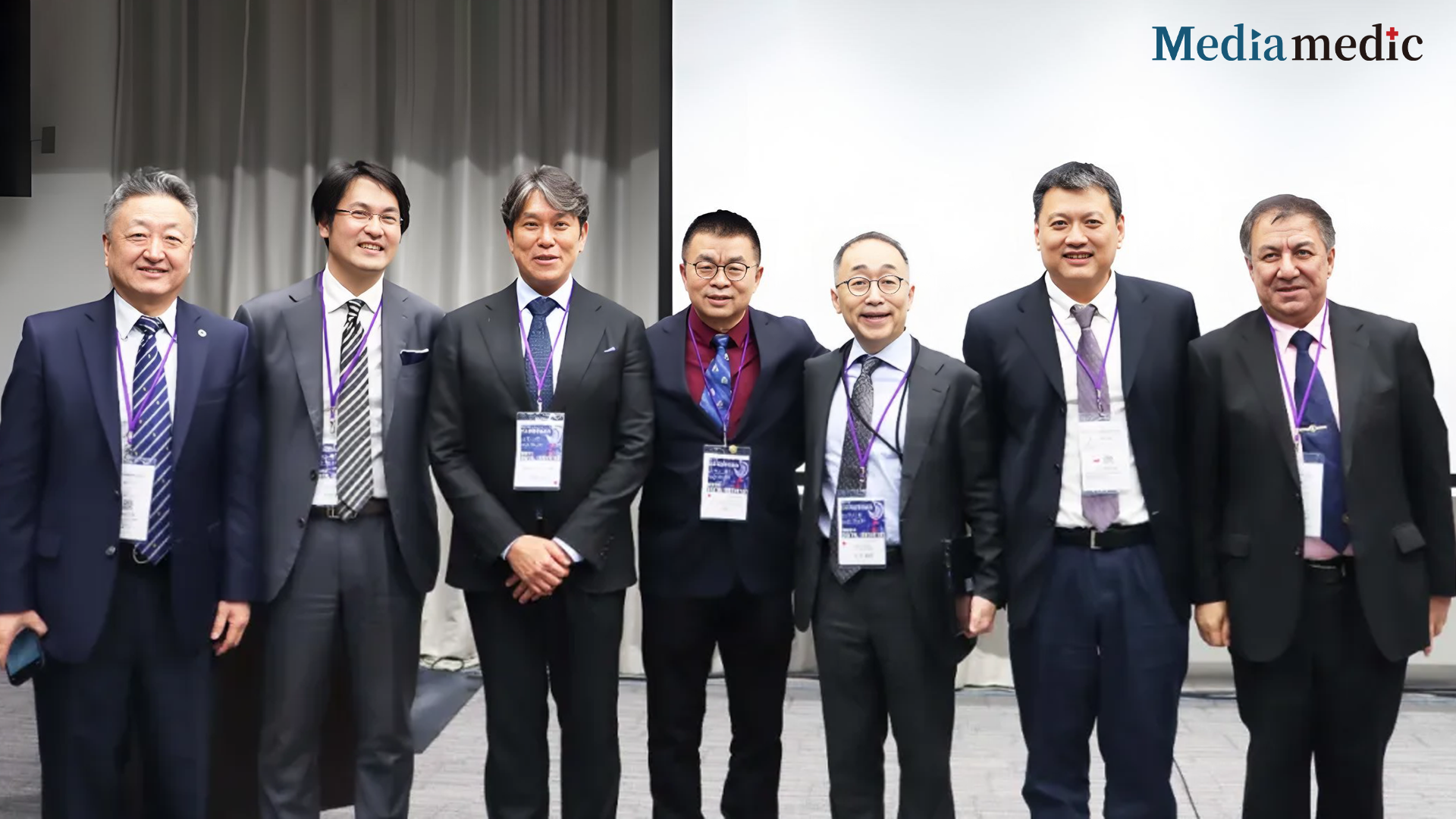
Professor Ziyu Li: JGCA China-Japan Joint Session Opens with a Spotlight on Function-Preserving Surgery for Gastric Cancer
Since 2016, the Gastric Cancer Committee has actively promoted China-Japan academic exchange by establishing a dedicated Chinese session at the JGCA annual meeting. In 2019, under the initiative and support…
-

IGCC 2025 | Professor Zekuan Xu to Present on China’s Current Clinical Research Landscape in Gastric Cancer
According to the official agenda, at 9:00 AM local time on May 8, during the Plenary Session I: Current Trials, Professor Zekuan Xu from The First Affiliated Hospital with Nanjing…
-
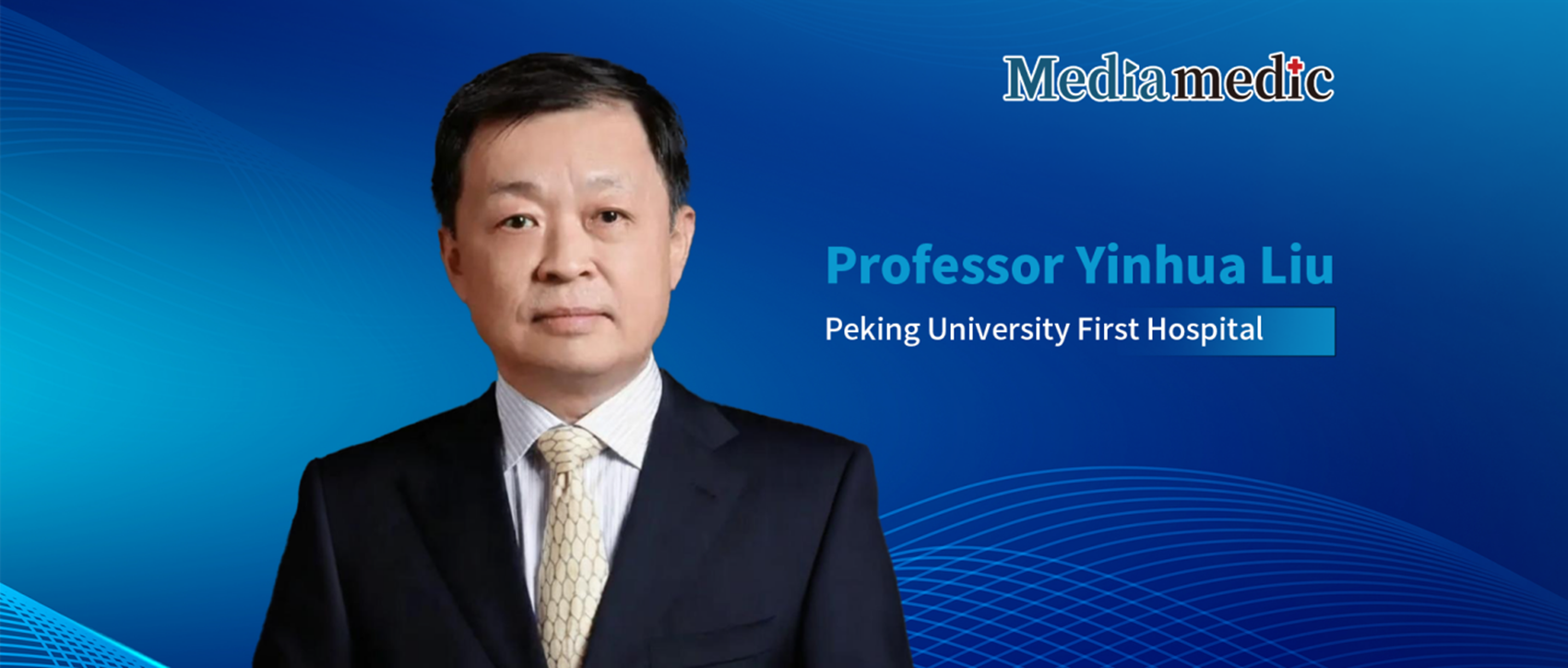
Prof. Yinhua Liu: Shared Expertise and Surgical Updates in the 2025 Chinese Breast Surgery Guidelines
Oncology Frontier: At this year’s conference, you presented an overview of the updated 2025 edition of the Chinese Medical Association Guidelines for Clinical Practice in Breast Surgery. Could you summarize…
-
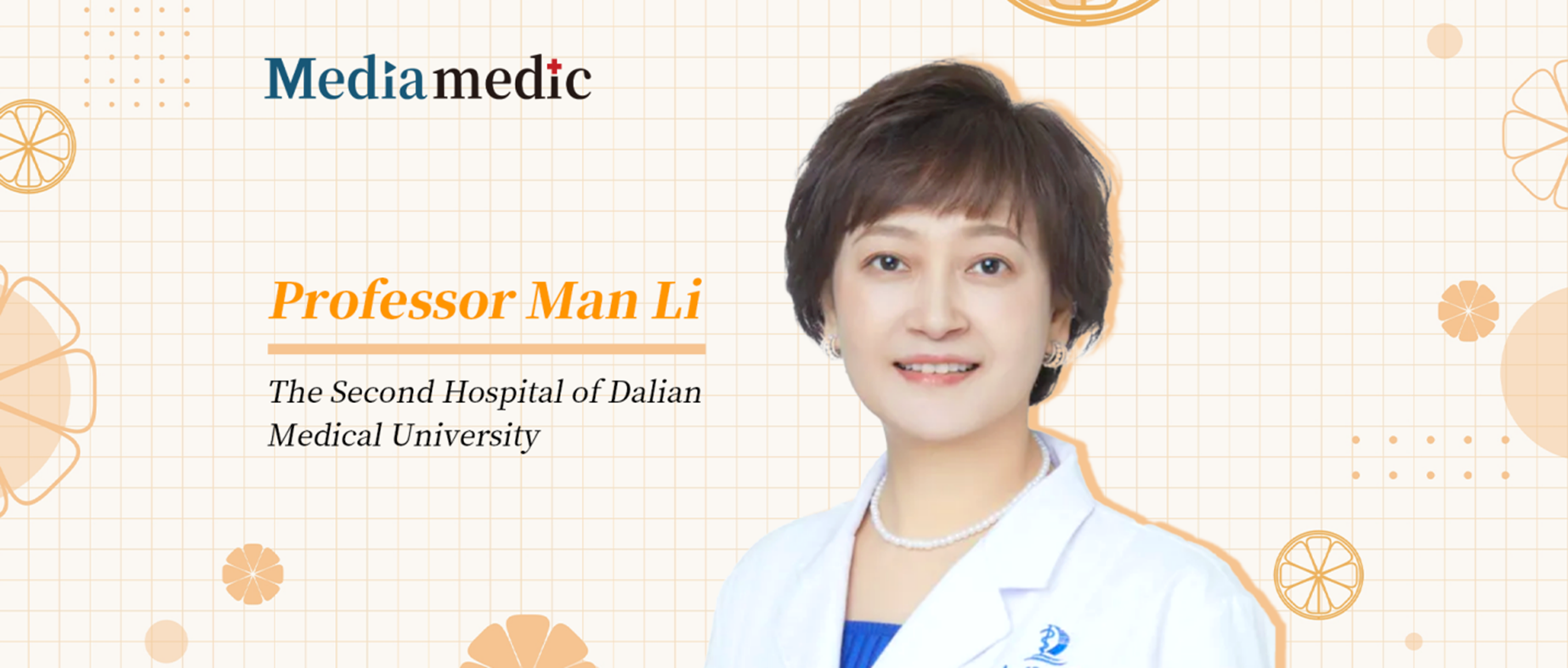
CSCO BC Guidelines 2025 | Prof. Man Li on “Changes and Constants” in Systemic Therapy for Advanced HER2+ Breast Cancer
At the conference, Professor Man Li from The Second Hospital of Dalian Medical University presented and interpreted the updated recommendations for systemic therapy in advanced HER2-positive breast cancer. In an…
-
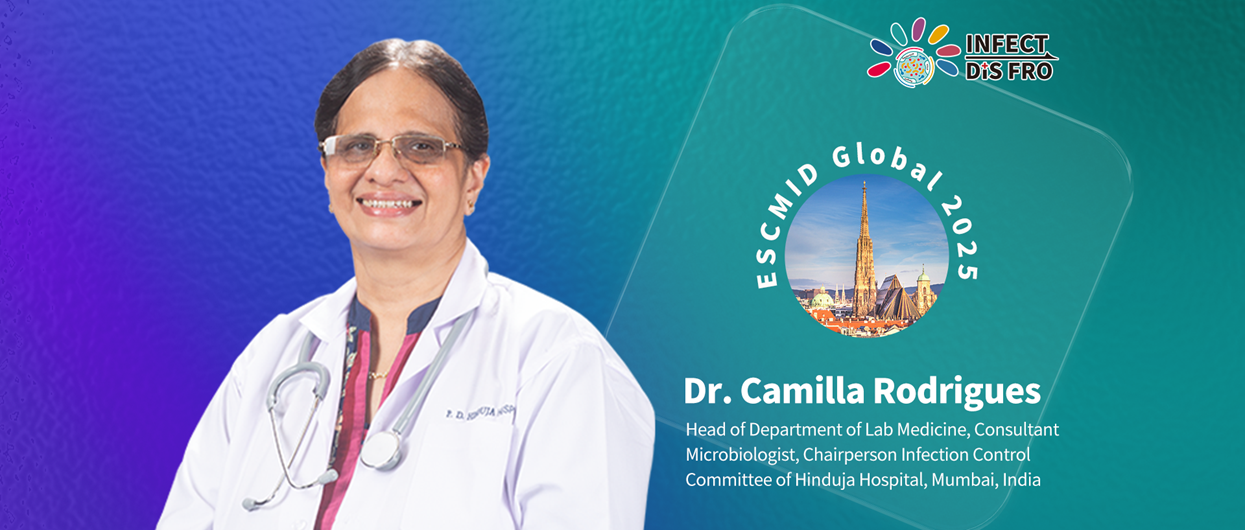
Do we need a change in surgical antimicrobial prophylaxis? Insights from Dr. Camilla Rodrigues
Antimicrobial resistance (AMR) continues to pose a serious threat to global health systems, particularly in high-burden countries like India. The challenges it presents to surgical treatment are complex and evolving, demanding both robust surveillance and strategic preventive interventions. In this interview, Dr. Camilla Rodrigues from Hinduja Hospital shares the current epidemiological landscape of AMR in…
-
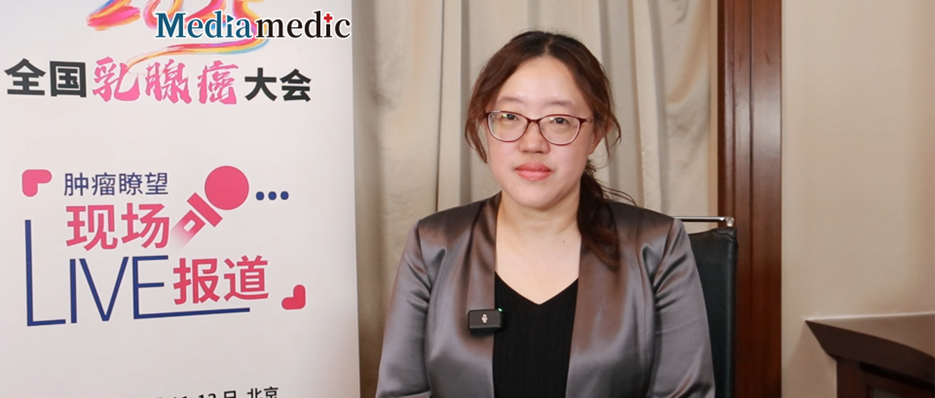
CSCO BC Guidelines | Prof. Ying Yan: Precision Diagnosis and Tailored Therapy — Treatment Updates for HER2-Low and Ultra-Low Breast Cancer
The 2025 National Breast Cancer Conference, held in Beijing from April 11 to 13, introduced significant updates to the 2025 edition of the CSCO Breast Cancer Guidelines (CSCO BC Guidelines). Among the most notable changes was a revision in the treatment approach for patients with HER2-low breast cancer. Oncology Frontier invited Professor Ying Yan from…

Connecting Medical Expertise through Media