-
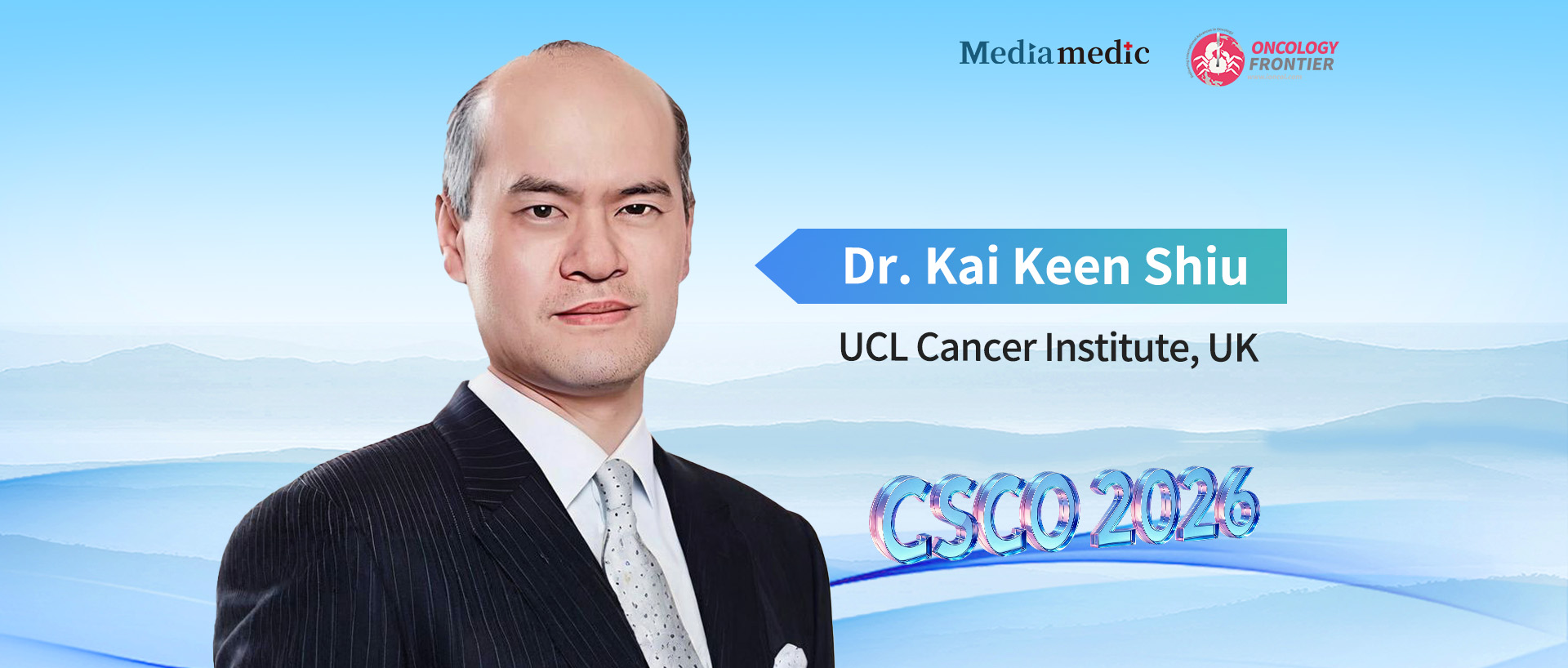
2026 CSCO China–International Dialogue | Professor Kai-Keen Shiu analyzes breakthrough strategies for immunotherapy in MSS/pMMR colorectal cancer
The 2026 CSCO Annual Meeting was held in Jinan from September 16 to 19, bringing together scholars from around the world in its international sessions. Prof. Kai-Keen Shiu of the UCL Cancer Institute delivered a special lecture titled “Immuno-resistant CRC treatment” at the conference. Oncology Frontier–UroStream conducted an exclusive interview with him on site, systematically…
-
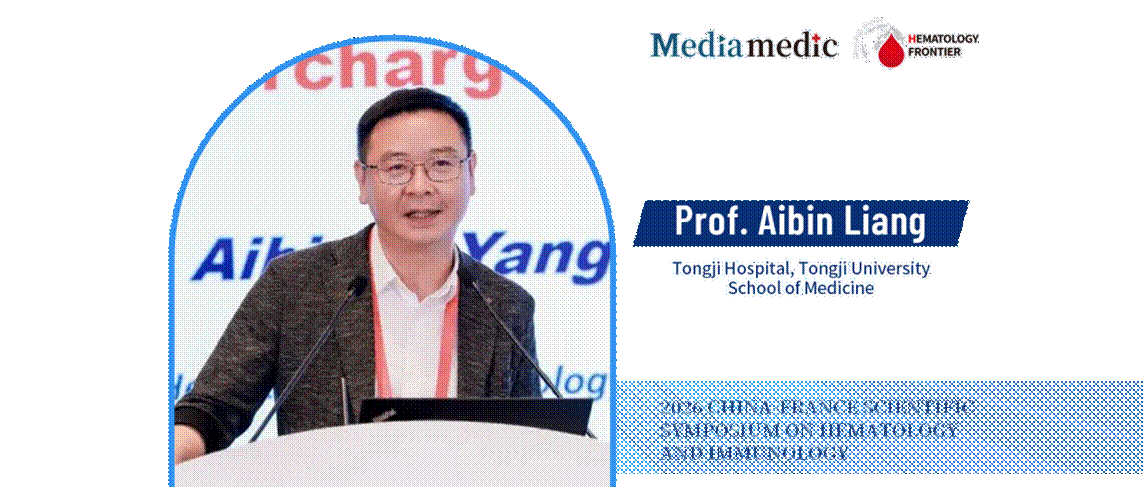
Professor Aibin Liang: Enhancing CAR-T Therapy with the A2AR-Targeting Natural Product TAIII—From CAR-Treg Mechanisms to Clinical Translation | 2026 China-France Scientific Symposium on Hematology and Immunology
2026 China-France Scientific Symposium on Hematology and Immunology was held in Beijing from September 11 to 13, 2026. Building on the longstanding tradition of academic exchange between China and France in hematology, this year’s conference further expanded its scope to the intersection of hematology and immunology, bringing together leading experts from both countries to explore…
-
China and France Join Forces to Advance Hematology and Immunology: The 2026 China-France Scientific Symposium on Hematology and Immunology Held in Beijing
As autumn brings a rich harvest, China and France are joining forces to open a new chapter in scientific collaboration. Organized by the Chinese Medical Doctor Association and the Chinese Society for Immunology, and hosted by the Hematology Branch of the Chinese Medical Doctor Association and the Peking University Institute of Hematology at the National…
-
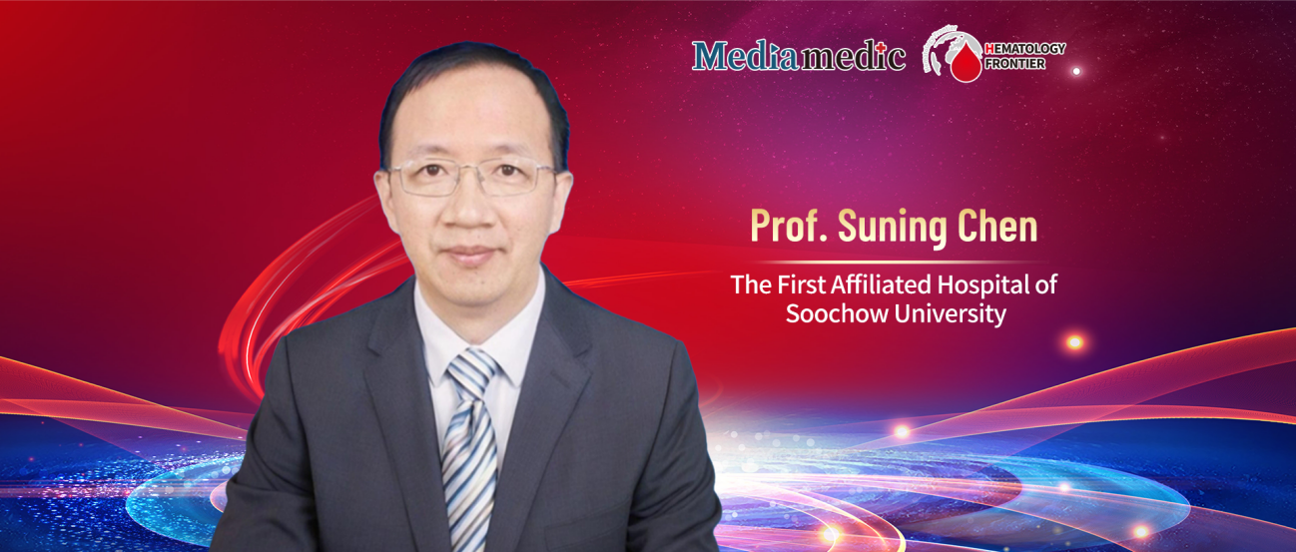
Professor Suning Chen: Standardized Diagnosis and Treatment of Acute Myeloid Leukemia in Young Adults | 2026 China-France Scientific Symposium on Hematology and Immunology
2026 China-France Scientific Symposium on Hematology and Immunology was held in Beijing from September 11 to 13, 2026. Building on the longstanding tradition of hematology exchanges between China and France, this year’s conference expanded its scope to the intersection of hematology and immunology, bringing together renowned experts from both countries to explore scientific advances and…
-
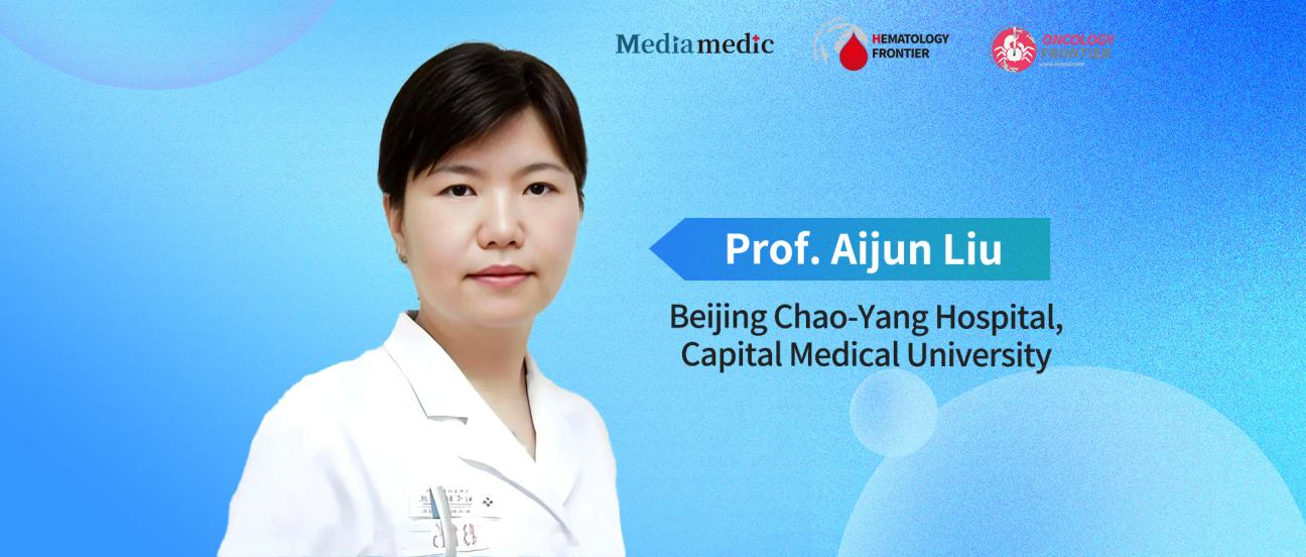
CSCO 2026 | Professor Aijun Liu: Phase II Study of Eprenetapopt Combined With Bispecific Antibodies in Relapsed/Refractory Multiple Myeloma
The 29th Annual Meeting of the Chinese Society of Clinical Oncology (CSCO) was held in Jinan from September 16 to 19, 2026, bringing together oncology experts from around the world to explore innovative approaches to precision diagnosis and treatment. During the multiple myeloma session, Professor Aijun Liu of Beijing Chao-Yang Hospital, Capital Medical University, presented…
-
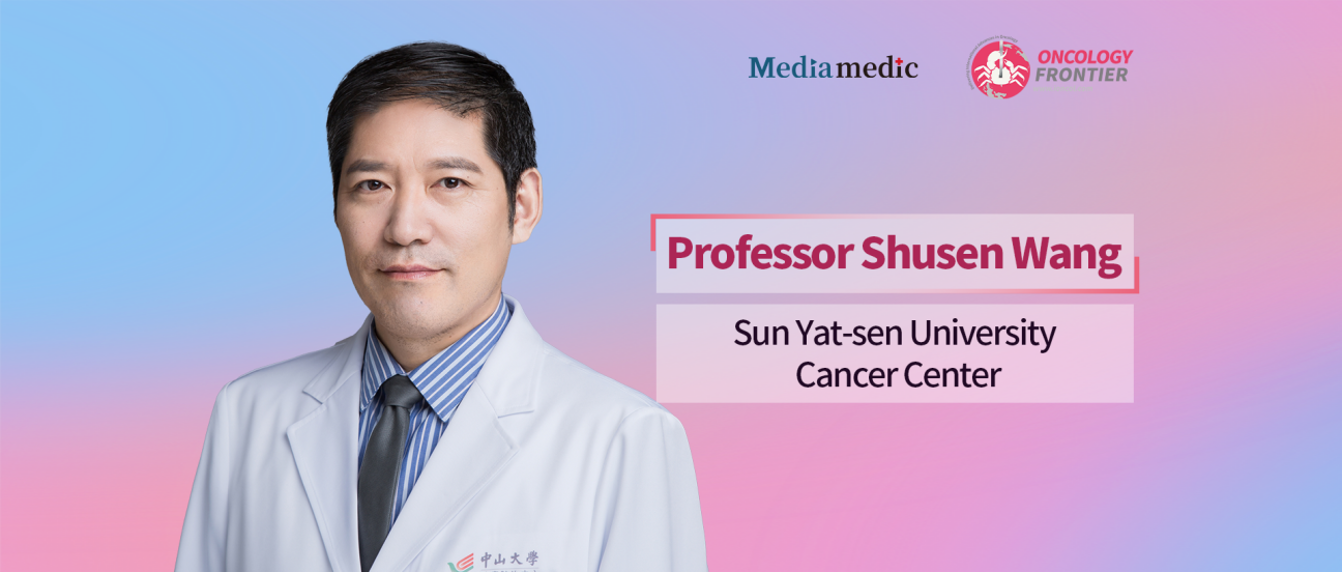
17th Yanzhao Breast Cancer Forum | Professor Shusen Wang: From MECCA to SYSUCC-020—Endocrine Therapy Plus Metronomic Chemotherapy Opens a New Chapter in HR-Positive/HER2-Negative Breast Cancer Treatment
Hormone receptor-positive, HER2-negative (HR+/HER2−) breast cancer is the most common molecular subtype of breast cancer. For decades, the combination of endocrine therapy and chemotherapy was considered a therapeutic “forbidden zone” because of its theoretical basis and early clinical evidence. With the emergence of novel endocrine agents, chemotherapeutic drugs, antibody–drug conjugates (ADCs), and evolving treatment strategies,…
-
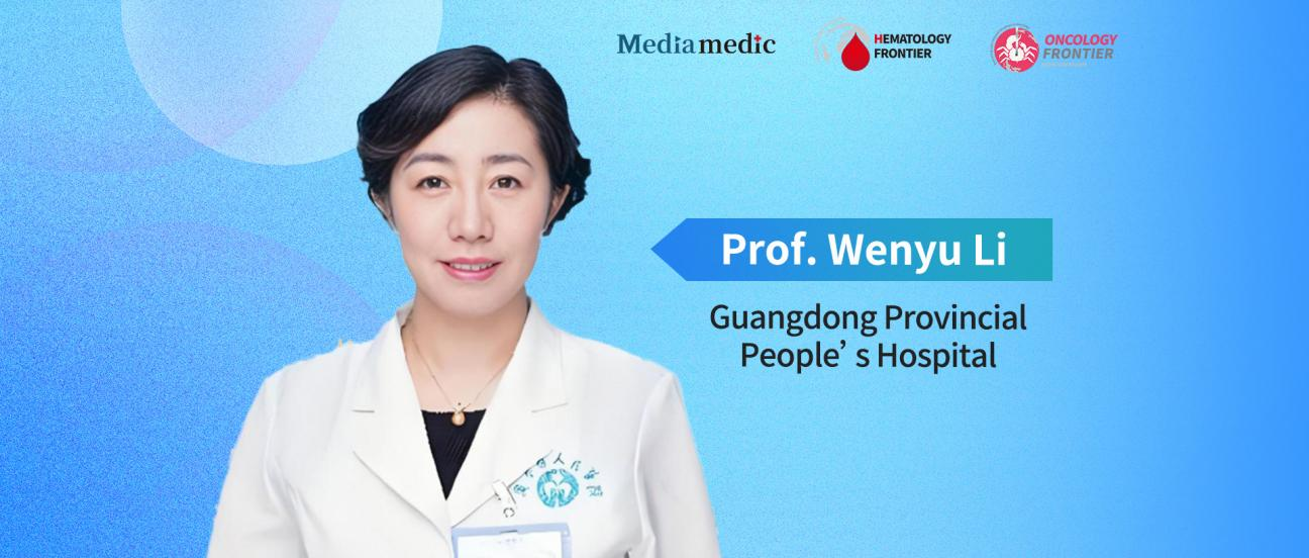
CSCO 2026 | Professor Wenyu Li: Current Treatment Landscape and Controversies in Newly Diagnosed Mantle Cell Lymphoma
The 29th Annual Meeting of the Chinese Society of Clinical Oncology (CSCO) was held in Jinan from September 16 to 19, 2026, bringing together oncology experts from around the world to explore advances in precision diagnosis and treatment. During the lymphoma session, Professor Wenyu Li of Guangdong Provincial People’s Hospital delivered a presentation entitled “Current…

Connecting Medical Expertise through Media