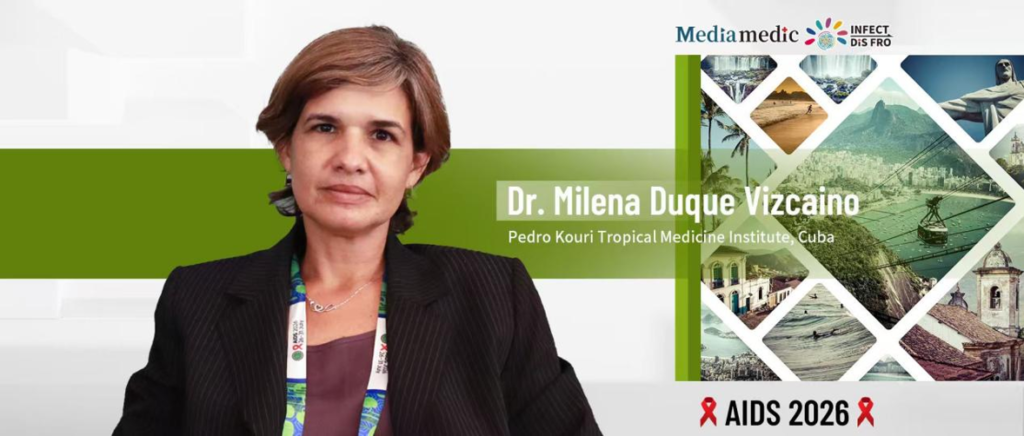
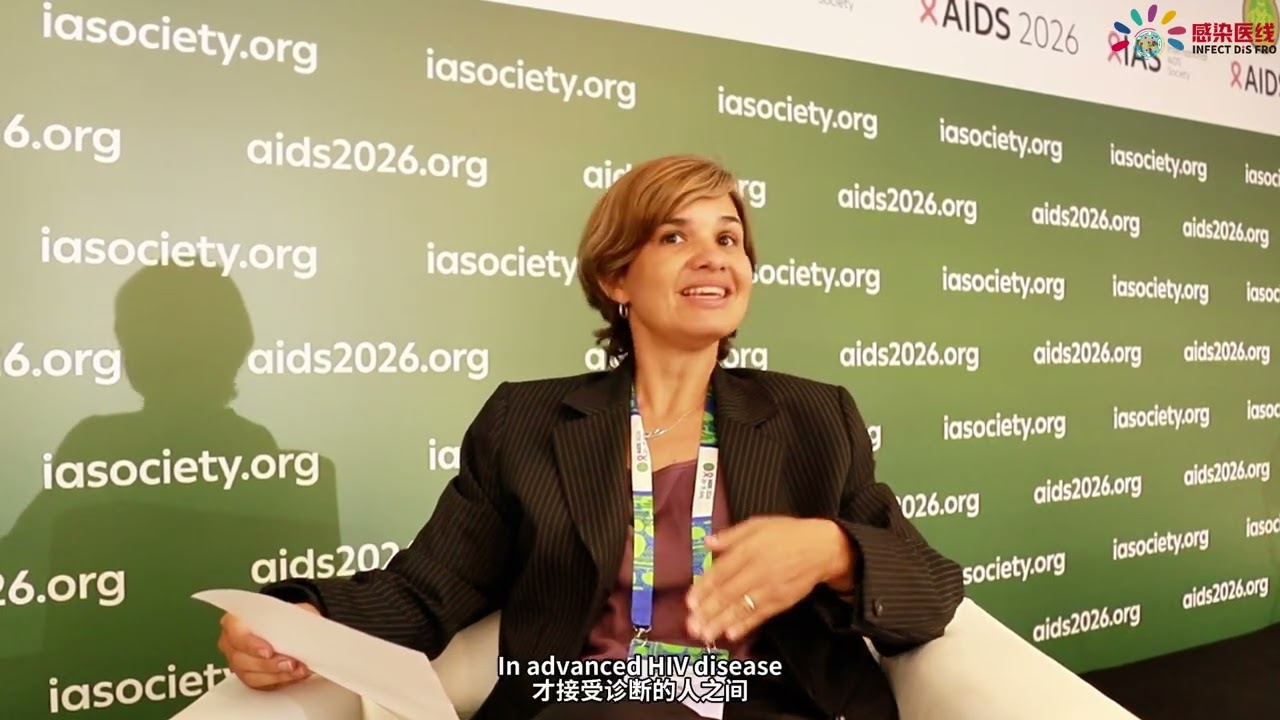
Editorial Note: The 2026 International AIDS Conference was held in Rio de Janeiro, Brazil, where scholars from across the globe engaged in in-depth exchanges on the latest advances in HIV diagnosis, treatment, prevention and control. Dr. Milena Duque Vizcaino from the Pedro Kourí Tropical Medicine Institute in Cuba presented a domestic follow-up study covering 2019 to 2025 at the conference, centering on the critical public health issue linking late HIV diagnosis to mortality risk. Though Cuba has built a comprehensive HIV prevention and control network underpinned by its unique universal free healthcare system, the challenge of delayed diagnosis has not been fully eliminated. Infectious Disease Frontier conducted an exclusive interview with Dr. Vizcaino to discuss core topics including disparities in mortality risk among late-diagnosed patients, key barriers to delayed diagnosis, and optimized screening and intervention pathways. The interview analyzes pain points and practical experience of HIV prevention under a Latin American medical model, offering reference frameworks for low- and middle-income regions worldwide to refine strategies for early HIV screening and treatment.Infectious Disease Frontier: According to Cuba’s 2019–2025 follow-up data, how much higher is the mortality risk among patients diagnosed with HIV at an advanced stage compared to those diagnosed early? Has the overall mortality rate associated with late diagnosis risen or fallen in recent years, and what key factors drive this trend?
Dr. Vizcaino: This is a highly research-worthy question. First and foremost, data confirms that mortality risk surges significantly for Cubans diagnosed with HIV in advanced disease stages. Our core research finding shows that patients receiving an HIV diagnosis at a late stage face a more than 5.5-fold increase in mortality risk within the first year post-diagnosis, meaning such late-diagnosed individuals may have a remaining survival period of less than one year. This finding forms the core evidence guiding our prevention and control initiatives aimed at improving overall survival rates for people living with HIV in Cuba.
Regarding trends in mortality linked to late diagnosis, the overall rate has been declining. Clinical data from Cuba indicates the national late HIV diagnosis rate has stabilized at 10%, a relatively low figure. Nevertheless, this proportion still falls short of our ideal target: every case of late diagnosis represents a preventable death that could have been avoided through early screening and intervention. Eliminating late HIV diagnoses entirely stands as the fundamental objective of our work.
The shifting mortality trend stems from the interplay of multiple factors: HIV-related stigma, social discrimination, allocation of medical resources, patients’ health literacy, and timely linkage to care following diagnosis. It is critical to emphasize that rapid enrollment in standardized treatment immediately after HIV diagnosis is indispensable. Clinical management protocols and intervention outcomes differ drastically between patients diagnosed early versus those diagnosed late—this disparity explains why timely care drastically improves patient prognosis.
Infectious Disease Frontier: Cuba operates a universal healthcare system with free medical services for all citizens. Even within this health framework, delayed HIV diagnoses persist consistently. Drawing from your research, what constitutes the primary barrier preventing timely diagnosis among infected individuals?
Dr. Vizcaino: Cuba’s healthcare system guarantees free medical care for every resident, with no out-of-pocket costs for diagnosis and treatment. Citizens may seek medical assistance freely whenever they experience physical discomfort. Against this healthcare backdrop, I argue that HIV-related stigma remains the foremost barrier to timely diagnosis. While we have made marked progress mitigating its impacts, stigma continues to exert tangible adverse effects. Some high-risk populations, even when aware of their HIV exposure risks, deliberately avoid testing out of fear of receiving a positive diagnosis. We must therefore sustain targeted outreach and health education campaigns. Community leadership plays an irreplaceable role here: local communities must actively encourage high-risk groups to undergo testing and ensure newly diagnosed patients are rapidly linked to standardized clinical care systems.
Infectious Disease Frontier: Based on your study’s conclusions, what priority targeted interventions should be rolled out within Cuba’s existing healthcare system to reduce mortality burdens stemming from late diagnosis, boost voluntary testing uptake, and facilitate earlier case identification?
Dr. Vizcaino: To lower mortality linked to late diagnosis, scale up voluntary testing, and achieve earlier case detection under our current healthcare framework, two core intervention priorities emerge from our research findings.
First, we must optimize medical resource allocation and advance the decentralization of clinical and diagnostic services, further streamlining care access channels to ensure all high-risk populations can conveniently access HIV testing and treatment services.
Second, we need to deepen collaborative partnerships with local communities and leverage their primary leadership role. Through expanded distribution of HIV self-test kits and integrated comprehensive prevention intervention packages, we can precisely identify high-risk populations and conduct proactive screening for undiagnosed infections. Communities are uniquely positioned to reach hidden high-risk groups; when aligned with Cuba’s robust national healthcare infrastructure, they drive earlier identification and intervention of HIV cases, which in turn meaningfully raises overall survival rates for people living with HIV.