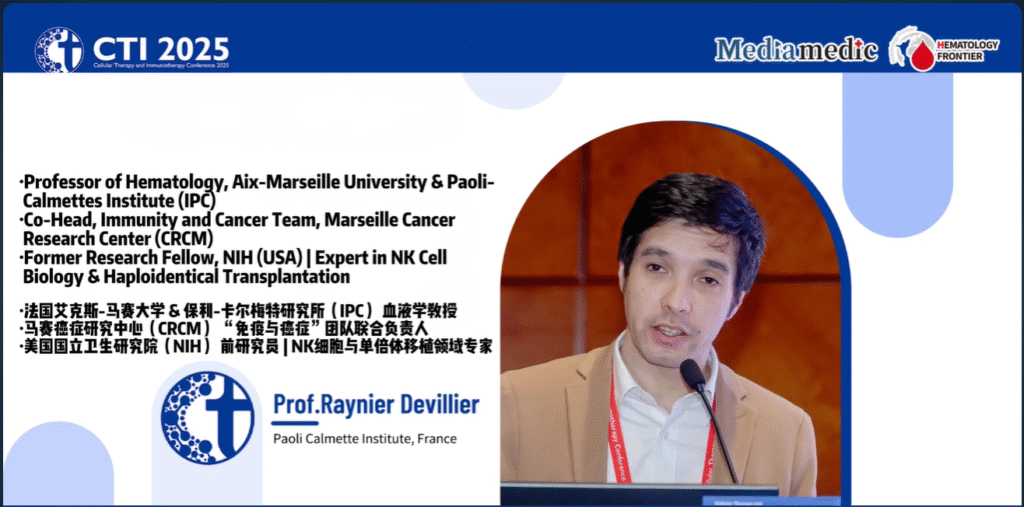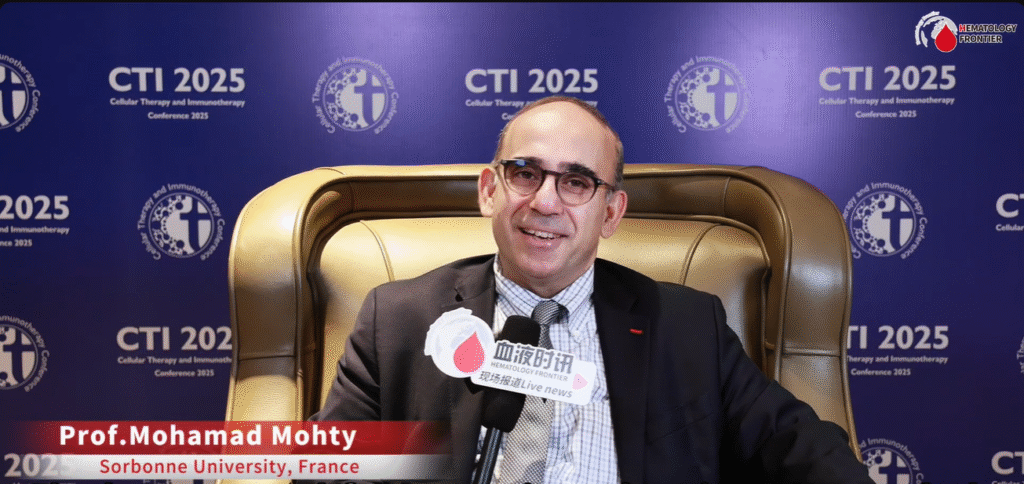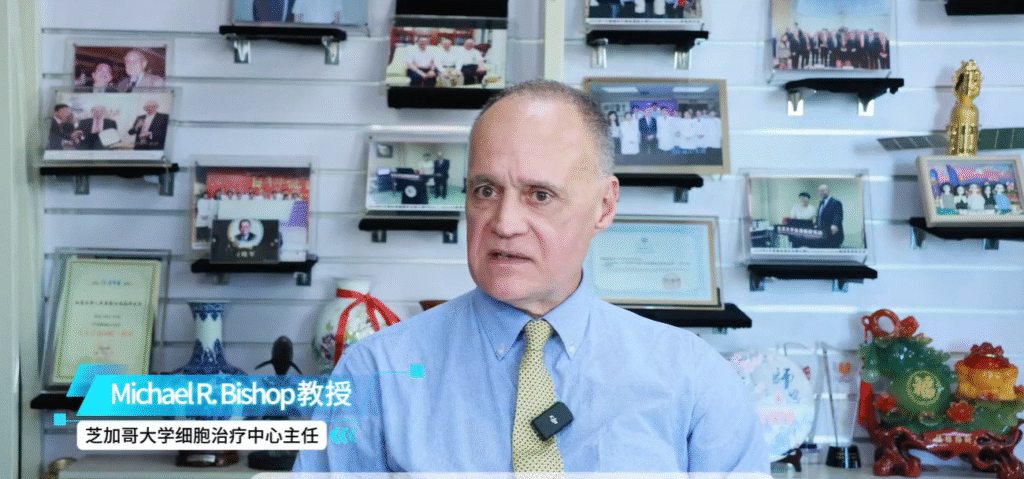

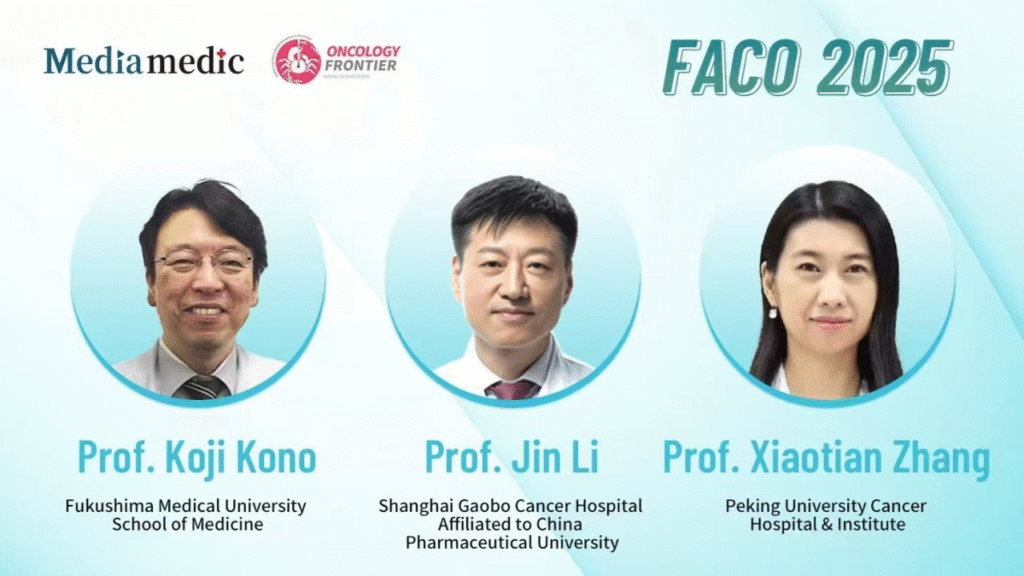
FACO China–Japan Expert Dialogue | Professors Koji Kono, Jin Li, and Xiaotian Zhang Discuss Advances in Precision Treatment for HER2-Positive Gastric Cancer and the Evolving Therapeutic Landscape with T-DXd
China, Japan, and other Asian countries represent the regions with the highest global incidence of gastric cancer. In China, most patients are still diagnosed at advanced stages, losing the opportunity for curative surgery. Effective systemic therapies are therefore critical to improving survival. In recent years, innovative therapies—particularly antibody–drug conjugates (ADCs)—have shown promising results. Among them, the HER2-targeted ADC trastuzumab deruxtecan (T-DXd) has achieved success in key clinical studies such as DESTINY-Gastric04, and is poised to reshape treatment paradigms starting from later-line settings. Asian investigators have played an important role in these practice-changing studies.

CCHIO 2025丨Professor Tang Feifei: Diagnostic Challenges and Future Breakthroughs in Therapy-Related Myeloid Neoplasms
From November 6–9, 2025, the 2025 China Conference on Holistic Integrative Oncology (CCHIO) was held in Kunming. As one of the most influential oncology conferences in China, CCHIO gathered leading…
CCHIO 2025丨Professor Hui Zhou: Advancing Precision Lymphoma Care and System Development—Strategic Planning and Future Directions of the CACA Lymphoma
From November 6–9, 2025, the 2025 China Conference on Holistic Integrative Oncology (CCHIO) was grandly held in Kunming. As one of China’s largest and most influential oncology academic events, the…

Dr. Yishan Ye: Advancing Haploidentical Transplantation — Toward “Timely Access to Optimal Donors for All” | ICIC 2025
To promote innovation in China’s cell therapy and immunotherapy fields, advance discussion of key scientific challenges, share the latest clinical research, and strengthen global collaboration and translational progress, the 2025…