-

Dr.Wai-Kay Seto: Balancing the Risks and Benefits of Long-Term HBV Treatment
The World Health Organization (WHO) has set ambitious goals in its Action Plan for the Elimination of Viral Hepatitis: by 2030, the diagnosis rate for chronic hepatitis B (CHB) should reach 90%, the treatment rate for eligible patients should be 80%, new infections should decrease by 90%, and related deaths should decrease by 65%. However,…
-

Dr. Masatoshi Kudo: Does the Treatment Paradigm for Intermediate HCC Need to Change?
In recent years, there has been rapid progress in the systemic treatment of liver cancer, with new immunotherapies and targeted therapies continually emerging. This has also driven ongoing innovation in the concepts and approaches for treating HCC. From July 6th to 8th, 2023, the 13th Asia-Pacific Primary Liver Cancer Experts Conference (APPLE 2023) was held in…
-

Dr. Kathryn J. Fowler: When to Consider Biopsy – Radiologist’s Perspective
The diagnosis of liver cancer involves three aspects, including imaging, blood test results, and biopsy pathology results. Typically, the diagnosis of a tumor is confirmed only under a microscope after obtaining pathological tissue. However, liver cancer has its unique characteristics, and its diagnosis can be based on cirrhosis and confirmed through imaging tests such as…
-
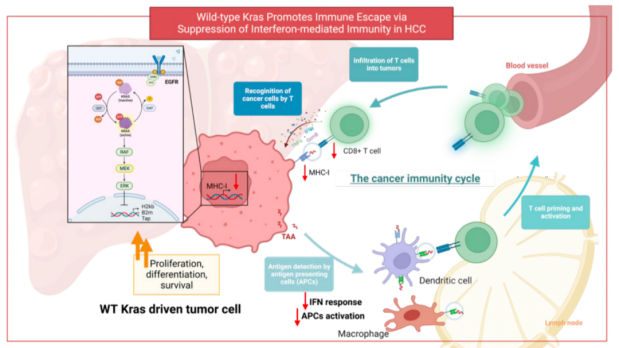
APPLE 2023 | Combining KRAS inhibitors may enhance immunotherapeutic response in liver cancer patients
Hepatocellular carcinoma (HCC) is the most common malignant liver tumor in our country, posing a significant threat to the lives and health of our people. Presently, the treatment for advanced HCC is primarily systemic therapy based on targeted and immunotherapy. Deciding on the appropriate multi-target inhibitors and immunotherapies for combined treatment is a hot topic…
-

Dr. Hanchong Toh: Promising Prospects for Immune Adjuvant Therapy in Liver Cancer
Liver cancer has become the 6th most common and the 3rd leading cause of cancer deaths worldwide. For liver cancer patients, surgery is the preferred method to completely eliminate tumors and achieve long-term survival. However, the majority of liver cancer patients still face late diagnoses and low survival rates. In recent years, the systemic treatment…
-

Dr. Oi-Lin Ng: Heterogeneity of Liver Cancer and its Biological Markers
Liver cancer is the third leading cause of cancer death in China. In recent years, the application of targeted and immunotherapies has improved the survival of liver cancer patients. However, due to the high molecular heterogeneity of liver cancer, there is still a lack of biological markers for predicting clinical efficacy, and there is a…
-

APPLE 2023 | Lenvatinib, PD-1 inhibitors combined with radiotherapy safe and effective in treating hepatocellular carcinoma with portal vein tumor thrombus
Hepatocellular carcinoma (HCC) is one of the most common malignant tumors in China. Most patients are diagnosed at intermediate or advanced stages. The formation of portal vein tumor thrombus (PVTT) is a significant indicator of advanced HCC, with over half of late-stage HCC patients presenting with PVTT. Especially VP4 type (main portal vein), these patients…
-

Dr. Linda Wong: Adjuvant Therapy Could Usher in a New Paradigm for Early-Stage Liver Cancer Treatment
Early-stage liver cancer can be cured with radical surgery. However, tumor recurrence remains the primary challenge affecting patients’ long-term survival. Currently, the five-year recurrence rate for early-stage liver cancer post-surgery is about 60%. Addressing this challenge and improving long-term survival for these patients is a pressing clinical issue. From July 6th to 8th, 2023, the…

Connecting Medical Expertise through Media