-

EBMT Interview | The Latest Advances and Challenges in Bispecific Antibody Treatment for Lymphoma
Monoclonal antibody-based targeted therapy has significantly improved treatment options for cancer patients. In recent years, advancements in protein engineering have led to the development of bispecific antibodies (BsAbs), marking a paradigm shift in antibody construction usage. BsAbs, recognized for their higher therapeutic response, resistance barrier, and fewer adverse reactions, have caught significant attention in the…
-
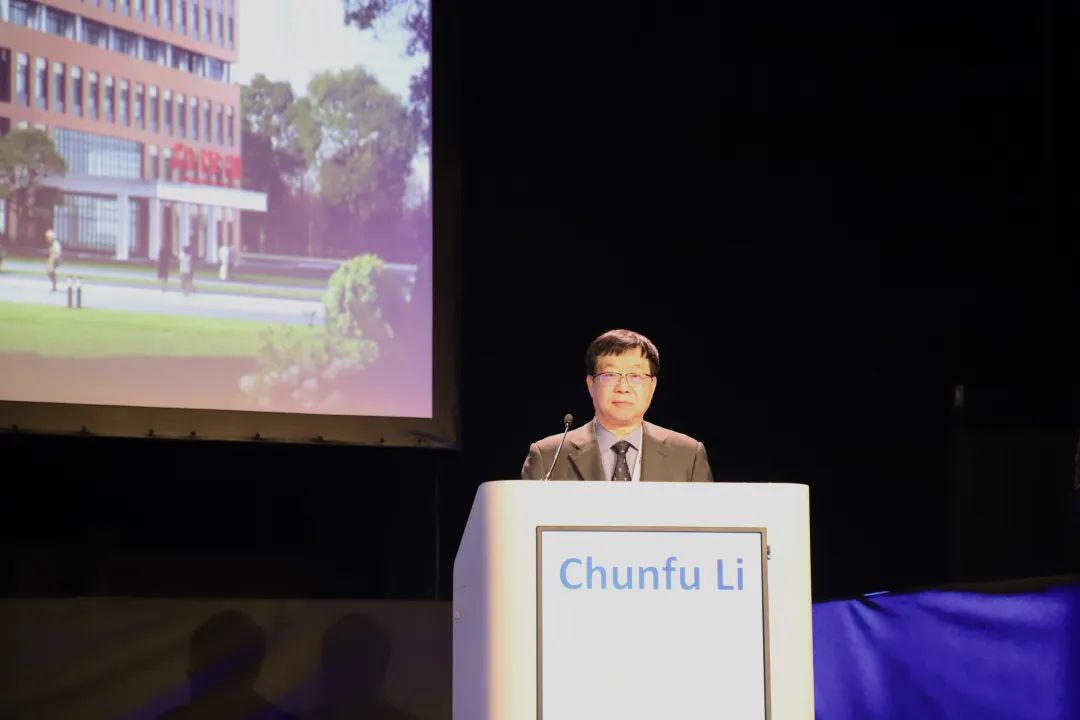
EBMT Spotlight Interview | Professor Li Chunfu: Improved TCRαβ-T Cell Depleted Hematopoietic Stem Cell Transplantation (TDH) for Treating Severe Thalassemia
Hematopoietic stem cell transplantation is a common and effective treatment in the field of hematology. As techniques have matured, stem cell transplantation not only serves as a treatment for malignant blood diseases such as leukemia but also offers a new solution for curing thalassemia. The 50th European Society for Blood and Marrow Transplantation (EBMT) Annual…
-

Professor Jun Lu:Metagenomic Next-Generation Sequencing for Detection of False Positive HIV Nucleic Acid Tests in Pediatric Patients Post-CAR-T Treatment: A Case Report
Lentiviral vectors are commonly used in engineering CAR-T cells; however, they can sometimes lead to false positive results for Human Immunodeficiency Virus (HIV) following CAR-T infusion. Identifying such false positives can be challenging.
-
Dr. Thomas Powles: ADC combined with immunotherapy promises to reshape the treatment landscape for urothelial cancer
Oncology Frontier: Currently, platinum-based combination chemotherapy is still the first-line standard treatment for advanced UC. What unmet needs do you think exist for patients with advanced UC? Dr. Thomas Powles:…
-
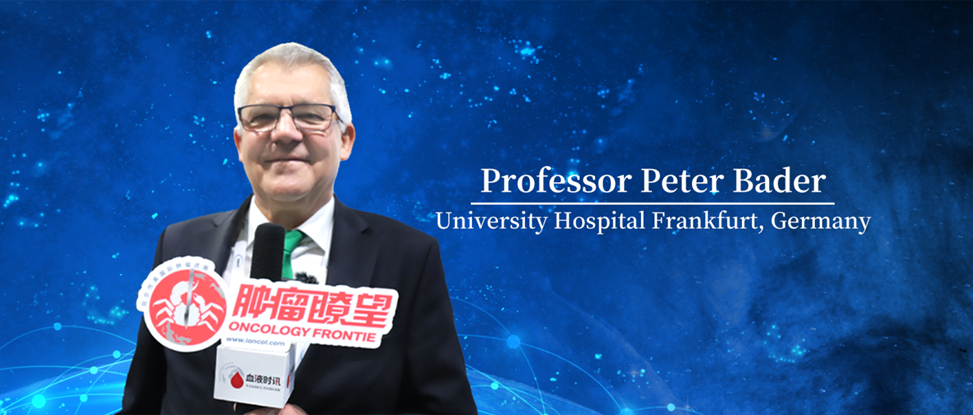
EBMT Interview Spotlight | Latest Advances and Challenges in CAR-T Therapy for Acute Lymphoblastic Leukemia (ALL)
Acute Lymphoblastic Leukemia (ALL) is a malignant neoplastic disease that originates from B-cell or T-cell lymphocytes and proliferates abnormally in the bone marrow. In recent years, immunotherapy has made significant strides in the field of ALL, including breakthroughs in treatments such as Chimeric Antigen Receptor T-cell (CAR-T) therapy, bispecific antibodies, and antibody-drug conjugates (ADC). The…
-

EBMT Interview Spotlight | Future Landscape of Multiple Myeloma Treatment: Cell Therapy vs. Transplantation
Multiple myeloma is a clonal plasma cell proliferative disorder that has seen significant therapeutic advancements over the past few decades due to deepening biological research. With the development of proteasome inhibitors, immunomodulatory drugs, monoclonal antibodies, Chimeric Antigen Receptor T-cell (CAR-T) therapy, and other new drugs, the survival and prognosis for patients with multiple myeloma have…
-

Professor Jun Ma: Fruitful Updates to the 2024 CSCO Lymphoma Treatment Guidelines | 2024 CSCO Guidelines Conference
Lymphoma has become the most prevalent malignant hematological tumor in China. Enhancing the standardized diagnosis and treatment of lymphoma is crucial for improving cure rates. The “Chinese Society of Clinical Oncology (CSCO) Lymphoma Treatment Guidelines” are updated annually and play a significant role in promoting standardized care for lymphoma. At the recent 2024 CSCO Guidelines…
-
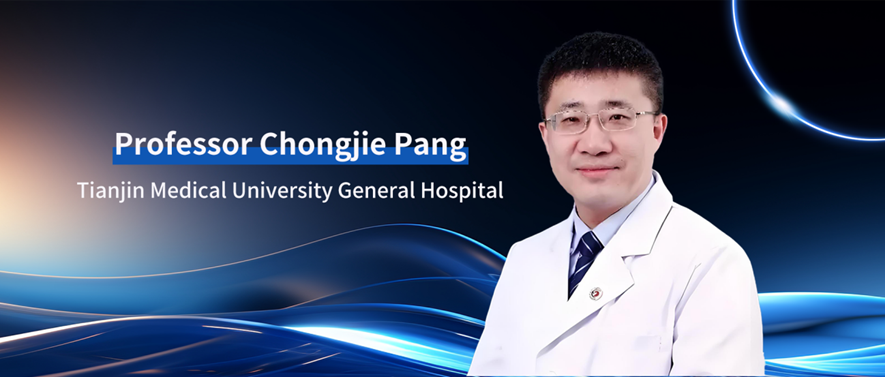
Professor Chongjie Pang ‘s Commentary: Can Rapid Antimicrobial Susceptibility Testing Improve Prognosis of Gram-Negative BSI Patients? | ESCMID Global 2024
Bloodstream infection (BSI) is a severe systemic infection, especially with multidrug-resistant bacteria such as carbapenem-resistant Gram-negative organisms (CRO), posing a significant threat to patient safety. Clinical management of BSI faces numerous challenges, with early diagnosis and precise treatment being crucial for improving patient outcomes. At the recent 34th European Congress of Clinical Microbiology and Infectious…

Connecting Medical Expertise through Media