-
Blood Science Update | Unrelated Cord Blood as a Source of Stem Cells: Cryopreservation Damage Can Be Alleviated by Restoring Mitochondrial Function
Study Overview The investigators compared fresh UCB samples with cryopreserved units stored for up to 19 years, examining hematopoietic stem and progenitor cell (HSPC) function and mitochondrial health. Single-cell transcriptomic…
-

Blood Science Update | Daratumumab in Children With Advanced Idiopathic Thrombocytopenic Purpura
Background Idiopathic thrombocytopenic purpura (ITP) is an autoimmune disorder characterized by low platelet counts due to antibody-mediated destruction and impaired platelet production. Although most children respond to first-line treatments such…
-
Blood Science Update | A Promising Leap in Treating Large Granular Lymphocytic Leukemia with Thalidomide-Based Therapy
Background Large granular lymphocytic leukemia (LGLL) is an uncommon clonal lymphoproliferative disorder marked by the expansion of cytotoxic CD8⁺ T cells (T-LGLL) or NK cells (NK-LGLL), accounting for 2–6% of…
-
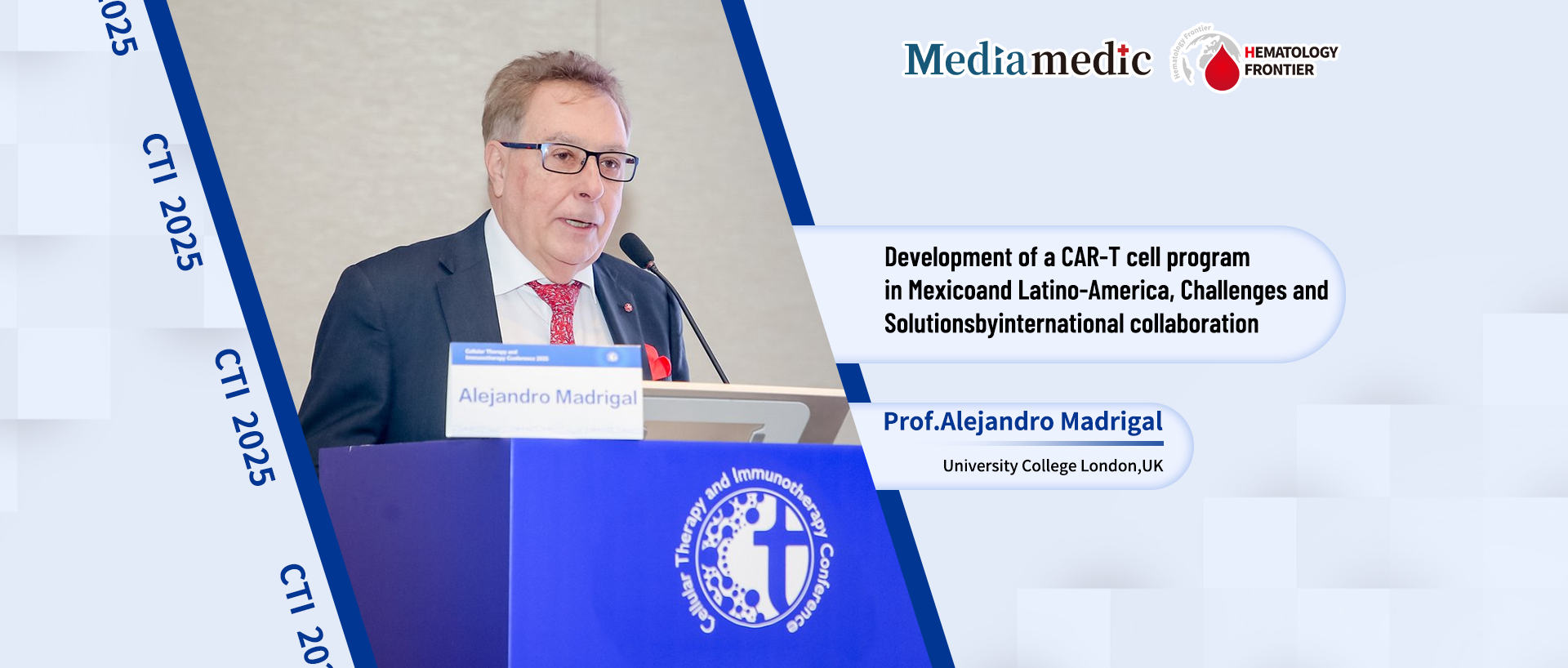
Fostering Cell Therapy Innovation in Latin America: Insights from Prof. Alejandro Madrigal Fernandez, OBE
Fostering Cell Therapy Innovation in Latin America: Insights from Prof. Alejandro Madrigal Fernandez, OBE In a recent interview, Alejandro Madrigal Fernandez, OBE FMedSci MD PhD FRCP FRCPath DSc HonDSci Professor of…
-
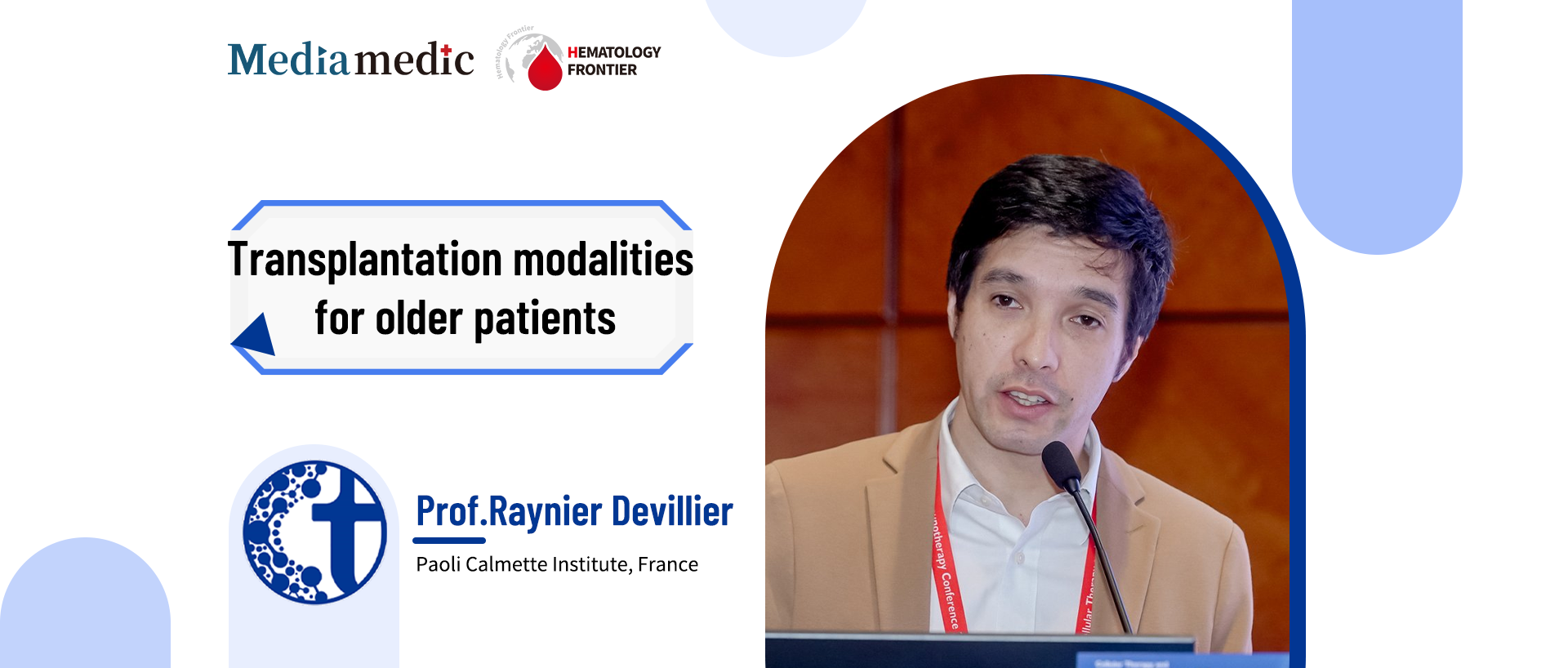
Comparing transplantation outcomes: haploidentical vs. unrelated donors
At the 50th Annual Meeting of the EBMT in Glasgow, Scotland, Raynier Devillier, MD, PhD, of the Paoli-Calmettes Institute in Marseille, France, offered a detailed comparison of transplantation outcomes for patients receiving grafts from haploidentical versus unrelated donors. Dr. Devillier highlighted new data from The French Society of Marrow Transplantation and Cellular Therapy (SFGM-TC) that indicates survival outcomes…
-
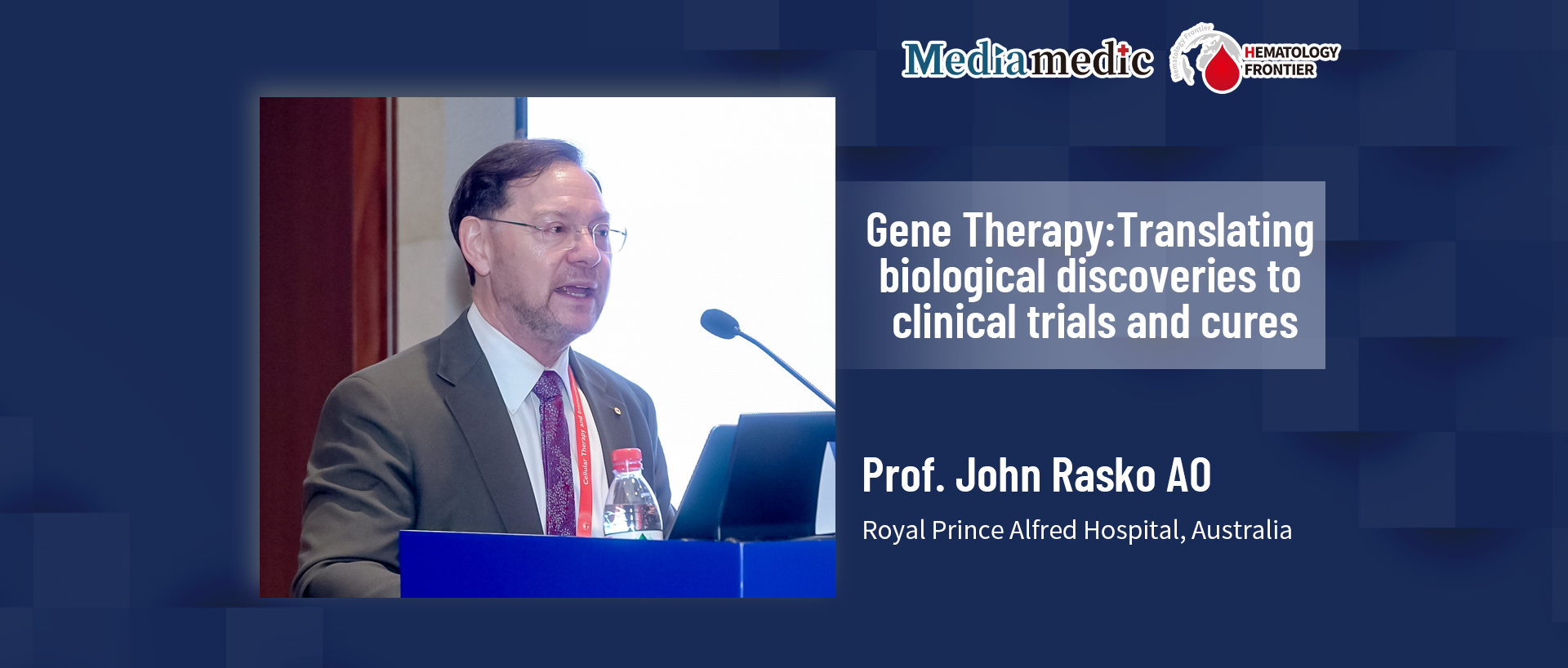
Professor John E.J. Rasko AO: The Present and Future of Hemophilia Gene Therapy – From Long-Term Efficacy to Future Challenges
In recent years, breakthroughs in gene and cell therapy have brought revolutionary hope for the diagnosis and treatment of genetic diseases and malignant tumors. Recently, a six-year long-term follow-up study published in The New England Journal of Medicine confirmed the lasting efficacy and favorable safety of adeno-associated virus (AAV)-mediated Factor IX gene therapy for patients with hemophilia B. However, extending this therapy to a broader patient population still faces numerous challenges. Meanwhile, cell therapies, represented by CAR-T therapy, have shown immense potential in hematological malignancies and autoimmune diseases, with their technological development entering a new phase. From November 13-16, 2025, the 2025 International Conference on Cell and Immunotherapy (CTI 2025) will be held in Hangzhou, Zhejiang. During the conference, Oncology Horizon – Hematology Express specifically invited Professor John E.J. Rasko AO from the Royal Prince Alfred Hospital, Australia, to systematically elaborate on the clinical progress, existing challenges, and future directions of these advanced therapies, with the aim of providing reference for clinical practice and research in this field.
-
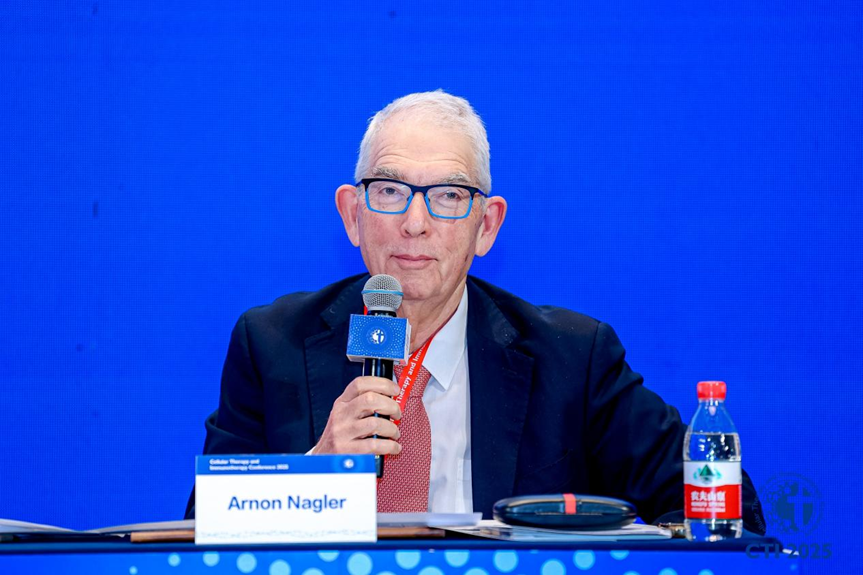
CAR-T in Autoimmunity: A New Era of TreatmentArnon Nagler, MD, MSc
Professor Arnon Nagler from the Sheba Medical Center in Tel Aviv, Israel, discussed the paradigm shift of applying CAR-T cell therapy, a cornerstone of hematologic oncology, to the complex world…
-
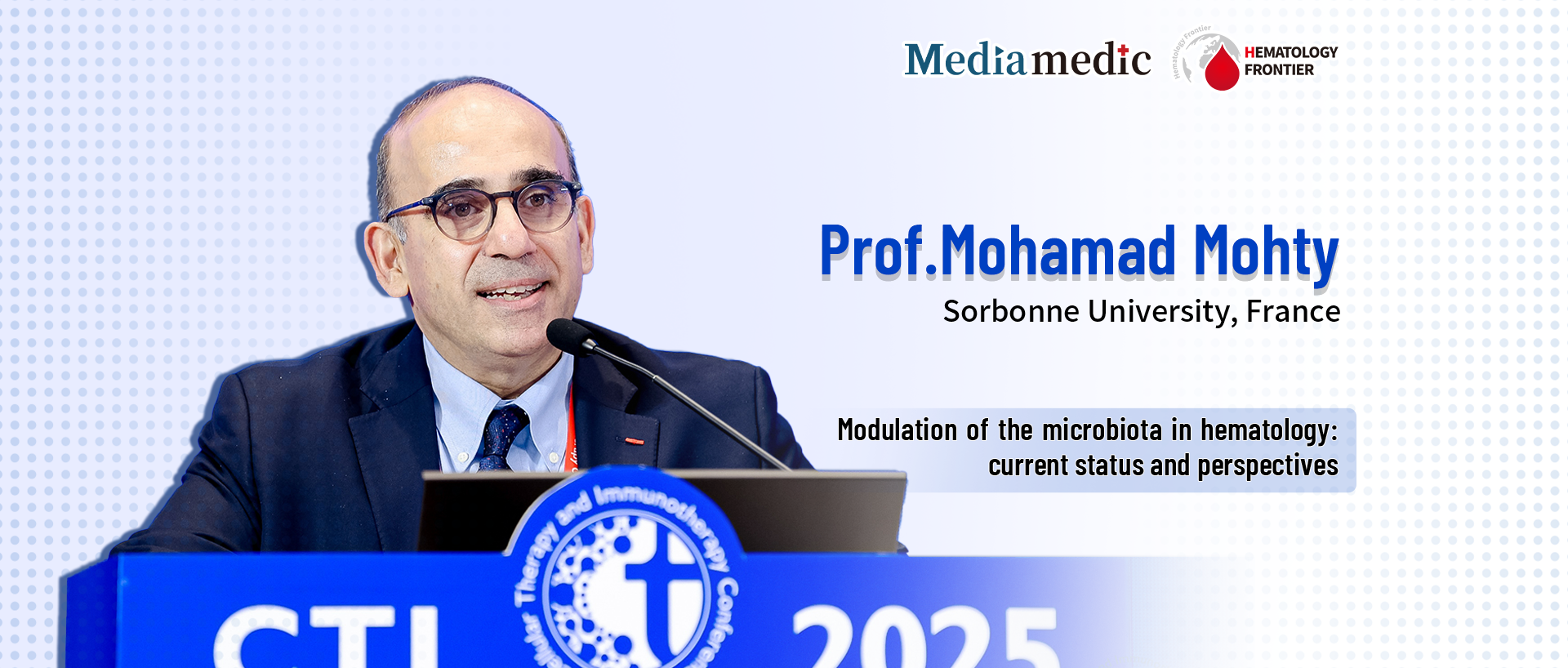
Microbiota Modulation: A New Pillar in aGVHD Treatment
Professor Mohamad Mohty, Head of the Hematology and Cellular Therapy Department at Saint-Antoine Hospital and Sorbonne University, Paris, discusses a paradigm shift in managing acute graft-versus-host disease (aGVHD).He highlights the critical role of gut microbiota dysbiosis in the pathogenesis of aGVHD following allogeneic hematopoietic stem cell transplantation and elaborates on the therapeutic potential of microbiota modulation.

Connecting Medical Expertise through Media