-
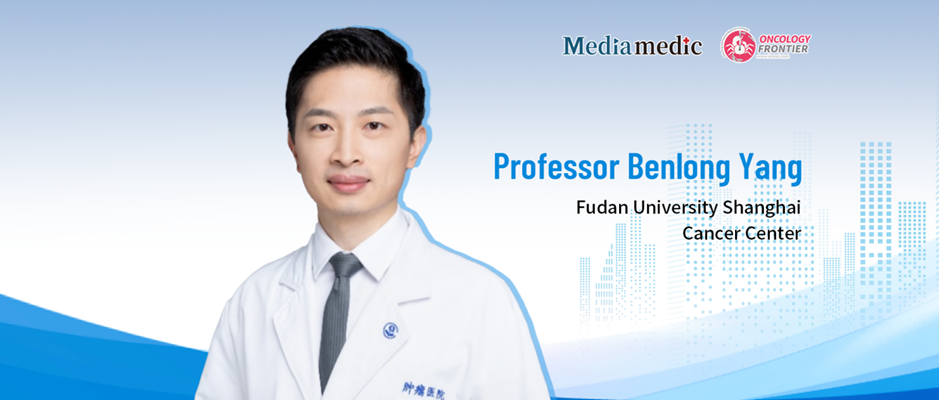
17th Shanghai Breast Reconstruction Conference
Professor Benlong Yang: Advancing Personalized Breast Reconstruction Through Innovative Techniques and Global Collaboration** 01 Oncology Frontier: Your lecture focused on “Frontier Choices in Breast Reconstruction Techniques.” For Chinese patients today,…
-
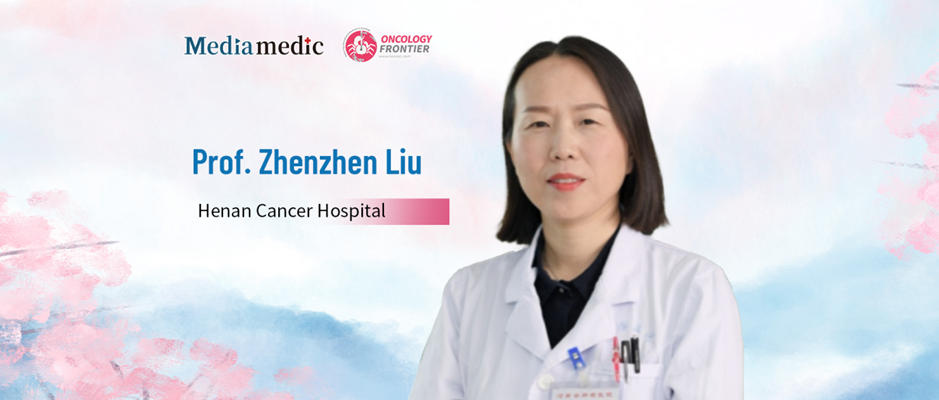
Prof. Liu Zhenzhen: How Dual Engines and Quality-Control Alliances Are Shaping Standardized Breast Cancer Care
Editor’s note: Breast cancer has become one of the leading malignancies threatening women’s health. Standardized diagnosis and treatment, together with rigorous quality control, are essential for improving survival outcomes and…
-
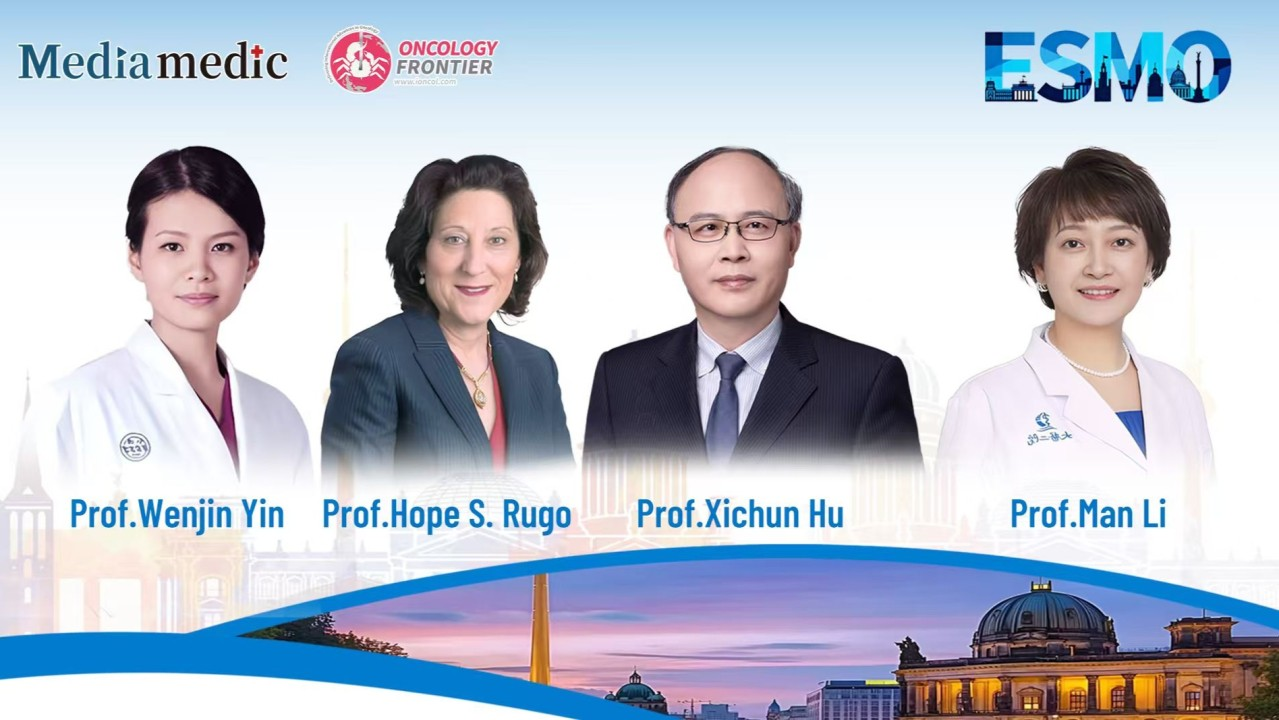
ESMO China–International Dialogue | Meeting at the Summit: How China’s Innovative ADCs sac-TMT and A166 Are Reshaping the Breast Cancer Treatment Landscape
At the 2025 European Society for Medical Oncology (ESMO) Annual Congress, Chinese innovative drugs and clinical research drew global attention. During the meeting, Xichun Hu, Professor at Fudan University Shanghai Cancer Center, presented a Late-Breaking Abstract (LBA) detailing the pivotal phase III study in which China’s first original HER2-targeted antibody–drug conjugate (ADC), A166 (budotituzumab vedotin), successfully challenged T-DM1 in the second-line setting for HER2-positive breast cancer. Based on this study, A166 received approval from the National Medical Products Administration (NMPA) on October 17, 2025, bringing a new standard-of-care option to clinical practice.
-

Lerociclib and Entinostat Regimens Now Cover the Full Treatment Spectrum of HR+/HER2− Advanced Breast Cancer: Inclusion in the New National Reimbursement List Enhances Access to “Effective, Safe, and Convenient” Therapies
Hormone receptor–positive/human epidermal growth factor receptor 2–negative (HR+/HER2−) breast cancer accounts for approximately 70% of all breast cancer cases. Treatment for this subtype has entered the era of precision “endocrine plus” therapy. Endocrine therapy combined with CDK4/6 inhibitors has become the standard first-line treatment for advanced disease; however, differences in efficacy and safety exist among…
-
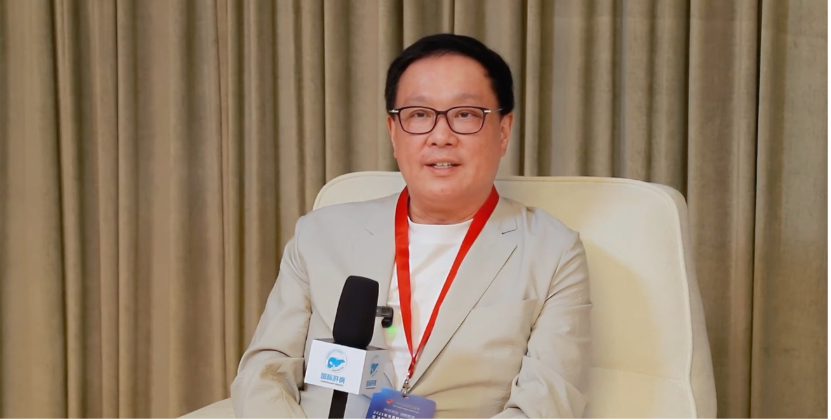
World Hepatitis Day 2025 | Prof. George Lau: Exploring Optimal Strategies for HBV Antiviral Therapy from an Economic Perspective
At the 2025 World Hepatitis Day Campaign Conference and the 7th Academic Conference on Clinical Cure of Chronic Hepatitis B, hosted by the China Foundation for Hepatitis Prevention and Control, Professor George Lau, Chairman of Hong Kong’s Humanity Medical Group and Chief Physician at Zhongshan Hospital affiliated with Fudan University, shared insights on the most…
-
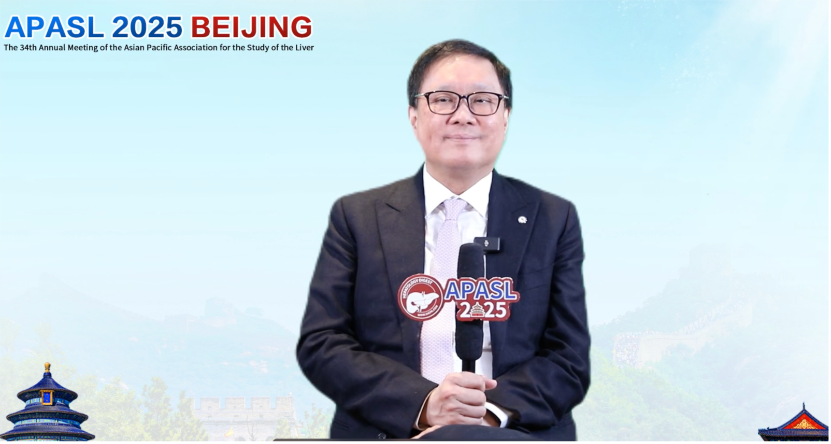
APASL 2025 Expert Interview | Prof. George Lau: Dilemmas and Breakthroughs in Clinical Cure of Chronic Hepatitis B and Liver Cancer Prevention
At the 34th Annual Meeting of the Asian Pacific Association for the Study of the Liver (APASL 2025), Professor George Lau, Chairman of Hong Kong Humanity Medical Group and Director of Humanity Medical Clinical Research Center, shared important insights on cuttingedge topics including clinical cure of chronic hepatitis B (CHB) and liver cancer prevention. With…
-
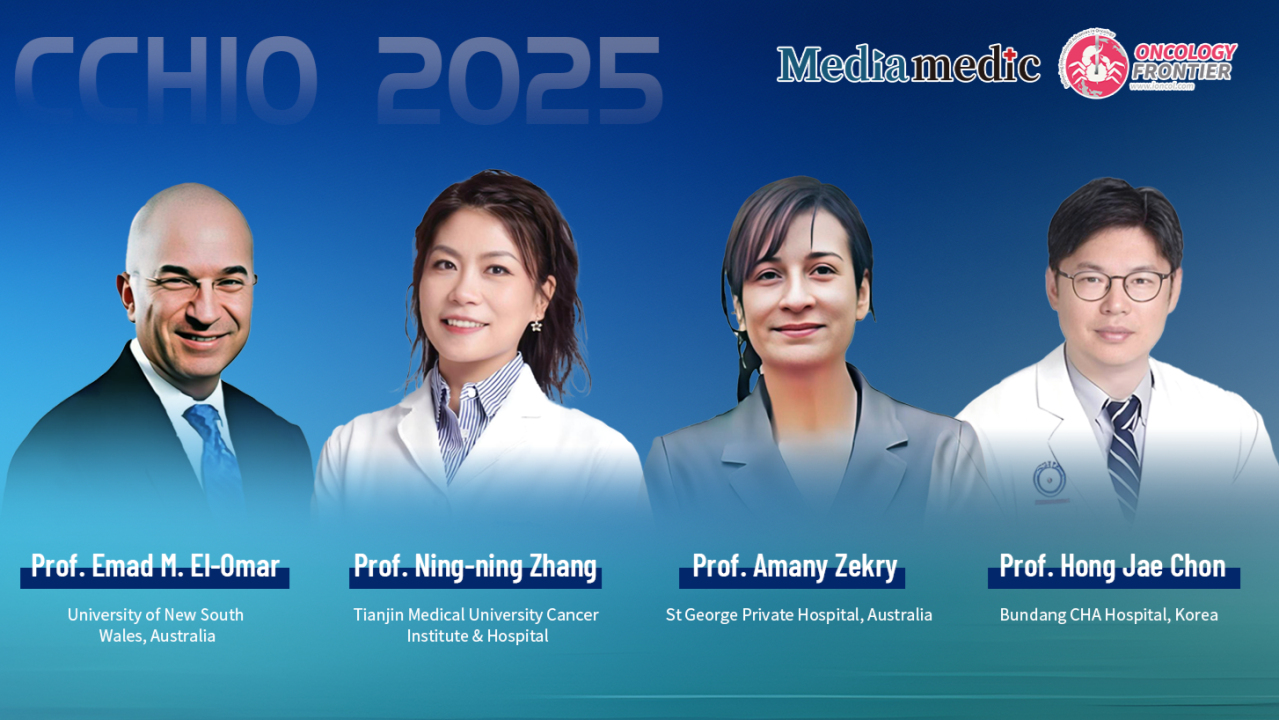
China-Led International Real-World Study: TACE Plus Immunotherapy Boosts Survival Beyond 26 Months in Unresectable HCC
The study not only fills a gap in international guidelines regarding treatment strategies for advanced HCC, but also injects fresh insight into global HCC management through a “China‑led approach,”marking China’s…

Connecting Medical Expertise through Media