

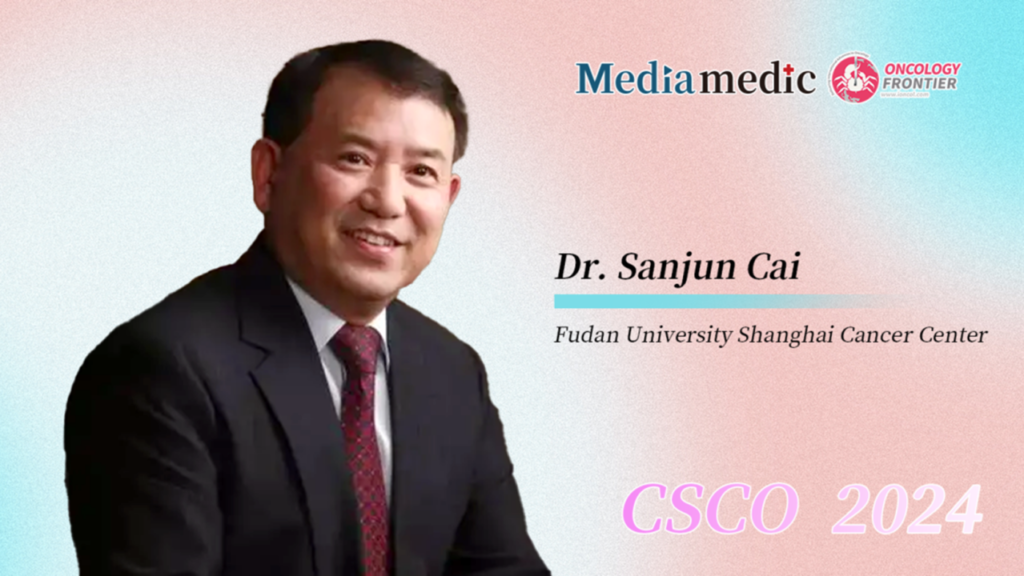
CSCO 2024丨Dr. Sanjun Cai: Perioperative “Three-Pronged Strategy” Brings More Options for Colorectal Cancer Treatment
From September 25 to 29, 2024, the 27th Annual National Clinical Oncology Conference and CSCO Academic Annual Meeting was successfully held in Xiamen. With the theme "Patient-Centered, Sharing the Future," the conference gathered significant research progress and developments from both domestic and international fields. Dr. Sanjun Cai from Fudan University Shanghai Cancer Center chaired the special session on perioperative treatment for colorectal cancer at this year’s conference. During the event, Oncology Frontier conducted an interview with Professor Cai to discuss recent advances and challenges in perioperative colorectal cancer treatment. Below is a summary of the interview to provide insight for the readers.

CSCO 2024 | Dr. Gong Chen Provides an In-Depth Analysis of the Changing Treatment Paradigm for Locally Advanced Colorectal Cancer
From September 25 to 29, 2024, the much-anticipated 27th Annual Chinese Society of Clinical Oncology (CSCO) conference was held successfully in Xiamen. This prominent event gathered top experts from China's oncology community, focusing on standardized pathways and cutting-edge advancements in the diagnosis and treatment of malignant tumors.During the conference, Dr. Gong Chen from the Sun Yat-sen University Cancer Center delivered a well-received presentation titled "The Evolving Treatment Paradigm for Locally Advanced Colorectal Cancer." In this golden moment of academic exchange, Oncology Frontier conducted a deep interview with Professor Chen. The discussion centered around the latest advancements in the treatment of locally advanced colorectal cancer and his long-standing academic connection with CSCO, offering an insightful blend of professional wisdom and personal emotion.
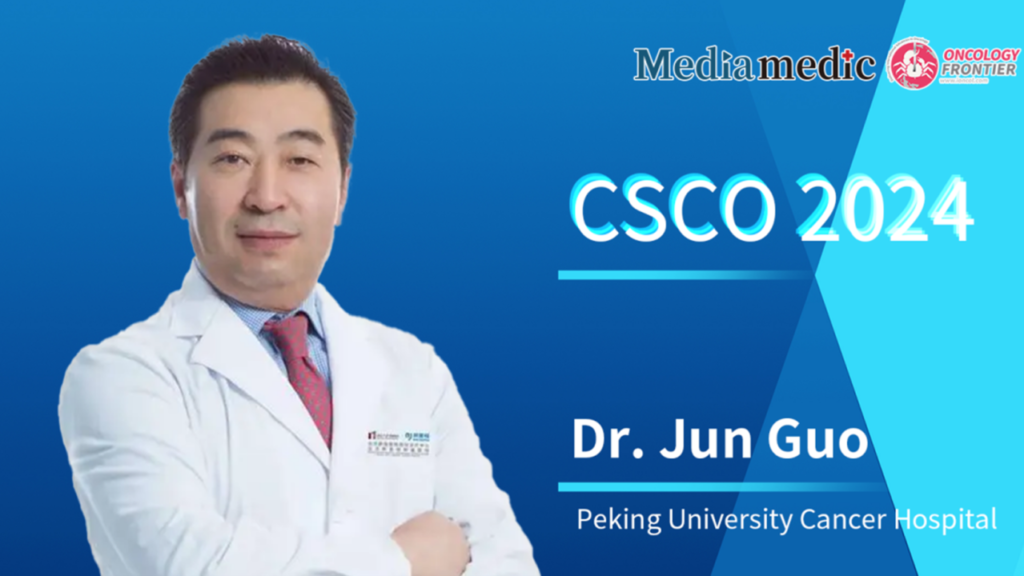
CSCO 2024 | Dr. Jun Guo: “Two Decades of CSCO’s Glory and the New Chapter in Melanoma Diagnosis and Treatment”

The 27th National Clinical Oncology Conference and 2024 CSCO Annual Meeting, hosted by the Chinese Society of Clinical Oncology (CSCO) and the Beijing Xisike Clinical Oncology Research Foundation, is about to open in Xiamen. This grand event will bring together top domestic and international experts to share the latest research results and practical experiences. Ahead of the conference, Oncology Frontier interviewed Dr. Jun Guo of Peking University Cancer Hospital, who reflected on CSCO's development over the past two decades. He also introduced the key features and value of the newly updated CSCO Guidelines for Melanoma Diagnosis and Treatment and the CSCO Patient Education Manual - Melanoma. Emphasizing early detection and treatment, Professor Guo highlighted the promising outlook for melanoma therapy in China, where patients can expect improved survival rates and better quality of life thanks to the emergence of new drugs and advanced treatment concepts.
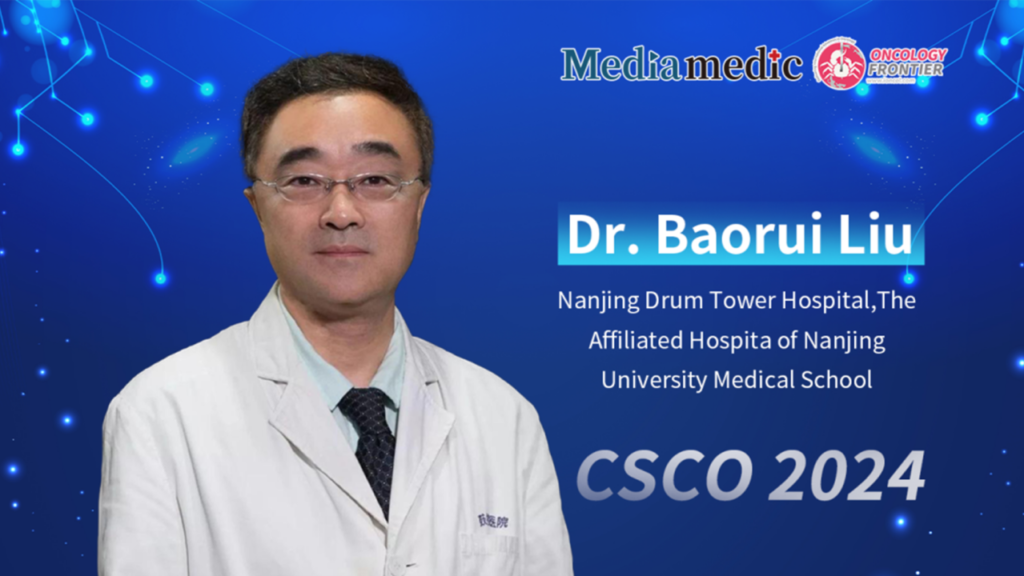
CSCO 2024 | Dr. Baorui Liu: “Rapid Advancements in Gastric Cancer Treatment, A Bright Future for Young Scholars”
The 27th National Clinical Oncology Conference and 2024 CSCO Annual Meeting was held in Xiamen from September 25 to 29, 2024. This year’s theme, “Patient-Centered, Future-Sharing,” brought together major research advancements and developments from around the world. A dedicated gastric cancer session was organized, gathering top experts in the field to explore the latest progress, technologies, and concepts in gastric cancer treatment. We invited Dr. Baorui Liu, Chair of the gastric cancer session and Director of the Oncology Center at Nanjing Drum Tower Hospital,The Affiliated Hospita of Nanjing University Medical School to share key highlights and discussions from the session.
CUA 2024丨Dr. Xin Yao: ADC Leading the Era of Combined Targeted and Immunotherapy for Advanced Urothelial Cancer
For many years, platinum-based chemotherapy has been the cornerstone of systemic treatment for advanced urothelial cancer, such as bladder cancer. However, the release of clinical research data on antibody-drug conjugates (ADC), such as enfortumab vedotin (EV), has brought new treatment options for patients. During the 31st Urology Academic Conference held recently in Tianjin, Dr. Xin Yao from Tianjin Medical University Cancer Institute and Hospital shared insights on “Focusing on Drug Safety Management in the Era of Combined Targeted and Immunotherapy.” After the session, Urology Frontier invited Professor Yao to discuss the value of combined targeted and immunotherapy in treating urothelial cancer and the management strategies for ensuring treatment safety.
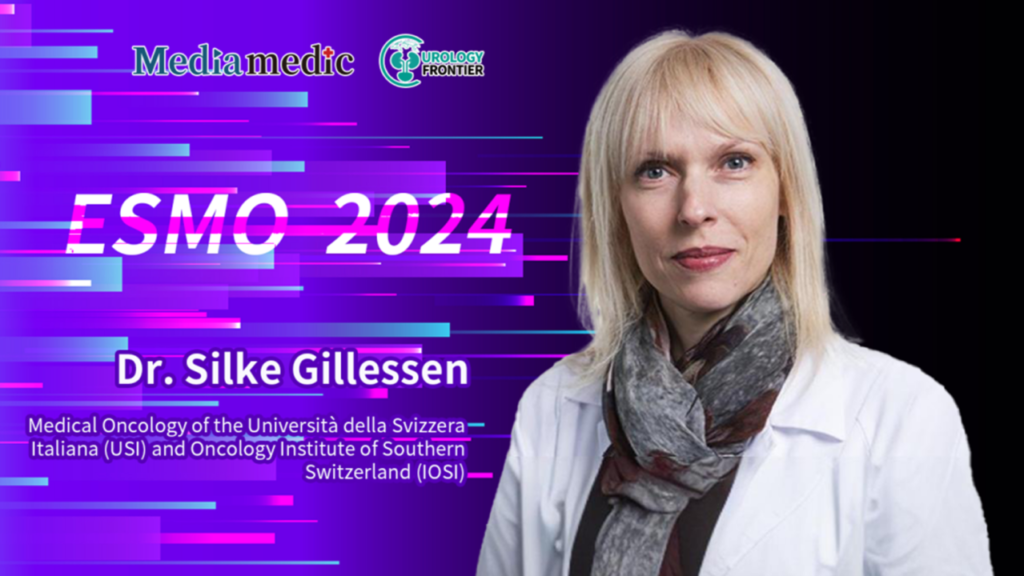
ESMO 2024丨Dr. Silke Gillessen: Radium-223 Combined with Enzalutamide Offers New Hope for Bone Metastatic mCRPC Patients
The 2024 European Society for Medical Oncology (ESMO) Annual Meeting was held from September 13 to 17 in Barcelona, Spain. Key research in the field of urologic oncology garnered much attention, particularly in the area of prostate cancer. The EORTC-GUCG 1333/PEACE-3 clinical trial (LBA1 - A randomized multicenter open label phase III trial comparing enzalutamide vs a combination of Radium-223 (Ra223) and enzalutamide in asymptomatic or mildly symptomatic patients with bone metastatic castration-resistant prostate cancer (mCRPC): First results of EORTC-GUCG 1333/PEACE-3) evaluated the efficacy of Radium-223 (Ra-223) combined with enzalutamide compared to enzalutamide alone in patients with bone metastatic castration-resistant prostate cancer (mCRPC) who were asymptomatic or had mild symptoms. The promising results sparked widespread interest. Urology Frontier invited the lead investigator of the study, Dr. Silke Gillessen from the Medical Oncology of the Università della Svizzera Italiana (USI) and Oncology Institute of Southern Switzerland (IOSI), to share her insights on this important research and discuss the potential treatment outlook for bone metastatic mCRPC patients.
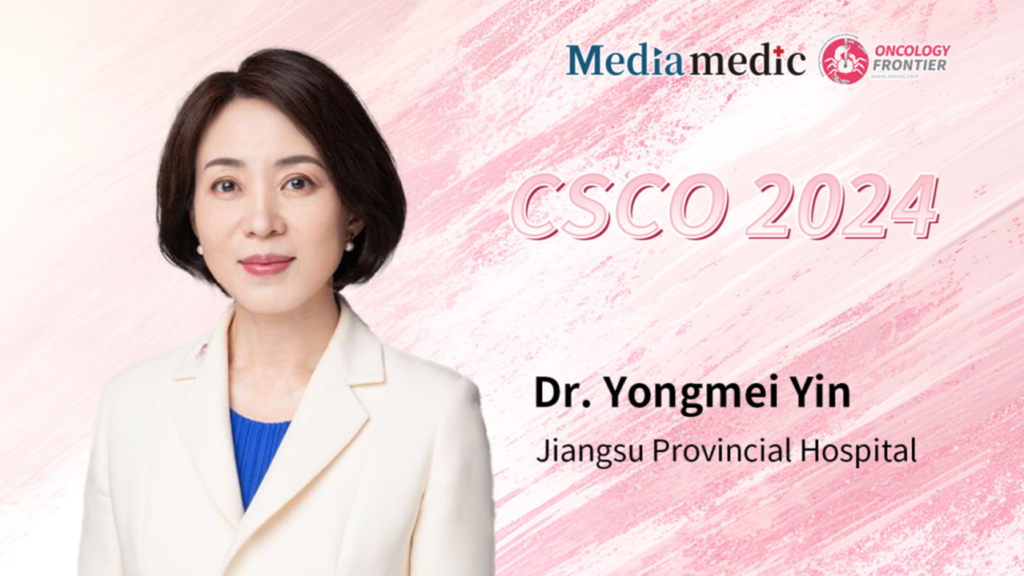
CSCO 2024 | Dr. Yongmei Yin: A New Era in HER2-Positive Breast Cancer Treatment—From Targeted Therapy to ADC Breakthroughs
With the rapid advancement of medical technology, the treatment of HER2-positive breast cancer has entered a new chapter. In recent years, the emergence of anti-HER2 targeted drugs and new ADC (Antibody-Drug Conjugates) drugs has not only enriched the treatment options but also brought unprecedented hope to patients with HER2-positive breast cancer. At CSCO 2024, Oncology Frontier invited Dr. Yongmei Yin from Jiangsu Provincial Hospital to review the evolution of HER2-positive breast cancer medical treatment. From single-target therapy to dual-target treatment, and now into the era of TKI (Tyrosine Kinase Inhibitors) and ADC therapies, every step reflects the wisdom and efforts of the medical community. Professor Yin also commented on the remarkable efficacy of T-DXd in brain metastasis patients, as seen in the DB-12 study presented at the 2024 ESMO conference, and shared valuable insights on balancing efficacy and safety in clinical practice.
ESMO 2024丨Dr. Liangyou Gu: Application and Development of Neoadjuvant Therapy in Renal Cancer with Venous Tumor Thrombus
The 2024 European Society for Medical Oncology (ESMO) Annual Meeting took place from September 13 to 17 in Barcelona, Spain. At the event, Dr. Liangyou Gu from the Urology Department of Chinese PLA General Hospital shared findings from the Phase II NEOTAX study on neoadjuvant therapy for renal cancer patients with venous tumor thrombus. The study demonstrated that preoperative treatment with toripalimab combined with axitinib successfully downgraded the level of inferior vena cava (IVC) tumor thrombus in some patients, significantly improving perioperative outcomes. Urology Frontier had the privilege of interviewing Dr. Liangyou Gu at the event for an in-depth analysis of the NEOTAX study, treatment strategies for renal cancer with venous tumor thrombus, and future research directions.
CSCO 2024 | Academician Binghe Xu: Advancing China’s Clinical Oncology Research with Innovative Drug Development
The 27th National Clinical Oncology Conference and 2024 CSCO Annual Meeting, jointly hosted by the Chinese Society of Clinical Oncology (CSCO) and the Beijing Xisike Clinical Oncology Research Foundation, took place from September 25 to 29, 2024, in Xiamen. During this prestigious event, CSCO awarded Academician Binghe Xu with the “2024 Annual Achievement Award” in recognition of his leadership in the groundbreaking multi-center PHILA study, which has rewritten domestic and international breast cancer treatment guidelines. In an interview with Oncology Frontier at the conference, Professor Xu shared his reflections on the award and insights into China’s progress in clinical drug research.