Monitoring minimal residual disease in patients with multiple myeloma by targeted tracking serum M-protein using mass spectrometry (EasyM)

Monitoring minimal residual disease in patients with multiple myeloma by targeted tracking serum M-protein using mass spectrometry (EasyM)

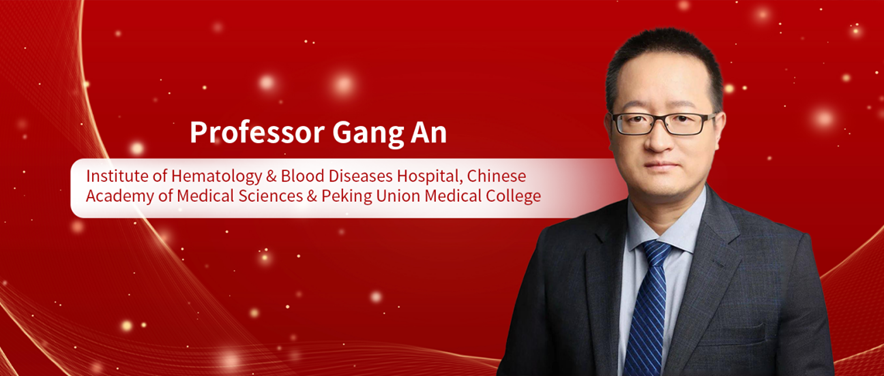
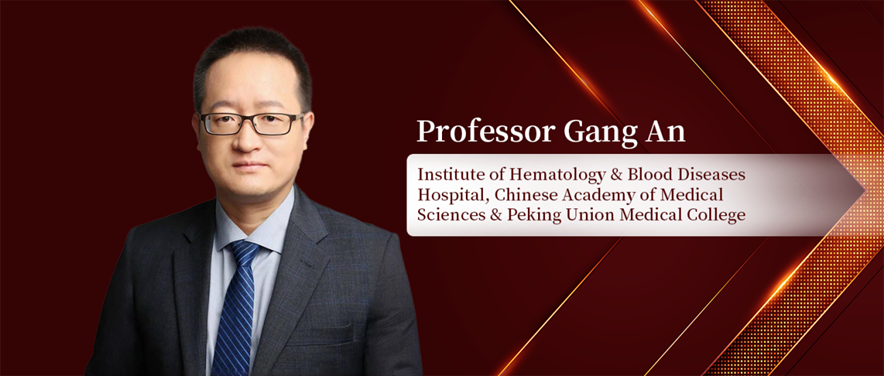
In a groundbreaking study conducted by a collaborative team including Professor Gang An from Institute of Hematology & Blood Diseases Hospital, Chinese Academy of Medical Sciences & Peking Union Medical College, their research "Monitoring minimal residual disease in patients with multiple myeloma by targeted tracking serum M-protein using mass spectrometry (EasyM)" has been brought to light. Published in a reputable academic journal——Clinical Cancer Research (IF=11.5), the study emphasizes a significant advancement in the personalized treatment and prognosis assessment of patients with multiple myeloma, a field that continues to seek more precise and predictive diagnostic tools.
Early relapse within 18 months is a powerful dynamic predictor for prognosis and could revise static risk distribution in multiple myeloma

Early relapse within 18 months is a powerful dynamic predictor for prognosis and could revise static risk distribution in multiple myeloma

In February 2024, a study led by Professor Gang An from Institute of Hematology & Blood Diseases Hospital, Chinese Academy of Medical Sciences & Peking Union Medical College was published in the international academic journal ——Cancer (IF=11.2). The title of the study is "Development and validation of an individualized and weighted Myeloma Prognostic Score System (MPSS) in patients with newly diagnosed multiple myeloma". The study meticulously investigates the implications of early relapse on the survival outcomes of patients, offering invaluable insights that promise to redefine treatment approaches for this complex and heterogeneous hematologic malignancy. By shedding light on the pivotal role of early relapse as a prognostic indicator, the research presents a new frontier in the tailored management of MM, aiming to improve the outcomes for patients worldwide.
Development and validation of an individualized and weighted Myeloma Prognostic Score System (MPSS) in patients with newly diagnosed multiple myeloma

Development and validation of an individualized and weighted Myeloma Prognostic Score System (MPSS) in patients with newly diagnosed multiple myeloma

In January 2024, a study led by Professor Gang An from Institute of Hematology & Blood Diseases Hospital, Chinese Academy of Medical Sciences & Peking Union Medical College was published in the international academic journal ——American Journal of Hematology(IF=12.8). The title of the study is "Development and validation of an individualized and weighted Myeloma Prognostic Score System (MPSS) in patients with newly diagnosed multiple myeloma". This study represents a significant leap forward in precision medicine for multiple myeloma (MM).
MAF translocation remains a strong prognostic factor despite concurrent chromosomal abnormalities

MAF translocation remains a strong prognostic factor despite concurrent chromosomal abnormalities

In January 2024, a groundbreaking study spearheaded by Professor Gang An  from Institute of Hematology & Blood Diseases Hospital, Chinese Academy of Medical Sciences & Peking Union Medical College, made its debut in the esteemed journal Haematologica (IF=11.047). The research, titled "MAF translocation remains a strong prognostic factor despite concurrent chromosomal abnormalities" marks a significant advancement in the understanding of multiple myeloma (MM). This comprehensive investigation meticulously analyzes the prognostic impact of MAF translocations, t(14;16) and t(14;20), within the context of MM, shedding light on their independent prognostic significance despite the presence of other chromosomal anomalies. This study not only enhances the scientific community's comprehension of MM's genetic complexity but also paves the way for refining risk stratification and tailoring treatment approaches for affected patients, thereby contributing to the ongoing efforts to improve outcomes in this challenging hematological malignancy.
Highlights of the Annual Conference | Dr. Jie Li: Comorbidity and Management of Diabetes and Non-Alcoholic Fatty Liver Disease (NAFLD) in the New Era

Highlights of the Annual Conference | Dr. Jie Li: Comorbidity and Management of Diabetes and Non-Alcoholic Fatty Liver Disease (NAFLD) in the New Era

The 21st National Conference on Viral Hepatitis and Hepatology, and the Annual Meetings of the Chinese Society of Hepatology and the Chinese Society of Infectious Diseases, took place from December 22nd to 24th, 2023, in Chengdu, Sichuan Province. This conference, co-hosted by the Chinese Medical Association, the Chinese Society of Hepatology, and the Chinese Society of Infectious Diseases, and organized by the Sichuan Medical Association, showcased the latest developments and hot topics in the research of viral hepatitis, hepatology, and infectious diseases. During the event, Dr. Jie Li from Nanjing University Medical School's Drum Tower Hospital shared insights on the comorbidity and management of diabetes and non-alcoholic fatty liver disease (NAFLD). The following is a summary of her presentation.

Expert Insight | Dr. XiaoheXiao: Precision Medication – Making Traditional Chinese Medicine the Guardian of the Body’s “Chemical Factory”

The liver, as the "chemical factory" of the human body, is responsible for the synthesis and metabolism of various crucial substances, while also serving as the "detoxification center" for harmful waste and toxins. However, the liver faces numerous challenges, including external factors such as viruses, bacteria, alcohol, drugs, and internal factors like self-consumption, immune imbalance, acute and chronic liver diseases, which can disrupt the liver's tissue structure and functioning. Traditional Chinese Medicine (TCM) has rich applications in safeguarding the liver. Still, issues related to liver damage caused by Chinese herbal medicine have sparked debates about whether TCM is a "toxin" or a "guardian" for the liver. In a recent report at the 10th "Huaxia Shanghai Liver Disease Forum and Advances in Diagnosis and Treatment of Liver Failure and Its Complications Forum," Dr. Xiaohe Xiao from the Fifth Medical Center of the PLA General Hospital discussed the overall situation of the safety of Chinese herbal medicine and explored practical solutions.

Expert’s Insight | Dr. Chenghai Liu: ” Dual Antagonism” Strategy Assists in the Full Course Management of Chronic Liver Disease

Improving the prognosis of chronic viral hepatitis is a crucial goal in clinical treatment. Chronic hepatitis B (CHB) has a wide incidence, and its severe harm mainly stems from the progression from liver fibrosis to cirrhosis, leading to decompensated cirrhosis and liver cancer, seriously threatening the patient's life and health. Therefore, reversing early cirrhosis is of significant importance for reducing the risk of CHB-related liver diseases and death, representing an essential clinical need in CHB treatment. However, antiviral therapy alone has certain limitations, and traditional Chinese medicine (TCM) has enormous potential in combating liver fibrosis. At the recent 10th "Huaxia Shanghai Liver Disease Forum and Progress in Diagnosis and Treatment of Liver Failure and Its Complications," Dr. Chenghai Liu from the Liver Disease Research Institute of Shanghai Academy of Traditional Chinese Medicine, and the Shuguang Hospital Affiliated to Shanghai University of Traditional Chinese Medicine shared the significant clinical benefits that the "dual antagonism" prevention and treatment strategy, combining antiviral therapy with TCM for anti-liver fibrosis, brings to CHB patients. The content has been compiled into an article for readers.

Annual Meeting Exclusive Interview | Dr. Xiong Ma: Comparing International and Chinese Guidelines for Autoimmune Hepatitis Treatment

Autoimmune Hepatitis (AIH) is an acute or chronic liver inflammatory disease caused by unknown immune abnormalities. Without timely treatment, it can progress to liver cirrhosis, liver failure, and even lead to death. The diagnostic scoring systems and criteria proposed in current domestic and international guidelines have significantly advanced the diagnosis and treatment of AIH. Moreover, continuous progress in research on new strategies and medications for AIH treatment internationally and domestically offers valuable references for clinical diagnosis and treatment. At the 21st National Viral Hepatitis and Hepatology Academic Conference and the 2023 Annual Meeting of the Chinese Medical Association's Hepatology and Infectious Disease Branches, Dr. Xiong Ma from Renji Hospital affiliated with the Shanghai Jiao Tong University School of Medicine delivered a keynote report on the latest advancements in AIH diagnosis and treatment. He also provided an insightful analysis of the similarities and differences between international and Chinese treatment guidelines. In this exclusive interview, Dr. Ma discusses these topics, and we have compiled the content for our readers' benefit.

“Year-EndAnnual Review | Professor Jia JidongDr. Jidong Jia: Latest Developments in the Clinical Diagnosis and Treatment of Primary Biliary Cholangitis”

Primary Biliary Cholangitis (PBC) is an autoimmune liver disease that predominantly affects middle-aged women. The exact cause and mechanism of its onset are not yet fully understood. It is thought to be related to genetic factors and their interaction with environmental factors leading to immune dysregulation. Currently, there are few effective medications available for clinical treatment. However, ongoing basic and clinical research has been shedding light on the role of bile acid metabolism, nuclear receptors, surface receptors, and transport proteins in the development and progression of PBC, leading to encouraging progress in new drug development. In this issue, we have invited Professor Jia JidongDr. Jidong Jia from the Capital Medical University affiliated Beijing Friendship Hospital to share the latest advancements in the clinical diagnosis and treatment of PBC.

“Annual Review | Professor Yang MingDr. Ming Yang: Latest Developments in Systemic Treatment of Biliary Tract Cancer”

In the field of biliary tract cancer (BTC) treatment, significant advancements have been made recently. BTC is a highly heterogeneous group of malignancies originating from the epithelium of the bile ducts, presenting challenges in treatment and typically leading to short survival periods for patients. Traditionally, the primary treatment for advanced BTC has been chemotherapy. However, recent developments in immunotherapy combined with chemotherapy as a first-line treatment have shown promise. Additionally, a deeper understanding of the genomic and proteomic characteristics of biliary tumors has led to a clearer classification of molecular subtypes and the discovery of several molecular biomarkers. This has spurred active research in targeted therapies for second-line BTC treatment, significantly altering the treatment landscape for this condition.