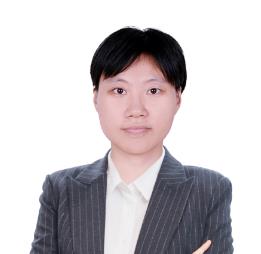
Dr. Afam A. Okoye: Highlights and Prospects of HIV Curative Therapy Research

Dr. Afam A. Okoye: Highlights and Prospects of HIV Curative Therapy Research

Antiretroviral therapy (ART) has significantly extended the lifespan and improved the quality of life for HIV-infected individuals, yet achieving a complete cure for HIV remains an unresolved challenge. HIV's characteristic of latent infection allows it to persist in the body, hidden from the immune system, and reactivate upon cessation of ART. Thus, developing a curative therapy capable of entirely eliminating the virus from the body and achieving long-term virus-free survival is a critical need in medical science. At the recent 2024 Conference on Retroviruses and Opportunistic Infections (CROI 2024), Infectious Disease Frontier had the privilege of interviewing Dr. Afam A. Okoye from the Vaccine and Gene Therapy Institute, Oregon National Primate Research Center, Oregon Health & Science University. He provided insights into the research highlights in the field of HIV curative therapies at the conference and shared his views on cutting-edge technologies such as latency reversing agents, cytokine research, and gene editing.
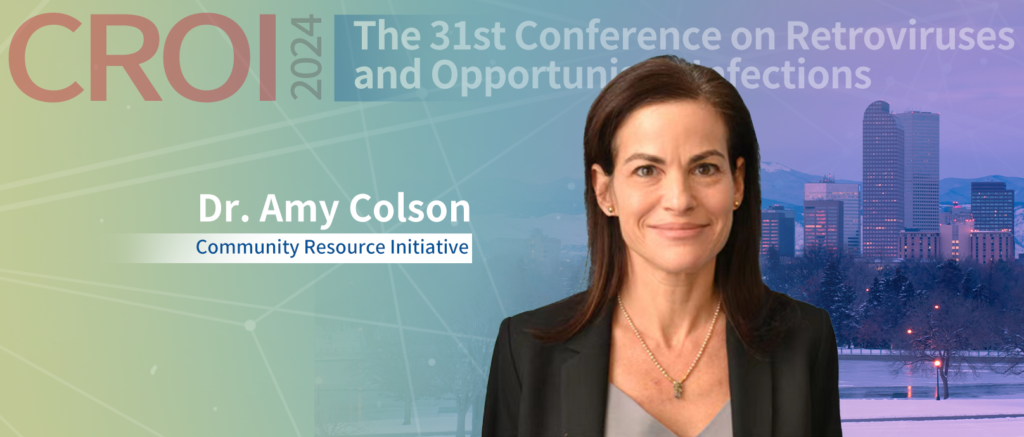
The First Weekly Oral Treatment Plan! Dr. Amy Colson Shares Phase 2 Study Results of Islatravir Combined with Lenacapavir at the CROI Conference

The First Weekly Oral Treatment Plan! Dr. Amy Colson Shares Phase 2 Study Results of Islatravir Combined with Lenacapavir at the CROI Conference

Islatravir is a nucleoside reverse transcriptase translocation inhibitor (NRTTI) currently under development, while lenacapavir belongs to a new class of capsid inhibitors, both featuring long half-lives and highlighted as part of long-acting treatment strategies. Previously, the clinical development of islatravir was temporarily halted due to adverse events involving reductions in CD4 cells and lymphocytes. However, after dose adjustments, the combined use with lenacapavir in a phase 2 trial revealed positive outcomes at the recent CROI conference, promising the first all-oral weekly treatment plan for HIV patients. Infectious Disease Frontier interviewed Dr. Amy Colson, the study's Principal Investigator and Director of Research at the Community Resource Initiative, at the event.
Outcomes of Allogeneic Hematopoietic Stem Cell Transplantation in Refractory/Relapsed Diffuse Large B-cell Lymphoma Patients with Failure of CAR-T Therapy

Outcomes of Allogeneic Hematopoietic Stem Cell Transplantation in Refractory/Relapsed Diffuse Large B-cell Lymphoma Patients with Failure of CAR-T Therapy

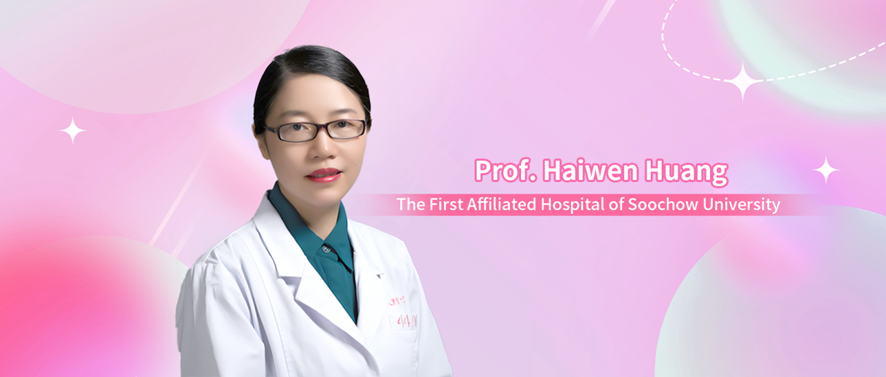
In the challenging field of hematology, the search for effective treatments for relapsed or refractory diffuse large B-cell lymphoma (R/R DLBCL) after CAR-T therapy failure is crucial. Professor Professor Haiwen Huang from The First Affiliated Hospital of Soochow University leads an innovative study exploring allogeneic hematopoietic stem cell transplantation (allo-HSCT) as a promising alternative. This collaborative research not only offers new hope for R/R DLBCL patients but also showcases the pioneering spirit driving advancements in oncology. By providing valuable insights into allo-HSCT's potential, Professor Huang and his team contribute significantly to the evolving landscape of cancer treatment, highlighting the importance of innovation and teamwork in improving patient care.
Dr.Taisheng Li’s Team Presents the “Chinese Solution” for HIV Immune Reconstitution Deficiency at CROI 2024

Dr.Taisheng Li’s Team Presents the “Chinese Solution” for HIV Immune Reconstitution Deficiency at CROI 2024

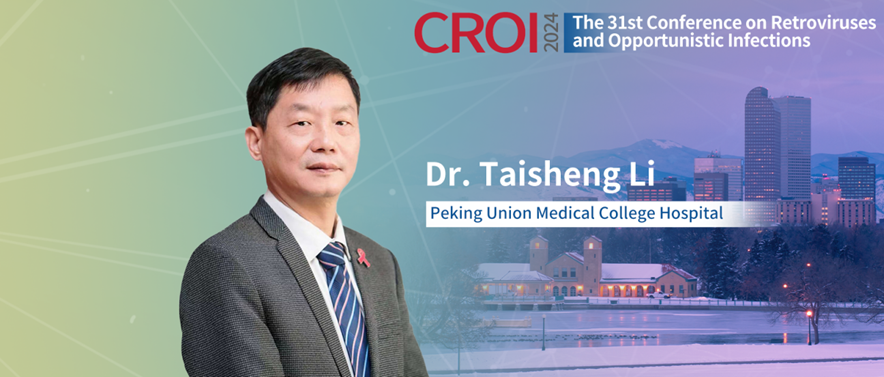
At the 31st Conference on Retroviruses and Opportunistic Infections (CROI 2024) held from March 3 to 6 in Denver, Colorado, USA, a study by Dr. Taisheng Li's team from the Peking Union Medical College Hospital was selected for a poster presentation and discussed at the fifth session. This conference, which started in 1993, has become one of the most influential meetings in the field of AIDS, attracting experts from around the world to share their latest research findings. The study presented by Dr. Li's team showcased a "Chinese solution" for addressing immune reconstitution deficiencies in HIV-infected individuals to the global academic community.
Dr. Shuihua Lu: First RCT Study Reported on a Novel Vaccine for Preventing Tuberculosis Relapse丨CROI Commentary

Dr. Shuihua Lu: First RCT Study Reported on a Novel Vaccine for Preventing Tuberculosis Relapse丨CROI Commentary

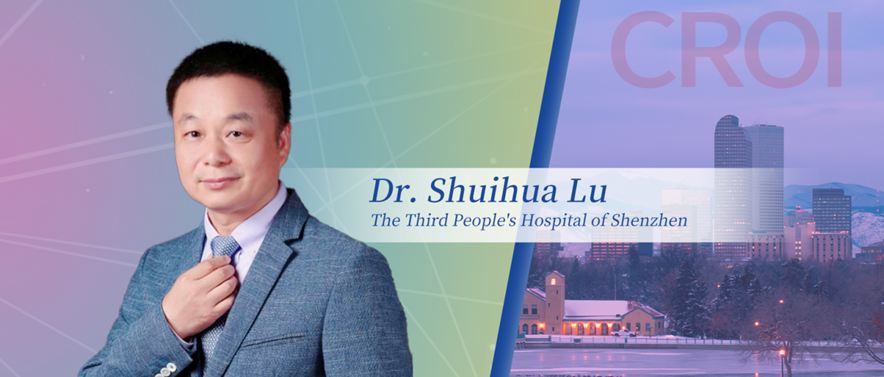
Patients who have successfully completed tuberculosis treatment still face a high risk of relapse, making the development of vaccines to prevent recurrent pulmonary tuberculosis an important direction in TB prevention efforts. At the recently concluded 31st Conference on Retroviruses and Opportunistic Infections (CROI 2024), a study presented as a late-breaking abstract (Abstract Number: 210) revealed that the novel tuberculosis vaccine H56:IC31, while not reducing the rate of TB relapse, enhanced both humoral and cellular immune responses in recipients. This marks the first clinical multicenter, randomized controlled trial (RCT) reported on the use of a TB vaccine for the prevention of relapse. The Infectious Disease Frontier has invited Dr. Shuihua Lu and his team from The Third People's Hospital of Shenzhen to introduce and comment on this study as follows.
Dr. Shuihua Lu: Trends in PAN-TB Treatment and Mid-term Report Review on QDB Study丨CROI Commentary

Dr. Shuihua Lu: Trends in PAN-TB Treatment and Mid-term Report Review on QDB Study丨CROI Commentary

In recent years, the concept of PAN-TB treatment, representing a comprehensive approach to tuberculosis (TB) therapy, has seen numerous developmental breakthroughs. This universal treatment method is applicable to all types of TB patients and is not limited by the resistance of traditional anti-tuberculosis drugs (i.e., there's no need to test for drug resistance), offering advantages such as simplified treatment and shortened course duration. At the recently concluded 31st Conference on Retroviruses and Opportunistic Infections (CROI 2024), a Phase 2b/c study (Abstract No: 163) presented in the form of a late-breaking abstract was selected for oral presentation. This study explored the efficacy and safety of a 4-month regimen of Quabodepistat, Delamanid, and Bedaquiline in treating pulmonary TB. Infectious Disease Frontier has invited Dr.
Dr. Hui Wang: Long-acting Cabotegravir Maintains High Efficacy in Preventing HIV Among Populations with High Incidence of Bacterial STIs丨CROI Commentary

Dr. Hui Wang: Long-acting Cabotegravir Maintains High Efficacy in Preventing HIV Among Populations with High Incidence of Bacterial STIs丨CROI Commentary

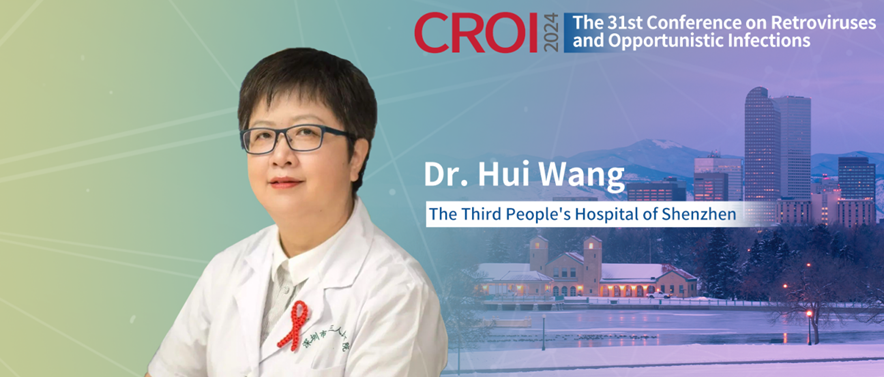
The association between sexually transmitted infections (STIs) and HIV infection has always been a focal point in the medical community. With the promotion of pre-exposure prophylaxis (PrEP) strategies to prevent HIV infection, the impact of STIs on the effectiveness of PrEP has become an urgent issue to address. At the recently concluded Conference on Retroviruses and Opportunistic Infections (CROI 2024), researchers presented an oral abstract (Abstract 131) that explored the relationship between STI status and the effectiveness of two PrEP regimens (CAB-LA and daily oral TDF/FTC). Infectious Disease Frontier invited Dr. Hui Wang from The Third People's Hospital of Shenzhen to provide an in-depth commentary on this study.
Chimeric antigen receptor T cells targeting FcRH5 provide robust tumour-specific responses in murine xenograft models of multiple myeloma

Chimeric antigen receptor T cells targeting FcRH5 provide robust tumour-specific responses in murine xenograft models of multiple myeloma

Professor Haiwen Huang from The First Affiliated Hospital of Soochow University provided an enlightening discourse on the significant strides made in CAR T cell therapies, with a special emphasis on their pioneering work in FcRH5 CAR-T cells for multiple myeloma. The study not only showcased the remarkable journey of hematology research over the years but also spotlighted the transformative potential of next-generation CAR T cell therapies in offering new hope to patients with hematologic cancers.
Orelabrutinib for the treatment of relapsed or refractory marginal zone lymphoma: A phase 2, multicenter, open-label study

Orelabrutinib for the treatment of relapsed or refractory marginal zone lymphoma: A phase 2, multicenter, open-label study

In the evolving landscape of hematology and oncology, innovative treatments for challenging conditions like relapsed or refractory marginal zone lymphoma are of paramount importance. It is in this context that the recent phase 2, multicenter, open-label study investigating the efficacy of Orelabrutinib comes to light, marking a significant advancement in the therapeutic domain. This study, meticulously carried out by a dedicated team of researchers led by Professor Haiwen Huang from The First Affiliated Hospital of Soochow University, alongside esteemed colleagues from various prestigious institutions across China, has been a beacon of hope for patients grappling with this relentless malignancy. The findings of this groundbreaking research were meticulously documented in the American Journal of Hematology, underscoring not only the potential of Orelabrutinib as a viable treatment option but also the collaborative effort and expertise that epitomizes the spirit of innovation in the field. This endeavor, emblematic of the strides being made in hematology research, was brilliantly showcased during a session at the renowned Beijing Hematologic Tumor and Immunology Summit Forum, an event that has become a cornerstone for the dissemination of cutting-edge scientific knowledge and clinical practices.