Professor Hong You: Striving to Link the “Beijing Standard” for Cirrhosis Reversal with Reduced Incidence of Cirrhosis Decompensation and Liver Cancer

Professor Hong You: Striving to Link the “Beijing Standard” for Cirrhosis Reversal with Reduced Incidence of Cirrhosis Decompensation and Liver Cancer

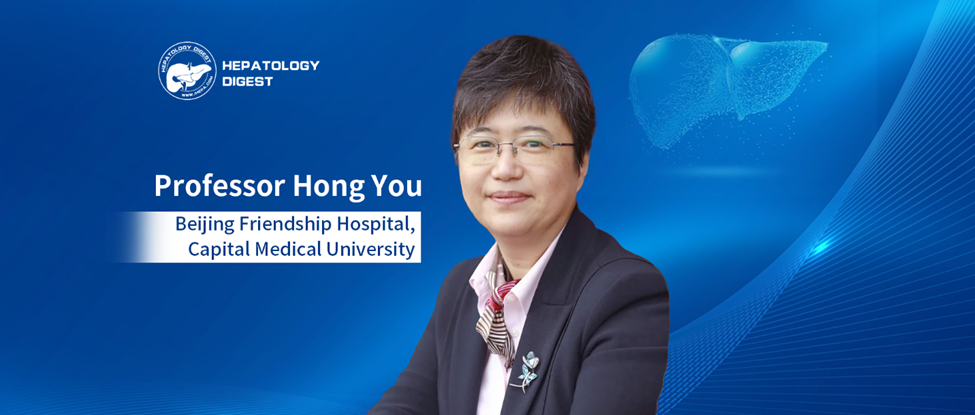
Under long-term and repeated stimulation from various causes, a normal liver can develop into cirrhosis. Histologically, cirrhosis is characterized by diffuse liver fibrosis accompanied by collapse of the lobular structure (including microvascular structures) and the formation of pseudolobules, leading to portal hypertension and even liver function decompensation. Professor Hong You's team at Beijing Friendship Hospital, Capital Medical University, was the first in the world to propose a new pathological standard for evaluating the reversal of hepatitis B-induced cirrhosis. This new standard, known internationally as the "Beijing Standard," not only increases the recognition rate of cirrhosis reversal but also changes the clinical practice of requiring two liver biopsies for evaluation. Recently, at the "25th National Academic Conference on Traditional Chinese Medicine for Hepatobiliary Diseases," Hepatology Digest conducted an exclusive interview with Professor Hong You to discuss the diagnosis of cirrhosis reversal and other related issues. Here are the highlights of the interview.
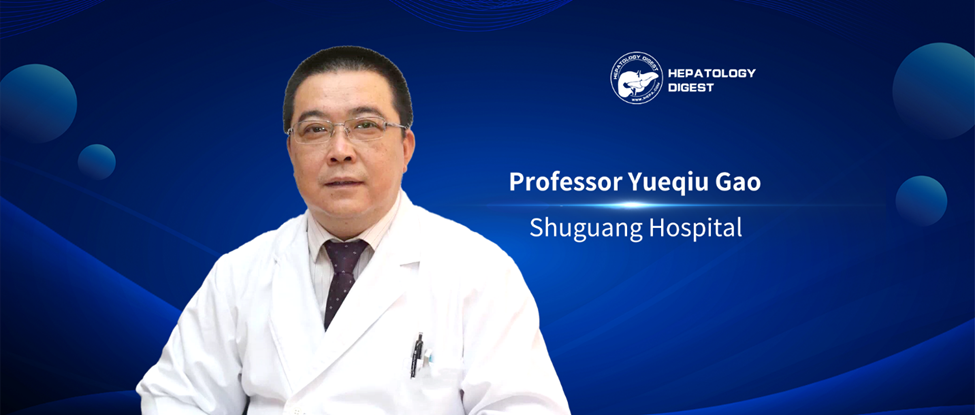
Professor Yueqiu Gao: Combining Existing Treatments with Traditional Chinese Medicine Can Improve the Prognosis of Liver Cirrhosis Patients, But Further Research is Needed

Professor Yueqiu Gao: Combining Existing Treatments with Traditional Chinese Medicine Can Improve the Prognosis of Liver Cirrhosis Patients, But Further Research is Needed

According to statistics, there are currently over 400 million people in China suffering from various liver diseases, with approximately one in three people having chronic liver disease. Hepatitis B patients account for about 24% of this number. Liver diseases have become one of the most prevalent threats to people's health. Chronic liver diseases, such as chronic viral hepatitis, liver cirrhosis, and non-alcoholic fatty liver disease, if not treated in a timely and standardized manner, can eventually progress to liver failure or even liver cancer, posing a serious threat to human life and health. With the advancement of medicine, the integration of traditional Chinese and Western medicine in China has opened new avenues for the diagnosis and treatment of chronic liver diseases by complementing each other's strengths. Recently, at the 25th National Academic Conference on Traditional Chinese Medicine for Hepatobiliary Diseases organized by the Hepatobiliary Disease Branch of the Chinese Association of Traditional Chinese Medicine, Professor Yueqiu Gao addressed the advantages and shortcomings of traditional Chinese medicine in treating chronic hepatitis. Hepatology Digest has compiled this discussion for its readers.
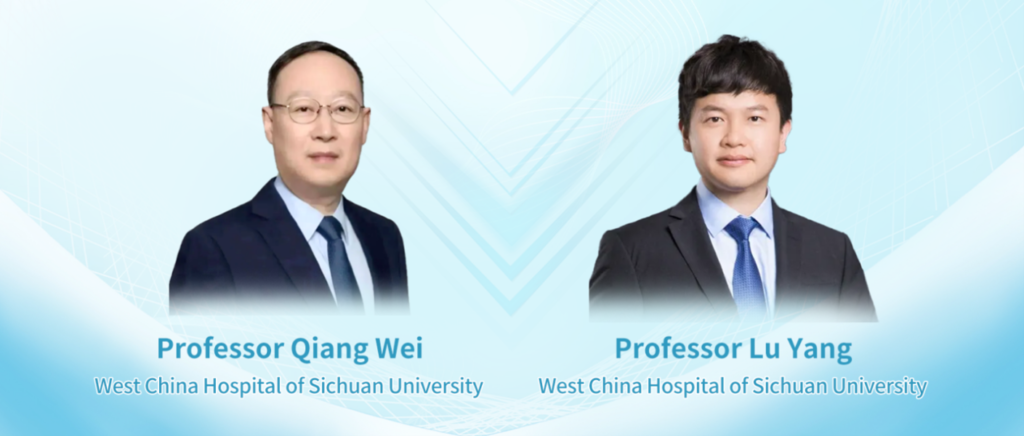
EAU24 China’s Voice丨Professor Qiang Wei and Professor Lu Yang’s Team Shine at EAU Conference, Leading Multiple Studies at the International Frontier

EAU24 China’s Voice丨Professor Qiang Wei and Professor Lu Yang’s Team Shine at EAU Conference, Leading Multiple Studies at the International Frontier

The 39th Annual European Association of Urology (EAU) Conference was grandly held from April 5th to 8th, 2024, in Paris, France. As a top-tier event in the global field of urology, the EAU Conference gathered numerous experts and scholars in the urology field to discuss cutting-edge advancements and future trends in urology. At this year's EAU Conference, Professor Qiang Wei and Professor Lu Yang's research team from West China Hospital of Sichuan University had multiple studies selected, representing the latest developments in urology in China and contributing significantly to the global advancement of urology. The "Oncology Frontier" magazine has compiled the relevant research below for readers' enjoyment.
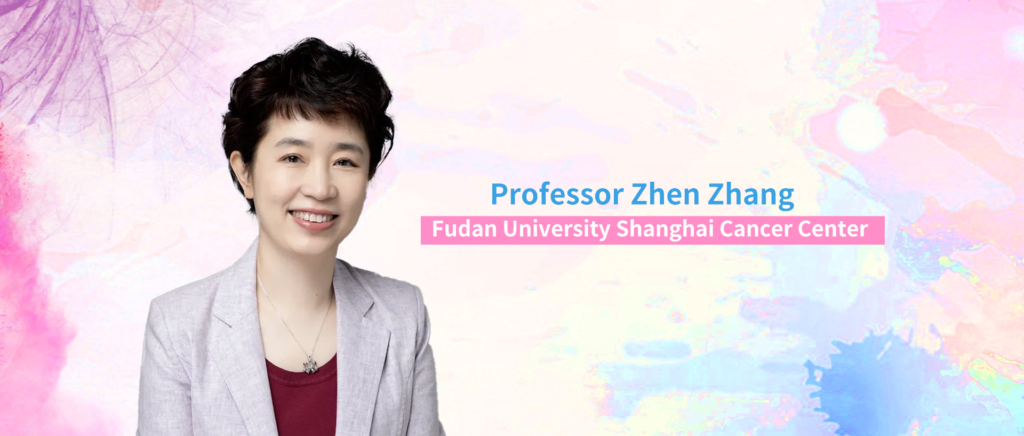
Professor Zhang Zhen: Latest Advances in Colorectal Cancer and Highlights of the 2024 CSCO Colorectal Cancer Guidelines Update

Professor Zhang Zhen: Latest Advances in Colorectal Cancer and Highlights of the 2024 CSCO Colorectal Cancer Guidelines Update

Colorectal cancer ranks as the second most prevalent malignancy in China and represents the most common type of gastrointestinal cancer. In recent years, there has been a rapid increase in both incidence and mortality rates. With continuous innovations in relevant diagnostic and therapeutic technologies such as immunotherapy and radiotherapy, the efficacy of treatments for patients has improved significantly, while the toxic side effects have been greatly reduced. Professor Zhang Zhen from Fudan University Shanghai Cancer Center provides insights into recent research advances in the field of colorectal cancer and updates on the 2024 Chinese Society of Clinical Oncology (CSCO) guidelines.
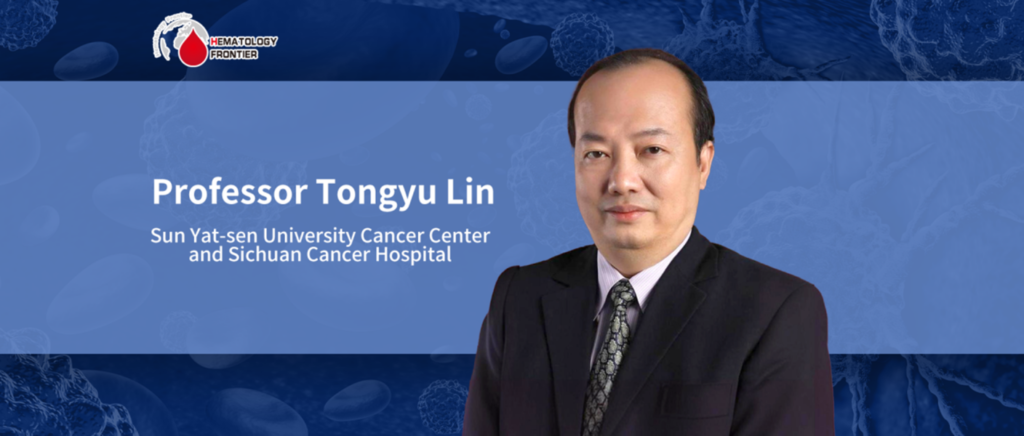
Professor Tongyu Lin: Scaling New Heights in Precision Diagnosis and Treatment of Lymphoma | 2024 Nanjing Lymphoma Forum

Professor Tongyu Lin: Scaling New Heights in Precision Diagnosis and Treatment of Lymphoma | 2024 Nanjing Lymphoma Forum

To further explore the advances in clinical and pathological diagnosis, treatment, and translational medicine research in lymphoma, the "2024 Nanjing Lymphoma Forum" was held in Nanjing from May 11-12, 2024. At the forum, Professor Tongyu Lin from Sun Yat-sen University Cancer Center and Sichuan Cancer Hospital delivered an academic report titled "Progress in Lymphoma Diagnosis and Treatment – A Comprehensive Overview." He shared the latest advancements in lymphoma treatment, including immune checkpoint inhibitors, personalized cancer vaccines, immune cell recruiting drugs represented by T cell-engaging bispecific antibodies, and cellular immunotherapy. He emphasized the importance of individualized and precise treatment, multidisciplinary collaboration, and the need for different treatments for different diseases. During the forum, "Oncology Frontier - Hematology Frontier" had the privilege of interviewing Professor Tongyu Lin, who provided an in-depth discussion on breakthroughs in lymphoma diagnosis and treatment, the principles and concepts of precision treatment, and the development of diagnostic and therapeutic teams.
EBMT Interview with Professor Peiyan Kong: New Challenges in Hematologic Oncology Diagnosis and Treatment Brought by Aging

EBMT Interview with Professor Peiyan Kong: New Challenges in Hematologic Oncology Diagnosis and Treatment Brought by Aging

As the population continues to age, the incidence of hematologic malignancies in the elderly has been rising, presenting new challenges for clinical treatment. From April 14 to 17, 2024, the 50th European Society for Blood and Marrow Transplantation (EBMT) Annual Meeting was held in Glasgow, UK. The conference focused on the latest advancements in stem cell transplantation and cellular therapies, pushing forward improved clinical outcomes for patients with blood diseases. "Oncology Frontier - Hematology Frontier" invited Professor Peiyan Kong from The Second Affiliated Hospital of Army Medical University (Xinqiao Hospital) to share her insights on the challenges in diagnosing and treating hematologic malignancies in elderly patients, the selection of transplant donors, and the prevention of infections and GVHD post-transplant.
2024 EBMT Review | Professor Jun Ma: Study on Cytokine Release Syndrome and Neurotoxicity Characteristics Following Bispecific Antibody and CAR-T Cell

2024 EBMT Review | Professor Jun Ma: Study on Cytokine Release Syndrome and Neurotoxicity Characteristics Following Bispecific Antibody and CAR-T Cell

From April 14 to 17, 2024, the 50th European Society for Blood and Marrow Transplantation (EBMT) Annual Meeting was grandly held in Glasgow, UK, a city renowned for its historical significance. This year marks the 50th anniversary of EBMT, and the event gathered leading figures in the field of hematopoietic stem cell transplantation and over 6,000 hematology experts from around the world. The attendees reviewed the remarkable achievements in the fields of hematology and bone marrow transplantation over the past 50 years and explored forward-looking patient management strategies. At the conference, chimeric antigen receptor T-cell (CAR-T) therapy, a highlight of this meeting, showcased a series of breakthroughs in the treatment of multiple myeloma and lymphoma, attracting significant attention. This issue features a special invitation to Professor Jun Ma from the Harbin Institute of Hematological Oncology to provide an insightful interpretation of five major research studies in the field of CAR-T cell therapy. Here, we present a compilation of these insights for our readers.
EBMT Hot Review | Professor Yang Liang: Beware of Invasive Fungal Diseases in Chronic Lymphocytic Leukemia Patients Treated with BTK Inhibitors

EBMT Hot Review | Professor Yang Liang: Beware of Invasive Fungal Diseases in Chronic Lymphocytic Leukemia Patients Treated with BTK Inhibitors

Patients with chronic lymphocytic leukemia (CLL) are susceptible to infections due to impaired humoral and cellular immunity. Bruton's tyrosine kinase inhibitors (BTKi) are crucial in CLL treatment. Recent studies have shown an increased incidence of invasive fungal diseases (IFDs) (0.5% to 12.1%) in patients receiving BTKi treatment, particularly central nervous system infections. From April 14th to 17th, 2024, the 50th Annual Meeting of the European Society for Blood and Marrow Transplantation (EBMT2024) was held in Glasgow, UK. At the meeting, a retrospective study from KU Leuven in Belgium showed that the incidence of IFDs in CLL patients receiving BTKi treatment was 4.6%, and IFDs mainly occurred in the presence of concurrent risk factors. The researchers stated that the study data did not support routine use of antifungal prophylaxis in CLL patients receiving BTKi treatment. “Oncology Frontier - Hematology Frontier” invited Professor Yang Liang from Sun Yat-sen University Affiliated Cancer Hospital to provide insightful commentary on this study.