CDL (China Diabetes and Liver Disease Co-management Action Plan) Monthly Literature Review – May 2024, Issue 16

CDL (China Diabetes and Liver Disease Co-management Action Plan) Monthly Literature Review – May 2024, Issue 16

Diabetes and liver disease are common chronic diseases in China, with overlapping mechanisms, clinical manifestations, and therapeutic targets, making them interrelated risk factors. Co-managing these conditions can help reduce the disease burden. To support the development of diabetes and liver disease co-management in China, our publication, in collaboration with the China Diabetes and Liver Disease Co-management Action Plan (CDL), introduces the CDL Monthly Literature Review column. Each month, we will share research on the mechanisms, diagnosis, and treatment progress related to diabetes with liver disease, and invite experts from related fields in China to provide commentary. We aim to offer valuable insights and assistance to specialists, researchers, and frontline healthcare workers in conducting scientific research and clinical practice.
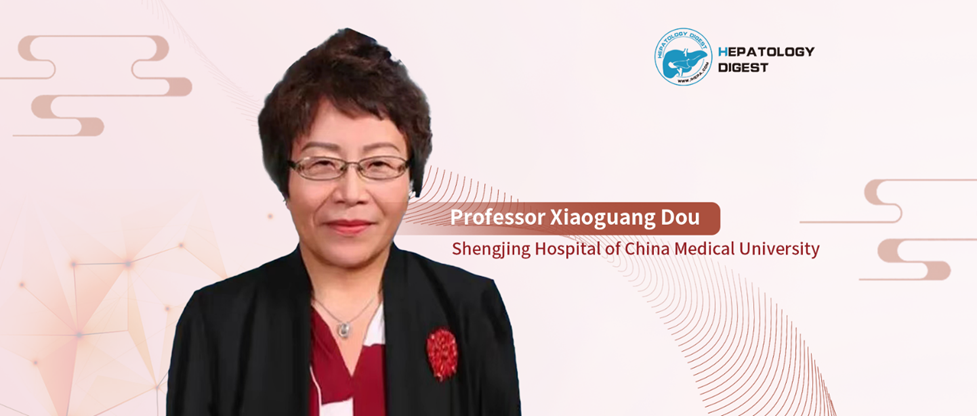
Interview with the Chairman | Professor Xiaoguang Dou: Interferon Therapy as the First Choice for “Small Three Yang” Patients

Interview with the Chairman | Professor Xiaoguang Dou: Interferon Therapy as the First Choice for “Small Three Yang” Patients

Antiviral therapy plays a crucial role in reducing the risk of liver cancer and delaying disease progression in patients with chronic hepatitis B (CHB). The survival rate and quality of life for CHB patients have been steadily improving. However, the treatment needs of "Small Three Yang" (HBsAg, anti-HBe, and anti-HBc positive) patients have often been overlooked. At the 17th National Clinical Conference on Liver Diseases held on May 25, 2024, Hepatology Digest interviewed the conference chairman, Professor Xiaoguang Dou from Shengjing Hospital of China Medical University, to discuss clinical cure strategies for "Small Three Yang" patients. Here is a summary of the interview for our readers.
ESMO BC 2024丨Professor Jin Zhang: NER-Tree Study Provides More Evidence for Neratinib in Early HER2-Positive Breast Cancer Patients in China

ESMO BC 2024丨Professor Jin Zhang: NER-Tree Study Provides More Evidence for Neratinib in Early HER2-Positive Breast Cancer Patients in China

HER2-positive breast cancer accounts for about 20% of all breast cancer cases. Since the advent of anti-HER2 therapies such as trastuzumab, the survival of HER2-positive breast cancer patients has significantly improved. The introduction of small molecule TKIs has further expanded treatment options. To explore the real-world treatment patterns, clinical application, efficacy, and safety data of neratinib in Chinese patients with early HER2-positive breast cancer, Professor Jin Zhang from Tianjin Medical University Cancer Institute and Hospital, along with multiple hospitals, conducted the NER-Tree study. The study's results were presented in a poster session at the 2024 ESMO BC conference. “Oncology Frontier” invited Professor Jin Zhang to discuss the study.
ESMO BC 2024丨Professor Man Li: New Strategies, New Choices – Targeted, Immuno, and Endocrine Therapy Bring More Benefits to ER+/HER2- mBC Patients

ESMO BC 2024丨Professor Man Li: New Strategies, New Choices – Targeted, Immuno, and Endocrine Therapy Bring More Benefits to ER+/HER2- mBC Patients

In recent years, PARP inhibitors like Olaparib have been continually exploring the optimal treatment timing and modalities for breast cancer patients carrying HRR mutations. DOLAF is an international phase II study aimed at evaluating the efficacy of a triple therapy combination of Olaparib, Durvalumab, and Fulvestrant in ER+/HER2- mBC patients. At the 2024 ESMO BC conference, the results of this study were presented. Oncology Outlook invited Professor Man Li from The Second Affiliated Hospital of Dalian Medical University to introduce and comment on this study.
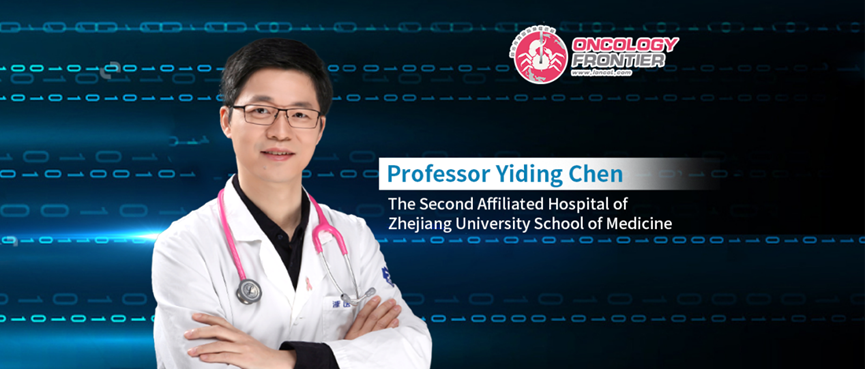
ESMO BC 2024 | Professor Yiding Chen: Updated CAPItello-291 Study Data Pioneers Precision Therapy for the PAM Pathway in the Post-CDK4/6i Era

ESMO BC 2024 | Professor Yiding Chen: Updated CAPItello-291 Study Data Pioneers Precision Therapy for the PAM Pathway in the Post-CDK4/6i Era

On May 16, 2024, the European Society for Medical Oncology Breast Cancer Annual Meeting (ESMO BC) reported updated results from the CAPItello-291 study (183MO). The data showed that the AKT inhibitor capivasertib combined with fulvestrant provided benefits in second-line treatment without affecting the benefits of subsequent treatments. This further solidified capivasertib's role in the post-CDK4/6 inhibitor (CDK4/6i) era, leading the way in precision therapy for HR+ breast cancer. Oncology Frontier interviewed Professor Yiding Chen from The Second Affiliated Hospital of Zhejiang University School of Medicine to analyze the progress of the CAPItello-291 study and discuss superior treatment options in the post-CDK4/6i era from mechanisms to clinical applications.
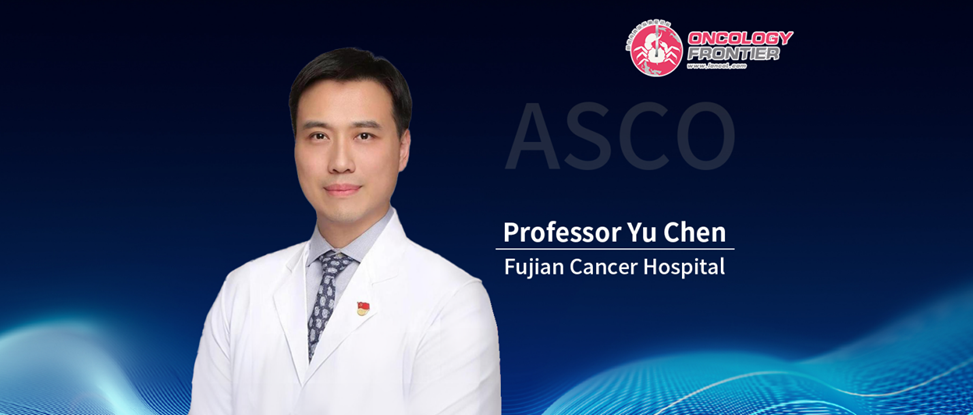
ASCO 2024 | Professor Yu Chen: First-In-Class PD-1/IL-2 Bispecific Antibody Fusion Protein IBI363 for Advanced Melanoma

ASCO 2024 | Professor Yu Chen: First-In-Class PD-1/IL-2 Bispecific Antibody Fusion Protein IBI363 for Advanced Melanoma

The highly anticipated 2024 American Society of Clinical Oncology (ASCO) Annual Meeting has officially begun. As a premier global academic conference in oncology, ASCO attracts professionals from around the world to share and discuss the latest clinical oncology research findings and treatment advancements. At this year's conference, the research led by Professor Yu Chen from Fujian Cancer Hospital, titled "First-In-Class PD-1/IL-2 Bispecific Antibody Fusion Protein IBI363 for Advanced Melanoma," has been selected for poster presentation. This study marks the global debut of the independently developed IBI363 by Innovent Biologics for melanoma treatment, highlighting significant progress in evaluating its safety, tolerable dosage, and efficacy, especially in acral and mucosal melanoma subtypes specific to China.
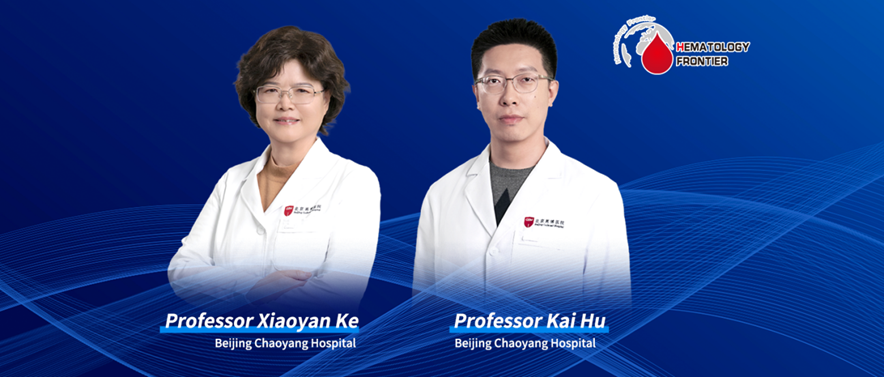
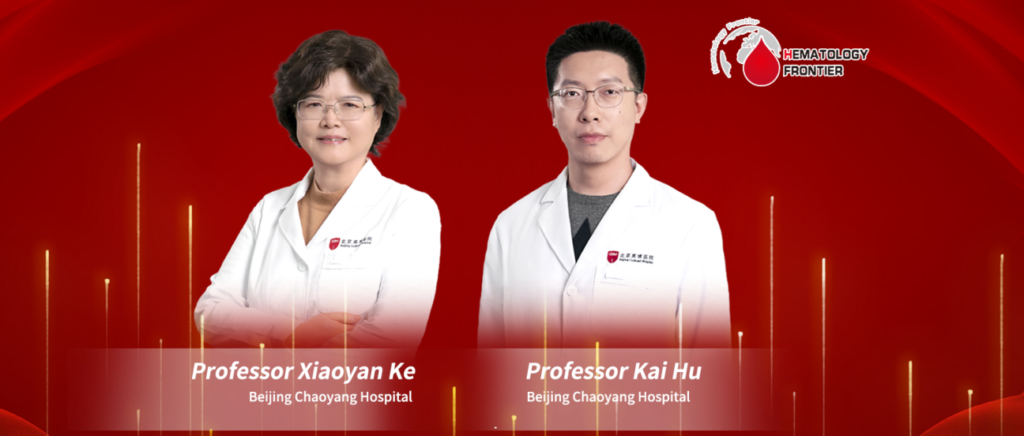
EHA China Voice丨Professor XiaoyanKe and Professor Kai Hu’sTeam: Bridging Radiotherapy Before CAR-T Treatment Improves Survival in Refractory/Relapsed, Multidrug-Resistant CNS B-Cell Lymphoma Patients

EHA China Voice丨Professor XiaoyanKe and Professor Kai Hu’sTeam: Bridging Radiotherapy Before CAR-T Treatment Improves Survival in Refractory/Relapsed, Multidrug-Resistant CNS B-Cell Lymphoma Patients

As the efficacy of CAR-T therapy in B-cell lymphoma becomes increasingly recognized, some studies have focused on its application in treating refractory/relapsed central nervous system (CNS) B-cell lymphoma. Refractory/relapsed CNS B-cell lymphoma patients were initially excluded from early CAR-T clinical trials, but as CAR-T therapy's real-world application grows, these patients can achieve optimistic outcomes. However, patients with high tumor burden face a high incidence of immune effector cell-associated neurotoxicity syndrome (ICANS) and poor outcomes. There is an urgent need for an effective bridging therapy to reduce ICANS incidence and improve remission rates in multidrug-resistant CNS-involved patients. From June 13-16, 2024, at the 29th European Hematology Association (EHA) Annual Meeting, Dr.  Hui Shi from Professors Xiaoyan Ke and Kai Hu's team at Beijing Gaobo Hospital will present a report titled "INCORPORATING RADIATION WITH CAR T-CELL THERAPY DEMONSTRATED A HIGH RATE OF REMISSION IN PATIENTS WITH B CELL LYMPHOMA INVOLVING THE CNS," offering new insights for treating refractory/relapsed multidrug-resistant CNS B-cell lymphoma patients.
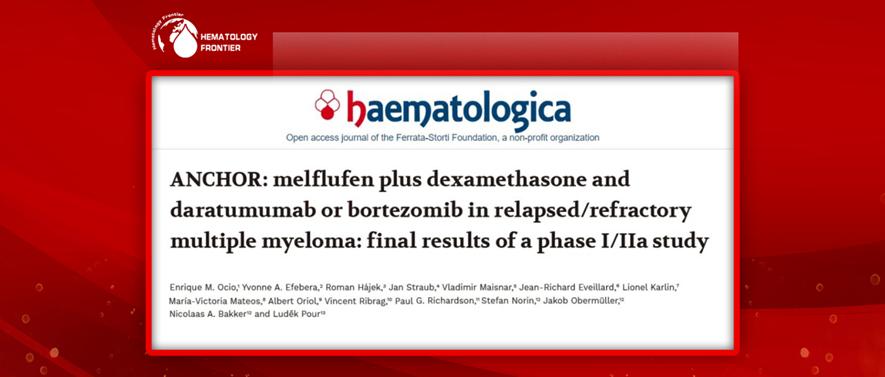
Haematologica丨ANCHOR Study: Dose Exploration of Melflufen Combined with Multi-Drug Therapy in Relapsed/Refractory Multiple Myeloma

Haematologica丨ANCHOR Study: Dose Exploration of Melflufen Combined with Multi-Drug Therapy in Relapsed/Refractory Multiple Myeloma

Multiple myeloma (MM) is the second most common hematologic malignancy and is a disease of terminally differentiated plasma cells. As MM progresses, treatment becomes increasingly difficult, and the periods of remission after each relapse grow shorter. There is an urgent need for new therapeutic combinations that can provide deeper and more durable responses. Recently, Haematologica published the final results of the phase I/IIa ANCHOR study, which investigated the efficacy and safety of the novel alkylating peptide-drug conjugate melflufen flufenamide (melflufen) in combination with dexamethasone and either daratumumab or bortezomib for the treatment of relapsed/refractory MM.
Venetoclax±BTKi-Based Chemotherapy as a Potential Bridging Therapy Before CAR-T Treatment for Relapsed/Refractory B-Cell Lymphoma

Venetoclax±BTKi-Based Chemotherapy as a Potential Bridging Therapy Before CAR-T Treatment for Relapsed/Refractory B-Cell Lymphoma

The efficacy of CAR-T therapy in B-cell lymphoma is increasingly recognized, and its real-world application is expanding. However, patients with high tumor burden face a high incidence of cytokine release syndrome (CRS) and poor outcomes, leading to high treatment-related mortality. There is an urgent need for effective bridging therapies to reduce CRS incidence and improve remission rates in relapsed/refractory B-cell lymphoma patients. From June 13-16, 2024, the 29th European Hematology Association (EHA) Annual Meeting will take place. Dr.  Rui Liu, head of the research team of Professors Xiaoyan Ke and Kai Hu from Beijing Gaobo Hospital, will present a poster titled “VENETOCLAX AND BTK INHIBITORS BASED CHEMOTHERAPY IS A POTENTIAL EFFECTIVE CAR-T BRIDGING THERAPY IN R/R B-NHL,” offering new insights into bridging therapies before CAR-T for relapsed/refractory B-cell lymphoma.
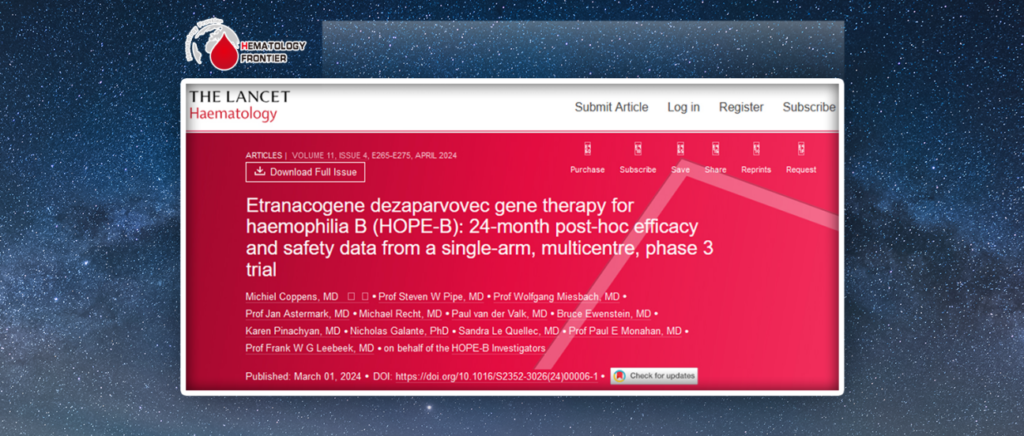
Lancet Haematol丨HOPE-B Trial: Long-Term Follow-Up Results of Gene Therapy for Hemophilia B

Lancet Haematol丨HOPE-B Trial: Long-Term Follow-Up Results of Gene Therapy for Hemophilia B

Hemophilia B is characterized by a deficiency in clotting factor IX due to mutations in the F9 gene, impairing coagulation and increasing bleeding risk. Predominantly affecting males, hemophilia B can be classified as mild (factor IX activity >5% and <40% of normal levels), moderate (1%-5%), or severe (<1%). The primary clinical manifestation is bleeding, most commonly musculoskeletal bleeding, which can lead to severe joint disease and significantly impact the quality of life.