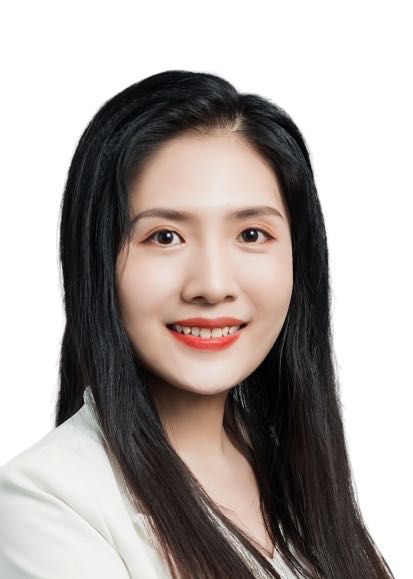
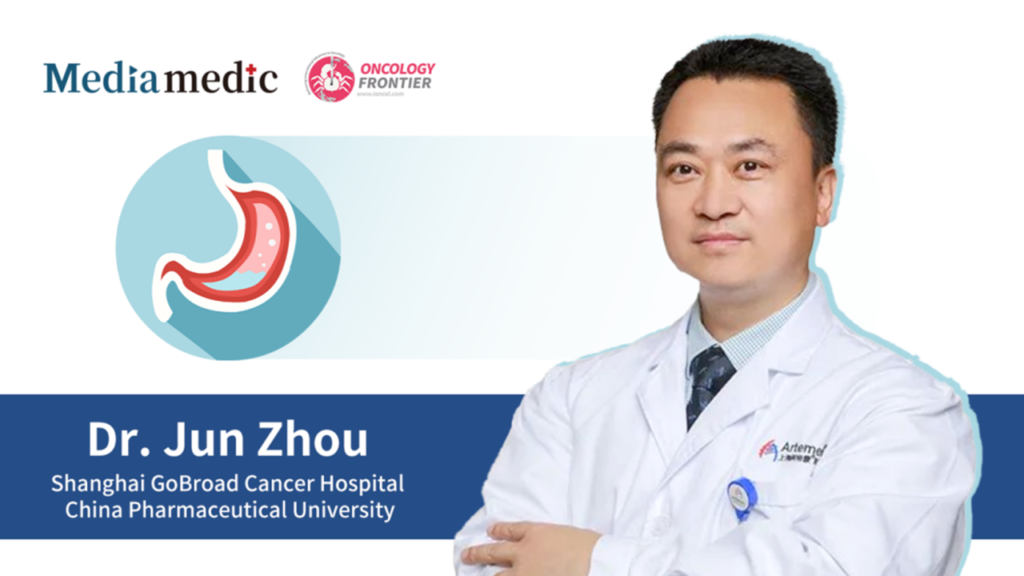
Dr. Jun Zhou: Lessons from 29 Protocol Revisions in the CheckMate649 Study – A Blueprint for Clinical Trial Design in Immunotherapy

Dr. Jun Zhou: Lessons from 29 Protocol Revisions in the CheckMate649 Study – A Blueprint for Clinical Trial Design in Immunotherapy

To advance the standard of care for gastrointestinal cancers in China and share the latest developments and insights, the "2024 CSCO Workshop on Standardized Diagnosis and Treatment of Gastrointestinal Cancers," co-hosted by the Chinese Society of Clinical Oncology (CSCO), the Beijing Xisike Clinical Oncology Research Foundation, and the Hangzhou Oriental Clinical Oncology Research Center, took place in Shanghai from August 17–18, 2024.
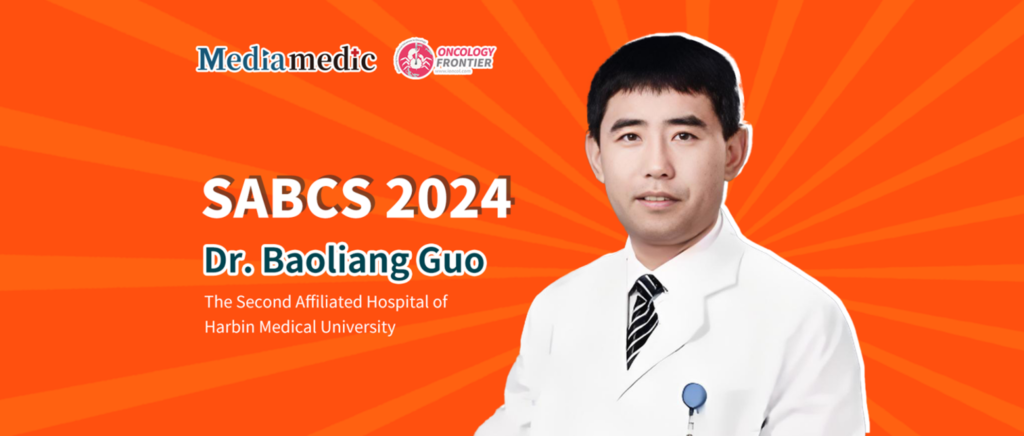
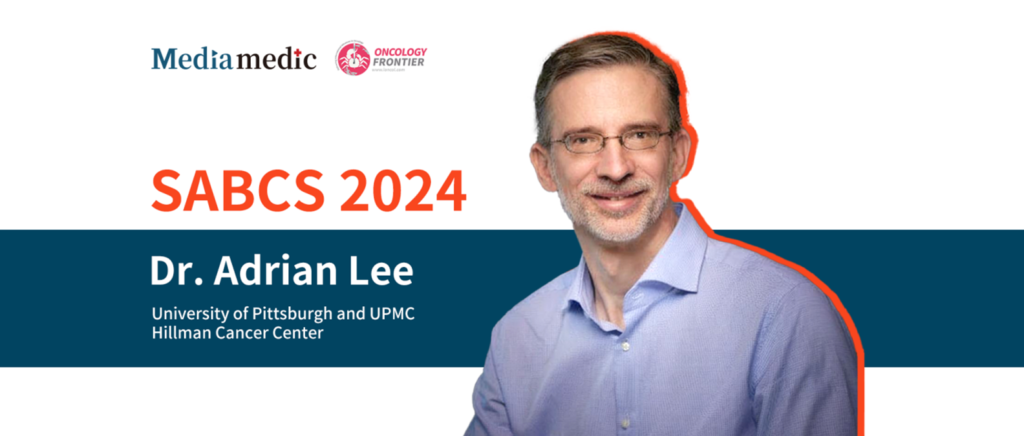
SABCS 2024 | Dr. Baoliang Guo: The Dilemma of Immediate vs. Delayed Surgery in Operable Breast Cancer Patients Aged 70+

SABCS 2024 | Dr. Baoliang Guo: The Dilemma of Immediate vs. Delayed Surgery in Operable Breast Cancer Patients Aged 70+

With the global aging population, treatment strategies for breast cancer patients over 70 years old have garnered increasing attention. At the 2024 SABCS conference, a patient-level meta-analysis conducted by the Early Breast Cancer Trialists' Collaborative Group (EBCTCG) addressed the impact of immediate versus delayed surgery on outcomes in operable breast cancer patients aged 70+ (Abstract No.: LB1-01). The study highlighted that, for operable breast cancer patients over 70 who did not receive radiotherapy, immediate surgery significantly reduced local recurrence rates and positively influenced long-term survival. This research not only provides robust evidence for treatment decision-making in elderly breast cancer patients but also prompts a reevaluation of therapeutic strategies for this population. Oncology Frontier invited Dr. Baoliang Guo from The Second Affiliated Hospital of Harbin Medical University to provide insightful commentary on this study.
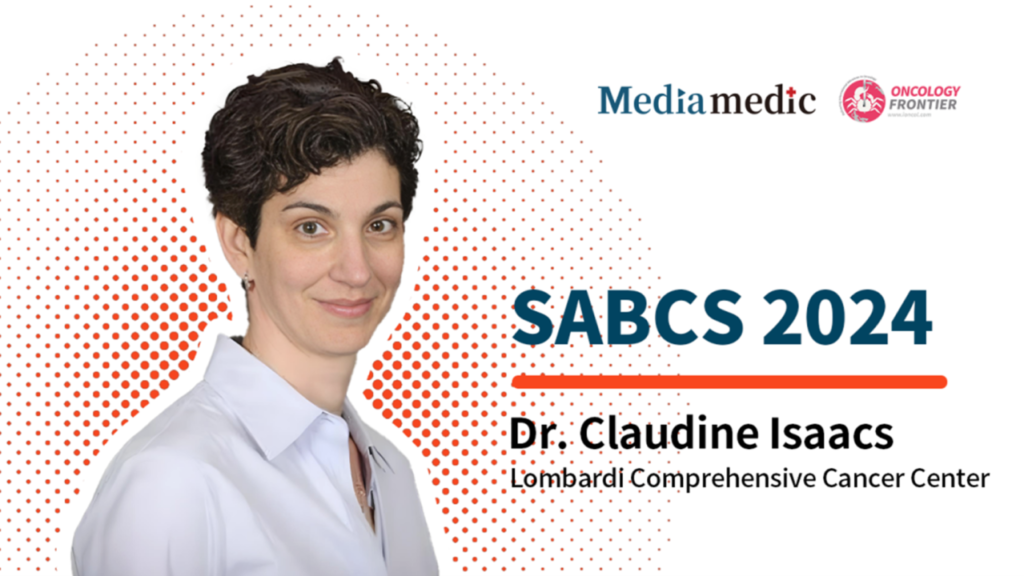
SABCS 2024 | Clinical Symposium on Dose Optimization and Regimen Design in Breast Oncology

SABCS 2024 | Clinical Symposium on Dose Optimization and Regimen Design in Breast Oncology

Advances in medical oncology for breast cancer are reshaping the approach to drug dosing and regimen design. Traditional chemotherapy development relied heavily on identifying the maximum tolerated dose (MTD)—the highest dose patients could endure without severe side effects. However, the focus in modern drug development, particularly for molecular targeted therapies, is shifting toward individualized dose optimization strategies. On December 10 (Tuesday) from 2:00 to 3:45 PM (CST), experts at the 2024 San Antonio Breast Cancer Symposium delved into these strategies during the "Clinical Symposium on Dose Optimization in Breast Oncology."
ESMO Asia 2024 | Prof. Zhi Peng Deciphers DESTINY-Gastric06: ADCs Usher in a New Era for Advanced HER2-Positive Gastric Cancer Treatment

ESMO Asia 2024 | Prof. Zhi Peng Deciphers DESTINY-Gastric06: ADCs Usher in a New Era for Advanced HER2-Positive Gastric Cancer Treatment

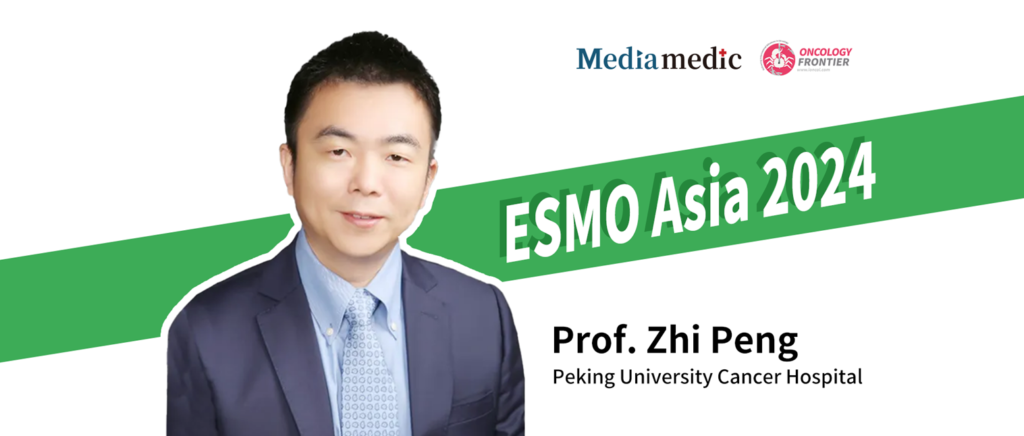
From December 6–8, 2024, the ESMO Asia Annual Meeting was held in Singapore, presenting groundbreaking research in oncology. Among the key highlights was the DESTINY-Gastric06 (DG06) study, which sparked extensive discussion. Oncology Frontier invited Prof. Zhi Peng, a leading researcher and specialist from Peking University Cancer Hospital, to share the latest findings from the DG06 study and insights into the role and future potential of antibody-drug conjugates (ADCs) in cancer treatment.
SABCS Broadcast | Prof. Yongmei Yin and Prof. Junjie Li Discuss Simplified Treatments for Early Breast Cancer and AI-Driven Primary Prevention

SABCS Broadcast | Prof. Yongmei Yin and Prof. Junjie Li Discuss Simplified Treatments for Early Breast Cancer and AI-Driven Primary Prevention

The 47th San Antonio Breast Cancer Symposium (SABCS), held from December 10–13, 2024, in San Antonio, USA, showcased the latest breakthroughs in breast cancer research, clinical practices, and technological innovations. This edition of "SABCS Broadcast" is hosted by Prof. Yongmei Yin from Jiangsu Provincial People’s Hospital, with live reporting by Prof. Junjie Li from Fudan University Shanghai Cancer Center. The discussion highlights the joint analysis of NRG Oncology/RTOG 9804 and ECOG-ACRIN E5194 on tamoxifen (TAM) use in low-risk ductal carcinoma in situ (DCIS), findings from the INSEMA trial on avoiding sentinel lymph node biopsy (SLND) in breast-conserving surgery patients, and the application of artificial intelligence (AI) in breast cancer risk screening.
ESMO ASIA 2024 | Prof. Yi-Long Wu Presents Positive Results of the Phase III PACIFIC-5 Trial, Offering Key Insights for Asian Patients

ESMO ASIA 2024 | Prof. Yi-Long Wu Presents Positive Results of the Phase III PACIFIC-5 Trial, Offering Key Insights for Asian Patients

At the 2024 European Society for Medical Oncology Asia Congress (ESMO ASIA 2024), during the Preferred Oral Presentations on Thoracic Oncology, Professor Yilong Wu from Guangdong Provincial People's Hospital presented the positive results of the PACIFIC-5 Phase III trial (Abstract No: LBA6). This study evaluated the efficacy of durvalumab consolidation therapy in unresectable Stage III non-small cell lung cancer (NSCLC) patients who remained progression-free after concurrent (cCRT) or sequential chemoradiotherapy (sCRT). Oncology Frontier invited Prof. Wu to provide an in-depth interpretation of the findings and highlight key points from this landmark study.
SABCS 2024 | Educational Session: Liquid Biopsy – MRD, ctDNA, and Monitoring Treatment Response

SABCS 2024 | Educational Session: Liquid Biopsy – MRD, ctDNA, and Monitoring Treatment Response

Liquid biopsy is not a new concept in the field of breast cancer, but its clinical applications continue to evolve, requiring fresh insights into the technologies, terminology, biomarkers, and future directions. On Tuesday, December 10 (Central Time), during the "Educational Session 2: Liquid Biopsy: MRD, ctDNA, and Monitoring Response to Treatment" at the 2024 San Antonio Breast Cancer Symposium (SABCS), experts discussed current liquid biopsy technologies and their optimal applications, including early disease detection, real-time monitoring, and predicting treatment responses.
SABCS 2024 | Special Session: Exploring Genetic Variants Linked to Hereditary Breast Cancer Risk

SABCS 2024 | Special Session: Exploring Genetic Variants Linked to Hereditary Breast Cancer Risk

Pathogenic germline mutations in certain genes are known to increase the risk of hereditary breast cancer. Approximately 5% to 10% of all breast cancer cases are hereditary, primarily driven by such mutations, with BRCA1/2 being the most common. Germline mutations also guide treatment decisions, as patients with pathogenic BRCA1/2 germline mutations may benefit from PARP inhibitor-based therapies.
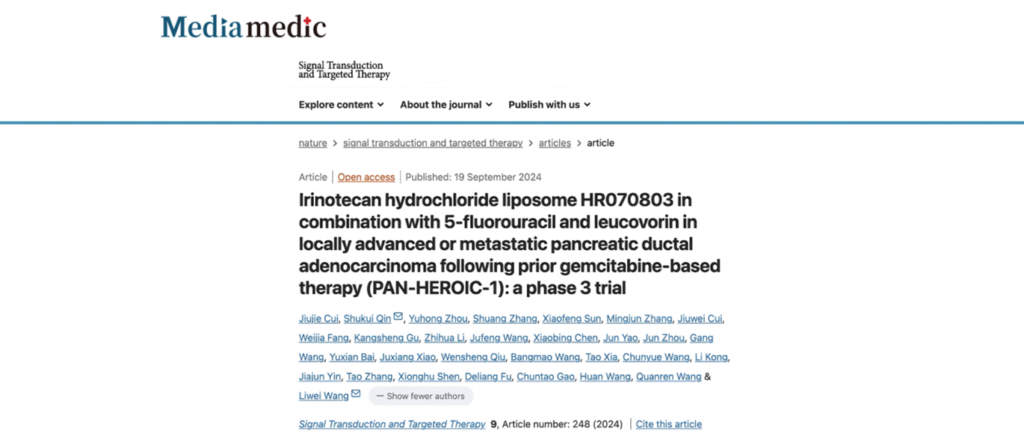
STTT (IF=40.8)|New Evidence in Pancreatic Cancer Treatment! Latest Study Published by Professors Liwei Wang and Shukui Qin’s Team

STTT (IF=40.8)|New Evidence in Pancreatic Cancer Treatment! Latest Study Published by Professors Liwei Wang and Shukui Qin’s Team

On September 19, 2024, a randomized, double-blind, parallel-controlled, multicenter phase III clinical study, co-led by Professor Shukui Qin from the Nanjing Tianyinshan Hospital Affiliated to China Pharmaceutical University and Professor Liwei Wang from the Renji Hospital, Shanghai Jiaotong University School of Medicine, was published in Signal Transduction and Targeted Therapy (IF = 40.8), a prestigious international medical journal under Nature. The study evaluated the efficacy of irinotecan liposome (II) combined with 5-FU/LV as second-line treatment for locally advanced or metastatic pancreatic cancer after failure of gemcitabine therapy. Our results showed that the irinotecan liposome (II) combination therapy reduced the risk of death by 37% compared to the control group. Based on this research, irinotecan liposome (II) combination therapy was included as a Grade I expert recommendation (IA evidence) in the 2024 edition of the Chinese Society of Clinical Oncology Pancreatic Cancer Diagnosis and Treatment Guidelines. This treatment regimen fills the gap in second-line therapy for locally advanced or metastatic pancreatic cancer patients in China.