-

Zanubrutinib Combined with R-Chemo Shows Significant Efficacy and Good Safety as First-Line Treatment for Newly Diagnosed Mantle Cell Lymphoma
Lymphoma, a common malignant tumor of the hematological system, has always been a focus of research for innovative and optimized treatment strategies. In recent years, with the rise of immunotherapy and targeted therapy, lymphoma treatment strategies are undergoing revolutionary changes. The 29th Annual Meeting of the European Hematology Association (EHA) was grandly held from June…
-
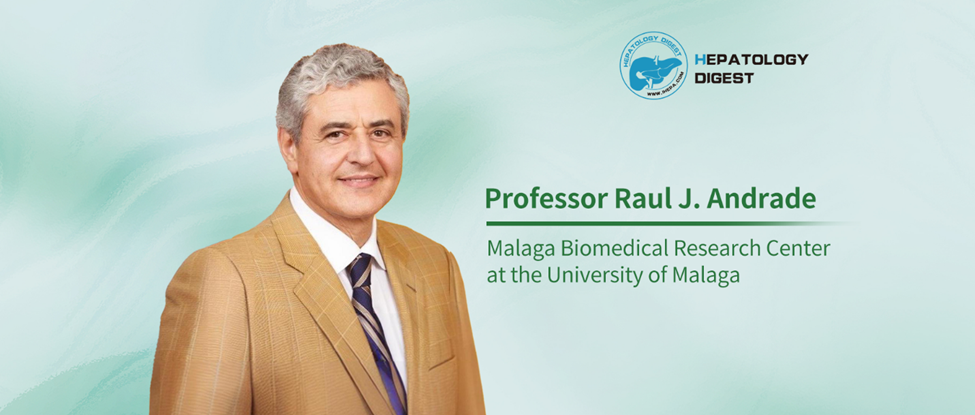
Renowned Interview | Professor R. Andrade: Drug-induced Autoimmune Hepatitis – A Challenging New Phenotype
Drug-induced autoimmune hepatitis, as a new and complex disease phenotype, has received widespread attention in recent years. On May 25, 2024, at the “8th International Forum on Drug-induced Liver Injury” in Malaga, Spain, Professor Raul J. Andrade of the Malaga Biomedical Research Center at the University of Malaga delivered a fascinating lecture on drug-induced autoimmune…
-
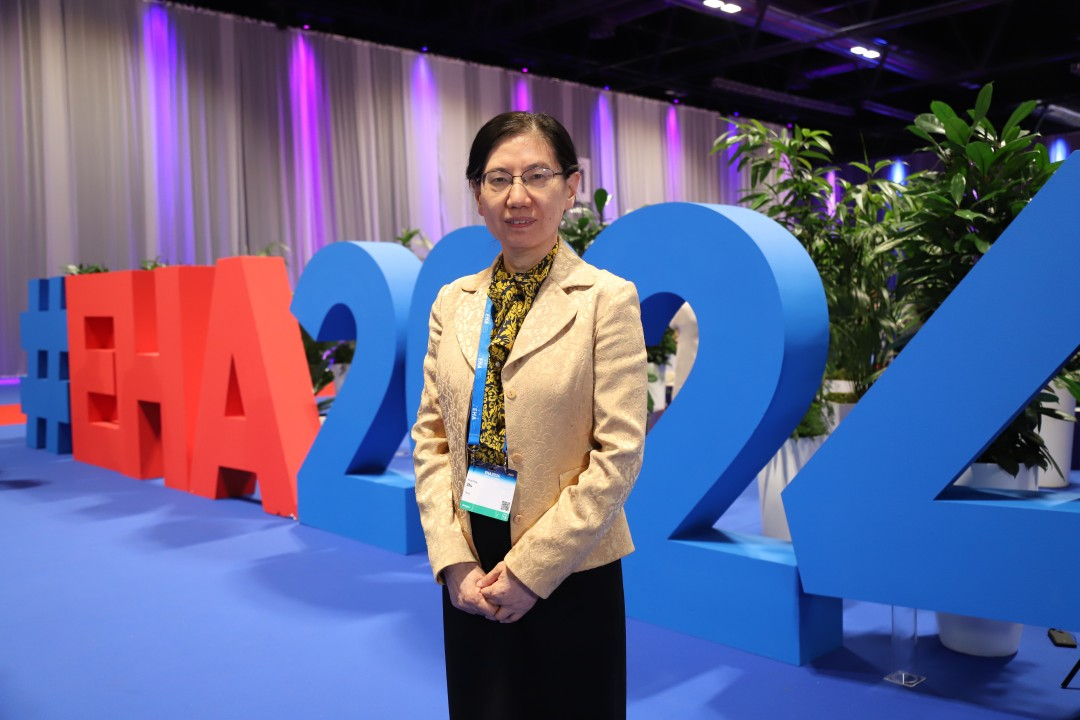
EHA in 5 Minutes | Professor Huanling Zhu: PONAZA Trial— Ponatinib and Azacitidine for Treating Myeloid Blast Crisis in CML (NCT03895671)
The 29th Annual Meeting of the European Hematology Association (EHA) was held from June 13-16, 2024, in Madrid, Spain. As the largest international event in the field of hematology in Europe, this conference attracts numerous renowned experts and scholars from around the world to share and discuss innovative concepts, the latest scientific research, and clinical…
-

New Long-Acting HIV Prevention Drug Shows 100% Efficacy in Phase III Trial
On June 20, Gilead Sciences declared a significant milestone in HIV prevention with the announcement of their long-acting HIV-1 capsid inhibitor, Lenacapavir, demonstrating a 100% efficacy rate in preventing HIV infection in women, outperforming the daily oral emtricitabine/tenofovir disoproxil fumarate (FTC/TDF) regimen.
-
Chinese CAR-T Cell Therapy Phase 1 Study Shows Promise for HIV Functional Cure
In a pioneering clinical trial, a novel multifunctional CAR-T cell treatment has demonstrated remarkable efficacy and safety in HIV-1 infected patients, potentially paving the way for a functional cure for HIV/AIDS. Published in Cell Discovery, the phase I study introduced M10 CAR-T cells, engineered to incorporate endogenous broadly neutralizing antibodies (bNAbs) and the follicle-homing receptor…
-
WHO Reports on Rising HIV Drug Resistance Amid Integrase Inhibitor Use
The World Health Organization (WHO) has released a concise report highlighting a concerning trend in HIV drug resistance (HIVDR) in the integrase strand transfer inhibitors (INSTI) era. The report notes the high efficacy of dolutegravir (DTG)-based antiretroviral therapy (ART) in suppressing viral loads, exceeding 90%. However, it warns that HIVDR to DTG is emerging at…
-

EASL Five Minutes丨Professor Huiying Rao: Advances in the Application of Non-invasive Diagnostic Prediction Models in the Field of Metabolic-Associated Fatty Liver Disease
The recently concluded 2024 European Association for the Study of the Liver (EASL) Annual Meeting provided a platform for hepatology experts and scholars from around the world to exchange and collaborate. This year’s meeting brought together top liver disease experts from across the globe to discuss cutting-edge issues and the latest research advances in hepatology.…
-
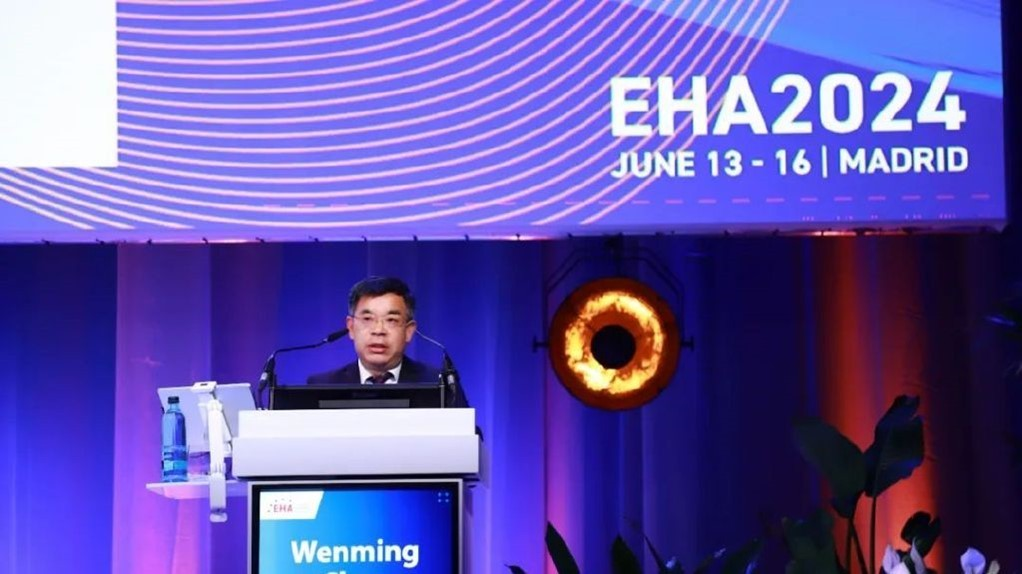
National Rise and All-Human BCMA-Targeted CAR-T Therapy Brings New Hope for Relapsed/Refractory Multiple Myeloma Treatment
The 29th Annual Meeting of the European Hematology Association (EHA) was held from June 13 to 16, 2024, in Madrid, Spain. This conference, the largest international event in the field of hematology in Europe, attracts numerous renowned experts and scholars each year to share and discuss innovative ideas, the latest scientific research, and clinical findings…

Connecting Medical Expertise through Media