-
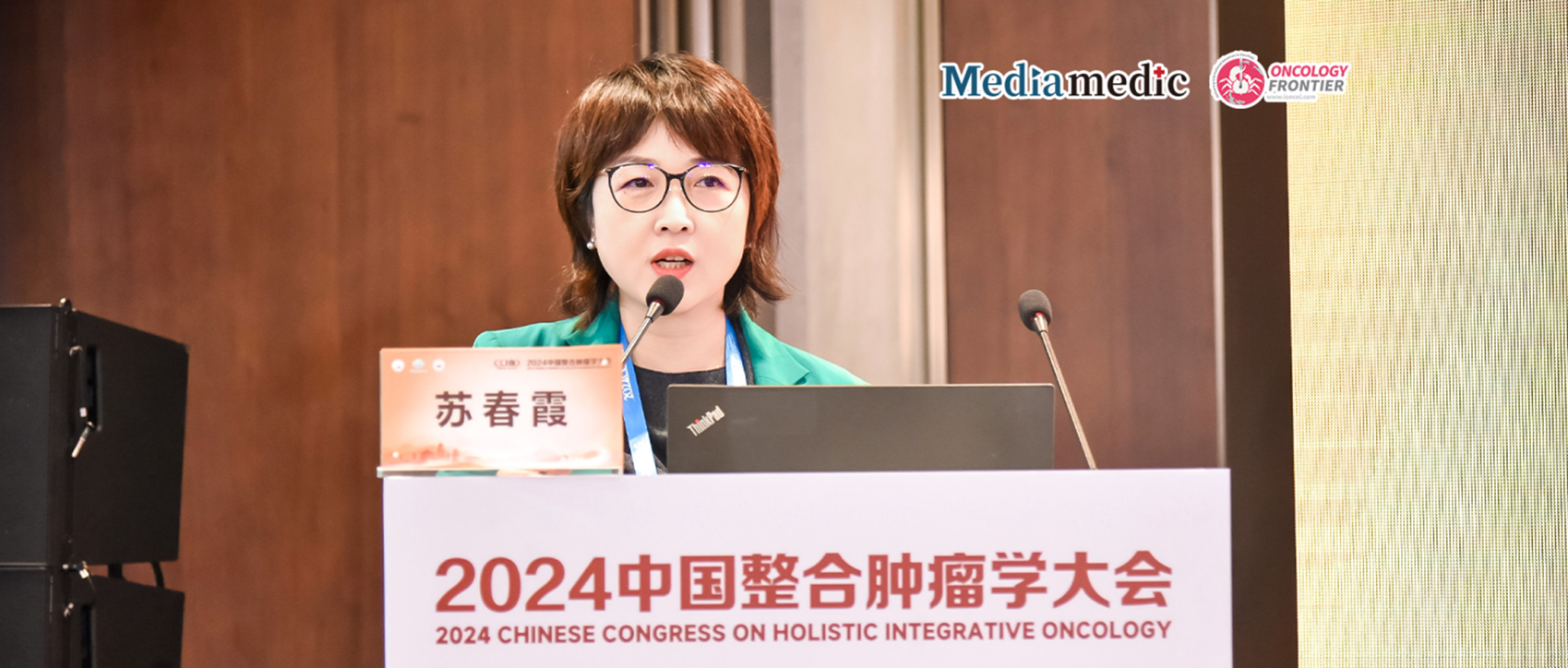
CCHIO 2024 | Dr. Chunxia Su: Comprehensive Management and Research Design of IITs in Lung Cancer
Investigator-initiated trials (IITs) refer to clinical research initiated by investigators, conducted in healthcare institutions, and aimed at studying disease diagnosis, treatment, rehabilitation, prognosis, etiology, prevention, and health maintenance. Unlike industry-sponsored trials, IITs are not intended for drug or medical device registration. In recent years, IITs have become an essential part of clinical research, providing critical…
-
CCHIO 2024 | Dr. Gang Ding: The Era of “Integration” — Exploring Tumor Rehabilitation and Health Education for a China-Specific Oncology Prevention
The 2024 Chinese Congress on Holistic Integrative Oncology (CCHIO) concluded successfully on November 17. Following the strategic framework of “collaborative integration” in disciplinary development, the conference established dedicated sessions on tumor rehabilitation, health education, cancer prevention, and screening. These sessions offered comprehensive and multidimensional insights into new perspectives, technologies, and concepts for the full-cycle management…
-
CCHIO 2024 | Dr. Xinping Cao: Advances in Systemic Therapy for Cervical Cancer
At the 2024 Chinese Congress on Holistic Integrative Oncology (CCHIO), Dr. Xinping Cao from Sun Yat-sen University Cancer Center presented a comprehensive lecture titled “Advances in Systemic Therapy for Cervical Cancer.” Below is a summary of the key highlights.
-
Dr. Zhaochong Zeng: Advancing Liver Cancer Care with Targeted Radiotherapy Strategies and Dual MDT Approaches
China bears a significant burden of liver cancer. To prevent its onset and progression, the country, society, and countless physicians have undertaken extensive measures under the framework of “three-level prevention,” achieving remarkable progress. With the increasing proportion of early diagnosis and treatment of liver cancer in recent years, a key focus for radiotherapy specialists has…
-
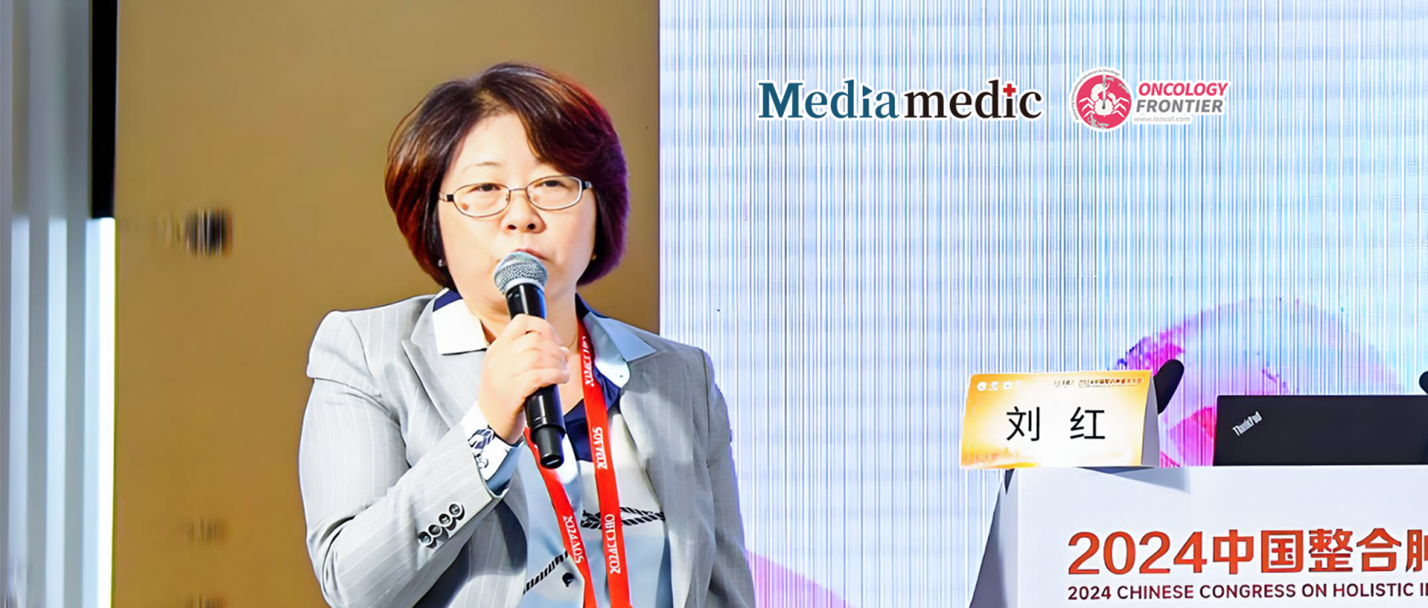
CCHIO 2024 | Dr. Hong Liu: New Perspectives on Breast Cancer Rehabilitation – The Importance of Psychological Well-being and Multidisciplinary
Breast cancer not only threatens patients’ lives but also imposes a heavy psychological burden on women. As the number of breast cancer cases continues to rise, its rehabilitation is gaining increasing attention from society. How to effectively promote comprehensive recovery for breast cancer patients has become an important issue in the medical field. During the…
-
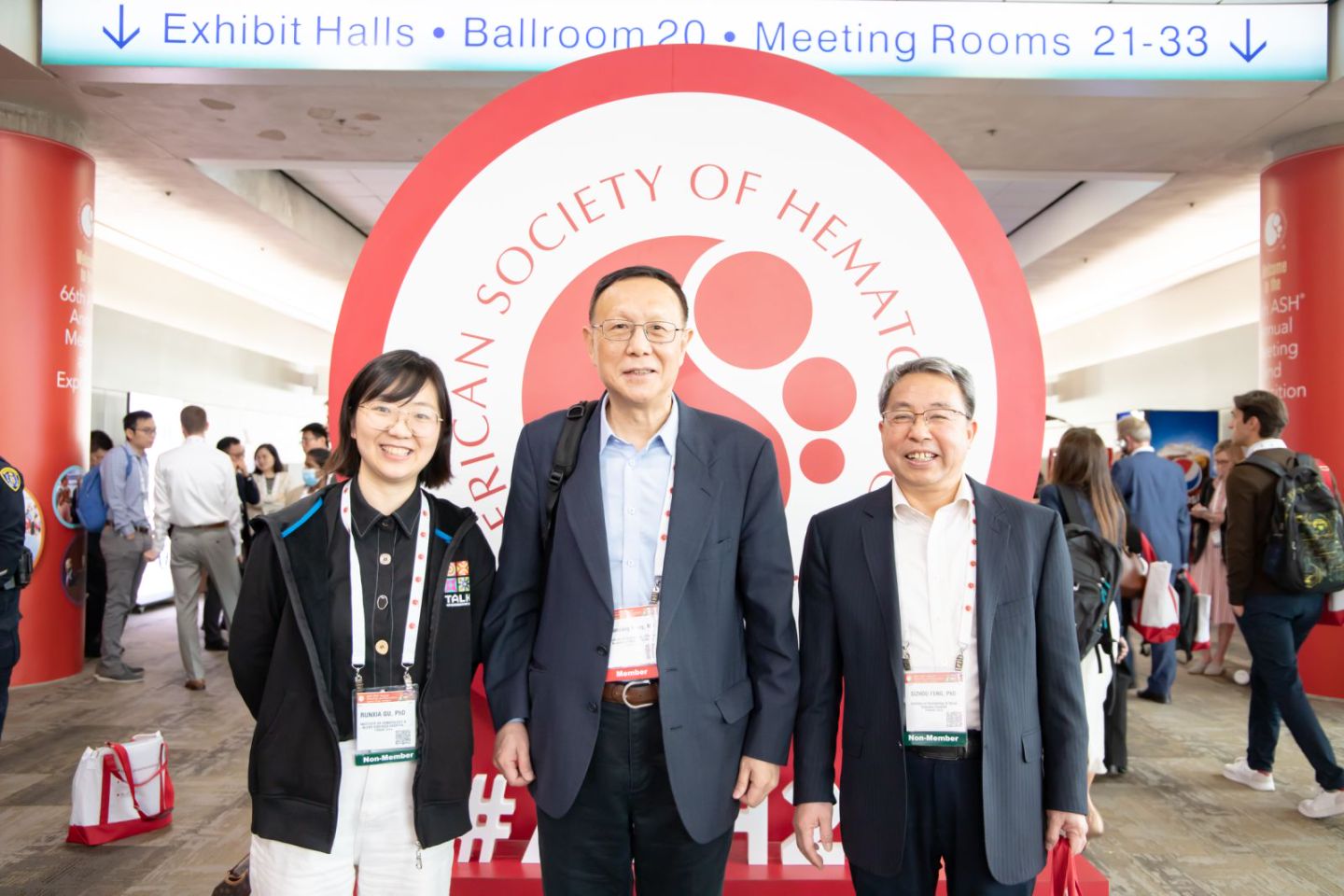
The 66th American Society of Hematology (ASH) Annual Meeting was grandly held in San Diego, USA, from December 7th to 10th, 2024
The 66th American Society of Hematology (ASH) Annual Meeting was grandly held in San Diego, USA, from December 7th to 10th, 2024. As one of the most influential platforms for scientific communication in hematology, this global event attracted over 25,000 professionals, including clinicians, researchers, and healthcare leaders from more than 100 countries. The conference covered…
-
Dr. Hua You: Development and Validation of an OS Prediction Model for HIV-Infected Liver Cancer Patients
Individuals living with HIV are at a higher risk of developing hepatocellular carcinoma (HCC) due to immune system impairment and often face poorer prognoses. At the ongoing 2024 IDWeek Conference, Dr. Hua You from the Children’s Hospital of Chongqing Medical University presented a groundbreaking study on the development of the first-ever prognostic model tailored for…
-
AASLD 2024丨Dr. Jun Chen: Advances in Diagnosis and Prognosis of MAFLD
Study 1: MASEF Scoring System for High-Risk MASH Diagnosis High-risk MASH, defined as NAFLD activity score (NAS) ≥ 4 and fibrosis stage ≥ 2, is associated with increased liver-related mortality.…

Connecting Medical Expertise through Media