SABCS 2024 | Dr. Qingyuan Zhang: A New Breakthrough with SIM0270 in ER+/HER2- Advanced Breast Cancer

SABCS 2024 | Dr. Qingyuan Zhang: A New Breakthrough with SIM0270 in ER+/HER2- Advanced Breast Cancer

At the recent San Antonio Breast Cancer Symposium (SABCS), Professor Jiong Wu from Fudan University Shanghai Cancer Center presented the latest findings from a Phase I study on SIM0270 (Abstract Number: PS14-03). SIM0270, an innovative brain-penetrant oral selective estrogen receptor degrader (SERD), demonstrated significant clinical efficacy and excellent tolerability in patients with ER+/HER2- advanced breast cancer. Oncology Frontier invited the study’s leading investigator, Dr. Qingyuan Zhang from Harbin Medical University Cancer Hospital, to provide an in-depth interpretation of the results and share insights on future research directions.
Dr. Benlong Yang: Advances in Precision Treatment for HER2-Positive Breast Cancer | 2024 Straits Breast Cancer Forum

Dr. Benlong Yang: Advances in Precision Treatment for HER2-Positive Breast Cancer | 2024 Straits Breast Cancer Forum

With the rapid advancement of medical technology, the concept of precision medicine has been widely applied in the diagnosis and treatment of breast cancer. At the 47th San Antonio Breast Cancer Symposium (SABCS) in 2024, Chinese research gained significant attention, showcasing groundbreaking achievements in breast cancer treatment. During the "2024 Straits Breast Forum and the Annual Meeting of the Fujian Medical Association Breast Disease Branch," Oncology Frontier invited Dr. Benlong Yang from Fudan University Shanghai Cancer Center to share insights on the current treatment landscape, recent research progress, and future prospects in the management of hormone receptor (HR)-positive and human epidermal growth factor receptor 2 (HER2)-positive breast cancer.
From Risk-Based to Disease-Oriented Treatment: Response, Remission, and Cure in the MRD Era of Colorectal Cancer

From Risk-Based to Disease-Oriented Treatment: Response, Remission, and Cure in the MRD Era of Colorectal Cancer

Traditionally, decisions regarding adjuvant chemotherapy after colorectal cancer surgery have been based on a patient's risk of recurrence, determined by TNM staging and histopathological features. However, emerging evidence suggests that these guidelines, in place since 2004, may not be the most effective approach and could be inadequate. In fact, surgery alone has already achieved high cure rates, preventing recurrence in 80% of stage II and 50% of stage III patients. Although adjuvant chemotherapy moderately improves disease-free survival (5–10% in stage II and 15–20% in stage III patients), many patients are exposed to unnecessary toxicity. Notably, even with adjuvant therapy, 15% of stage II and 30% of stage III patients still experience recurrence. This growing evidence highlights the relatively limited absolute benefit of adjuvant chemotherapy. Precisely predicting which patients will benefit from adjuvant therapy remains a significant challenge, underscoring the importance of developing more accurate biomarkers to guide treatment decisions.

Dr. Petrv Tsarkov:Clinical Controversies and Considerations in Lymphadenectomy for Colorectal Cancer

Dr. Petrv Tsarkov:Clinical Controversies and Considerations in Lymphadenectomy for Colorectal Cancer

Lateral lymph node (LLN) metastasis in locally advanced rectal cancer is associated with patient prognosis. However, the clinical significance of lateral lymph node dissection (LLND) has always been a matter of debate in the academic community. We have invited Dr. Petrv Tsarkov from Chechenov State Medical University in Moscow to share his insights and thoughts on the clinical controversies surrounding lymph node dissection in colorectal cancer.
Dr. Ashwin Somasundaram:How Should Adjuvant Therapy Be Decided for High-Risk MSI-H Stage II Colorectal Cancer?

Dr. Ashwin Somasundaram:How Should Adjuvant Therapy Be Decided for High-Risk MSI-H Stage II Colorectal Cancer?

The decision on whether high-risk MSI-H (microsatellite instability-high) stage II colorectal cancer patients should receive adjuvant therapy remains controversial. Dr. Ashwin Somasundaram, a medical professor at the Lineberger Comprehensive Cancer Center, University of North Carolina at Chapel Hill, shares his insights on this complex issue.

ESMO ASIA 2024 | Dr. Guohai Shi: Advances in Targeted and Immunotherapy for Renal Cell Carcinoma

Renal cell carcinoma (RCC) is one of the three major tumors of the urinary system. In recent years, the development of targeted and immunotherapy drugs—particularly the success of several large-scale Phase III trials of combination therapies—has ushered in a new era of targeted and immunotherapy combinations for advanced RCC. At this year’s ESMO ASIA Congress, several studies on treatments for advanced RCC were presented. Urology Frontier invited Dr. Guohai Shi from Fudan University Shanghai Cancer Center to share insights into these advancements.
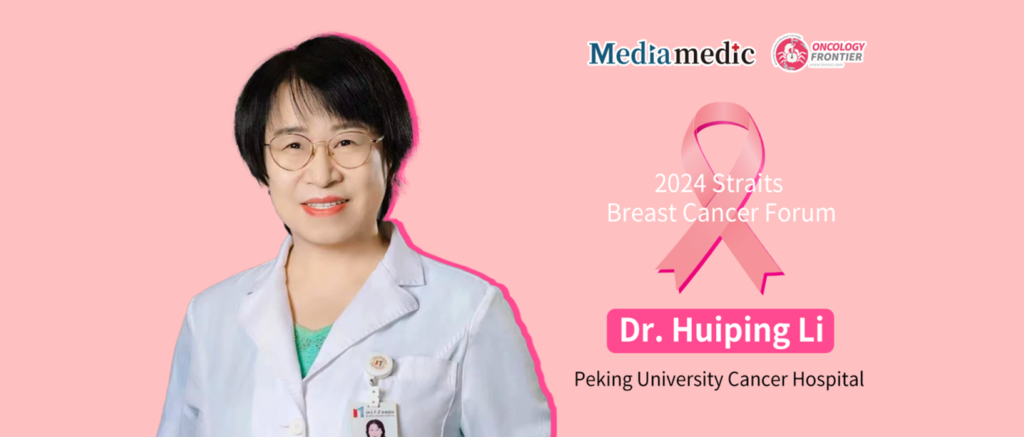
Dr. Huiping Li: Advances in Precision Treatment for BRCA-Mutated Breast Cancer | 2024 Straits Breast Cancer Forum

Dr. Huiping Li: Advances in Precision Treatment for BRCA-Mutated Breast Cancer | 2024 Straits Breast Cancer Forum

Breast cancer is the most common malignancy among women worldwide, with approximately 5% to 10% of patients carrying BRCA gene mutations. These patients often present with more advanced disease, face a higher risk of recurrence, and have poorer prognoses. For patients with germline BRCA-mutated (gBRCA) triple-negative breast cancer (TNBC), platinum-based chemotherapy remains the standard treatment but offers limited survival benefits and comes with significant side effects. Meanwhile, for hormone receptor-positive (HR+)/human epidermal growth factor receptor 2-negative (HER2-) breast cancer patients, endocrine therapy combined with CDK4/6 inhibitors is the first-line standard treatment. However, the optimal therapy after progression on CDK4/6 inhibitors is still unclear. In this era of precision medicine, there is a pressing need for more effective treatments for gBRCA-mutated HER2-negative breast cancer. At the 2024 Cross-Strait Breast Cancer Forum and the Annual Academic Conference of the Fujian Medical Association Breast Disease Branch, Oncology Frontier invited Dr. Huiping Li from Peking University Cancer Hospital to discuss the latest progress in precision treatment for BRCA-mutated breast cancer.
Dr. Huiping Li: Advances in Precision Treatment for BRCA-Mutated Breast Cancer | 2024 Straits Breast Cancer Forum

Dr. Huiping Li: Advances in Precision Treatment for BRCA-Mutated Breast Cancer | 2024 Straits Breast Cancer Forum

Breast cancer is the most common malignancy among women worldwide, with approximately 5% to 10% of patients carrying BRCA gene mutations. These patients often present with more advanced disease, face a higher risk of recurrence, and have poorer prognoses. For patients with germline BRCA-mutated (gBRCA) triple-negative breast cancer (TNBC), platinum-based chemotherapy remains the standard treatment but offers limited survival benefits and comes with significant side effects. Meanwhile, for hormone receptor-positive (HR+)/human epidermal growth factor receptor 2-negative (HER2-) breast cancer patients, endocrine therapy combined with CDK4/6 inhibitors is the first-line standard treatment. However, the optimal therapy after progression on CDK4/6 inhibitors is still unclear. In this era of precision medicine, there is a pressing need for more effective treatments for gBRCA-mutated HER2-negative breast cancer. At the 2024 Cross-Strait Breast Cancer Forum and the Annual Academic Conference of the Fujian Medical Association Breast Disease Branch, Oncology Frontier invited Dr. Huiping Li from Peking University Cancer Hospital to discuss the latest progress in precision treatment for BRCA-mutated breast cancer.
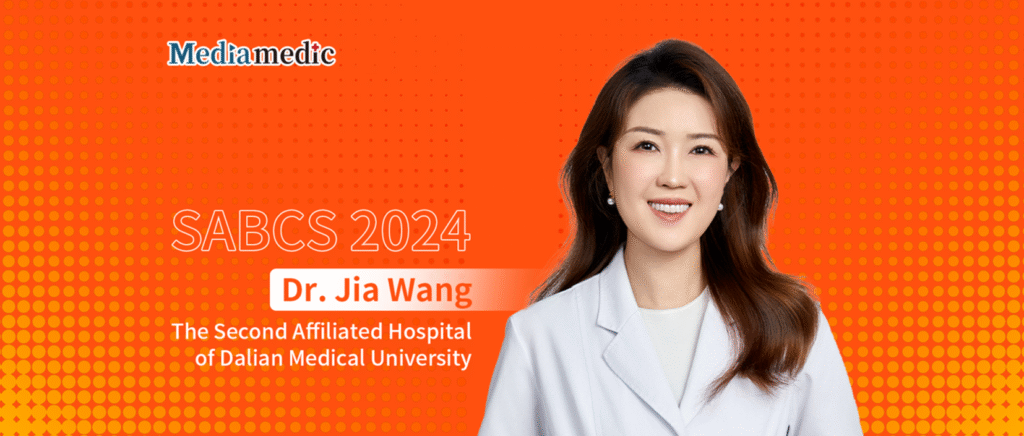
SABCS 2024 | Dr. Jia Wang: Survival Data from Different Chemotherapy Regimens in the WSG-ADAPT HR+/HER2- Study Released

SABCS 2024 | Dr. Jia Wang: Survival Data from Different Chemotherapy Regimens in the WSG-ADAPT HR+/HER2- Study Released

At the highly anticipated 2024 San Antonio Breast Cancer Symposium (SABCS), numerous groundbreaking studies in breast cancer treatment were unveiled. Among them, the Working Group for Gynecological Oncology (WSG) presented long-term survival data from the WSG ADAPT-HR+/HER2- early breast cancer chemotherapy cohort (Abstract No.: GS3-04). This study integrates clinical pathology, genomic testing, and endocrine therapy response to refine risk stratification for recurrence in HR+/HER2- patients. Oncology Frontier invited Dr. Jia Wang from The Second Affiliated Hospital of Dalian Medical University to provide insights and commentary on this significant research.