

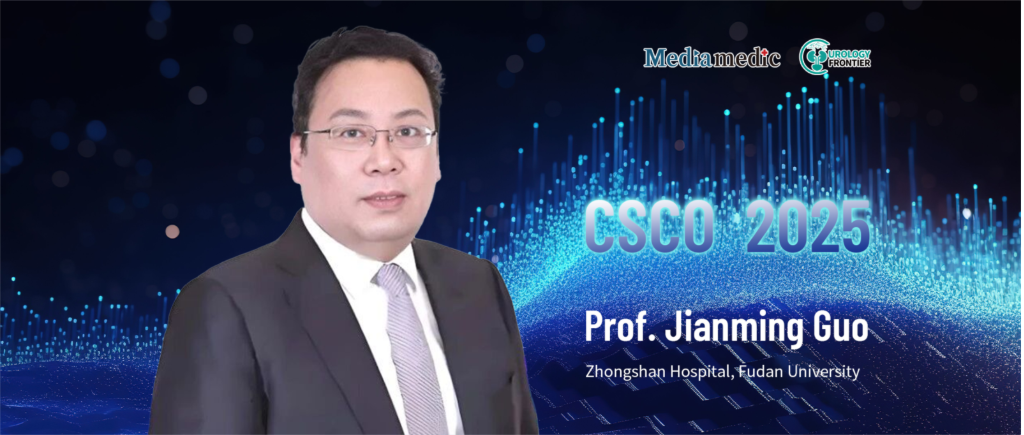
CSCO Experts’ Voice | Professor Jianming Guo: Outlook on the Development of China’s Prostate Cancer MDT Model and the Future of AI Applications
Editor’s Note: This September, the 28th Annual Meeting of the Chinese Society of Clinical Oncology (CSCO 2025), one of China’s most prestigious oncology conferences, was successfully held in Jinan. During…
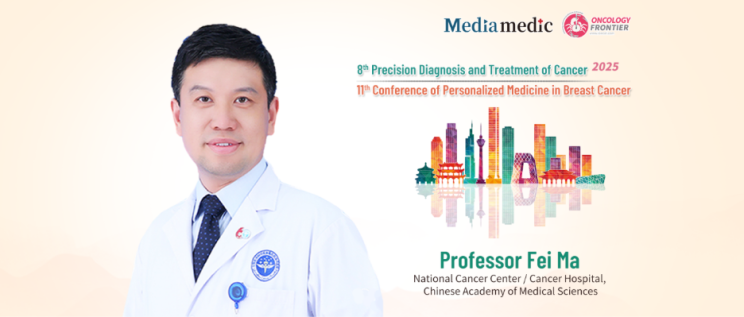
2025 COMB丨Professor Fei Ma: New Perspectives in Breast Cancer Immunotherapy—Mechanistic Insights, Adverse Event Management, and Precision Pathways
Editor’s Note: Immunotherapy has become an important treatment modality in breast cancer, achieving breakthroughs by modulating the immune system to mount anti-tumor responses. At the 8th Conference on Oncology Precision…

Professor Bing Han: Treatment Strategies for Aplastic Anemia in the TPO-RA Era
Editor’s Note: The 13th Ludaopei Hematology Academic Conference, jointly organized by the Beijing Health Promotion Association and the Hongmian Tumor and Rare Disease Public Welfare Foundation, and hosted by the…
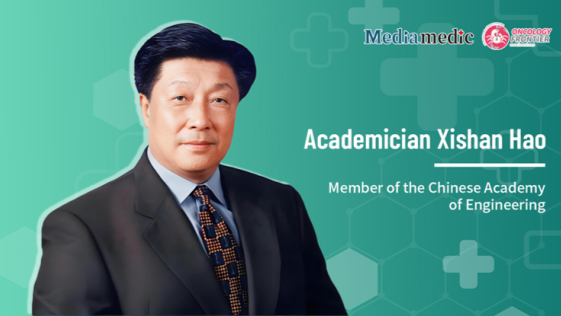
Academician Xishan Hao: The Mission of Advancing Chinese Oncology and Building Academic Journal
Editor’s Note: With China’s rapidly aging population, cancer prevention and treatment face new challenges and opportunities. As the birthplace of modern oncology in China, Tianjin Medical University Cancer Institute and…
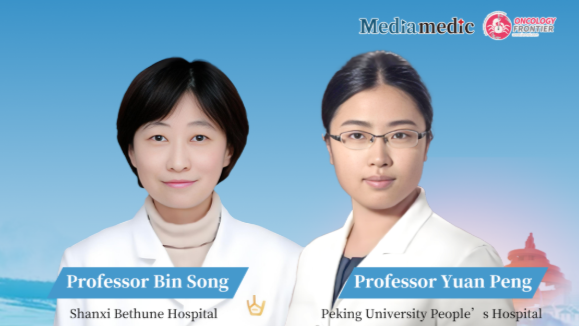
Professors Bin Song & Yuan Peng: How Should We Choose CDK4/6 Inhibitors for Adjuvant Endocrine Therapy Intensification?
For patients with hormone receptor–positive (HR+) early breast cancer, when intensifying adjuvant endocrine therapy with a CDK4/6 inhibitor, should abemaciclib or ribociclib be preferred? At the 2025 Summer Breast Cancer Forum · Northern Salon, Professors Bin Song of Shanxi Bethune Hospital and Yuan Peng of Peking University People’s Hospital debated this question during the “Debate” session. Here, in Oncology Frontier’s “In-Depth” column, they share their perspectives supported by evidence.
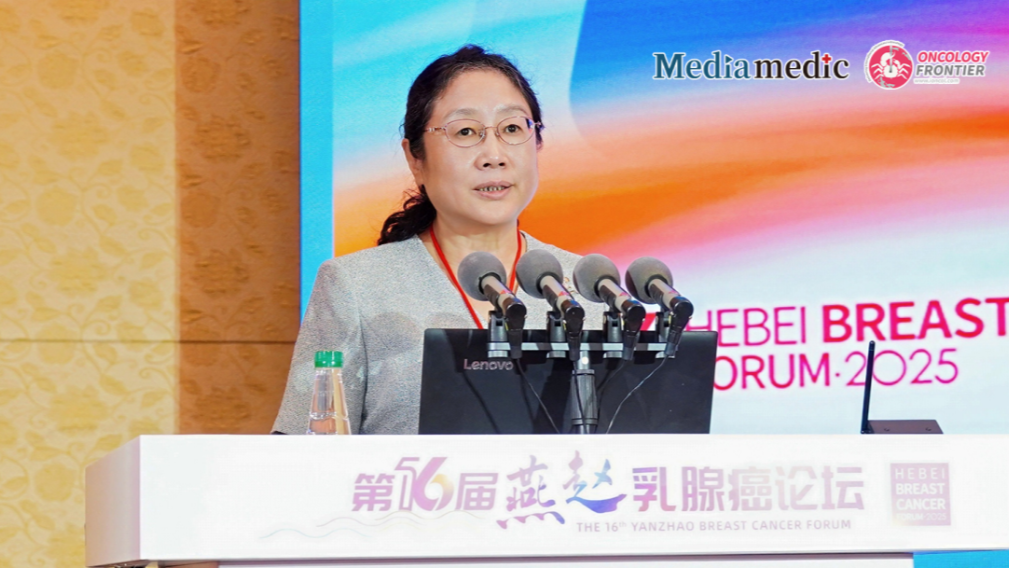
Professor Cuizhi Geng: Advancing Standardized Care and Technological Innovation to Drive Homogeneity in Regional Breast Cancer Treatment
The 16th Yan Zhao Breast Cancer Forum was held in Shijiazhuang from August 27–31, 2025. The event was jointly organized by the Breast Cancer Committee of the Hebei Anti-Cancer Association and multiple specialty committees, co-organized by the Beijing Breast Disease Prevention and Treatment Society, and hosted by the Fourth Hospital of Hebei Medical University and the Hebei Breast Disease Diagnosis and Treatment Center. This year’s forum emphasized standardization and innovation in breast cancer diagnosis and treatment, with highlights including guideline roadshows and robotic surgery. During the meeting, Oncology Frontier interviewed the conference chair, Professor Cuizhi Geng of the Fourth Hospital of Hebei Medical University, who shared insights on the forum highlights, the role of guideline dissemination, strategies for regional treatment homogeneity, and the clinical application and challenges of robot-assisted breast surgery.