Dr. Chao Sun: Prospects for the Application of Bicyclol – Mechanisms, Therapeutic Significance, and Challenges
Editorial Note: Bicyclol (4,4'-dimethoxy-5,6,5',6'-bis(methylenedioxy)-2-hydroxymethyl-2'-methoxycarbonylbiphenyl) is a derivative of Schisandra chinensis, a traditional Chinese medicine. In recent years, it has demonstrated remarkable efficacy and safety in the treatment of liver diseases.…
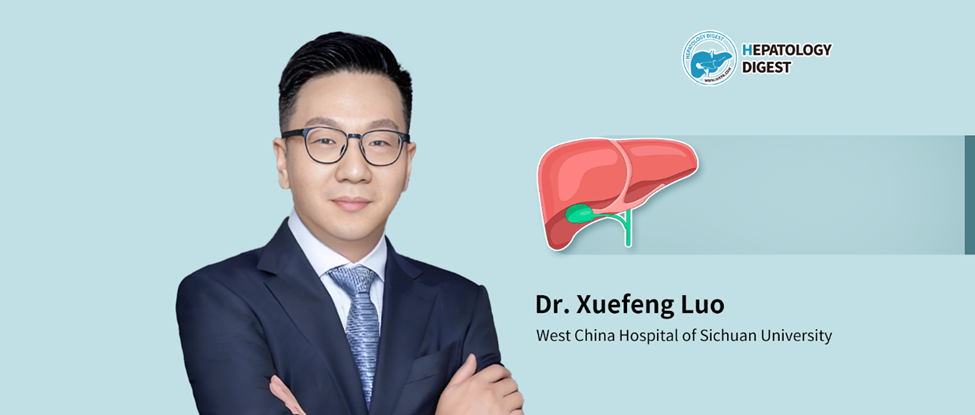
Dr. Xuefeng Luo: In-Depth Analysis of TIPS in the Treatment of Budd-Chiari Syndrome
Budd-Chiari Syndrome (BCS) is a complex and severe vascular liver disease that poses significant challenges to patients' health and survival. Transjugular intrahepatic portosystemic shunt (TIPS), a minimally invasive interventional procedure,…
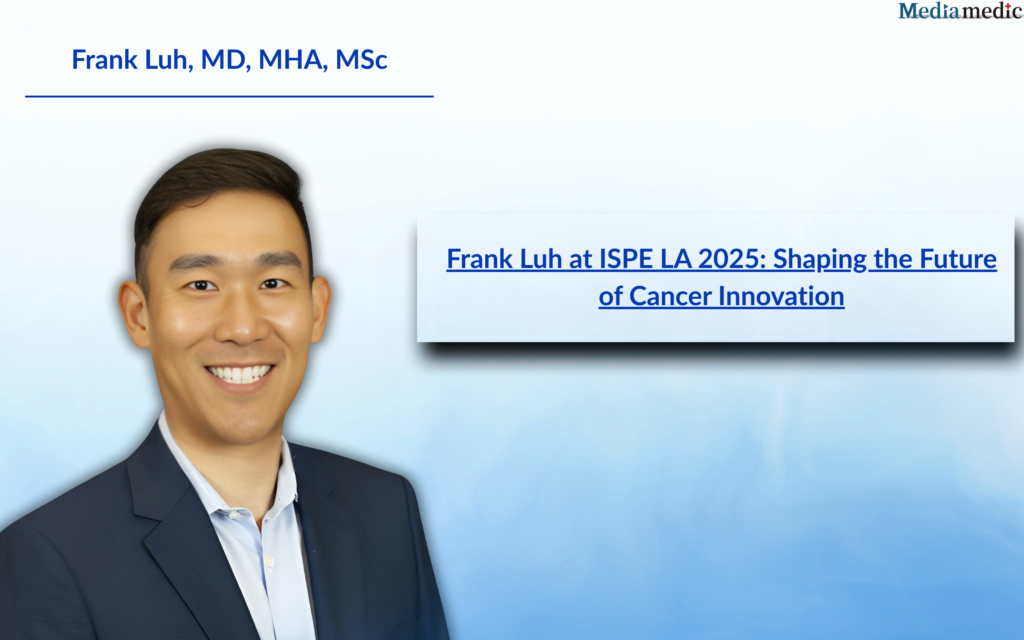
Dr. Frank Luh to Speak at ISPE LA Executive Night 2025
Dr. Frank Luh, CEO of the Sino-American Cancer Foundation (SACF), will speak at the ISPE Greater Los Angeles Chapter's Executive Night 2025, hosted by Takeda in March 2025.A leader in…

laura biganzoli’s Latest Contributions to Breast Cancer & Geriatric Oncology
Dr. laura biganzoli continues to drive impactful research in breast cancer and geriatric oncology.In September 2024, she co-authored a study in the New England Journal of Medicine showing that trastuzumab…
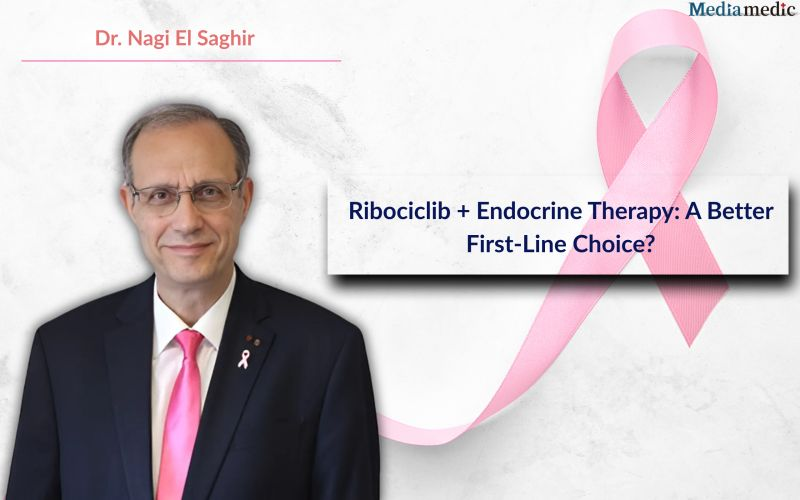
RIGHT Choice Trial: Ribociclib + Endocrine Therapy vs. Chemotherapy in HR+/HER2– Advanced Breast Cancer
In August 2024, Dr. Nagi El Saghir and colleagues published a key subgroup analysis from the RIGHT Choice Trial, comparing first-line ribociclib (RIB) plus endocrine therapy (ET) to combination chemotherapy…
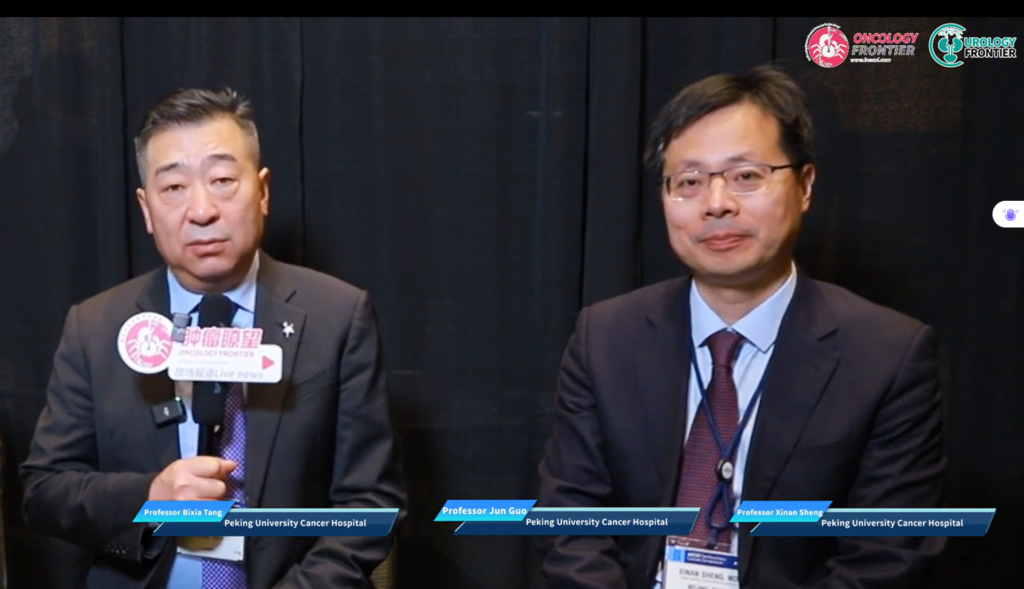

Dr. Hua Zhong and Dr. Baohui Han on the Efficacy and Safety of Sacituzumab Govitecan in Extensive-Stage Small Cell Lung Cancer
The rapid advancements in modern oncology have introduced numerous breakthrough treatment options for lung cancer, making it one of the fastest-evolving solid tumors. To help clinicians gain an in-depth and comprehensive understanding of major developments in this field, Oncology Frontier has collaborated with Dr. Hua Zhong and Dr. Baohui Han from the Department of Respiratory and Critical Care Medicine at Shanghai Chest Hospital to launch a clinical progress series—"Zhong" Sound "Hui" Words. Through in-depth analyses of high-quality clinical studies in lung cancer, this series aims to enhance clinical decision-making and treatment practices.