EAU 2025 | Professors Haige Chen and Ruiyun Zhang Share Advances in Non-Invasive Bladder-Sparing Detection and Targeted-Immunotherapy Combinations

EAU 2025 | Professors Haige Chen and Ruiyun Zhang Share Advances in Non-Invasive Bladder-Sparing Detection and Targeted-Immunotherapy Combinations

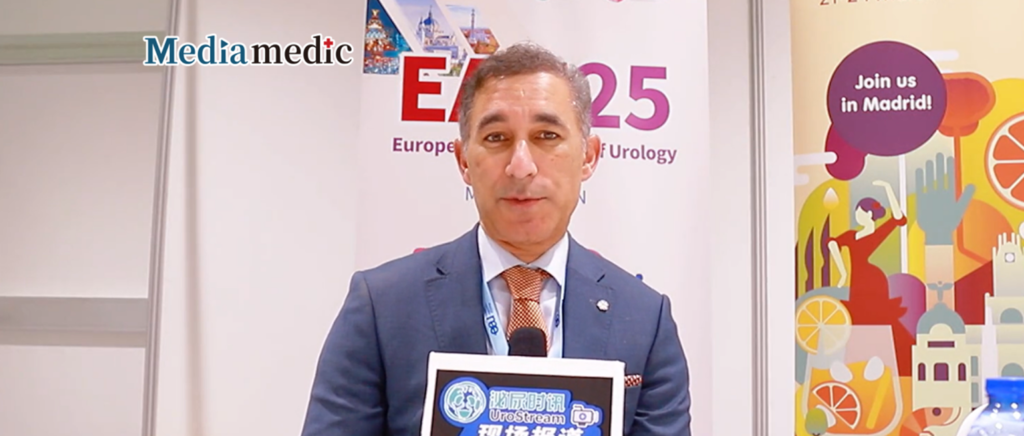
Trimodality therapy (TMT)is a well-established bladder-sparing strategy for patients with muscle-invasive bladder cancer (MIBC). However, limitations remain for patients intolerant to chemotherapy and in monitoring post-treatment recurrence. Professors Haige Chen and Ruiyun Zhang of Renji Hospital, Shanghai Jiao Tong University School of Medicine, have long focused on MIBC research. This year, nine of their studies were accepted at the EAU Congress. UroStream invited Professors Chen and Zhang to share their insights on emerging approaches, including chemotherapy-free strategies combining the domestic ADC drug RC48 with PD-1 inhibitors, the value of utDNA in non-invasive monitoring, AI-based molecular subtyping, and major takeaways from the congress.
SGBCC 2025 | Prof. Zefei Jiang has an in-depth dialogue with Prof. Michael Gnant: Combining Chinese and Western Approaches and Listening to the Voice of China at SGBCC

SGBCC 2025 | Prof. Zefei Jiang has an in-depth dialogue with Prof. Michael Gnant: Combining Chinese and Western Approaches and Listening to the Voice of China at SGBCC

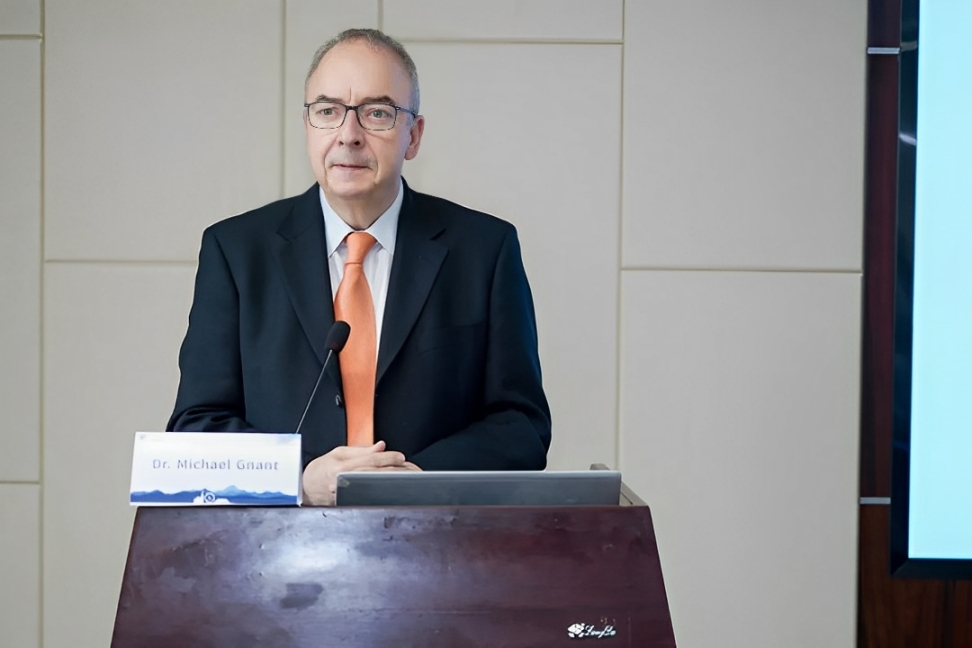
From March 12 to 15, 2025, the 19th St. Gallen Breast Cancer Conference (SGBCC) was held with great success. During the conference, the Chinese Society of Clinical Oncology (CSCO) and SGBCC jointly organized the "Voice of China" session, showcasing China's advancements in clinical research, basic science, translational medicine, and radiomics within the breast cancer field, which sparked vibrant discussions among global experts. “Oncology Frontier” invited the co-chairs of this session—Prof. Zefei Jiang (St.Gallen International Consensus panel Member, CSCO President-Elect, Chinese PLA General Hospital) and Prof. Michael Gnant (SGBCC Conference Chair, Comprehensive Cancer Center, Medical University of Vienna)—to engage in a profound dialogue on the future of Sino-global collaboration.